By Anna Miller | AIDA Communications
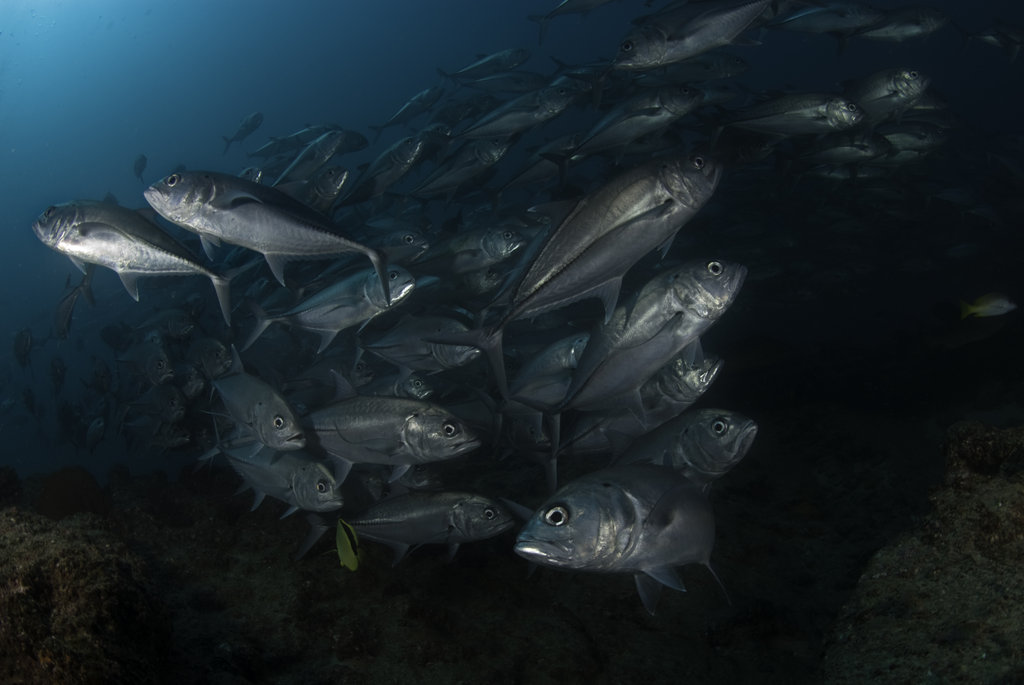
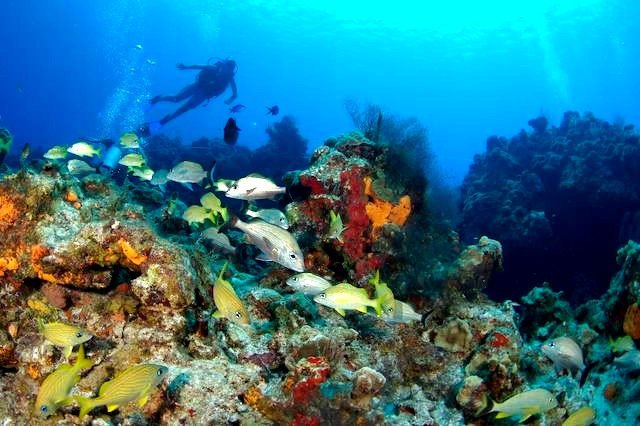
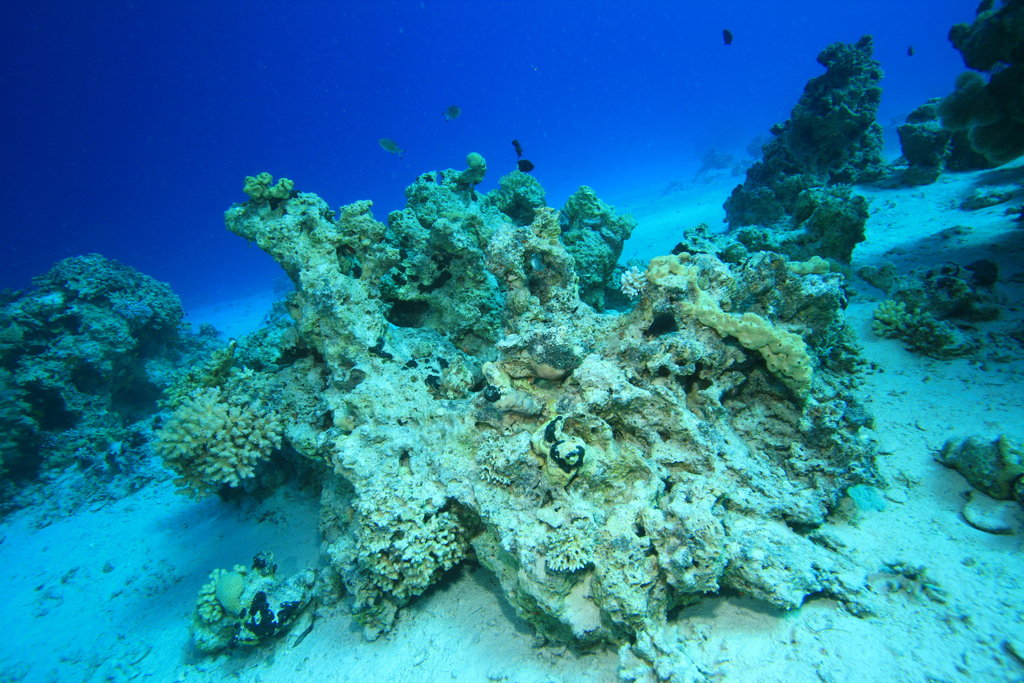
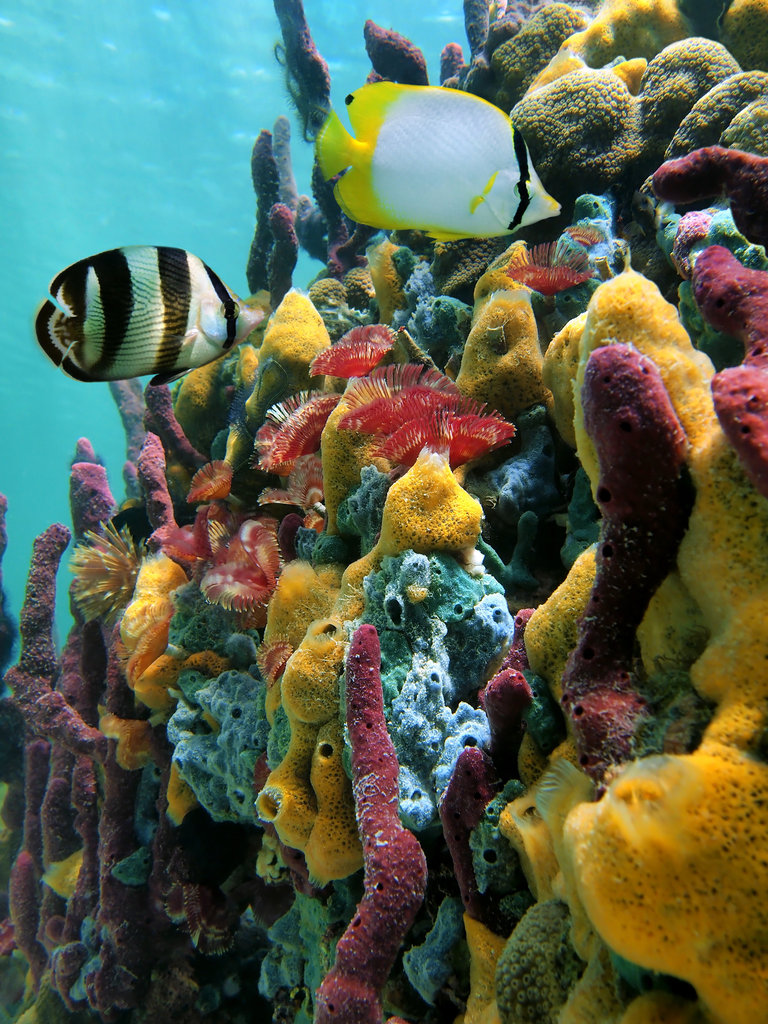
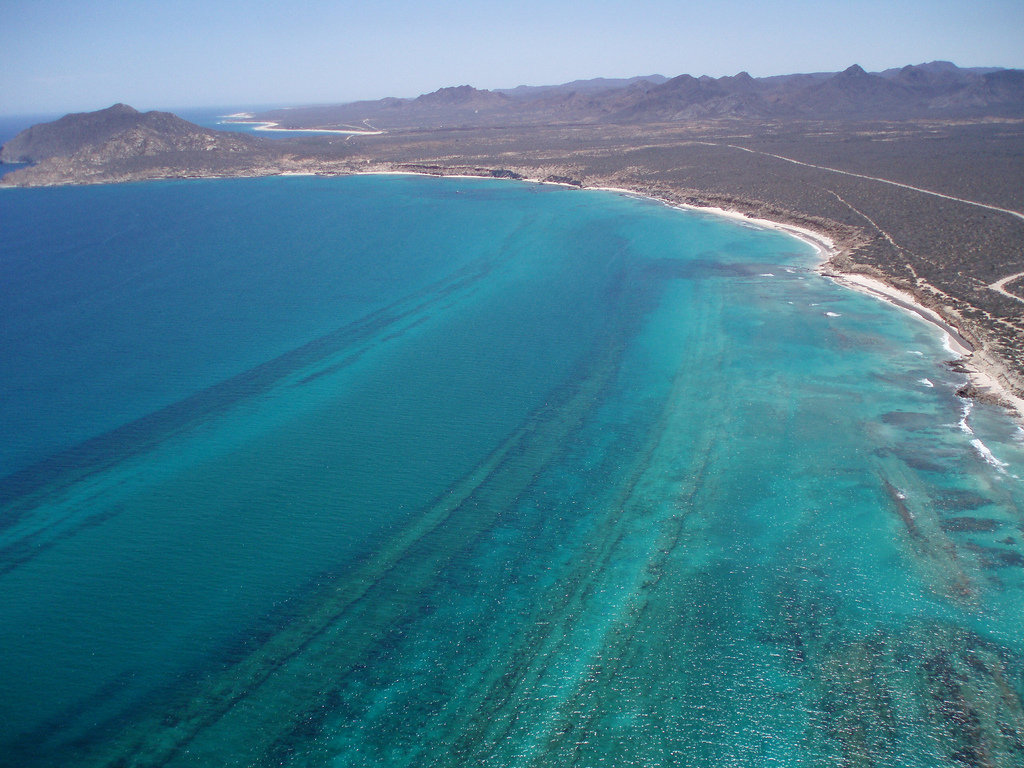
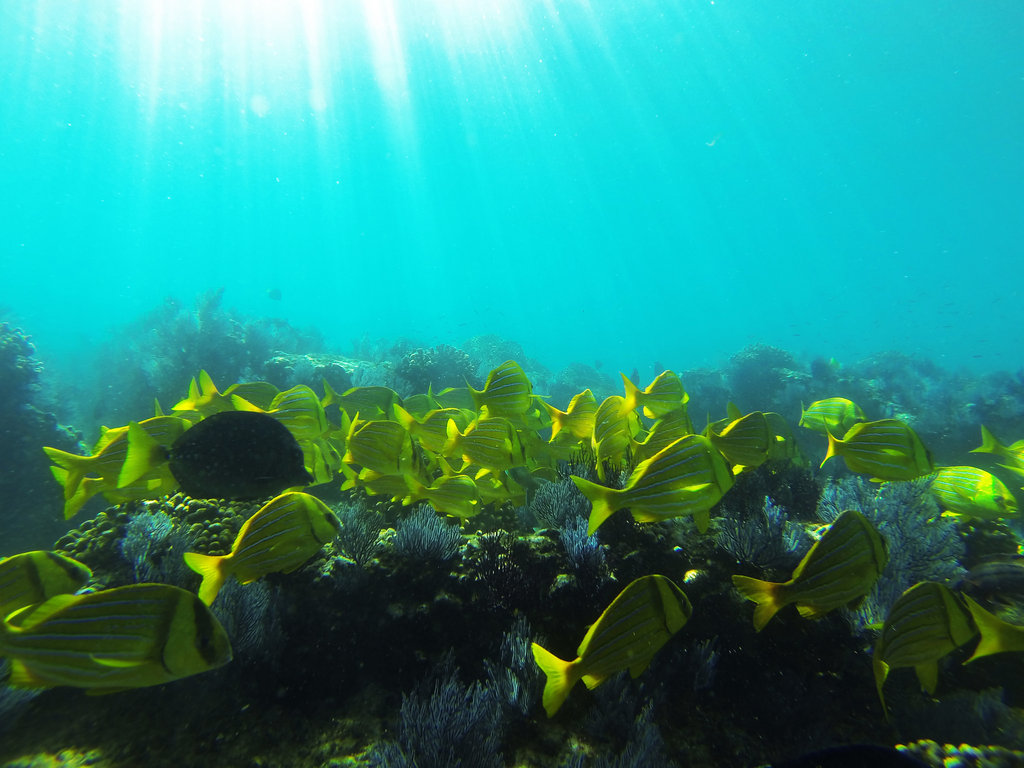
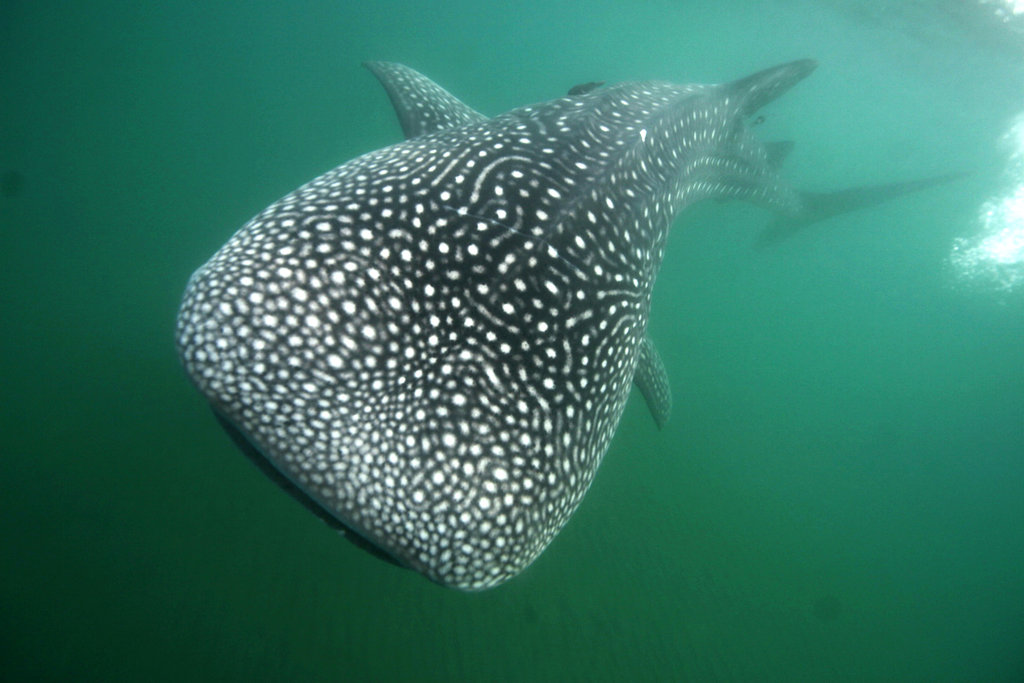
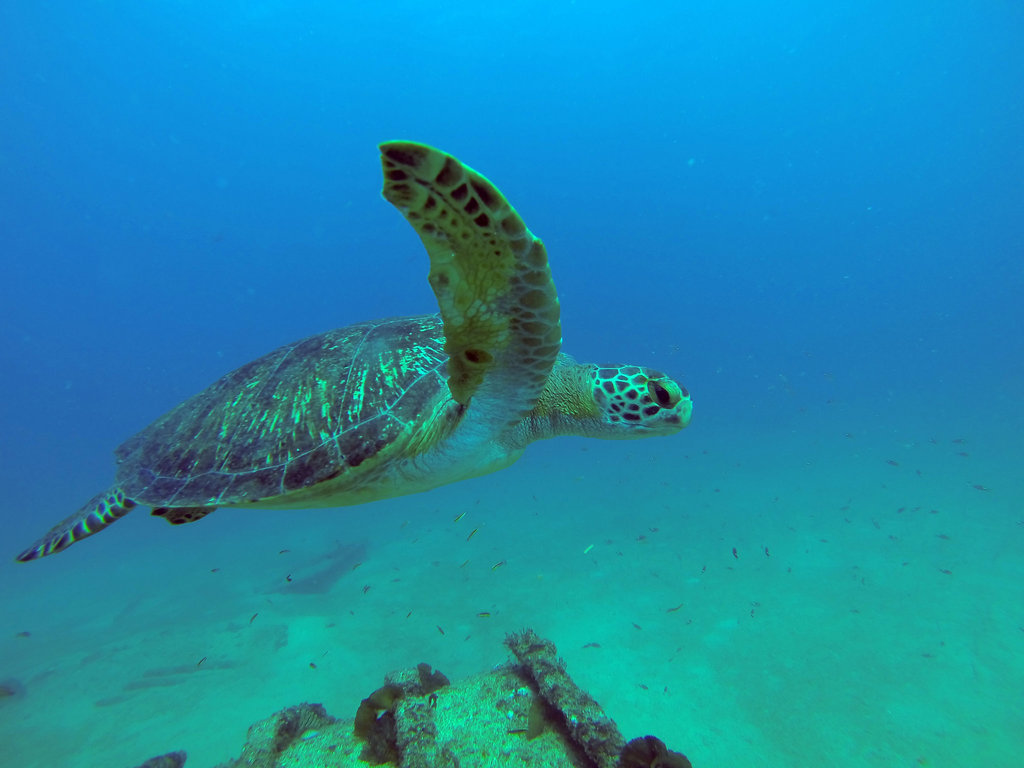
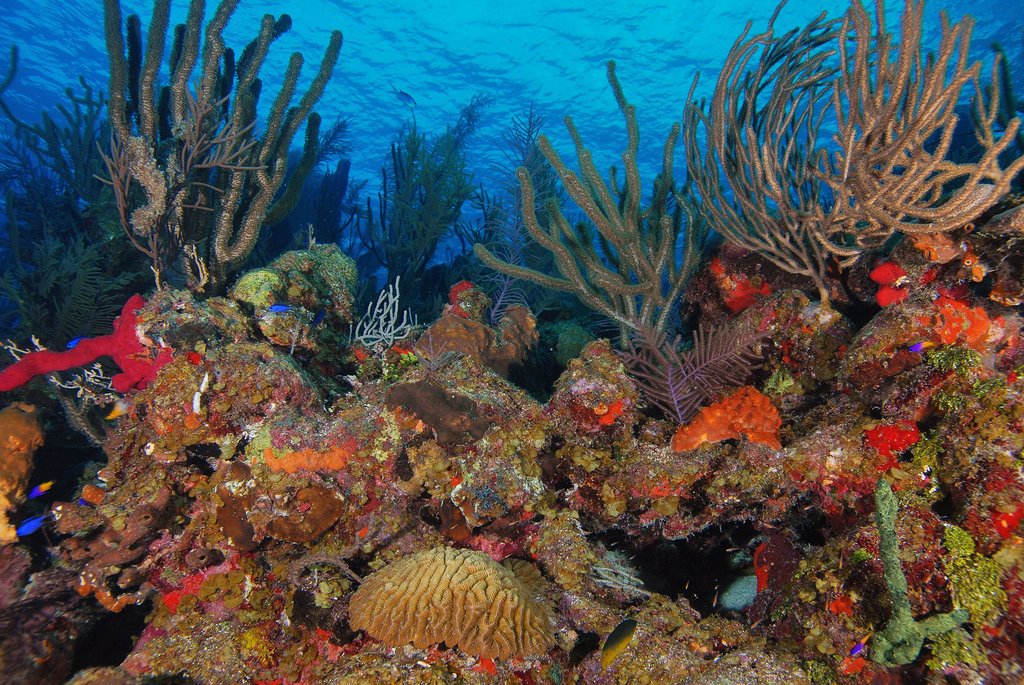
Eight fingers of hard coral branch off from the coastline of Baja California Sur, stretching through the crystal blue waters at Cabo Pulmo. In the shelter of the Cabo Pulmo reef, marine life comes for refuge: electric fish color the waters; devil rays fly briefly through the air; migrating humpbacks feed on bountiful schools of fish; and leatherback sea turtles arrive to nest.
Life on the ancient Cabo Pulmo reef has been this way for more than 20,000 years. Yet not too long ago, that life was being overfished from these waters.
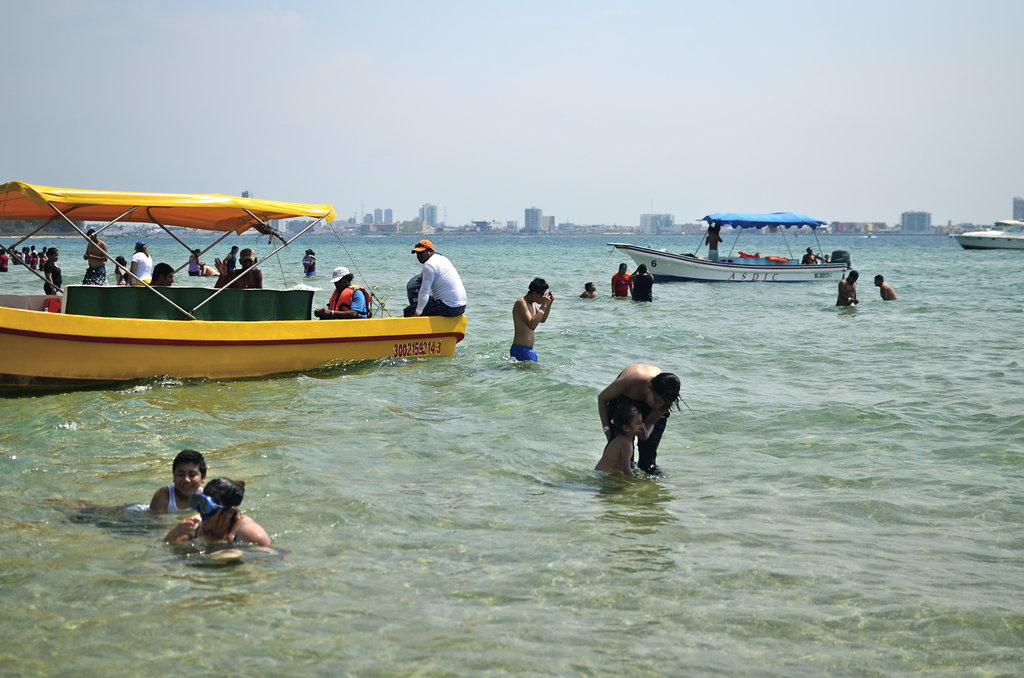
A century ago, the shores of Cabo Pulmo were dotted with small wooden shacks—their wood gathered from nearby shipwrecks—and the town was not much more than a fishing camp. For generations, residents sustained themselves solely from the sea without understanding the limits of the ecosystem, and coastal marine life suffered the consequences.
But then, in the 1980s, descendants of the same families who had long fished these waters led the charge to save them. The small community learned of the reef’s importance. They saw the value in its biodiversity, lobbied intently to protect it, and met the challenge of learning new ways to live beside it.
In June 1995, the Mexican government declared the waters of Cabo Pulmo a National Marine Park—7,111 hectares of marine territory that would soon after become completely free of fishing and extraction.
In the 20 years since, the small marine park has made an unprecedented recovery. The biomass of sea life has increased by 460 percent, with species sometimes reaching numbers too high to count accurately. Scientists have called Cabo Pulmo “the most successful marine reserve in the world.”
But, despite its success and the lessons of its history, Cabo Pulmo is once again at risk—this time from development. Tourism developers have for many years been trying to build mega-resorts on Cabo Pulmo. Since 2007, AIDA has been helping to protect the reef alongside a coalition of organizations and community members.
When Mexico’s Secretariat of Environment and Natural Resources (SEMARNAT) approved an environmental permit for construction of a mega-resort named Cabo Cortéz, AIDA sprung to action. In 2011, we petitioned the Ramsar Convention Secretariat and UNESCO—organizations that protect natural sites of global significance—to visit Cabo Pulmo and recommend measures to protect it.
Together, they issued a report. They concluded that in issuing the permit for the resort’s construction, SEMARNAT had not considered the resort’s indirect and cumulative impacts on the environment. For example, SEMARNAT overlooked the fact that sediment from earth moving would bury the reef in mud, sewage and runoff from the completed resort would pollute the reef’s pristine water, and an entire city would need to be built to house the resort’s employees. In 2012, the government withdrew its approval and the project was cancelled.
In this victory, AIDA won an important battle… but the war wages on. Developers continue proposing resorts for the area, including the massive Cabo Dorado. AIDA’s Marine team is monitoring this development closely, as well as other tourism and infrastructure developments that threaten the health and biodiversity of sensitive marine environments.
Through our work, we seek to empower communities—like the families in the small town of Cabo Pulmo—to protect the natural world around them from undue harm. Our recently published Guide to International Regulatory Best Practices for Coral Reef Protection gives communities like theirs—and their government representatives—insight into the laws and processes that can help them defend the reefs they love.
The people of Cabo Pulmo reshaped their lives to ensure the reef’s health. They fought for protection, and were rewarded with bright, beautiful, bountiful underwater life. Developers who value profit above environmental integrity mustn’t be allowed to reverse their victory.
Thank you for supporting our work to protect Cabo Pulmo and the sensitive marine ecosystems of the Americas.
Project reports on GlobalGiving are posted directly to globalgiving.org by Project Leaders as they are completed, generally every 3-4 months. To protect the integrity of these documents, GlobalGiving does not alter them; therefore you may find some language or formatting issues.
If you donate to this project or have donated to this project, you can receive an email when this project posts a report. You can also subscribe for reports without donating.