By Anne Tattam | Associate Director of Foundation Relations
With backing from GlobalGiving donors, Western Rivers Conservancy is permanently protecting land along outstanding rivers across the western United States. Your gift supports the core costs of purchasing and conserving land for the benefit of fish, wildlife and people. Your contribution is dedicated to such efforts as preserving salmon and wildlife habitat, and creating new hiking trails, boating access and recreational opportunities.
Thanks to your support, Western Rivers Conservancy has:
Nevada’s Lower Carson River:
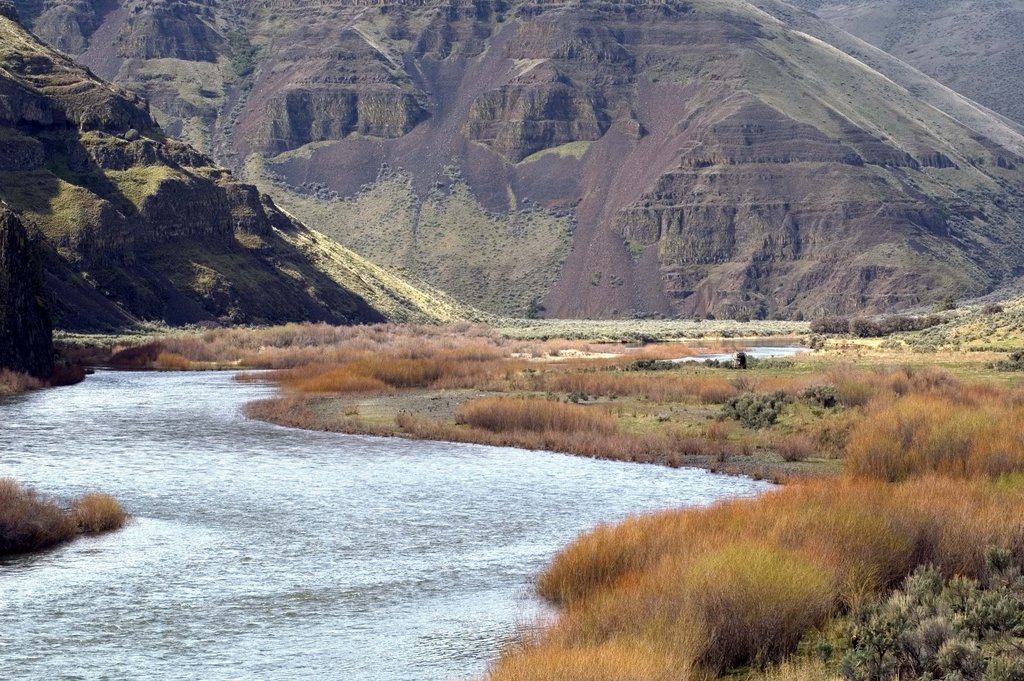
This summer, Western Rivers Conservancy helped create Nevada’s 28th state park, permanently protecting 4.5 miles of the lower Carson River and opening extensive public river access just outside the town of Dayton. In the driest state in the country, a living river like the Carson isn’t just scenery— it’s a lifeline for communities, fish, wildlife and people alike. The park became a reality when WRC conveyed the 1,627-acre Lower Carson Ranch to Nevada State Parks, ensuring this stretch of the Carson River will be protected and enjoyed for generations to come.
The Carson River begins as a rushing mountain stream high in the Sierra Nevada, south of Lake Tahoe, California. It slows as it crosses into the Great Basin in Nevada and eventually terminates in the Carson Sink, a vast alkali flat rimmed in wetlands.
Lower Carson Ranch reflects the remarkable diversity of life the river supports. Its riparian forests, green pastures and upland sagebrush-steppe provide habitat for wildlife like mule deer, bobcat and mountain lion. Native fish, including mountain whitefish, Lahontan redside shiner, Tahoe sucker, mountain sucker and speckled dace, swim its waters, alongside seasonally stocked rainbow and brown trout. And due to its location just a few miles upstream of the Carson River Delta Important Bird Area—a critical stopover for birds migrating to and from the Carson Sink—this stretch of river is a haven for wild turkey, waterfowl, raptors and migratory songbirds.
Nevada State Parks is currently developing a master plan to open the property to the public, which will create new opportunities to fish, paddle, hike and picnic along one of western Nevada’s great rivers. In a state with limited access to water, this new park, which is near the fast-growing communities of Reno, Carson City and Dayton, will provide a rare opportunity for people to recreate on the river.
The park also preserves some Nevada history, including portions of the California and Pony Express national historic trails, which date back to the 1800s. In the 1940s, a portion of the property—then known as Break-a-Heart Ranch—operated as a “divorce ranch,” part of a uniquely Nevada industry made possible by the state’s six-week residency requirement for divorce. Local lore holds that women discarded their wedding rings into an old well on the property after they were granted a divorce.
Lower Carson Ranch sits between Dayton State Park upstream and Fort Churchill State Historic Park downstream, adding an important new link in Nevada State Parks conservation management of the lower Carson. The property is also linked by river to WRC’s project at Park Ranch, 45 miles upstream on the East Fork Carson in California. Together, these efforts help bolster the Carson River system’s ability to sustain life in this arid region between the Eastern Sierra and the Great Basin.
California’s East Fork Carson River:
Western Rivers Conservancy permanently protected a special stretch of the East Fork Carson River when we conveyed the 1,688-acre Park Ranch to Alpine County. We purchased the property in two phases beginning in 2025 and transferred it to the county in August 2026. The project represents an extraordinary opportunity to deliver habitat conservation for fish and wildlife, recreational access for people and wildfire protection for the community of Markleeville.
The East Fork is the largest of the Carson River’s tributaries and one of the few major undammed rivers in the Eastern Sierra. It’s a scenic gem that draws recreationists from all over, with trophy trout waters, a state designated wild and scenic segment, hot springs and exciting whitewater. Our efforts will conserve 1.6 miles of the East Fork Carson and three combined miles of its tributaries Markleeville Creek, Pleasant Valley Creek and Hot Springs Creek. The river and creeks together are home to federally threatened Lahontan cutthroat trout, as well as other native fish like Paiute sculpin, mountain whitefish, mountain sucker, Tahoe sucker, Lahontan redside shiner and speckled dace.
Park Ranch provides vital habitat for a variety of wildlife. Its intact stands of cottonwood and willow, mixed conifer forests, sagebrush-steppe and expansive mountain meadows make up a key link in a migratory corridor that mule deer, black bear, western monarch and numerous other species rely on for survival and seasonal movement. During our ownership, WRC removed extensive fencing that blocked wildlife movement, making it easier for migrating animals to move freely across the landscape.
Conserving Park Ranch will also expand access for fishing, hunting and birding, while connecting the property to Markleeville Campground and hiking trails that begin at Hangman’s Bridge, just upstream of the ranch. The portion of the East Fork Carson that runs through Park Ranch is also cherished among anglers and whitewater enthusiasts who seek out its feisty trout and lively Class II-III rapids.
One of the key benefits for the nearby community of Markleeville is the property’s potential to serve as a bulwark against catastrophic wildfires. Now in county ownership, the ranch will continue to be managed for conservation and recreation, with compatible grazing playing a role in both improved habitat and wildfire fuels reduction. Park Ranch will remain a haven for fish and wildlife, while exemplifying the open space and ranching legacy that make this corner of eastern California so special.
Conclusion
The Lower Carson and East Fork Carson River projects are just some of our recent projects. WRC currently has nearly 30 active projects in seven states. With the support of GlobalGiving donors, Western Rivers Conservancy is expanding our efforts to protect riverlands for fish, wildlife and people.
We love to hear from our supporters. Please contact Anne Tattam at 503-241-0151, ext. 219 (or atattam@westernrivers.org) for further information. Thank you.
Project reports on GlobalGiving are posted directly to globalgiving.org by Project Leaders as they are completed, generally every 3-4 months. To protect the integrity of these documents, GlobalGiving does not alter them; therefore you may find some language or formatting issues.
If you donate to this project or have donated to this project, you can receive an email when this project posts a report. You can also subscribe for reports without donating.



Support this important cause by creating a personalized fundraising page.
Start a Fundraiser