Uganda remains high-risk for Ebola Sudan & Zaire strains due to border mobility, bushmeat trade, and climate-linked outbreaks. DRC + Uganda border districts report sporadic cases yearly. MoH data shows health worker infections still drive 15-20% of total cases in early outbreak weeks. The 2022 outbreak proved: when PPE runs out or staff panic, clinics close and outbreaks explode. With 50M+ population and <100 isolation beds nationally, protecting workers IS outbreak control.
Uganda's Ebola outbreaks repeatedly overwhelm frontline health facilities. The core problem is weak infection prevention and control (IPC) at the facility level. Most rural health centers lack trained staff, PPE stock, and clear triage protocols. When a suspected Ebola case arrives, workers face exposure risk, facilities shut down, and communities lose access to basic care. This cycle of infection facility closure delayed response fuels larger outbreaks.
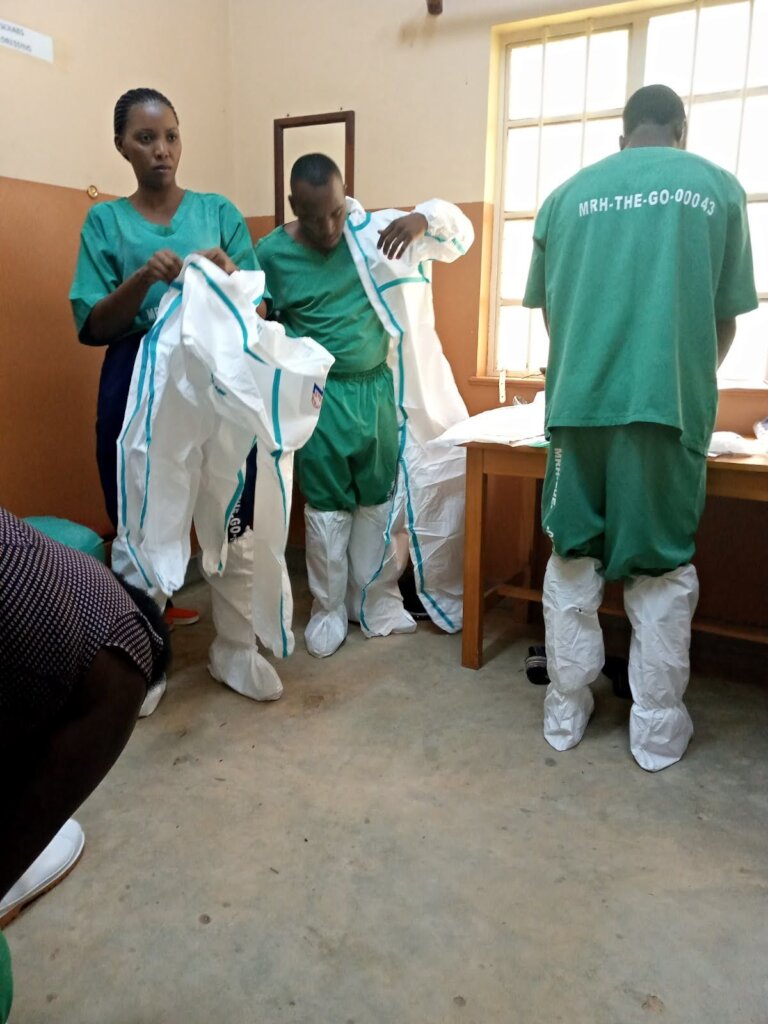
Train & Certify: Equip 300+ health workers across 15 high-risk districts with MoH-approved Ebola IPC, safe triage, and donning/doffing skills through hands-on drills. Buffer PPE: Pre-position 90-day PPE stocks + restock systems so no facility closes due to supply gaps. Standardize Triage: Install screening tents + job aids at every facility so suspected cases are isolated immediately, not in general wards. By strengthening the "first line of defense", we stop exposure before it starts
Reduced infections and deaths among frontline staff stronger, more confident workforce retained in rural areas. Health Systems: Facilities remain operational during outbreaks communities continue receiving maternal, child, and chronic care without disruption. Outbreak Control: Faster detection + isolation at facility level smaller outbreaks, lower response costs for MoH and partners. Preparedness Culture: Creates a replicable model of facility-based IPC that can be scaled nationwide.



Support this important cause by creating a personalized fundraising page.
Start a Fundraiser