Protecting Elephants and Rhinos in Malawi

by Earthwatch Institute
Protecting Elephants and Rhinos in Malawi

Project Report | Jun 11, 2015
Animals of Malawi Year Three Starting Soon!

By Heather Wilcox | Director of Annual Giving & Advancement Services

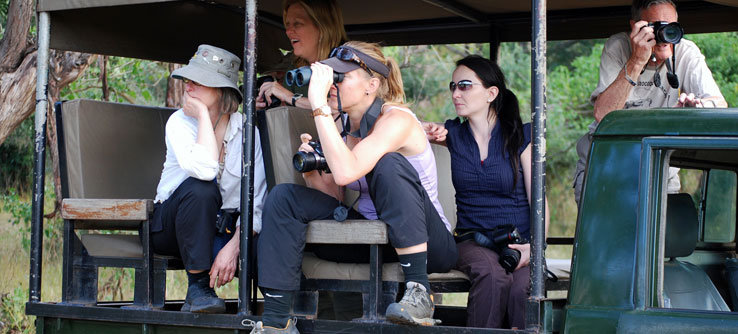
Volunteers on a wildlife survey.

June 20th marks the start of Earthwatch’s Animals of Malawi in the Majete Wildlife Reserve’s third year of exciting field research. This year, eight teams of up to six volunteers each will assist Dr. Alison Leslie with data collection throughout the summer and early fall.

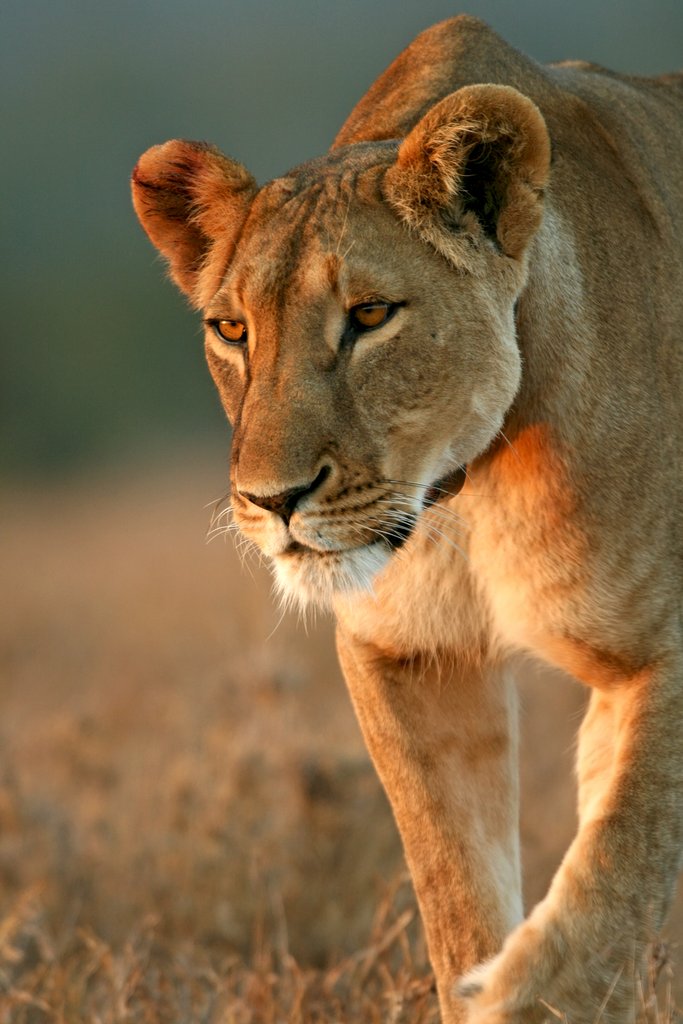
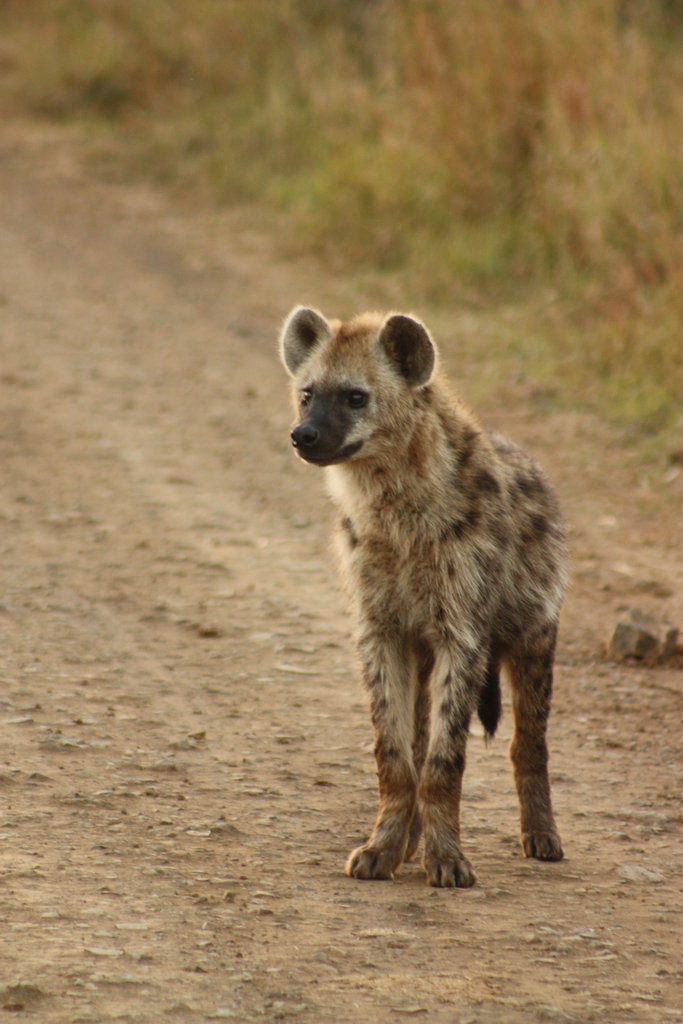
Although Earthwatch volunteers may only participate on an expedition for a week or two, their efforts in the field forge critical links in an ongoing chain, with each team building off the previous one. For example, camera trap images captured in 2013 revealed that the park was home to many more spotted hyenas than originally estimated. As a result, teams in 2014 added more camera traps around the park to begin more in-depth hyena research, including identifying each hyena by its unique pattern of spots on its coat, determining how many clans (hyena social groups) have formed, the locations of their territories, and how the hyenas are competing against their lion rivals.

This diligent surveillance revealed the location of several active hyena dens – a first in the reserve. Volunteers in 2015 will continue to monitor the dens, assessing the health of the pups and documenting their interactions with their siblings and the adults at night. Their findings will inform the park’s management strategies around other carnivores and ongoing maintenance of the delicate balance between predator and prey populations.

Three new research objectives will also be introduced in 2015:

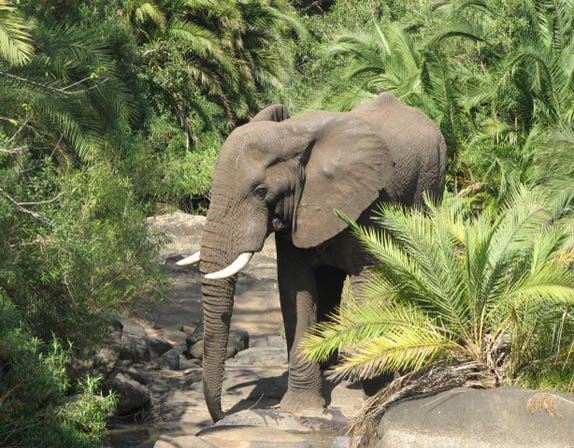
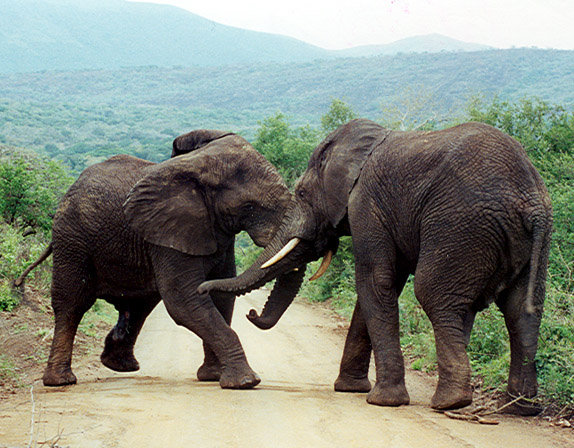
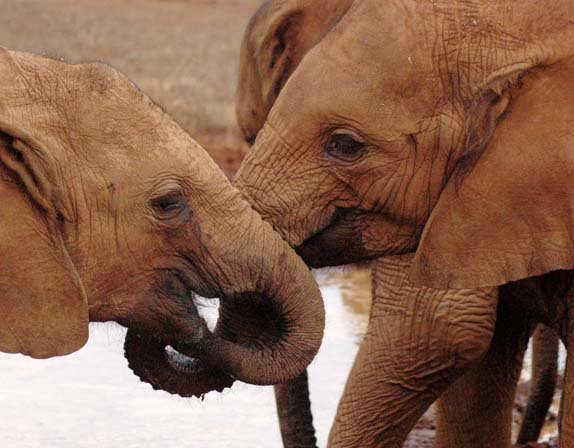
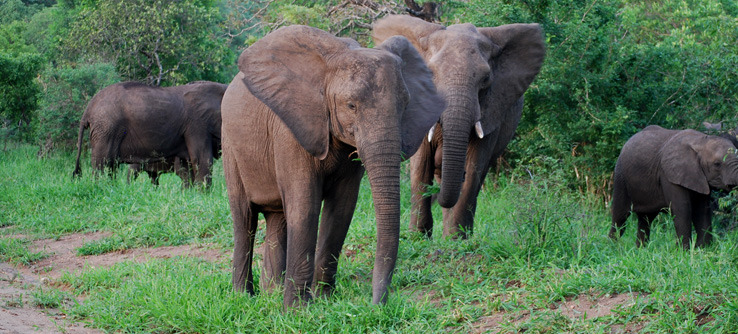
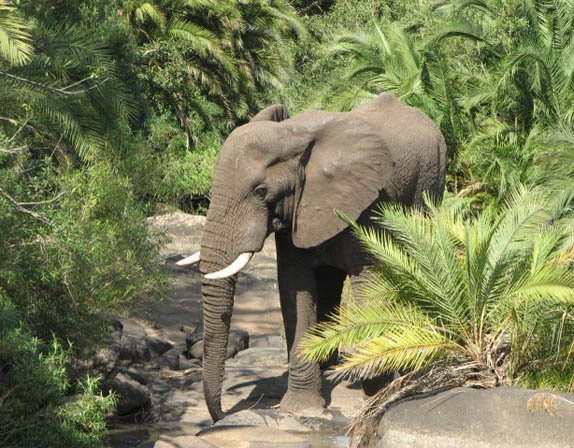
  1. Using remote camera data collected in 2014, volunteers will begin to analyze elephant demographics to determine the home ranges of the various family groups within the reserve, as well as their habitat usage, impact on plant and water resources, and seasonal diet.
  2. Develop a management plan for community based natural resource harvesting of indigenous thatching grass, reeds and bamboo.
  3. Conduct reptile and amphibian surveys.

As you can see, 2015 should prove to be a very busy and wonderfully informative year! Thank you again for your ongoing support that makes long-term research like this possible. We look forward to sharing more results and updates with you later in the year.

With gratitude,

Heather Wilcox
Director of Annual Giving & Advancement Services
hwilcox@earthwatch.org
978-450-1208

P.S. Remember, you don't just have to read about this research from afar... you can be at the center of the action as an Earthwatch research volunteer! Please follow the link below to see which teams are still accepting volunteers for 2015.

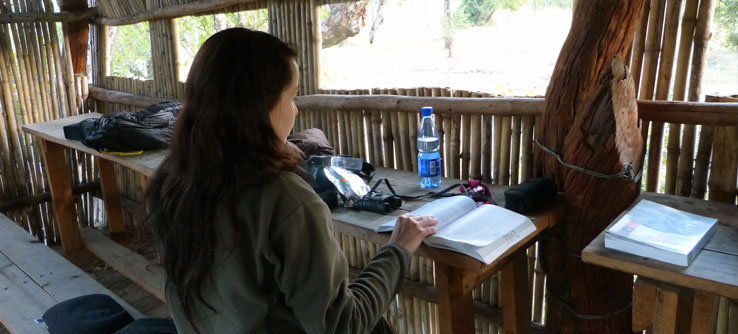
Identifying and counting animals at a waterhole.
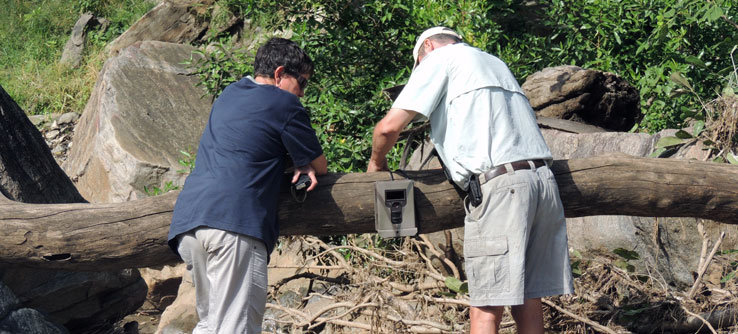
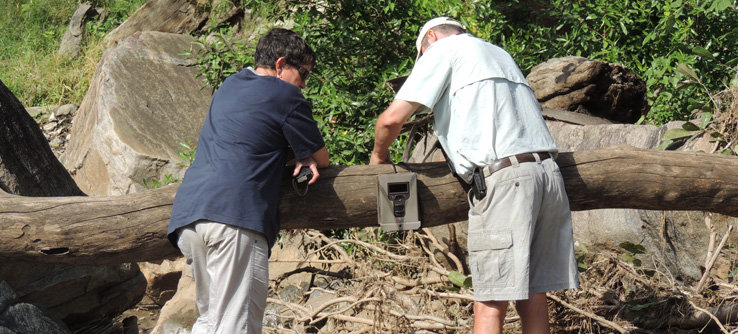
Setting a camera trap.
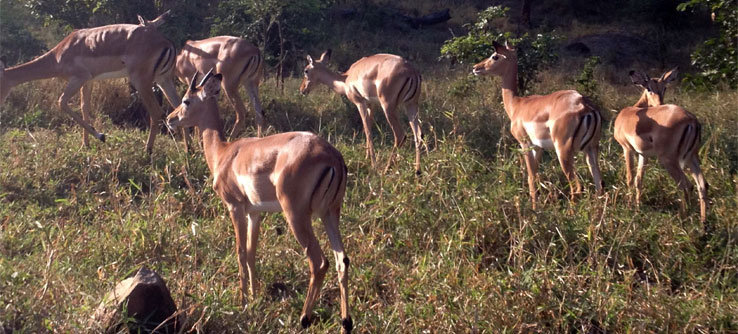
Duikers are important to predator-prey balance.
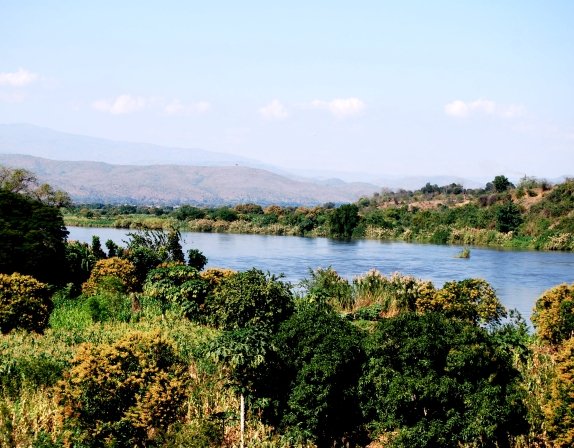
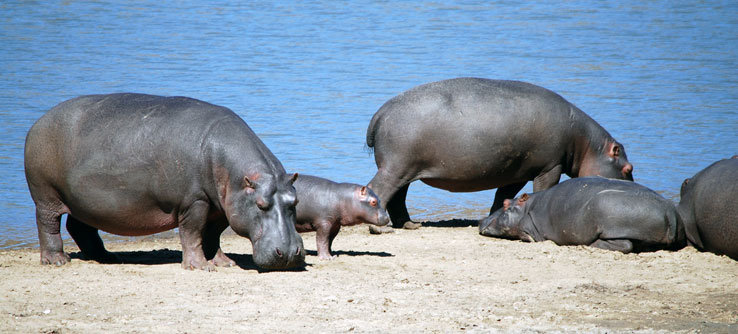
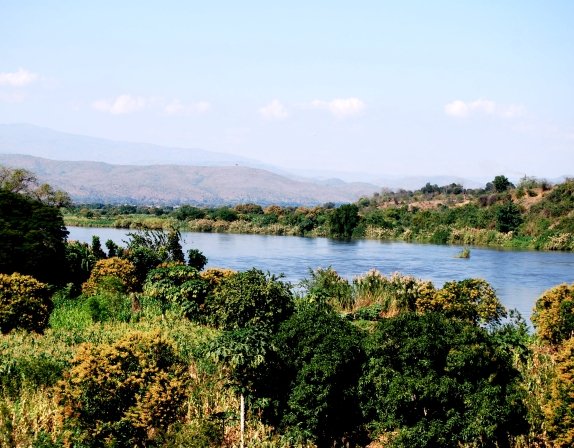
Hippos frequent Shire River that runs thru park
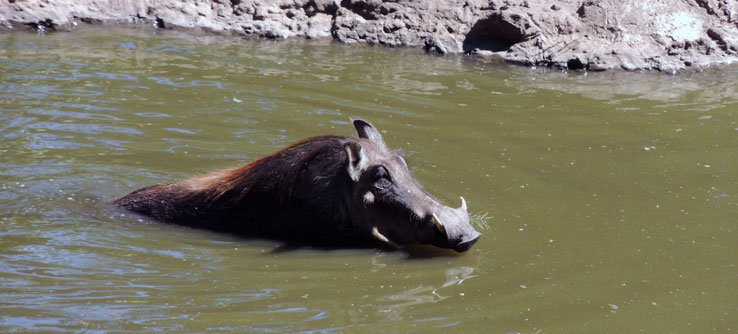
A warthog cools off.

Links:

Share on Twitter Share on Facebook

Mar 4, 2015
2014 Highlights From the Majete Wildlife Reserve

By Heather Wilcox | Director of Annual Giving & Advancement Services

Dec 23, 2014
Reintroduced Wildlife Still Thriving in Malawi

By Heather Wilcox | Director of Annual Giving & Advancement Services

About Project Reports

Project reports on GlobalGiving are posted directly to globalgiving.org by Project Leaders as they are completed, generally every 3-4 months. To protect the integrity of these documents, GlobalGiving does not alter them; therefore you may find some language or formatting issues.

If you donate to this project or have donated to this project, you can receive an email when this project posts a report. You can also subscribe for reports without donating.


Sign up for updates

Organization Information

Earthwatch Institute

Location: Boston, MA - USA
Website:
Facebook: Facebook Page
X / Twitter: Profile
Project Leader:
Heather Wilcox
Boston , MA United States
$60,251 raised of $60,000 goal
 
317 donations
$0 to go
Donate Now
lock
Donating through GlobalGiving is safe, secure, and easy with many payment options to choose from. View other ways to donate

Earthwatch Institute has earned this recognition on GlobalGiving:

Help raise money!

Support this important cause by creating a personalized fundraising page.

Start a Fundraiser

Learn more about GlobalGiving

Teenage Science Students
Vetting +
Due Diligence

Snorkeler
Our
Impact

Woman Holding a Gift Card
Give
Gift Cards

Young Girl with a Bicycle
GlobalGiving
Guarantee

Get incredible stories, promotions, and matching offers in your inbox

WARNING: Javascript is currently disabled or is not available in your browser. GlobalGiving makes extensive use of Javascript and will not function properly with Javascript disabled. Please enable Javascript and refresh this page.