By Maria Perez Alsina | Coordinator of the Environmental Area
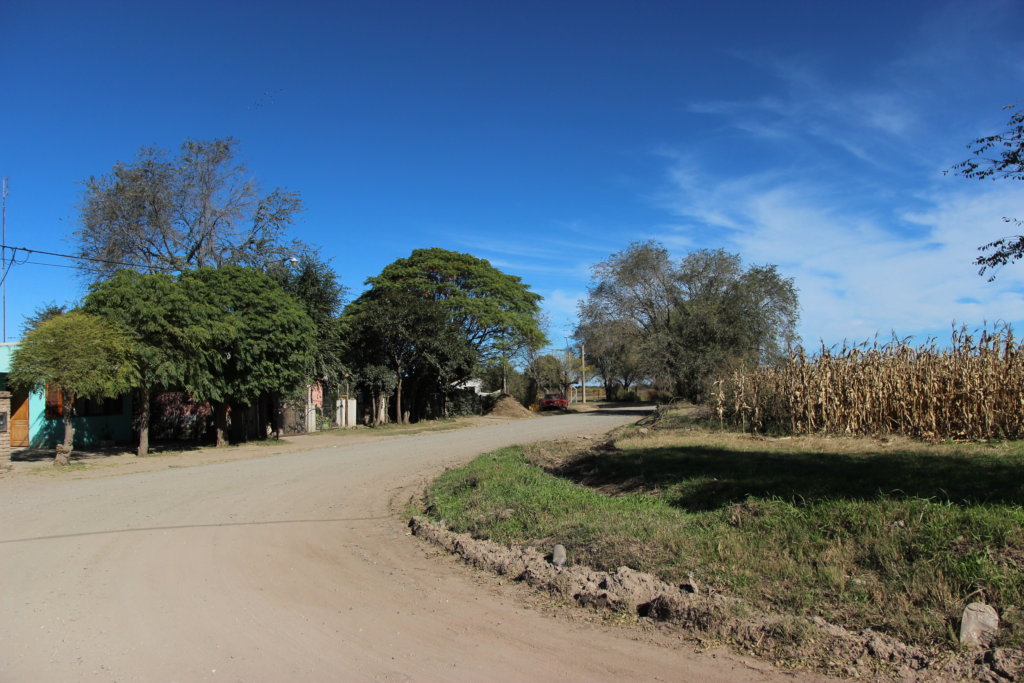
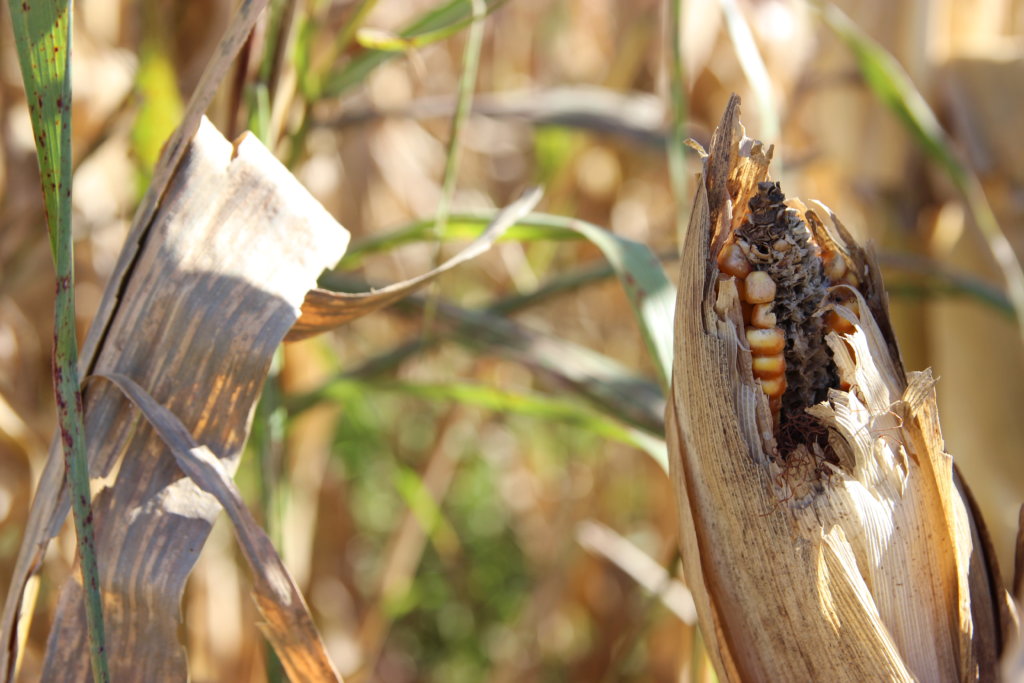
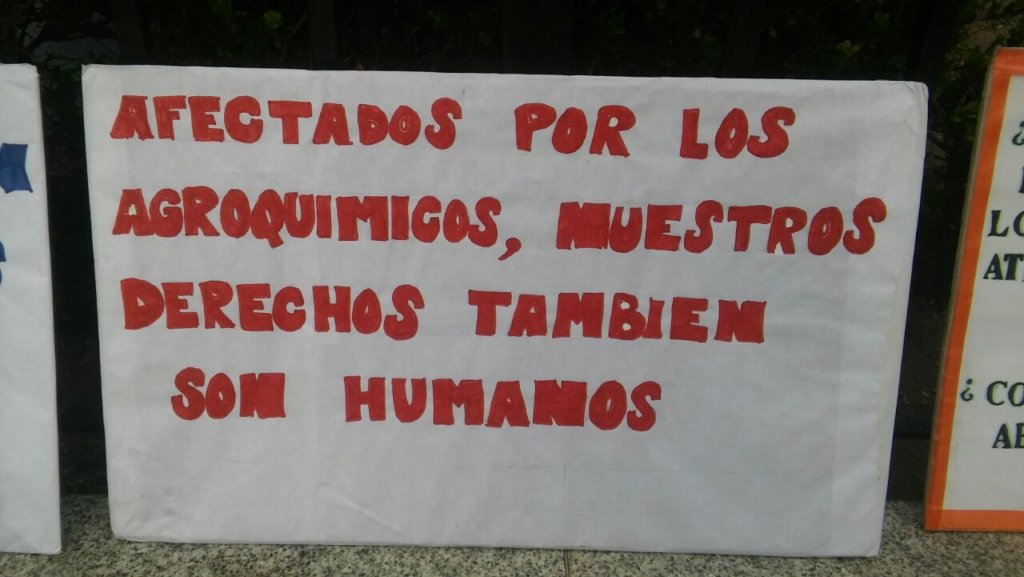
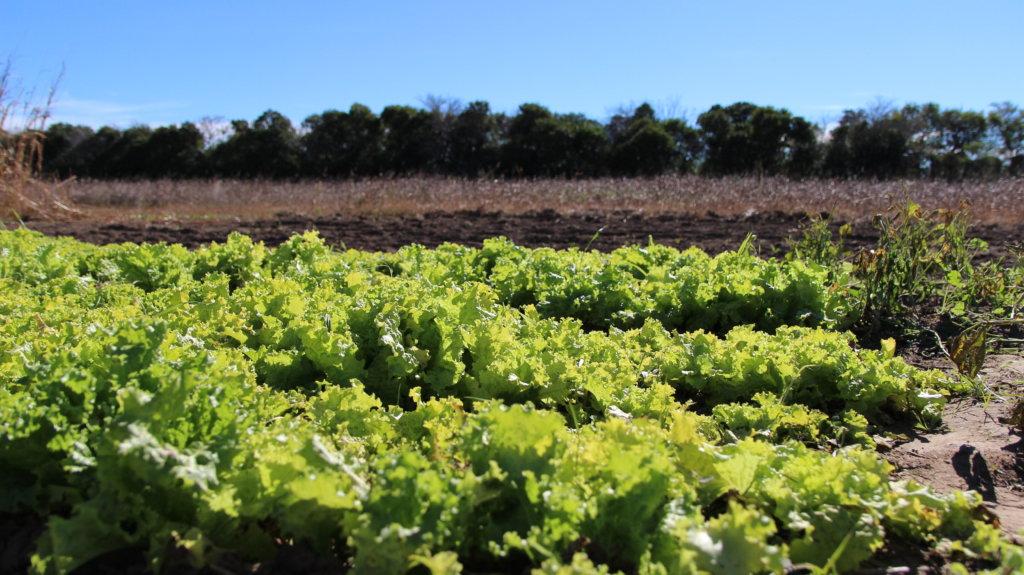
Argentina has developed a agro-exporter model, with agriculture and cattery are the economic basis of our country. Nevertheless, in the last decades, industrialization of agriculture has brought as consequence a non-controlled used of pesticides, which have undeniable impacts directly in life, health and environment.
Many provinces have addressed this problem with legislation on use and application of chemicals, creating “Environmental guard zones” (buffer zones). Moreover, many cities and towns all over the country have created their own legislations with high standards and distances longer that the ones imposed by the provincial’s legislations.
This normative variety and disparity requires to be solved through a national law with guiding principles and uniform criteria in the fixation of distances for chemicals and pesticides application near urban areas.
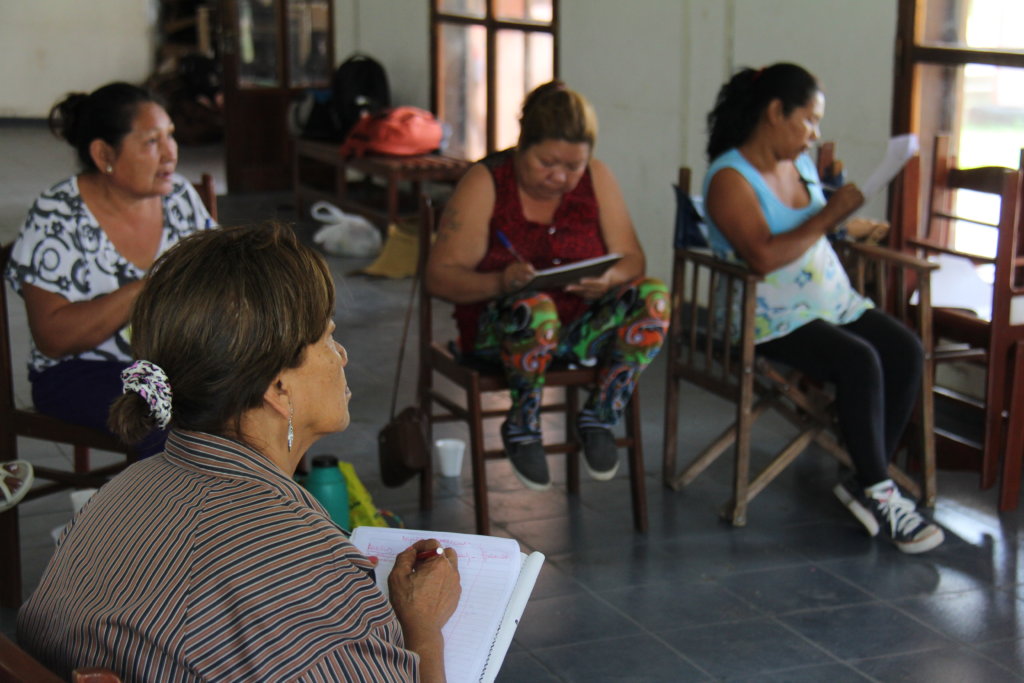
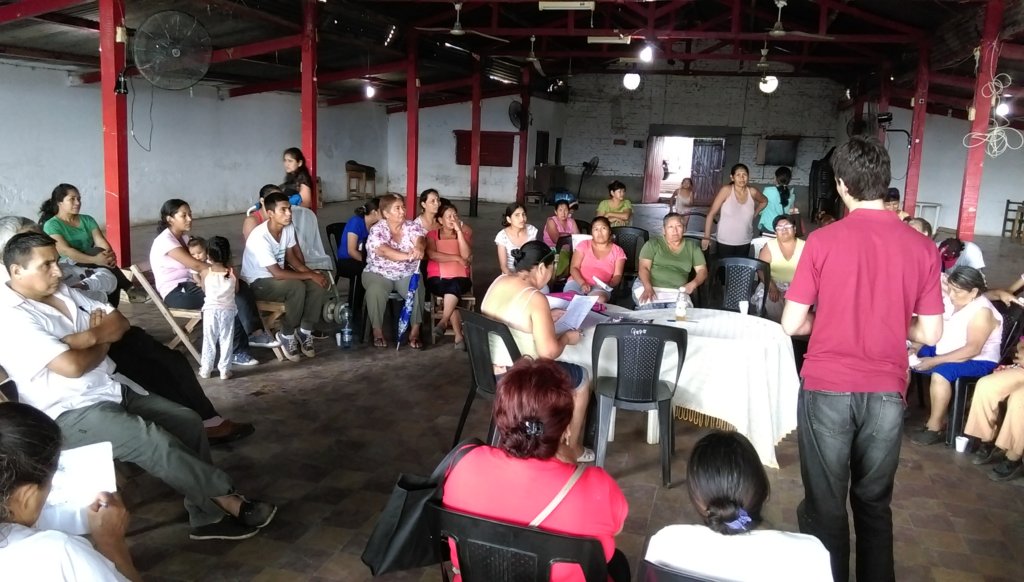
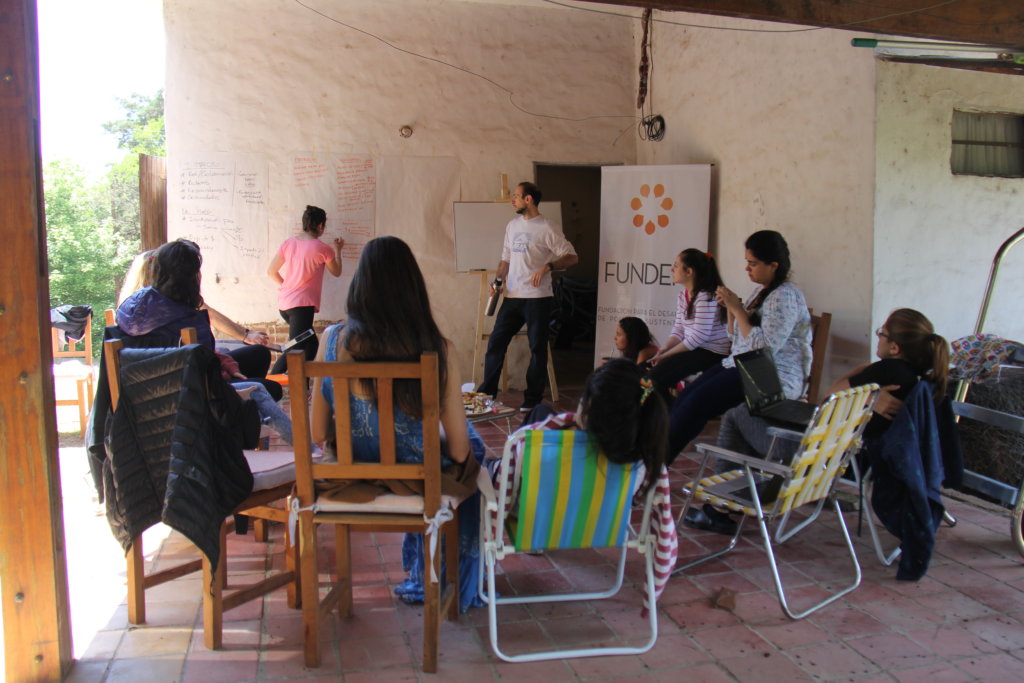
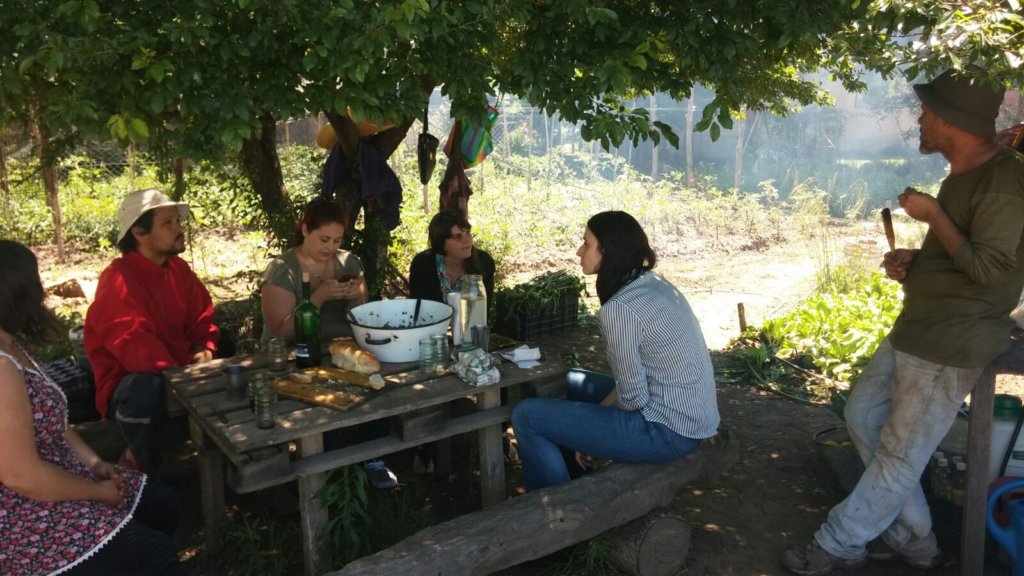
We studied this topic on the document titled “Minimum standards on agrochemicals. A pending account”, elaborated by the environmental team of FUNDEPS. In the document, we address legal basis and testimony cases, such as Monsanto and Monte Maiz, which show the need of a national law with minimum standards of environmental protection.
In the pesticides matter, the precautionary principle should apply to national environmental policy and we are advocating for that.
Links:
Project reports on GlobalGiving are posted directly to globalgiving.org by Project Leaders as they are completed, generally every 3-4 months. To protect the integrity of these documents, GlobalGiving does not alter them; therefore you may find some language or formatting issues.
If you donate to this project or have donated to this project, you can receive an email when this project posts a report. You can also subscribe for reports without donating.