By Shaif Ezzadeen | Project Manager
Monthly Performance ReportLocal Partner: SANID Organization for Relief and Development (SORD) – Nature Conservation SectorProject: Protecting the Arabian Leopard from Extinction in Yemen
Reporting Period: March 2026
Prepared by: Shaif Ezzaldeen, Project Manager
1. Project Information
Item Details
Project Title Protecting the Arabian Leopard from Extinction in Yemen
Project Location Yemen
Implementing Organization: SANID Organization for Relief and Development (SORD)
Project Duration: April 2026 – July 2026
Organization Address: Al-Habari, Shu’ub District, Sana’a, Yemen
Telephone: +967 1 231744
Report Prepared By: Shaif Ezzaldeen
Position: Project Manager
Website: https://sanid.org
2. Overview of the Status of the Arabian Leopard in Yemen
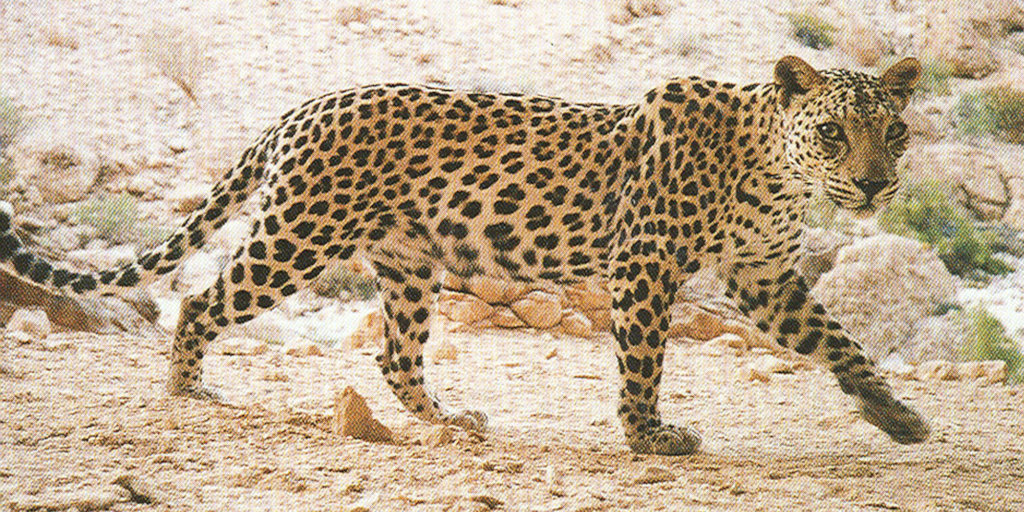
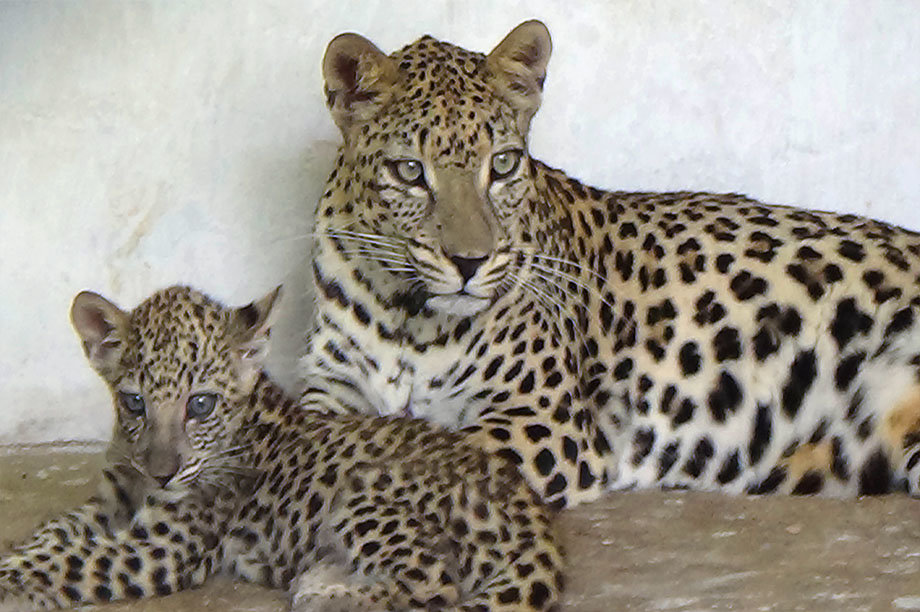
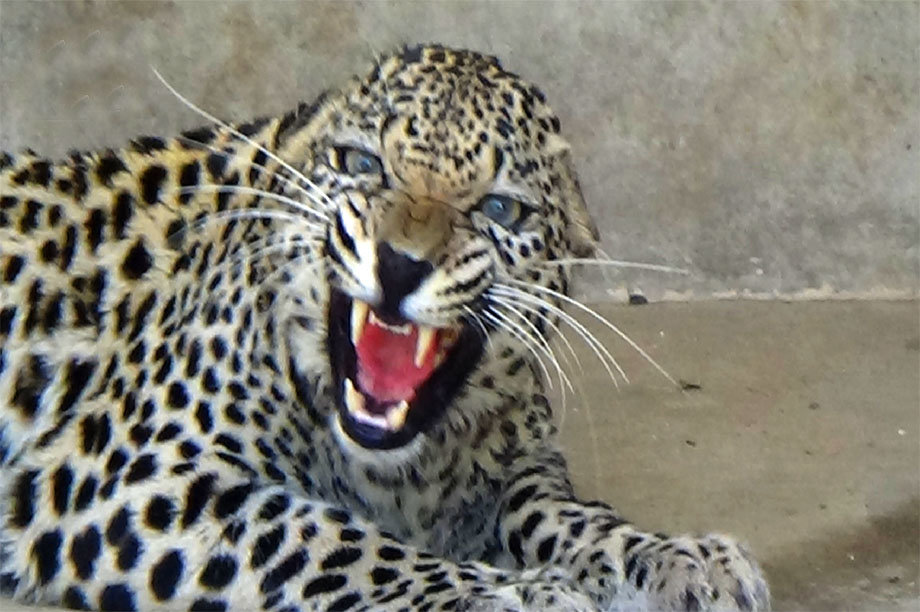
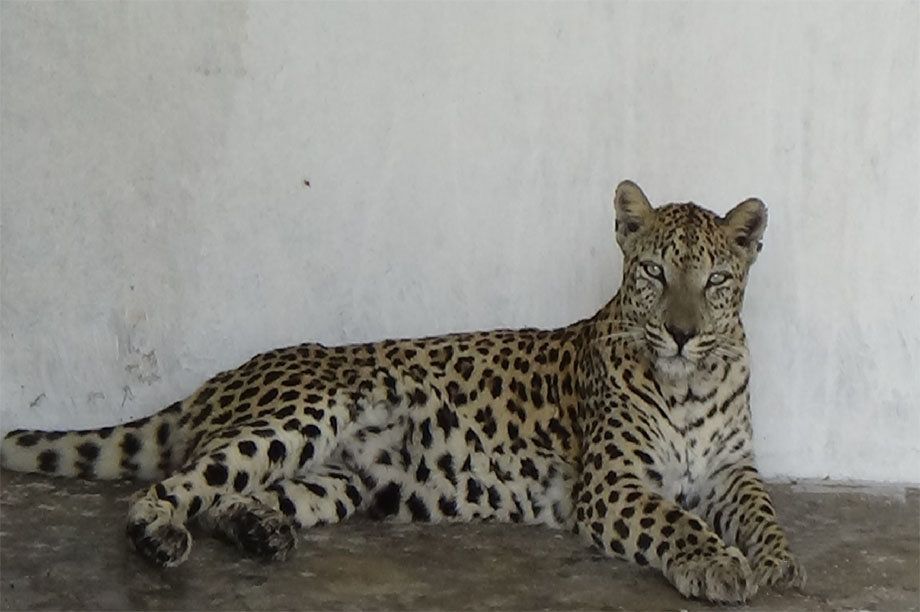
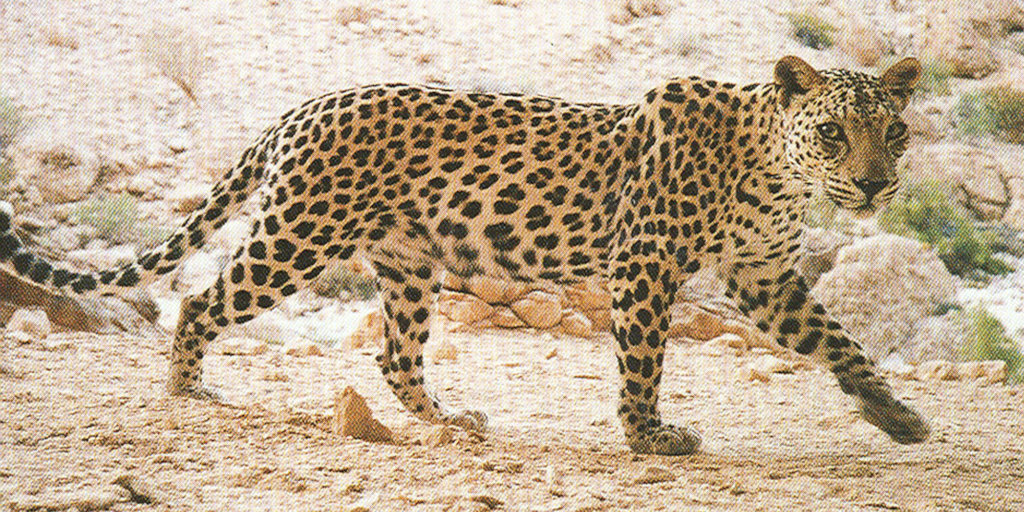
The Arabian leopard inhabits Yemen’s mountainous regions and has historically been considered one of the country’s most important native wildlife species. Due to its ecological significance, it has been recognized as Yemen’s national animal.
The species has been reported in several governorates, including Al-Mahrah, Al-Dhalea, Yafea, Abyan, Shabwah, Al-Bayda, Rada’a, Ibb, and the Bani Qais Protected Area in Hajjah Governorate.
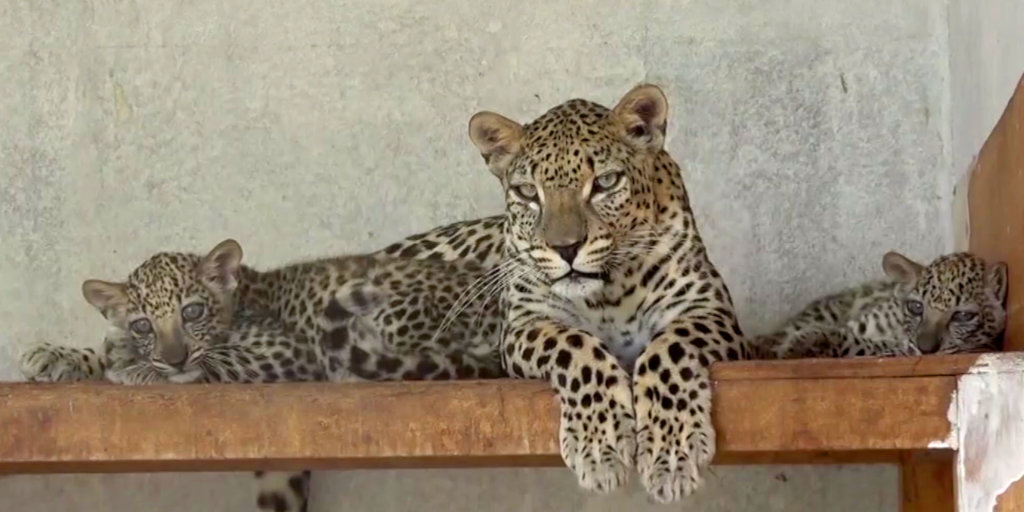
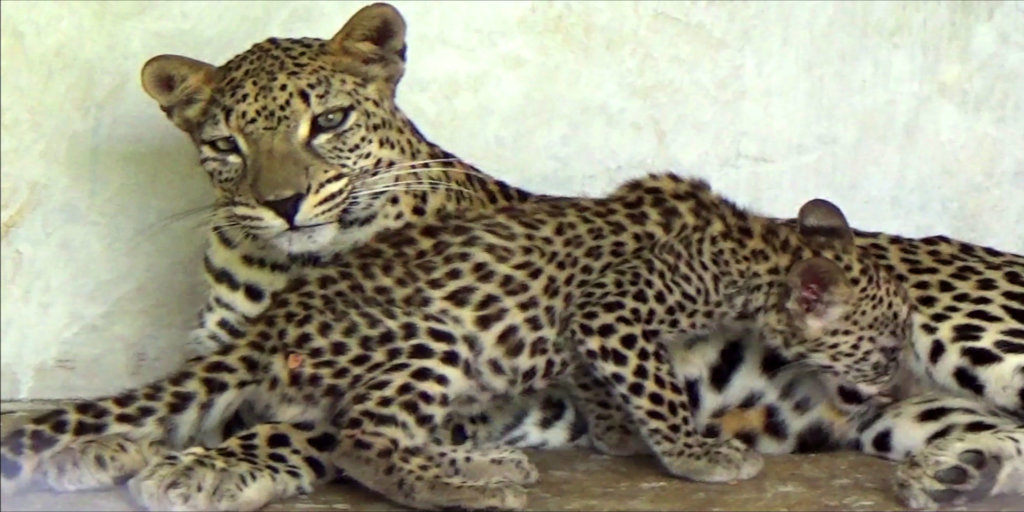
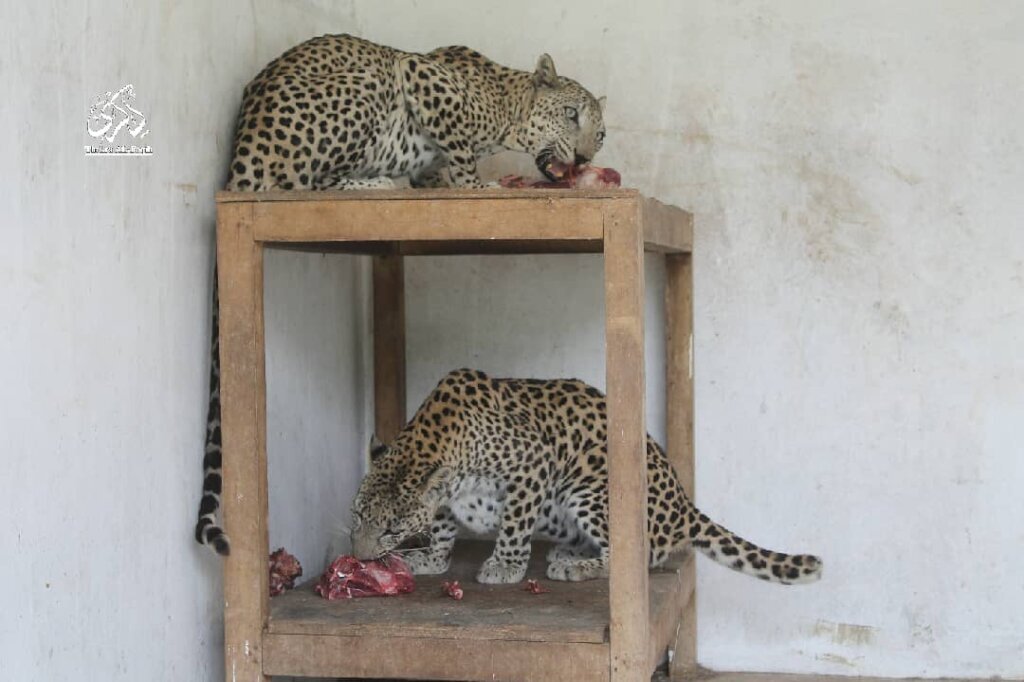
A limited number of Arabian leopards are also being maintained in zoological parks, including Sana’a Zoo, Ibb Zoo, and Taiz Zoo, as part of ongoing conservation efforts.
Recent observations have indicated the reappearance of the Arabian leopard in the Kor Al-Awaliq Mountains of Shabwah Governorate after an absence of nearly twenty years, providing a positive indication of the species’ continued presence in its natural habitat.
Despite these encouraging signs, the Arabian leopard remains critically threatened by retaliatory killings resulting from livestock predation, illegal hunting, habitat degradation, and limited public awareness regarding wildlife conservation.
In response, SANID’s Nature Conservation Sector continues to work closely with local communities, government authorities, and environmental stakeholders to strengthen conservation efforts, raise awareness, and promote the protection of this endangered species as an essential component of Yemen’s biodiversity and natural heritage.
3. Activities Implemented During March 2026
During the reporting period, SANID Organization (Nature Conservation Sector) implemented the following activities to support the protection and conservation of the Arabian leopard:
3.1 Community Awareness Sessions
Eight (8) awareness sessions were conducted, reaching a total of eighty (80) participants, including local authorities, community leaders, and environmental stakeholders. The sessions focused on the importance of protecting the Arabian leopard and reducing threats to its survival.
3.2 Training of Local Volunteers
Sixteen (16) local volunteers from targeted communities received training on wildlife monitoring, tracking techniques, incident reporting, and documentation of violations affecting the Arabian leopard in the most vulnerable areas.
3.3 Coordination Meetings with Relevant Stakeholders
Three (3) coordination meetings were held with representatives from the Environmental Protection Authority, legal advisors, and wildlife conservation specialists to strengthen partnerships and improve collaborative conservation efforts.
3.4 Awareness Campaigns Against Hunting and Illegal Trade
Community awareness activities were conducted in areas where Arabian leopards are present to discourage hunting, illegal trafficking, and retaliatory killings, while encouraging the reporting of threats and violations.
3.5 Educational Outreach Activities
Six (6) visits were conducted to schools, universities, and educational institutions to promote environmental awareness among students and encourage the protection of the Arabian leopard and Yemen’s biodiversity.
3.6 Engagement with Government Authorities
Two (2) meetings were organized with relevant government institutions to advocate for stronger protection measures and improved legal enforcement against crimes targeting endangered wildlife species.
3.7 Field Visits to Leopard Habitats
Field missions were undertaken to areas known for Arabian leopard presence. Meetings were held with local officials, and recommendations were presented regarding the establishment of wildlife monitoring and tracking centers to enhance conservation planning and data collection.
3.8 Support to Captive Arabian Leopards
Food and nutritional support were provided to Arabian leopards kept in selected zoological facilities under the supervision of veterinary professionals to ensure appropriate animal welfare standards.
3.9 Data Collection and Monitoring
The project team continued updating information related to the abundance and distribution of Arabian leopards and assessed conservation needs in newly identified habitats.
4. Challenges and Constraints
The project faced several challenges during the reporting period, including:
5. Recommendations
To strengthen conservation outcomes, the following recommendations are proposed:
End of Report
Project reports on GlobalGiving are posted directly to globalgiving.org by Project Leaders as they are completed, generally every 3-4 months. To protect the integrity of these documents, GlobalGiving does not alter them; therefore you may find some language or formatting issues.
If you donate to this project or have donated to this project, you can receive an email when this project posts a report. You can also subscribe for reports without donating.



Support this important cause by creating a personalized fundraising page.
Start a Fundraiser