By Jenna Bailey | Program Officer
Exciting new camera trap footage shows the result of decades of conservation efforts
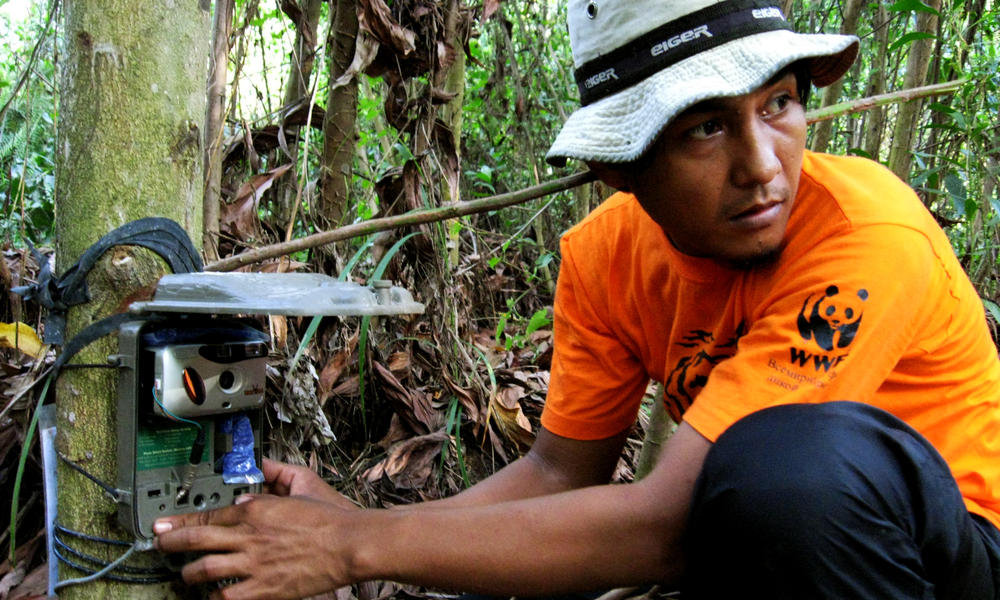
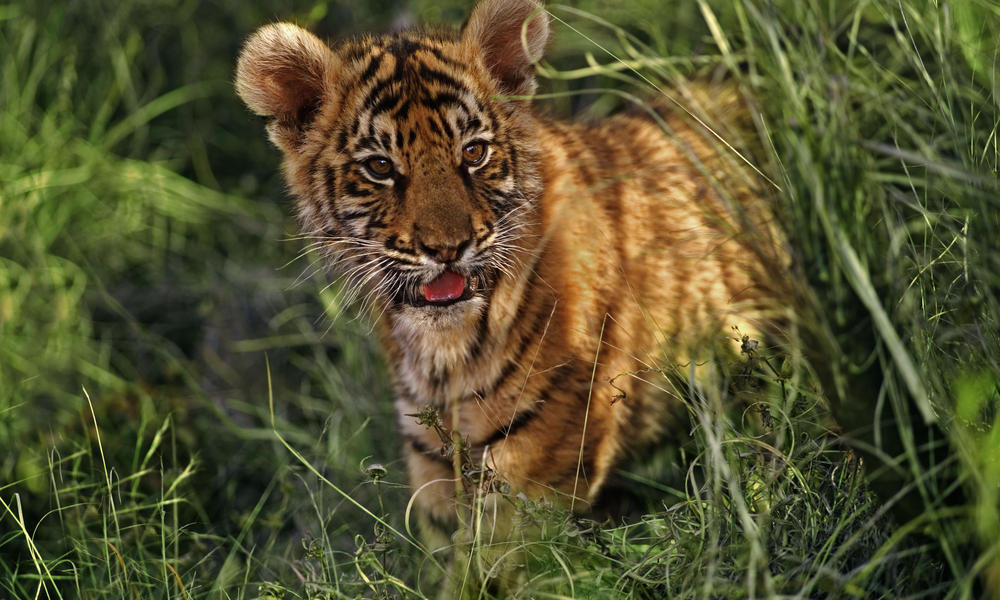
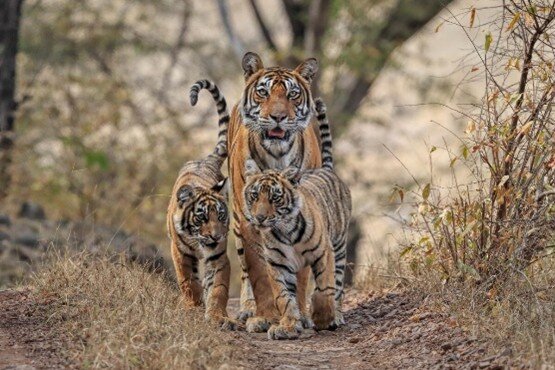
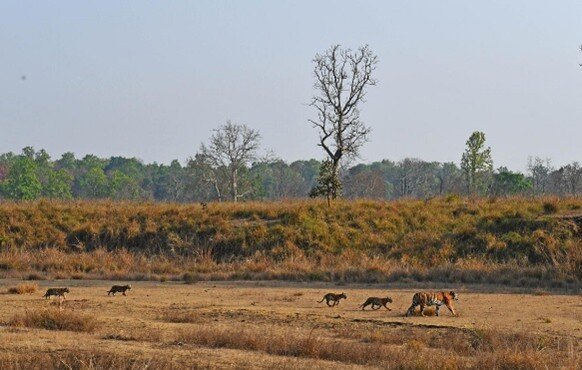
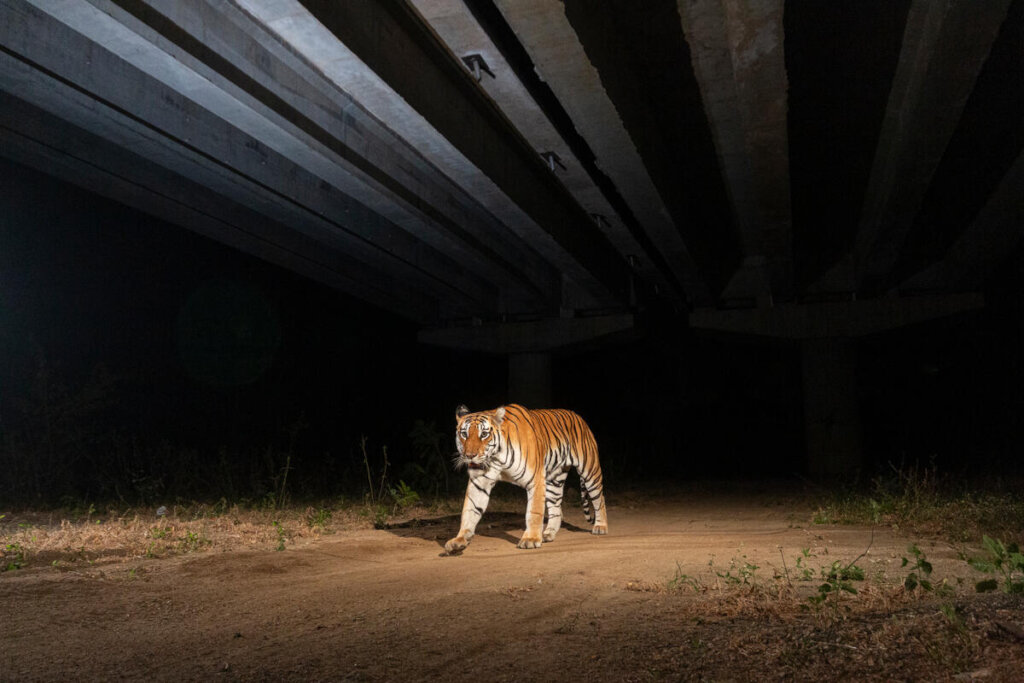
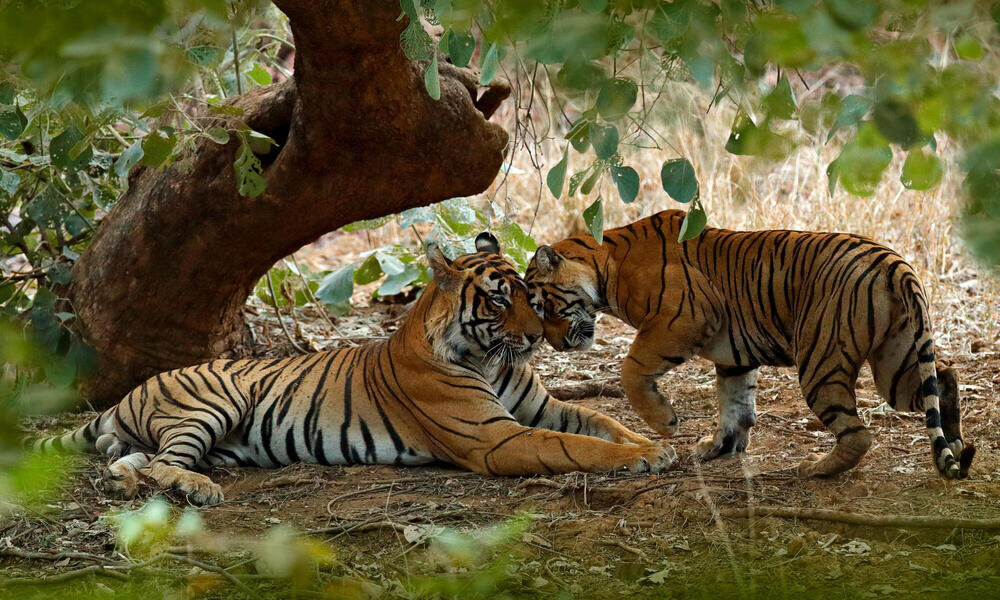
In a promising glimpse of progress, new camera trap footage from Thailand’s Dawna Tenasserim Landscape shows three playful tiger cubs trailing behind their mother, practicing their roars. This footage is the result of decades of wild tiger conservation efforts to reduce habitat loss, increase prey availability, and reduce poaching threats across Thailand.
These efforts are paying off. Thailand recently announced that its tiger population is increasing, making Thailand the first country in Southeast Asia to report a growing tiger population. Further increases in the nation’s wild tiger population could lead to tigers naturally dispersing to places they were once lost, not just in Thailand but possibly neighboring Laos, where wild tigers are extinct. And hopefully this success will inspire other countries in the region to continue investing in their tiger recovery efforts.
A critical turning point
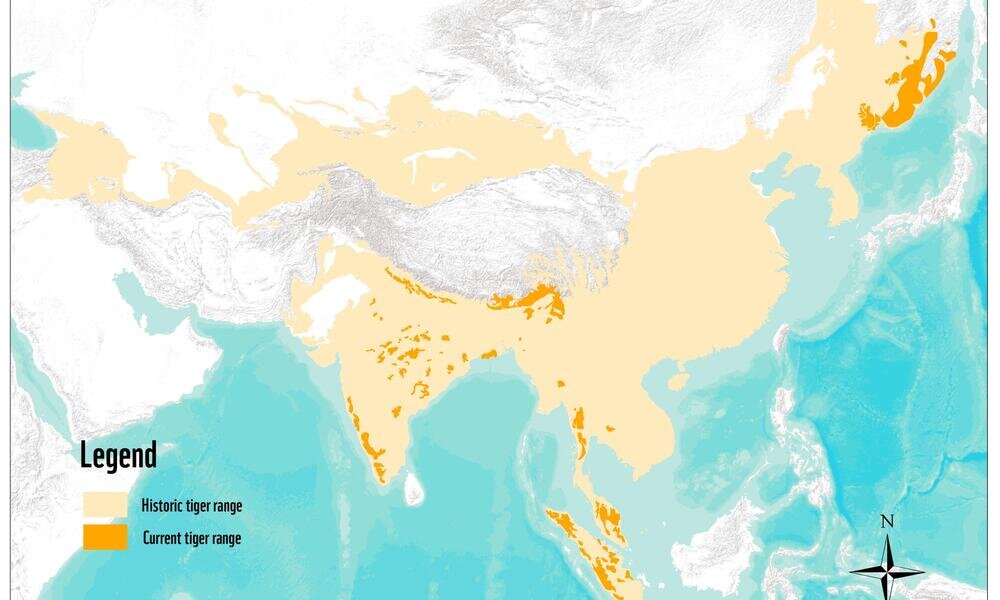
This progress is especially critical as wild tigers today occupy just 8% of their historic range. In Thailand, this habitat loss is compounded by low prey populations across the country due to historic levels of poaching. As a result, conservation efforts are working to restore key prey species like the Sambar deer, which are essential to supporting a healthy and growing tiger population.
These efforts across Thailand also support a broader global mission to double wild tiger numbers. By 2010, the wild tiger population had dropped to an all-time low, plummeting from 100,000 to as few as 3,200. In response, WWF partnered with 13 tiger range countries to launch TX2, an ambitious and collaborative initiative to double the wild tiger population. Thanks to the dedicated conservation efforts of TX2, tiger numbers are slowly increasing, with the Global Tiger Forum estimating approximately 5,574 tigers in the wild today. However, the threats of poaching, habitat loss, and human-wildlife conflict continue to loom large.
While this footage offers a moment of optimism, continued political support, strong community partners, and continued conservation efforts are needed to ensure these cubs, and all wild tigers, can thrive.
How you can help!
Thanks to supporters like you, WWF has made significant strides in tiger monitoring, habitat protection, anti-poaching efforts, and range expansion. But our work is far from over! You can join us by supporting this project and sharing it with your family, friends, and colleagues. Together, we can make a lasting impact and demonstrate that change is possible. Thank you!
Links:
By Jenna Bailey | Associate Program Officer
By Jenna Bailey | Associate Program Officer
Project reports on GlobalGiving are posted directly to globalgiving.org by Project Leaders as they are completed, generally every 3-4 months. To protect the integrity of these documents, GlobalGiving does not alter them; therefore you may find some language or formatting issues.
If you donate to this project or have donated to this project, you can receive an email when this project posts a report. You can also subscribe for reports without donating.



Support this important cause by creating a personalized fundraising page.
Start a Fundraiser