By Takako Sato | Project Manager for Japan Tiger and Elephant Fund
Until July, there had been no traffic accidents involving Iriomote wildcats, but fatal accidents involving kittens believed to be siblings, occurred on August 1 & 2nd. Both accidents occurred in very close proximity to each other, between Komi and Mihara. Even after the accident, an adult cat believed to be the mother, was frequently seen on the streets, so we carried out activities to raise awareness at the location for some time. Since then, the number of cats observed on the street has subsided, so we stopped issuing emergency warnings.
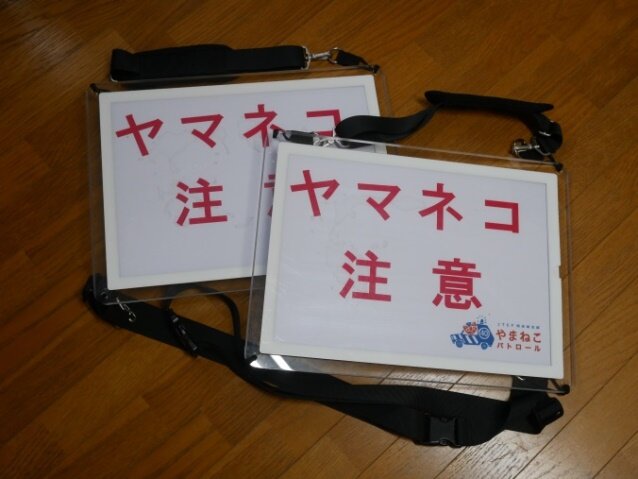
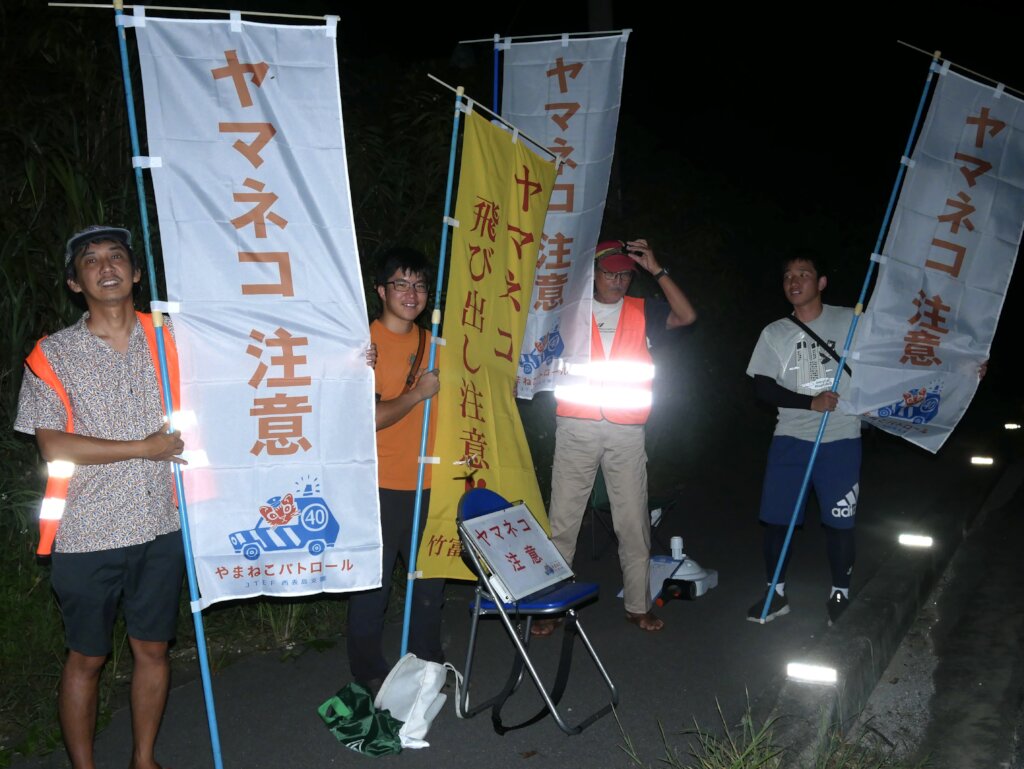
We have now installed luminous signs with LED lights and banners, and regularly issue warnings at areas where cat sightings are most common. The LED signboards are especially noticeable on the dark prefectural roads of Iriomote Island, and you can clearly see passing vehicles slowing down. Furthermore, we expect that communications from drivers who report sightings and that this will be highly effective in raising awareness amongst island goers.
Alarmingly, night time traffic volume is increasing year by year, according to the statistics gathered by our Night Patrol Surveys.
Strengthening night patrol activities in the western region
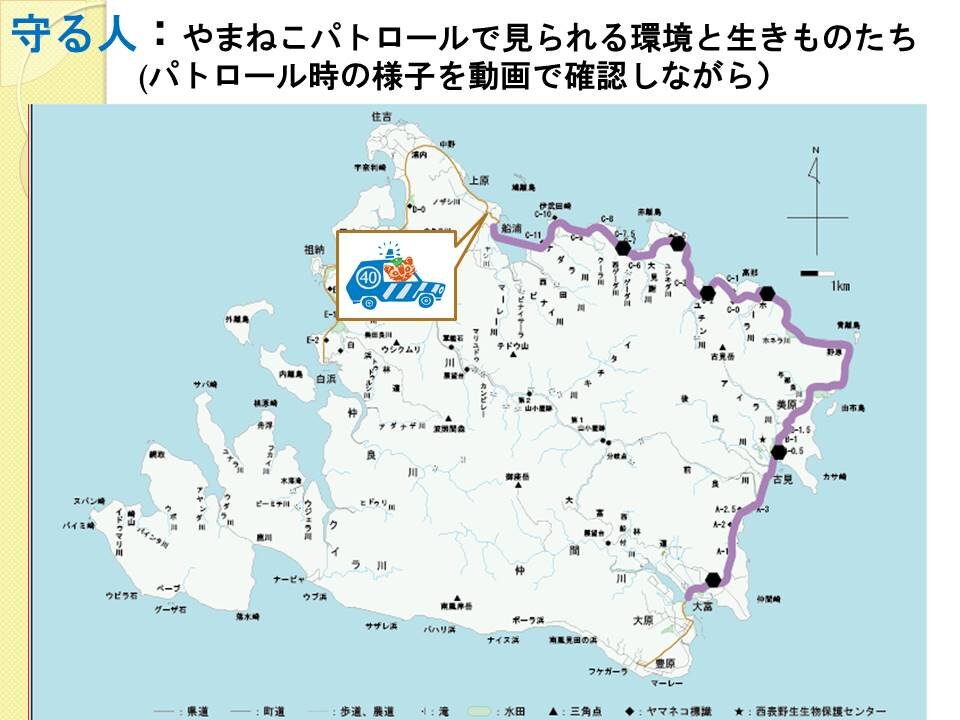
In recent years, we have strengthened patrol activities in the western region (from Funura to Uehara), where traffic accidents have been on the rise, and established a system that allows for consistent patrols. We will continue to recruit new patrol members to maintain our scheduled patrols.
2. Living with the Iriomote Cats Environmental Education Program
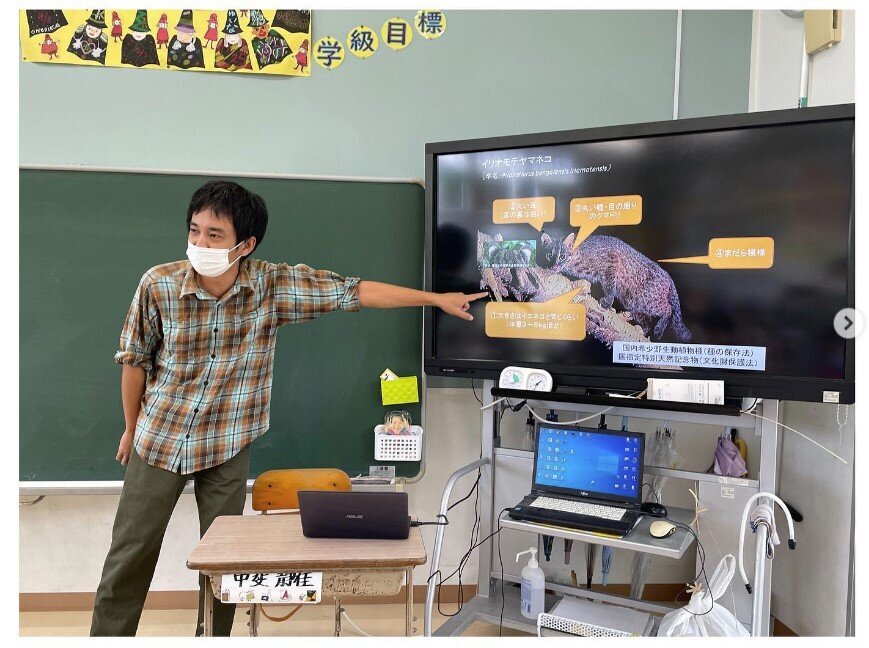
The 2022FY class on living with wildcats was successfully completed at Ohara Junior High School, and the first class was held at Iriomote Elementary School (IES).
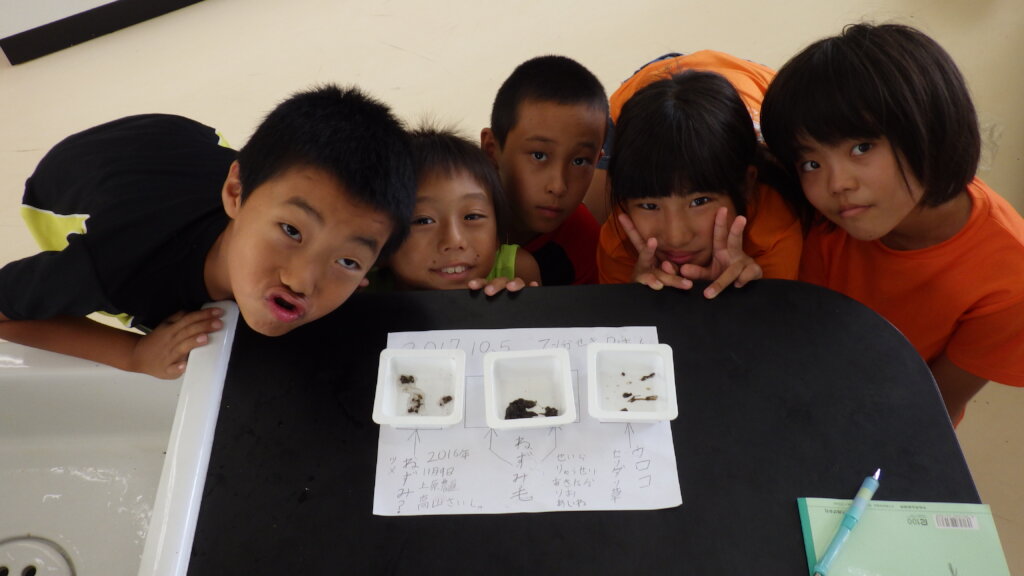
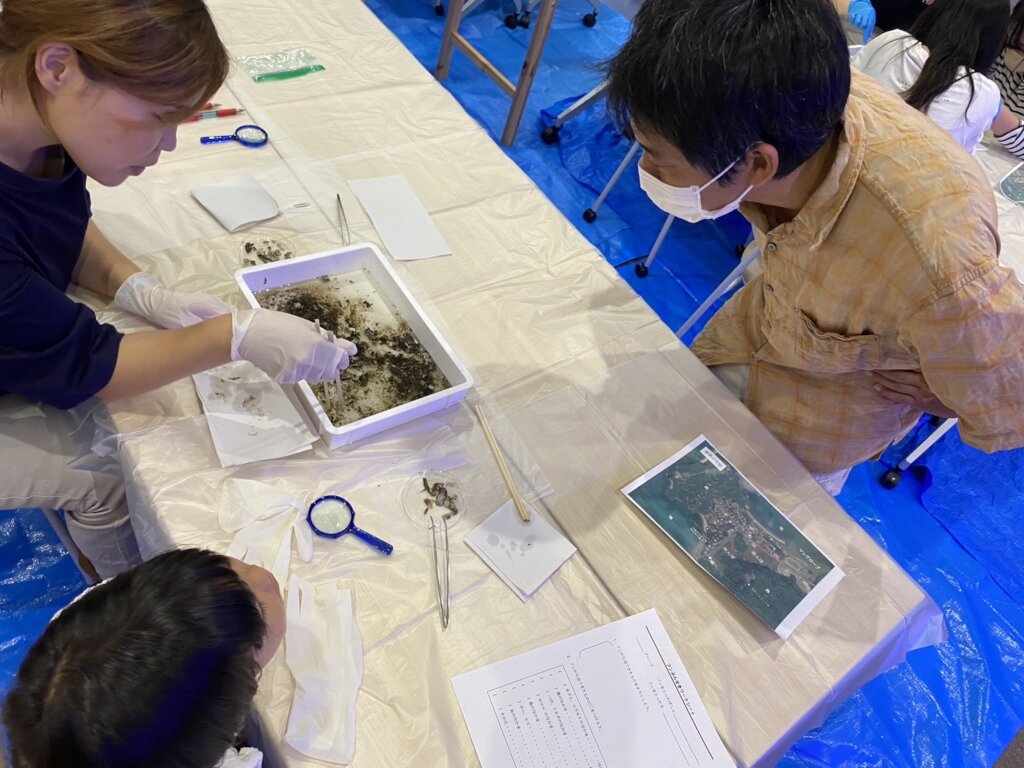
The Uehara Elementary School EE programs, which have become an annual event, will also continue as usual. The spread of infection of the new coronavirus has subsided, and we have resumed face-to-face classes. Field work in the Iriomote cat's habitat, scat analysis laboratories, and discussions about the observations using our local trail cameras have become standard class programs.
In addition, we were able to hold the "Learning about the Iriomote Cat: Field Training Session" co-sponsored with the Taketomi Town Board of Education, in-person, for the first time in three years.
April 15, "Iriomote Cat Day" is designated by the Taketomi Town Ordinance. Usually we have planned the event every year until now, but for 2023, it was hosted by the Taketomi Town Government. Mr. Takayama, the leader of the Yamaneko Chapter, provided explanations about the ecology of the Iriomote wildcat and also served as a lecturer for a scat analysis experience.
3. Prefectural Roads Maintenance to Increase Visibility
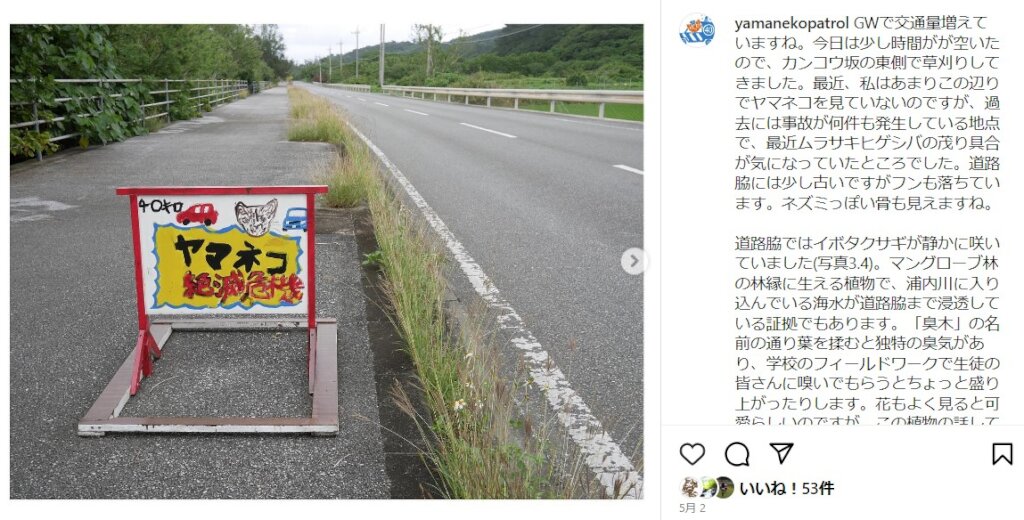
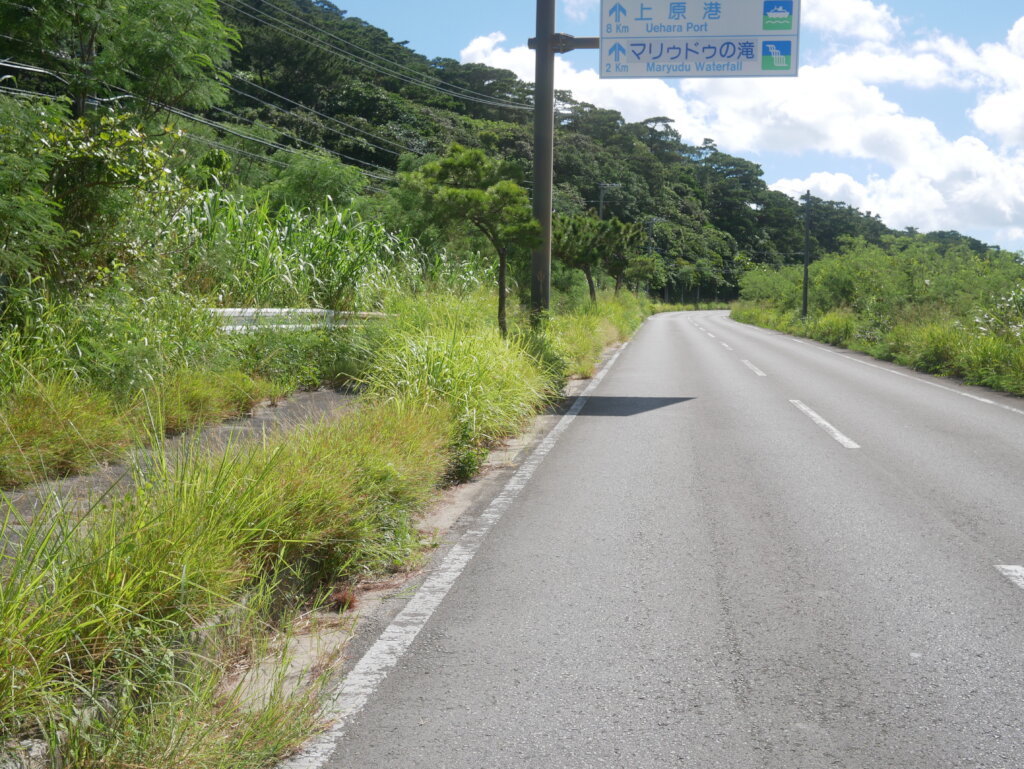
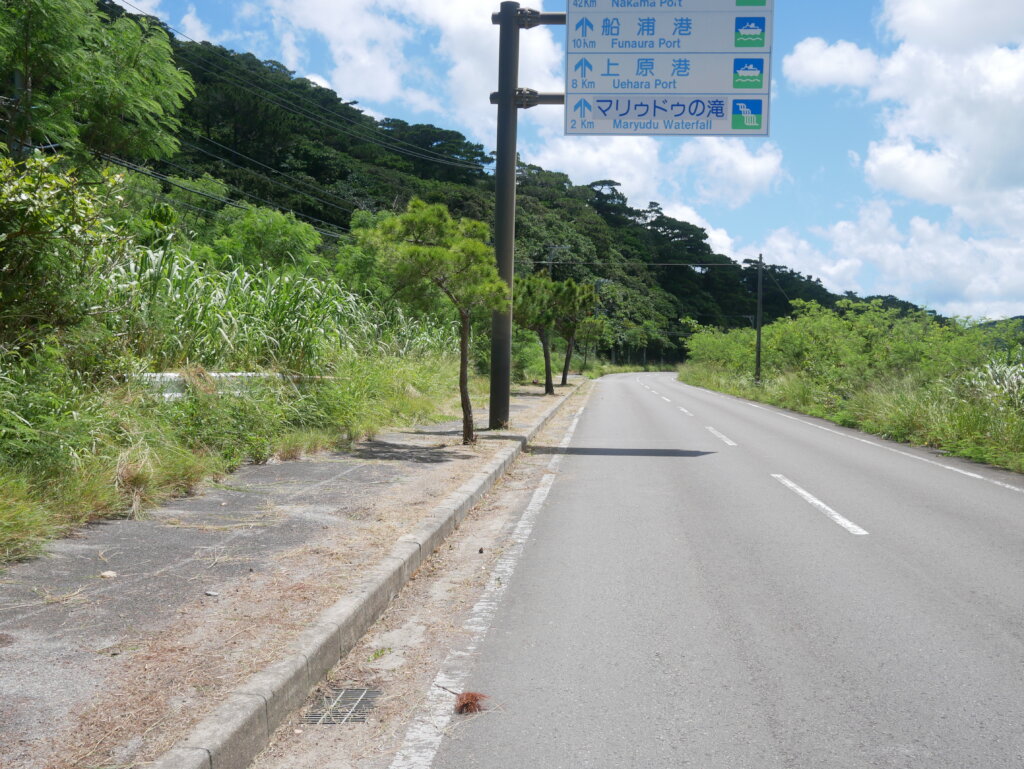
It is important to clear the weeds encroaching on the roadside so drivers have more time to react, if a cat or some other creatures jump out onto the road. We are working in specific areas where wildcat sightings occur most frequently, to reduce the weeds growing along the side of the roads. In addition to the regular maintenance of roadways conducted by the government, Yamaneko Patrol coordinates weeding work partnering with the Ministry of the Environment staff and park volunteers. It has become a regular practice, and this year we concentrated on the area between Urauchi Bridge and Hidedate, where there have been many sightings of wildcats and where the weeds tend to overgrow.
Links:
Project reports on GlobalGiving are posted directly to globalgiving.org by Project Leaders as they are completed, generally every 3-4 months. To protect the integrity of these documents, GlobalGiving does not alter them; therefore you may find some language or formatting issues.
If you donate to this project or have donated to this project, you can receive an email when this project posts a report. You can also subscribe for reports without donating.



Support this important cause by creating a personalized fundraising page.
Start a Fundraiser