By Evelind Schecter | Co-founder, Program Manager
Thank you for your continued support of our work to bring the benefits of biochar to smallholder farmers and the environment. Your donations support the work behind the scenes: training farmers, testing different agricultural wastes to determine the best methods for producing biochar, developing affordable technology, and building a network of people who can carry this work forward.
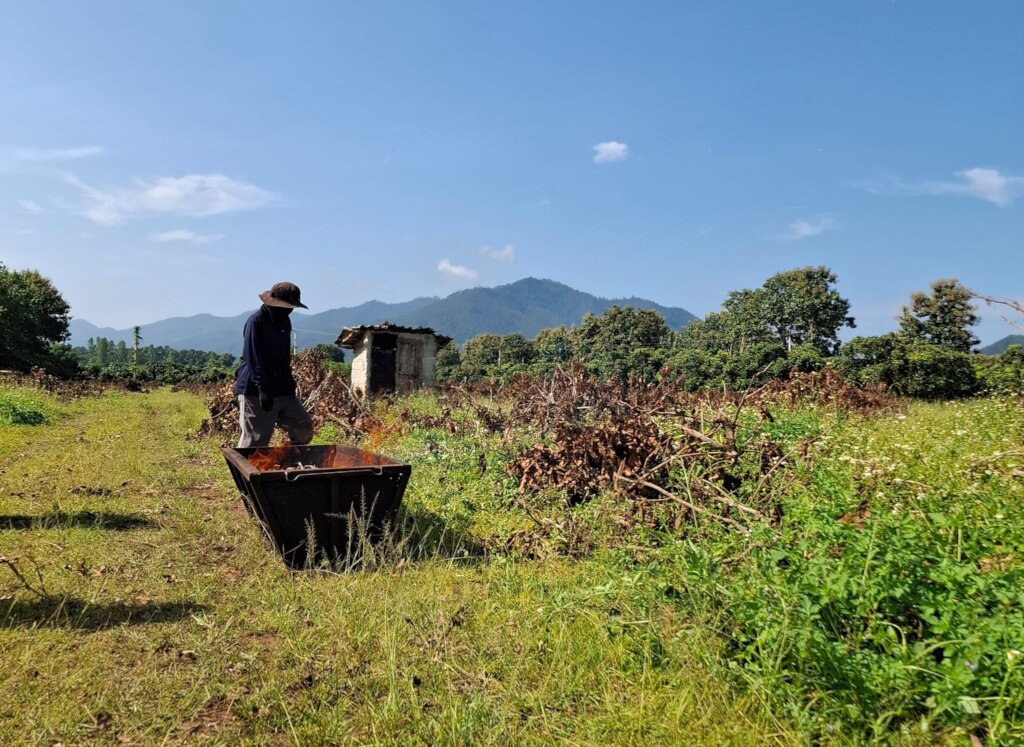
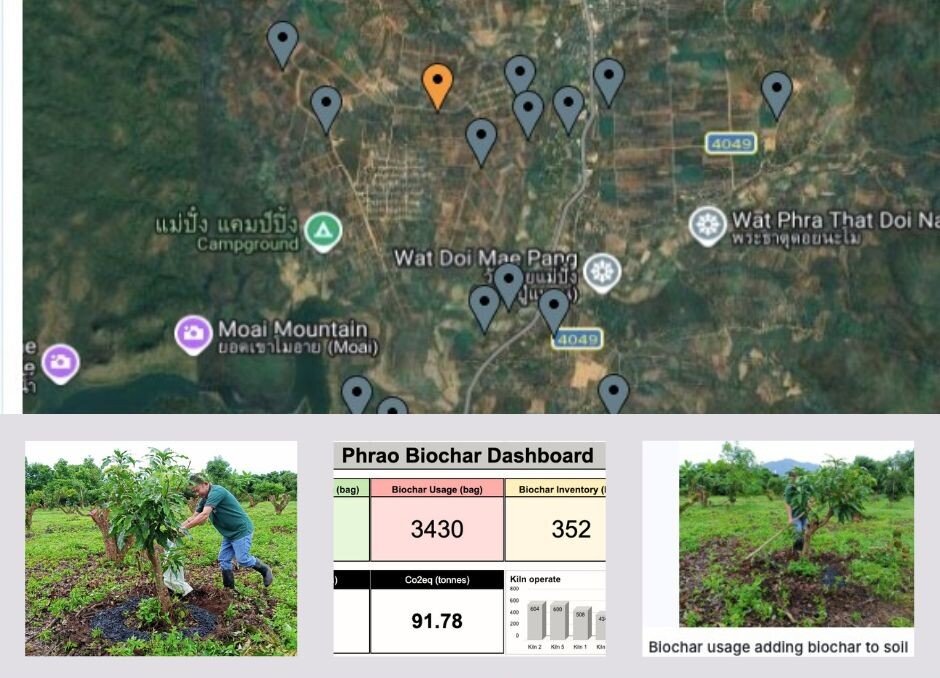
We continue to produce and use biochar on farms in our home district of Phrao, converting orchard tree waste into a valuable soil amendment rather than burning it in the fields. We have also developed a digital Monitoring, Reporting, and Verification (dMRV) system that allows us to remotely track where biochar is produced and applied. This helps us document production and use as we expand the program.
Finding the Right Technology for Farmers
One lesson from our years of testing different methods of making biochar is that there is no single solution for every farmer or every type of agricultural waste.
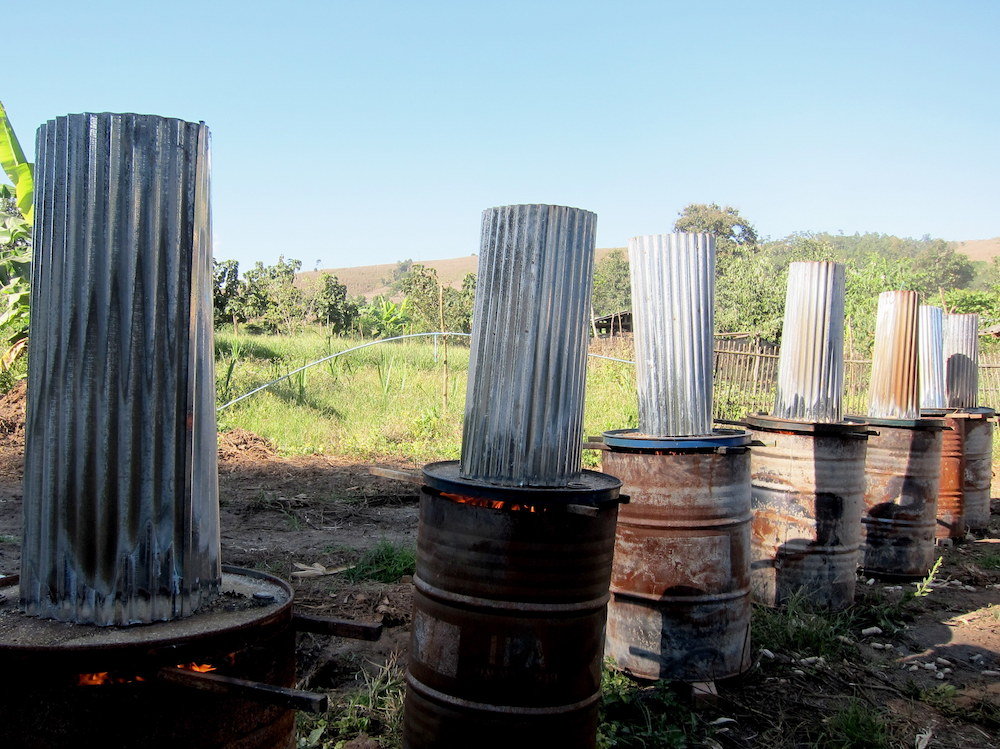
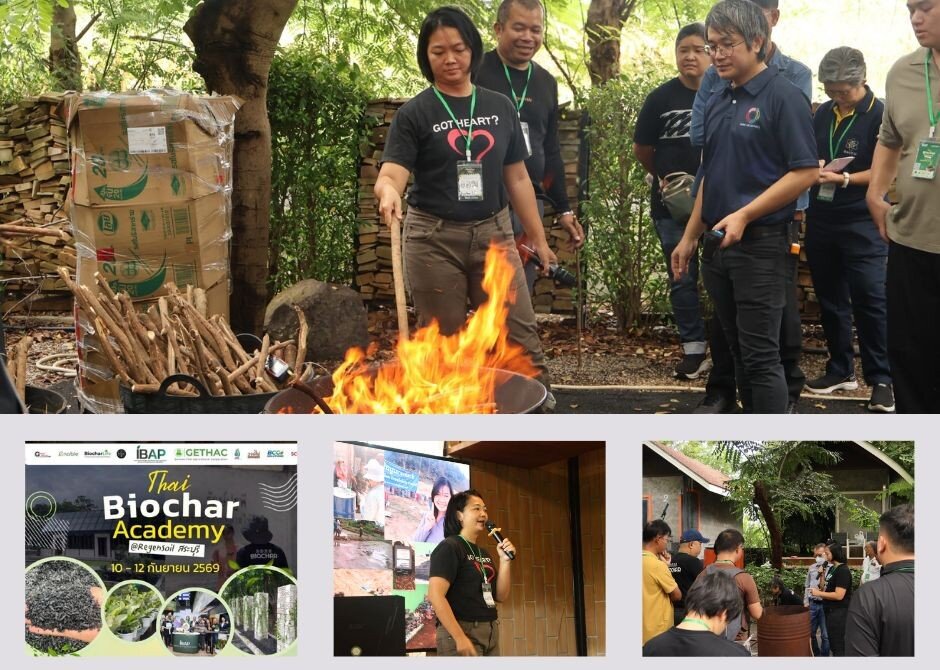
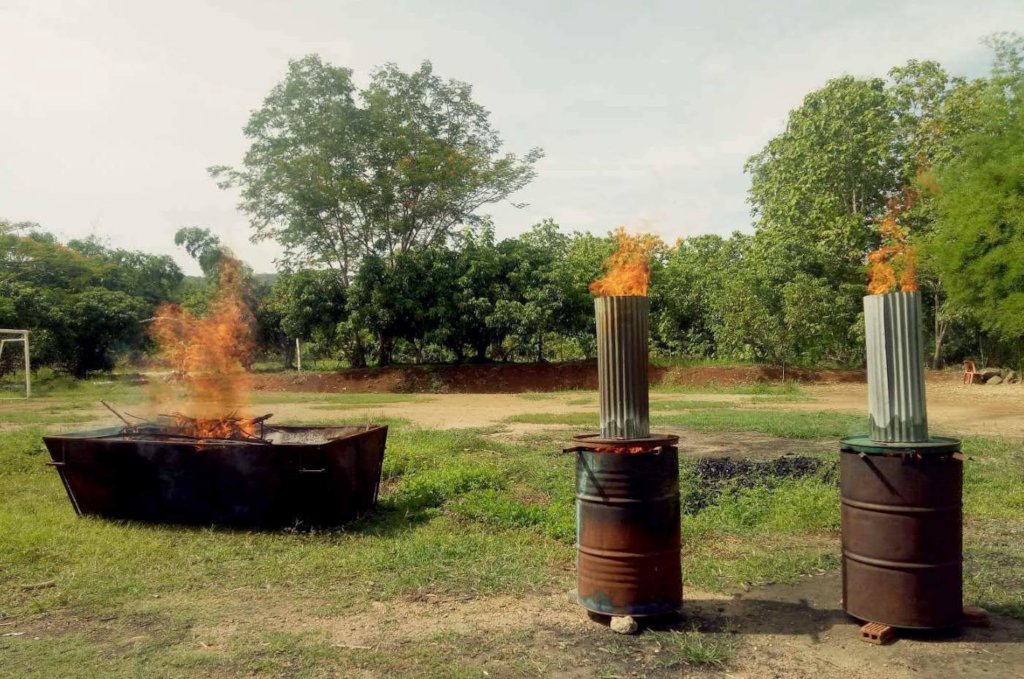
On August 8, Aom, our biochar technical specialist, participated in a workshop organized by the National Metal and Materials Technology Center (MTEC) and Sing Buri Province. The workshop compared five types of biochar kilns, including Aom's enclosed kiln design, using four different feedstocks: rice straw, wood scraps, chipped longan branches, and eucalyptus.
These comparisons are important. Farmers need equipment that works with the agricultural waste they have available, is affordable, and produces good-quality biochar with low emissions. MTEC provides the scientific testing facilities needed to evaluate biochar quality and emissions from different kilns.
Growing a Community of Biochar Practitioners
We are also part of a growing network of researchers, businesses, government agencies, and nonprofits working to advance biochar in Thailand.
The International Biochar Asia Pacific Trade Association (IBAP), established last year, brings together people working on the science, production, and practical applications of biochar. The German-Thai Agricultural Cooperation project (GETHAC) is another important partner, helping connect farmers, researchers, and technology providers to promote more sustainable agriculture.
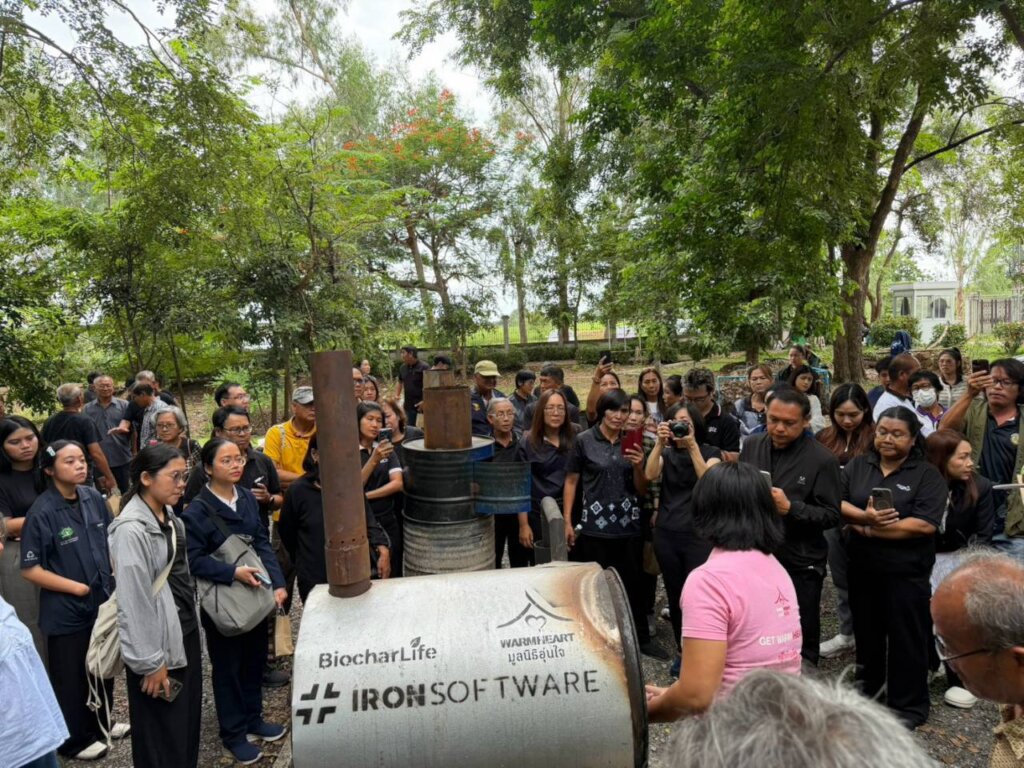
This quarter, Aom was an instructor at the Thai Biochar Academy 2026, hosted by IBAP and GETHAC. Warm Heart provided hands-on demonstrations of biochar production using different kilns. Other sessions covered how to enrich biochar with nutrients and beneficial microorganisms before applying it to soil. Biochar Life shared its experience developing community biochar projects and connecting farmers to the carbon credit market.
These gatherings bring together people who might otherwise be working independently. We share what we have learned from years of working with smallholder farmers, while learning from researchers and other producers.
Our goal remains practical: help farmers turn agricultural waste into something valuable, improve their soil and reduce fertilizer costs, and eliminate the harmful smoke from open-field burning.
Thank you for helping us continue this work, from the farms in Phrao to training programs and research partnerships across Thailand and the world.
With gratitude,
Dana, Michael, Evelind, and the Warm Heart Biochar Team
Links:
Project reports on GlobalGiving are posted directly to globalgiving.org by Project Leaders as they are completed, generally every 3-4 months. To protect the integrity of these documents, GlobalGiving does not alter them; therefore you may find some language or formatting issues.
If you donate to this project or have donated to this project, you can receive an email when this project posts a report. You can also subscribe for reports without donating.


Support this important cause by creating a personalized fundraising page.
Start a Fundraiser