By Graciela Visoso | Project Leader
Proeducación is currently assisting 112 public schools in 9 states in Mexico, by benefiting more than 31,539 persons (25,912 children, 1,396 teachers and 4,231 parents).
Our goal is to contribute so that:
Our Mission is to contribute to improve the quality of the education received by children in public primary schools in Mexico, through an integral growth of the whole school community.
Our Vision: To have an intervention model, replicable and secalable, that strengthens the whole school community in public primary schools in Mexico.
We started 2024 assisting 109 public elementary schools and with 4 new middle schools in the State of Mexico. Our Gender Equity Program is implemented through our Human Development Line of Action in all 112 schools, but with special emphasis in our Middle Schools.
Our Human Development Line of Action has the following main objectives, where Gender Equity is an essential part of all our programs. These General Objectives are:
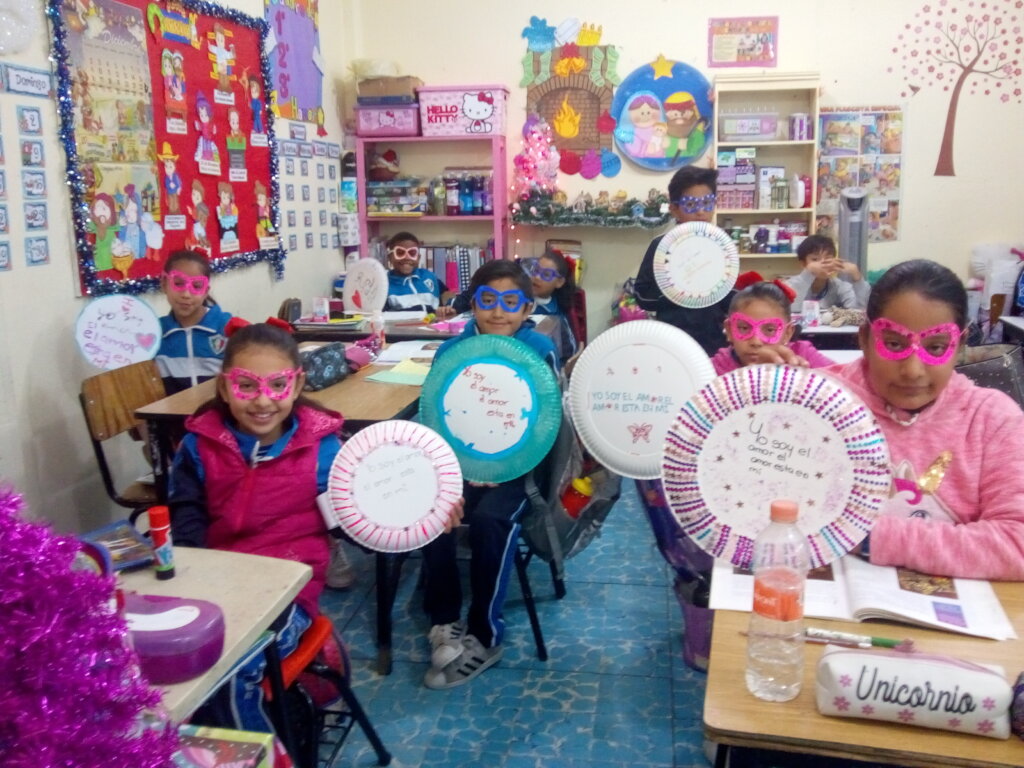
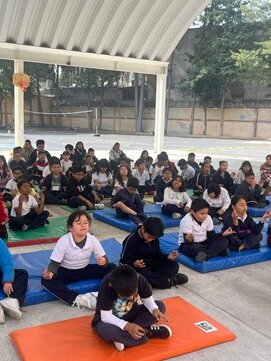
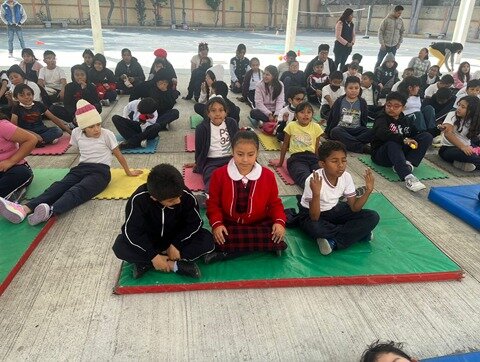
Within these General Objectives there are specific programs imparted by experts in each one of our schools. Each program has a gender equity guideline where we promote equal opportunities, equal participation, equal future expectations and equal free speech between boys and girls. We promote the values of inclusion, empathy and respect.
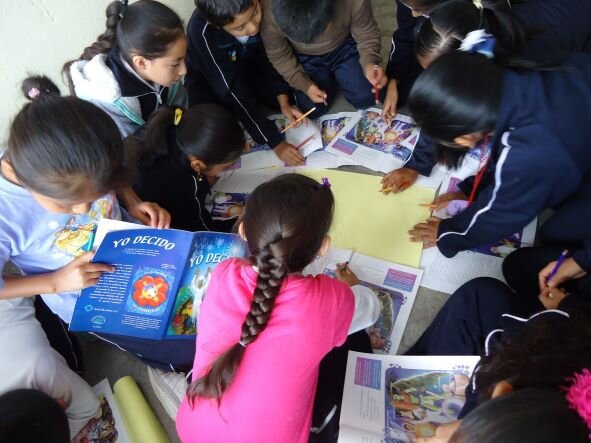
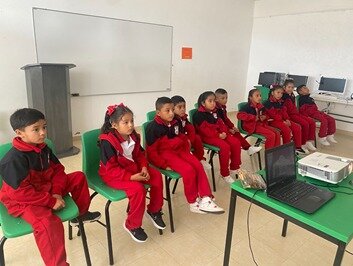
The Programs, among others that we impart in this Gender Equity Project are: "Siguele" or "Go On" Program for school permanence and the inner discovery of their future goals, expecting them to continue their studies based on the assesment of their abilities. "Yo Decido" or "I Decide" Program, which is a substance and violence prevention program where we stimulate self respect and confidence. And the "Digital Dome" Program which is a prevention program, where we teach students the effects of substance abuse on their brains through the installation of a Digital Dome where they can walk into a giant brain and see the effects of substance abuse.
We can see the results on our annual evaluation or assesment in the months of june and july. After we review the results in each school we share these results with the school principal and we plan our programs and projects for the next school year based on these results.
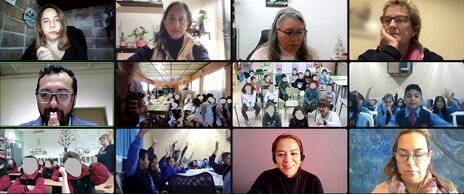
A main element of our intervention model is the assessment. This assessment has been designed with the support of our external valuators for a continuous improvement. At the end of each school cycle, our campus personal implements questionaries to a broad sample of students, teachers, principals, and parents; results are analyzed and informs are generated, allowing to identify results of our actions in schools so that we may correct and obtain better results. With all the information that is gathered, informs that are generated are shared not only with the schools for their planning and for improvement plans but also with our benefactors for accountability.
Attributes and indicators
During our process of evaluating results, we shall take into account that when we built our Integral School Model (ISM), we defined the attributes that describe how is it that we would like the different components of a school to look. This eventually allows us to say that any such school has achieved to educate with quality:
In terms of these attributes, we create indicators and instruments that we apply yearly to a representative sample of the school subjects. Subsequently we compare results to quantify advances, achievements, and challenges. Informs on each school are prepared during the months of July and August.
We accompany each school for an initial 4 to 6 year period, where we can truly contribute to improve the quality of education for children in Mexico and at the end of this period we can see the physical and academic changes in each school. After this initial phase, we continue to accompany each school at a distance but always nearby.Our accompainment or implementing phases are:
Implementing Stages.
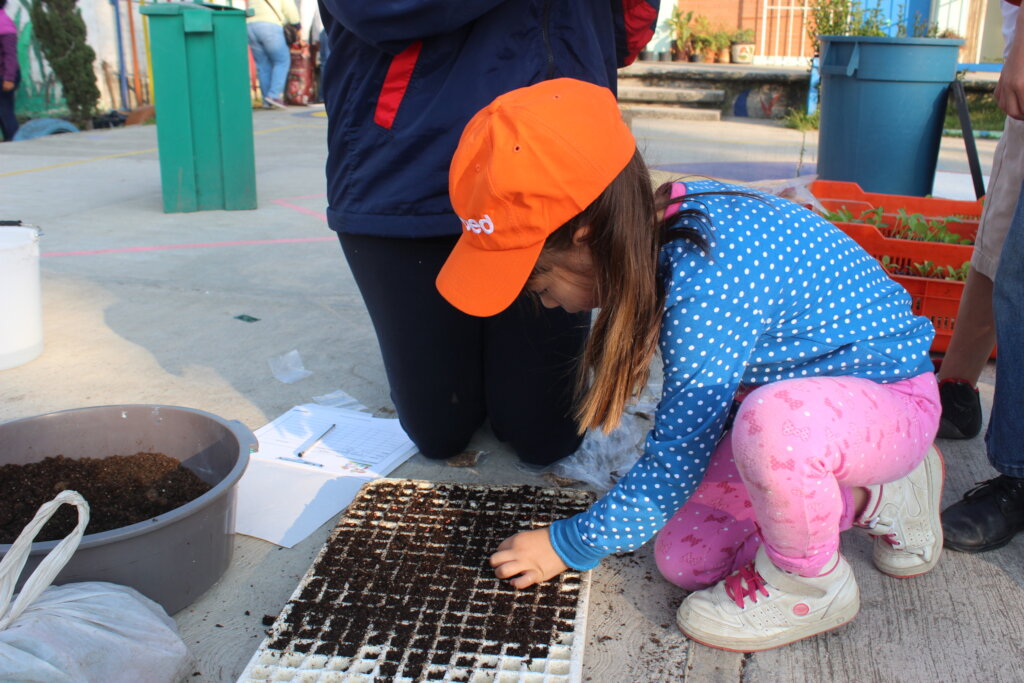
1. Let’s learn together. Our model starts with a strengthening stage during 4 to 6 school cycles in which, by means of a close accompaniment, we offer courses and in-site workshops for the whole school community. We promote participating processes such as the School Council for Social Participation, and we create and build learning spaces as the school library and media room.
2. Let’s make it together. Schools continue with this consolidation stage during 1 to 3 school cycles. By means of a moderate accompaniment in schools, we offer leadership and managing assessment to school principals and teachers. Also, by accompanying participation committees, by updating teaching through site calls, and by training members of the school community, we seek to repeat and continue with the seven action guidelines.
3. Schools network. More than an implementation, it is a proposal for continuity in which schools are invited to keep up in a continuous process for improvements. We offer virtual and physical spaces so that schools may share experiences, may access resources, and may continue their strengthening.
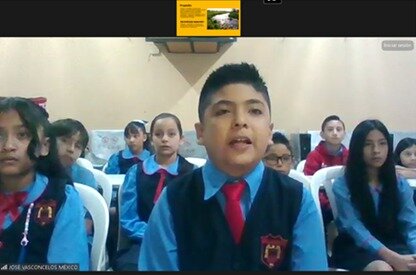
As I mentioned before this 2024 we are starting with the let´s learn together phase with 4 middle schools in the State Of Mexico, where we will continue to promote Gender Equity in all of our programs.
Links:
Project reports on GlobalGiving are posted directly to globalgiving.org by Project Leaders as they are completed, generally every 3-4 months. To protect the integrity of these documents, GlobalGiving does not alter them; therefore you may find some language or formatting issues.
If you donate to this project or have donated to this project, you can receive an email when this project posts a report. You can also subscribe for reports without donating.



Support this important cause by creating a personalized fundraising page.
Start a Fundraiser