By Chi | volunteer
As 2026 comes to a close, I've been busy as usual caring for sick and weak stray cats. Here are two stories I want to share:
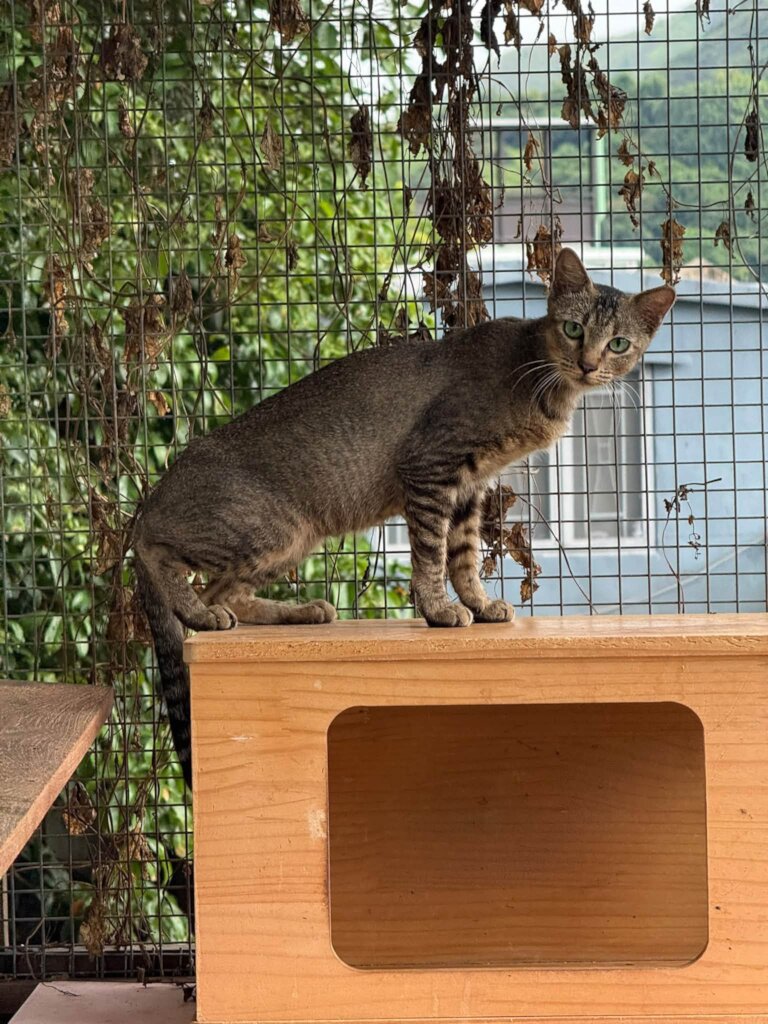
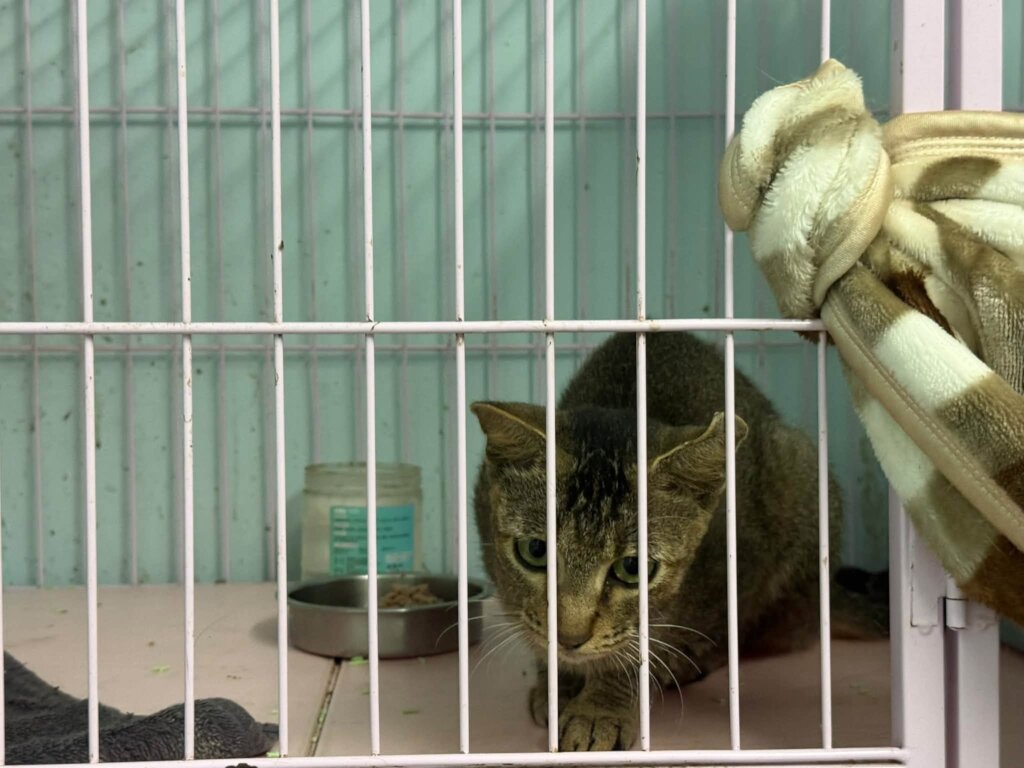
Rescue Cat at the Temple
In late September, a temple monk asked for help with a very thin stray cat and her four kittens up on a mountain, accessible only by private car. Due to different communication styles and backgrounds, it took some effort before we successfully caught the mother cat. They claimed the kittens were nearly 50 days old, but it turned out they had only been seen half a month prior.
Upon checking the mother cat, her belly was flattened with no trace of lactation—she clearly lacked milk and nutrition. I told them, "If you had reached out earlier, we could have rescued the kittens together." Everyone was anxious, but as volunteers, nobody cares about our feelings. It's as if we are expected to stand by 24/7 to solve problems, even when we are grieving the loss of our own beloved cats to cancer, with hardly a moment to cry.
I told the monk, "If everything could be easily controlled, humans wouldn't experience suffering. "Once the mother cat is fattened up, we'll arrange her spaying. As for whether she’ll be put up for adoption or returned, our cattery is completely overflowing. If there's truly no other way, we may have to return her to the temple.
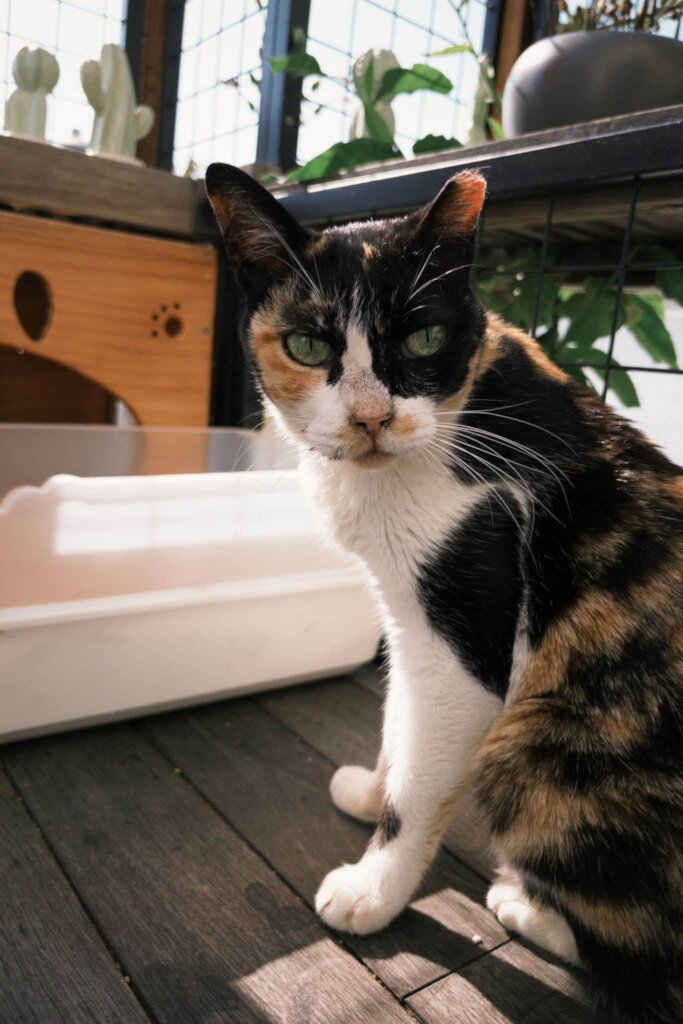
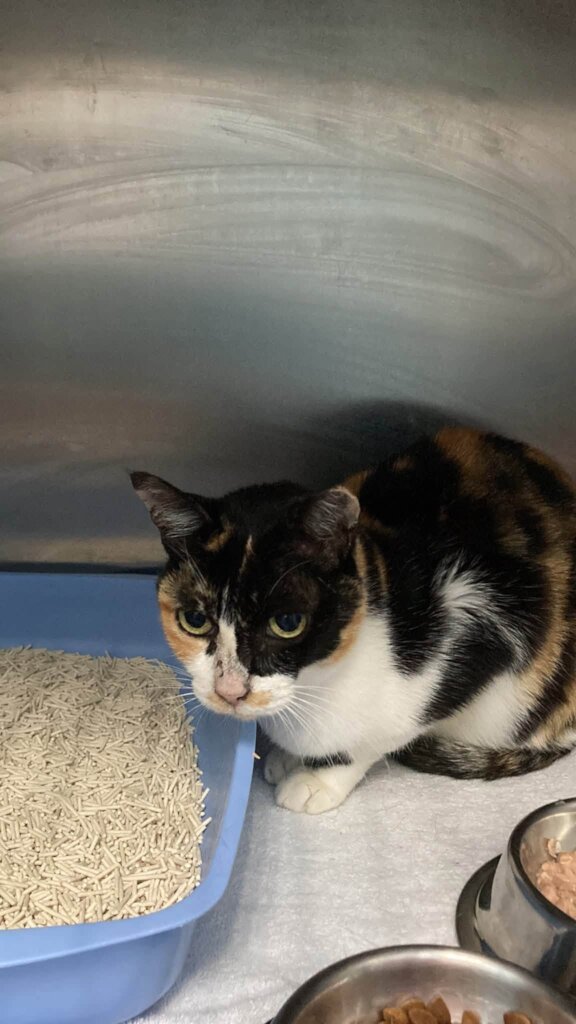
Update on Queen
Queen has been at the Tai O Stray Cat Home cattery for a year and a half, battling calicivirus-induced stomatitis (red, bleeding gums, poor appetite, and weight loss). Despite previous tooth extraction and steroids, flare-ups happen due to weather, stress, or her immune system. Isolation would speed up her recovery, but our cattery is simply too crowded.
While steroids affect liver and kidney functions, a targeted calicivirus medication exists, but it's extremely costly and requires a two-month course of therapy. Recently, Queen was rushed to the clinic for labored breathing and was diagnosed with both asthma and stomatitis. After an overnight stay and medical care, her breathing has improved, but she must resume her stomatitis medication upon returning to the cattery the next day. This genuine, UK-imported two-month treatment costs HK$6,000. I hope we can find a way to help Queen, no matter how difficult it gets.
Support Us
As always, many of our cats face illness and aging, and our medical expenses are soaring. We rely heavily on your kindness. Please consider donating to help us care for these vulnerable strays—every contribution makes a difference.
Project reports on GlobalGiving are posted directly to globalgiving.org by Project Leaders as they are completed, generally every 3-4 months. To protect the integrity of these documents, GlobalGiving does not alter them; therefore you may find some language or formatting issues.
If you donate to this project or have donated to this project, you can receive an email when this project posts a report. You can also subscribe for reports without donating.


Support this important cause by creating a personalized fundraising page.
Start a Fundraiser