By R.BALU | DIRECTOR
women on the future course of action that wil include discussion on swithcing over to other alternative occupations
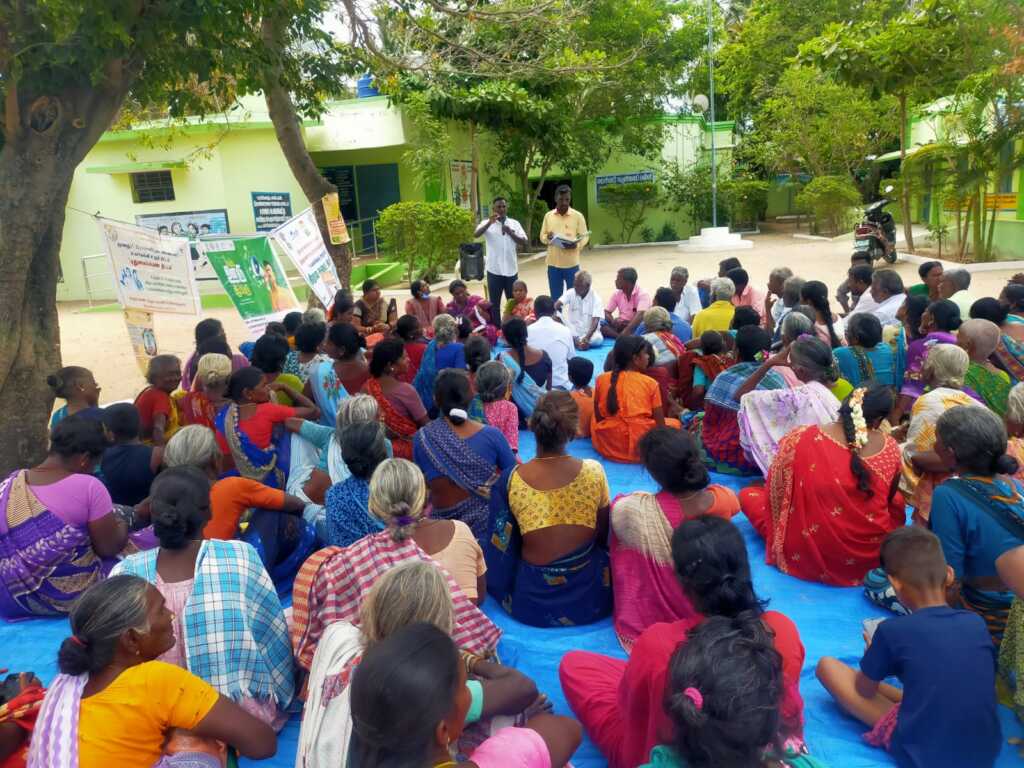
@ 25 women per program – to spread over each program over a three weeks period to
facilitate the organization of the programs on rest days only
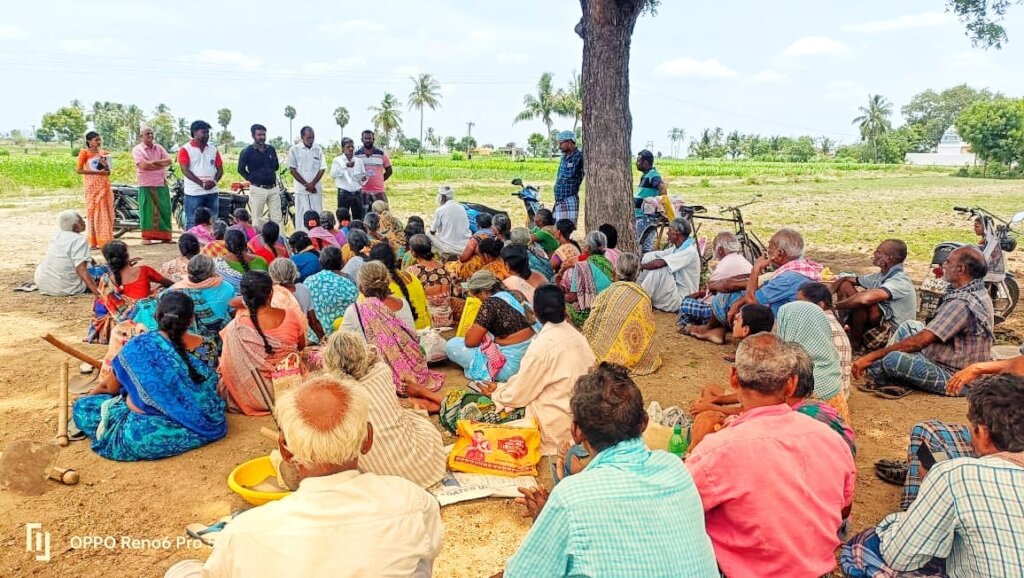
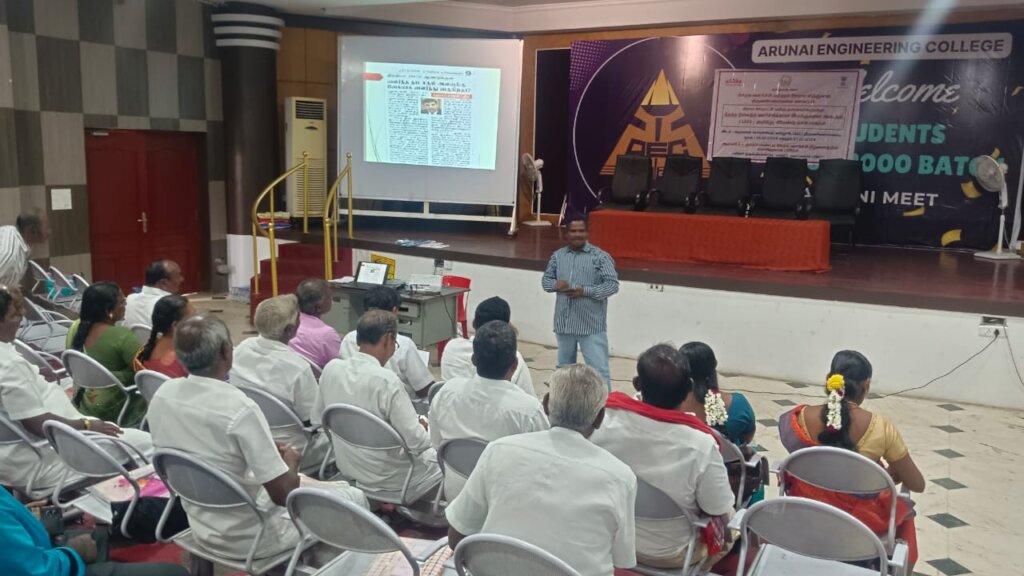
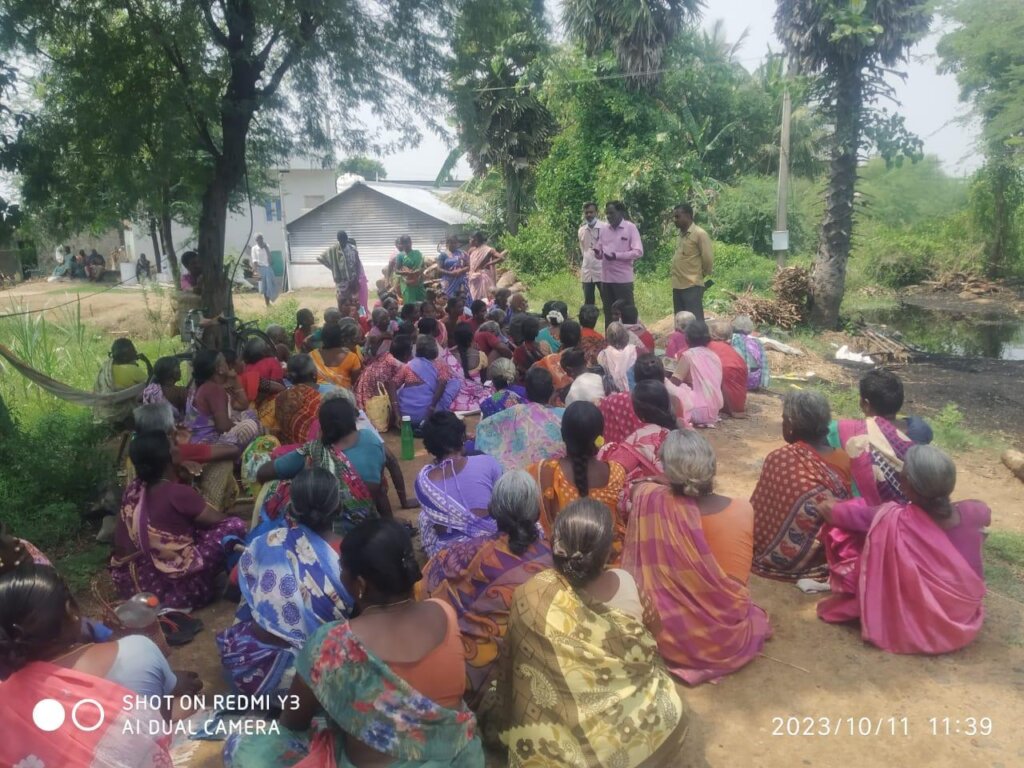
relevant issues in 25 villages involving women in self-help groups, beneficiary groups and
youth groups – total number of participants in each village will be about 100
groups in each of the 25 project villages
These education programs will be organized in their native villages only.
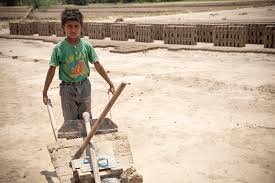
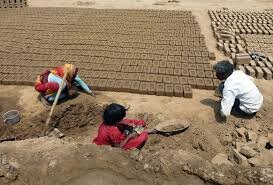
quarries and in the process involve the government departments to add necessary back up
action for the program
groups and formal and informal leaders in the selected villages.
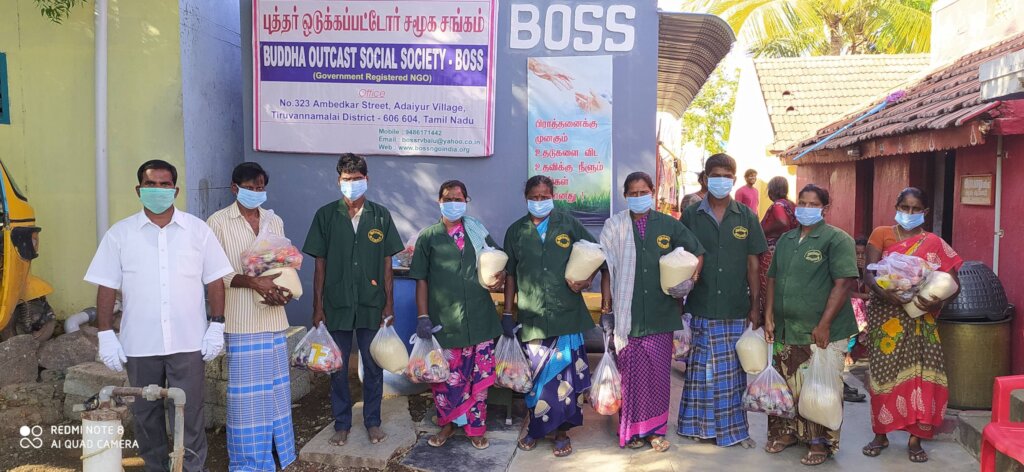
BOSS NGO exists to do the following:
- To create general awareness about socio economical cultural and politically for all;
- To empower and motivate women through education with handicrafts’
- To eradicate slavery system of bonded labour and child labourers;
- To eradicate prevent of girl children marriage;
- To promote economical status for women through micro credit unions women self-help groups;
- To start service information centers at all areas for people communication and for known
government and regulations, resources and new schemes etc;
- To educate regular classes with free tuition classes for dropouts;
- To create employment opportunities for unemployed youth (both men and women)through
vocational trainings;
By R.BALU | DIRECTOR
By R.BALU | DIRECTOR
Project reports on GlobalGiving are posted directly to globalgiving.org by Project Leaders as they are completed, generally every 3-4 months. To protect the integrity of these documents, GlobalGiving does not alter them; therefore you may find some language or formatting issues.
If you donate to this project or have donated to this project, you can receive an email when this project posts a report. You can also subscribe for reports without donating.



Support this important cause by creating a personalized fundraising page.
Start a Fundraiser