By Alexandra Reddy and Jenny Botting van-Blerk | PASA Development Team
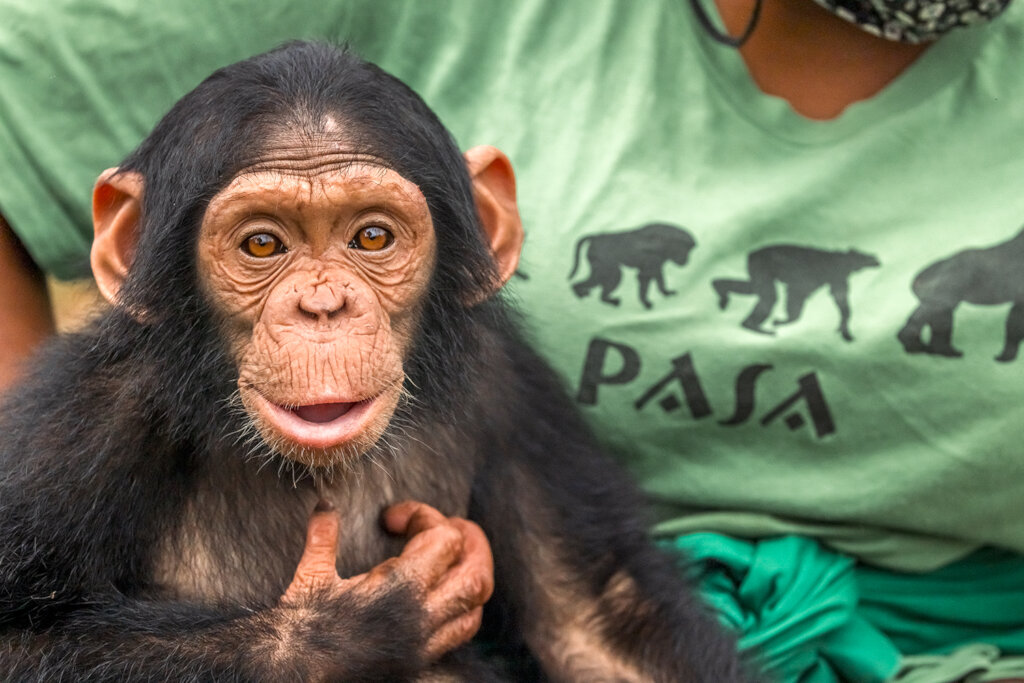
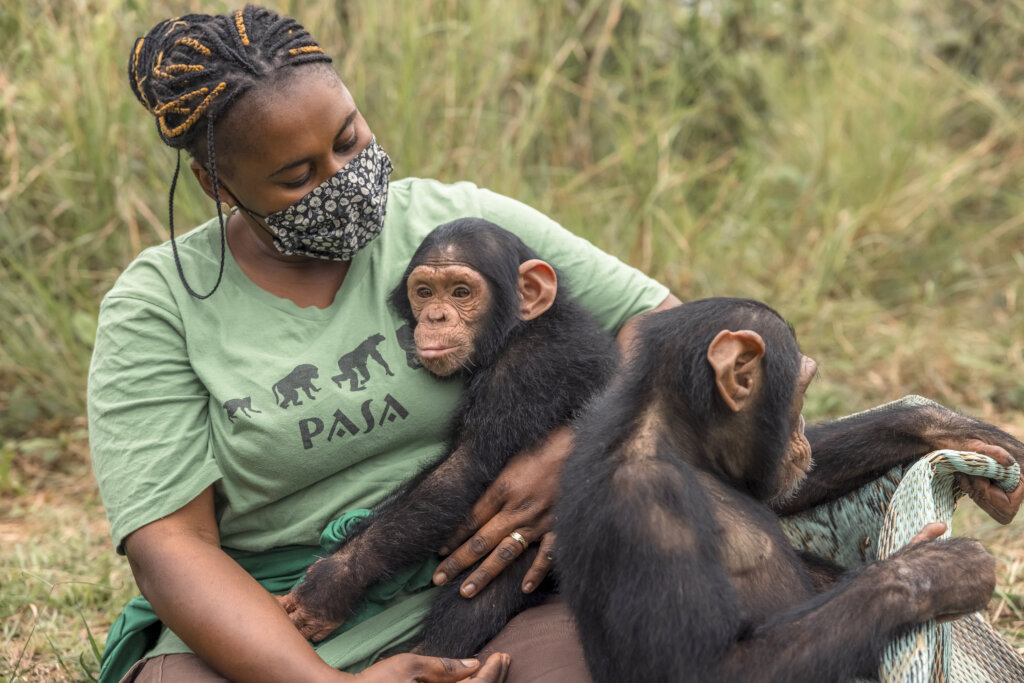
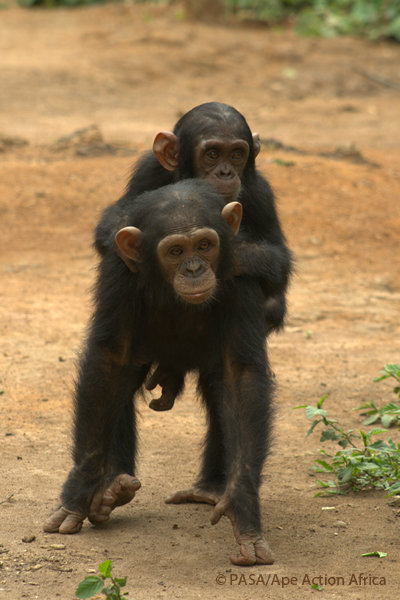
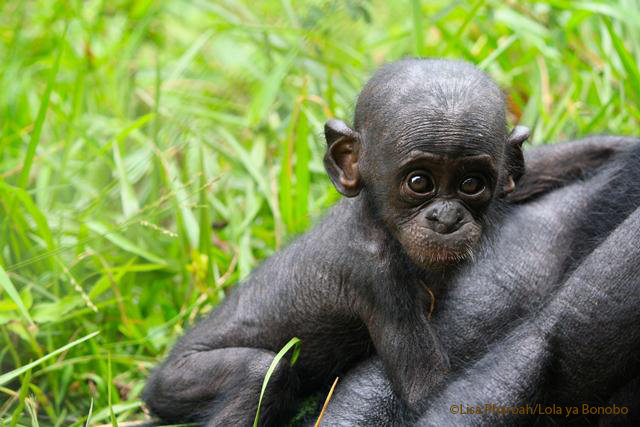
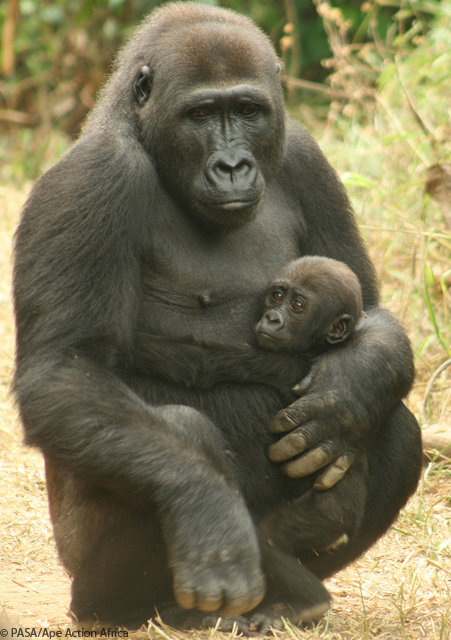
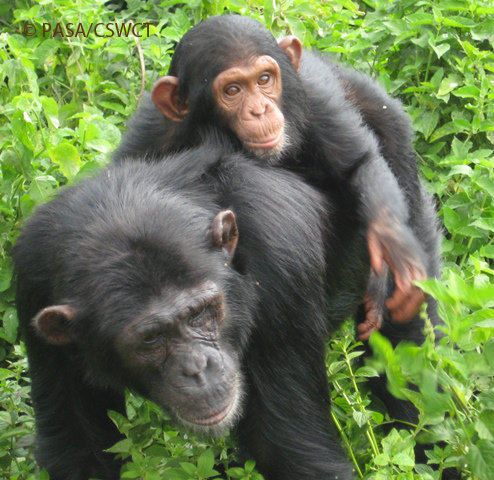
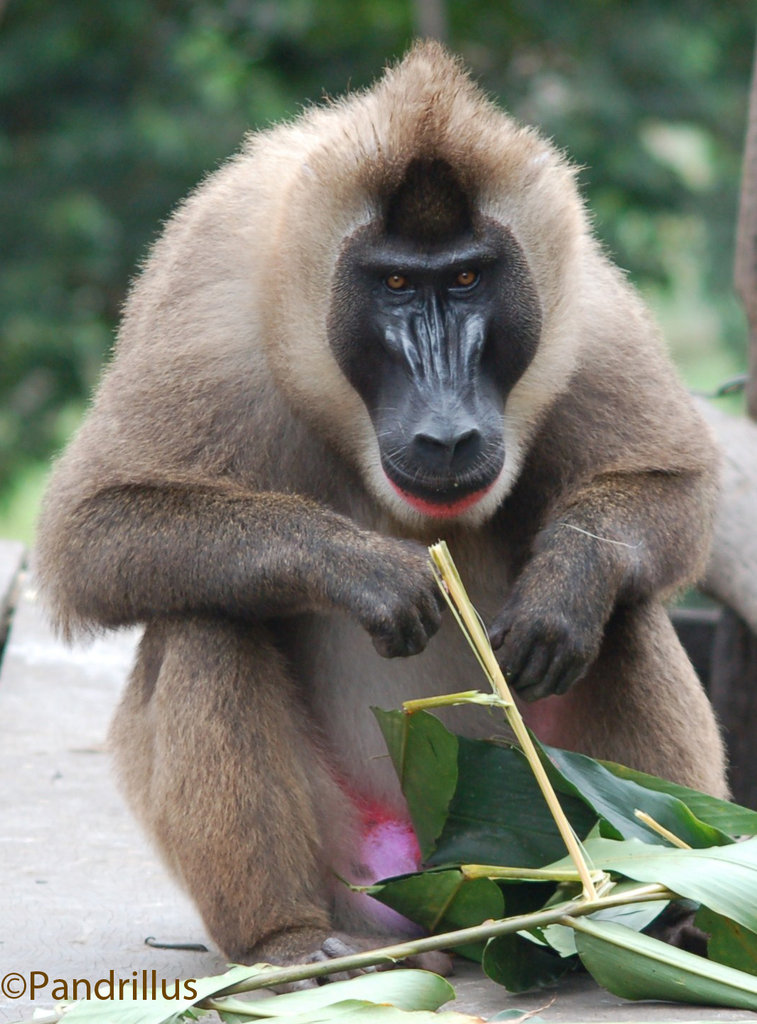
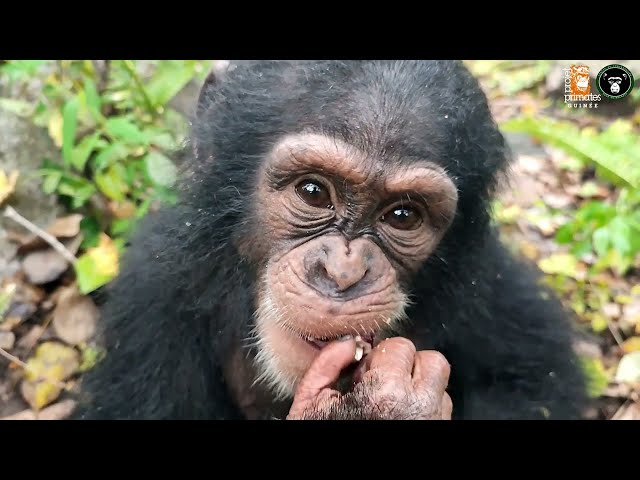
Every year, PASA's accredited sanctuaries rescue hundreds of orphaned chimpanzees, gorillas, and monkeys from the illegal wildlife trade, from habitat destruction, and from human conflict. These animals arrive traumatized, often malnourished, and in urgent need of expert care. The veterinarians who receive them are their first line of hope.
This month, PASA brought those veterinarians together.
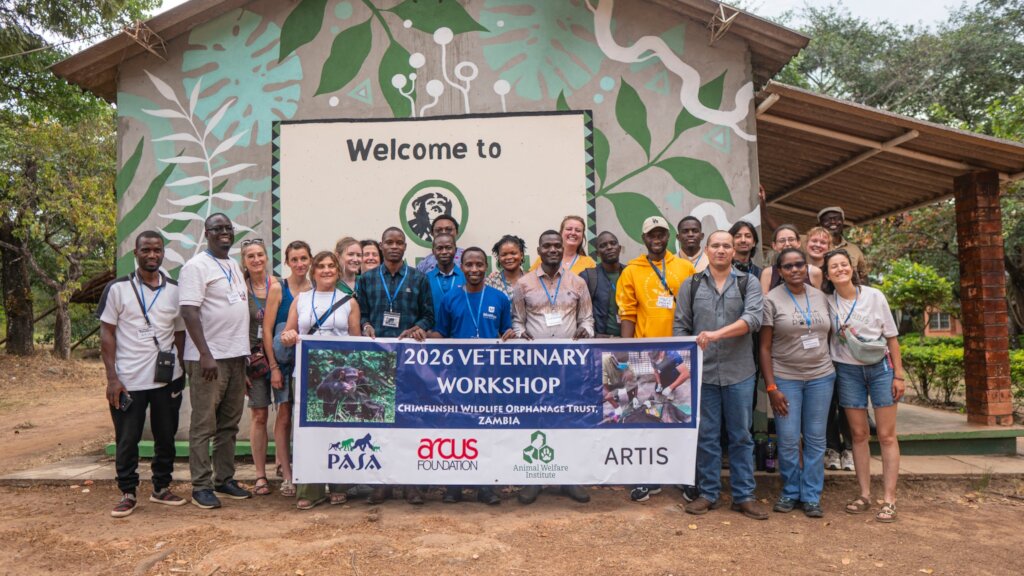
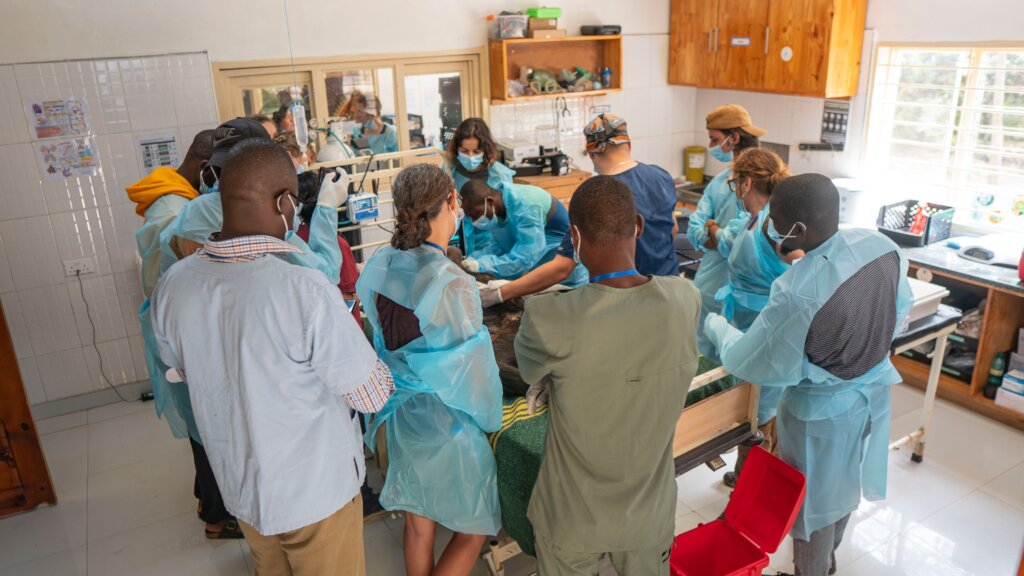
Clinicians from sanctuaries across Africa gathered at Chimfunshi Wildlife Orphanage Trust in Zambia, one of PASA's accredited sanctuaries, for a five-day training unlike anything many had experienced before. The PASA Veterinary Workshop united vets who often work in isolation, some as the only clinician at their sanctuary, making high-stakes decisions alone for the rescued primates in their care.
That week, they were no longer alone.
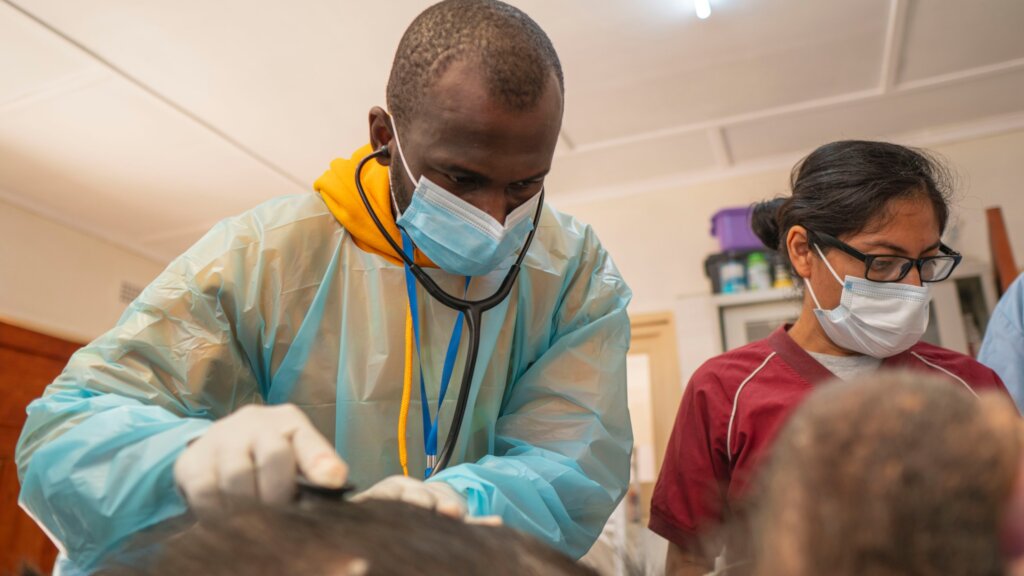
Through hands-on, collaborative sessions, participants built skills in anesthesia and safe immobilization, disease diagnostics, primate nutrition, reproductive health, One Health approaches, and emergency contingency planning. They worked through real case studies drawn from sanctuaries across the PASA network, the same sanctuaries that serve nearly 4,000 rescued apes and monkeys. They practiced on the kinds of constraints they actually face in the field: limited supplies, limited staff, and animals that cannot wait.
Before the workshop began, participants were asked what they hoped to gain. Their answers speak directly to the challenges of caring for rescued primates in under-resourced settings:
"I'm still new to primates — I want to learn as much as possible and get to know people in this field."
"I want practical, field-relevant skills under resource constraints. Real outbreak investigation. Not just theory."
"To meet everyone. To become a better caregiver to the monkeys I love."
After the workshop concluded, nearly every participant reported feeling better equipped to provide excellent veterinary care to African primates. All participants agreed that they had built meaningful connection.
The practical gains will travel home with every participant: stronger anesthesia protocols to improve safety during medical procedures, improved nutrition plans built around locally available resources, more robust welfare assessments, and clearer emergency response plans for the next disease outbreak. Perhaps most importantly, every vet left with colleagues they can call.
For the orphaned primates in their care, those improvements have a tangible impact: safer recoveries after immobilization, more appropriate diets during rehabilitation, and faster, better-coordinated responses when illness spreads through a sanctuary population. Most importantly, they offer these animals a better chance at a meaningful life after a traumatic start.
Your support of PASA connects directly to moments like these: a veterinarian in a remote sanctuary who now has a new protocol, a rescued chimpanzee receiving better care, a community of clinicians that is stronger and more connected than before. By supporting PASA, you help ensure that every primate rescued from trafficking or conflict arrives into the hands of a vet who is well-trained, well-supported, and never working alone.
Thank you for making this work possible.
Photos by Chimfunshi Wildlife Orphanage Trust and PASA • Kaitlyn Bock
Links:
Project reports on GlobalGiving are posted directly to globalgiving.org by Project Leaders as they are completed, generally every 3-4 months. To protect the integrity of these documents, GlobalGiving does not alter them; therefore you may find some language or formatting issues.
If you donate to this project or have donated to this project, you can receive an email when this project posts a report. You can also subscribe for reports without donating.



Support this important cause by creating a personalized fundraising page.
Start a Fundraiser