By Malathi Mittal | Malathi Mittal
THE EARTH TRUST - VILLAGE WOMEN’S HEALTH PROGRAMME
GLOBAL GIVING REPORT (OCTOBER TO DECEMBER 2016)
I. Women Empowerment and Societal Development
The year 2001 was marked as the year of Empowerment of Women by the Government of India. It also set the starting point for the compilation of the National Policy of the Empowerment of Women (NPEW). Empowerment of women is a process that leads women to realise their full potential, their rights to have access to opportunities, resources and choices with the freedom of decision making both within and outside home1.
Women's empowerment has been a central issue on the agenda of various developmental programmes for so many years, yet there is long way ahead to address the issue of women's health in a comprehensive way encompassing multiple domains of their health so as to have an impact on their total well being1. Empowerment of women cannot be achieved by ignoring issues related to health of women.
Women play a crucial role in development. Investing in women’s health and empowerment produces surplus benefits for their children, families, communities and nations. Healthy women work more productively, and stand to earn more throughout their lives. There is now substantial evidence that healthy populations are a foundation for sustainable social, economic and environmental development and for peace and security, and vice versa2.
Global leaders are increasingly recognizing that the health of women is the key to progress on all development goals3. The United Nation’s Millennium Development Goals (MDGs) adopted in 2000 addressed women’s health in two of the eight goals. Some countries have established specific government structures to provide policy direction regarding women’s health and direct health services to women4.
India's National Health Policy 2002 has dedicated a section to the health of women and related socioeconomic and cultural issues. The document acknowledges the importance of women's health as a major determinant of the health of entire communities. The policy endorses the need to expand the primary health care infrastructure to increase women's access to care. The policy also recognizes a need to review staffing in the public health service, so that it may become more responsive to specific needs of women. Some countries have allocated specific funds and resources for women’s health and some have introduced gender-sensitive budgeting to guarantee equitable and non-discriminatory access to health services to improve women’s health4.
Thus investing more in women’s health makes good sense as it helps builds stable, peaceful and productive societies.
II. Health & Healthcare for Women
Women take on a myriad of responsibilities as mothers, grandmothers, sisters, daughters and partners. The health outcomes of women are influenced by many factors such as social, cultural, economic and environmental. The women have a major role to play in looking after the health of other family members. The excess health burden for women negatively impacts the health of families and communities. Hence good health is critical for the women’s well being, and good health means complete physical, mental and social wellbeing and not merely the absence of disease5. Improving the health and wellbeing of all women will improve the health and wellbeing of families and whole communities, through the caring, nurturing and educative roles that women perform on a daily basis.
Women in India face numerous health issues, which ultimately affect the aggregate economy’s output. Addressing the gender, class or ethnic disparities that exist in healthcare and improving the health outcomes can contribute to economic gain through the creation of quality human capital and increased levels of savings and investment6.
Women's health in India can be examined in terms of multiple indicators, which vary by geography, socioeconomic standing and culture6. Good healthcare is built upon many partnerships. Everyone has a critical role to play in improving the health of the world’s women and children; governments and policymakers at local, national, regional and global levels, donor countries and global philanthropic institutions, civil society, business community, health-care workers and their professional associations, academic and research institutions3.
III. The Earth Trust – Village Women’s Health Programme
The Earth Trust (ET) has been well ahead of times in terms of its programme on providing awareness and training on the health of village women. It has been running its Health Programme for Village Women since 2001 and ever since the inception of ET. Thus the Health Programme has been the brain child of the Earth Trust for long. The programme has been developed through close collaboration with different partners and it reflects the mutual understanding that improving healthcare requires a collaborative and holistic approach. The Earth Trust shares the single common goal of removing the barriers to improved health and as part of a larger effort to empower local women to improve their lives, taking a holistic and life-cycle approach to women’s health. It disseminates information on women’s health.
IV. Programme Modules
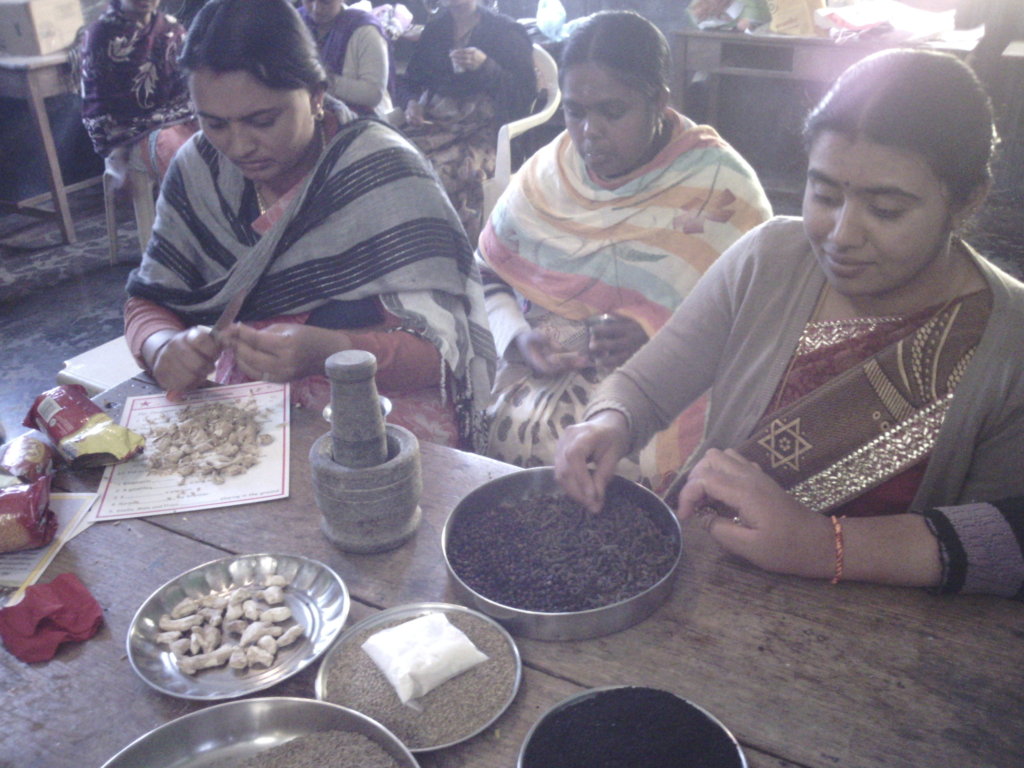
The Earth Trust’s Health Programme starts with an initial documentation of the beneficiaries of the concerned village followed by disseminating knowledge on the health of women that includes a basic and advanced course. A detailed course on human anatomy and physiology, heart, respiratory, skin, reproductive, urinary and digestive systems are taught to the village women. A special programme on nutrition and herbal preparations to inculcate traditional knowledge and healing practices are also part of the programme.
The National Policy for Women 2016 has drafted 18 priority areas for health that includes security and nutrition. Among the priority areas are the promotion of traditional knowledge of women including healing practices for indigenous treatment systems in remote areas and priority for nutrition as women are at high risk for nutritional deficiencies in all the stages of their life cycle7. Thus it can be seen that the modules developed and followed by ET are aimed at health interventions at both physical and psychological well-being of women.
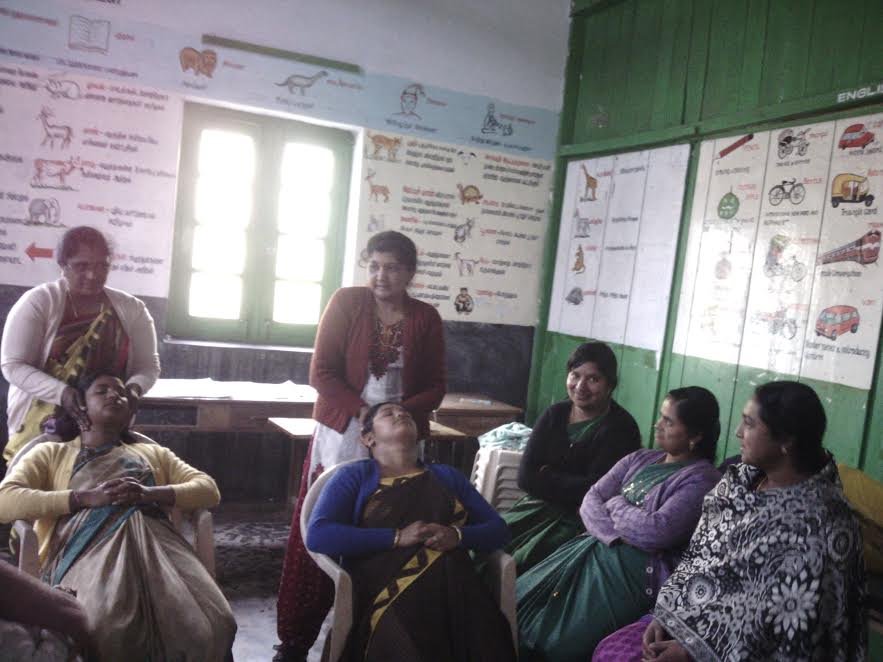
Games, songs, ayurveda, siddha and yoga are also part of the learning process. The ET’s Health Programme personnel have been well trained by its founders and have gained immense knowledge over the years on the health aspects of women. At a time when it is being recognised by various agencies that there is a dearth of qualified women health workers to train rural women8, the ET’s Health Programme personnel are a real asset. These personnel are passionate in providing technical health inputs to the village women, and serve as catalysts for social change in women's status.
V. Beneficiaries
The Nilgiris District in the state of Tamilnadu, India is a hill station and is the land of the ‘Hetthai’, Hetthai is the female deity of the Badagas, the local inhabitants of the Nilgiris. Hetthai is known to be the incarnation of Parvathi, the consort of Lord Shiva, according to Hindu mythology. Hetthai literally means grandmother.
The badagas are originally a pastoral community, who later turned into agriculture and later into tea cultivation. The grandmothers of the past are highly devoted, god-loving and god-fearing and extremely hard working. They lived a healthy life working in their fields and trekking long distances between their homes and fields. The traditional food and hard-working nature kept them agile and healthy. With the incorporation of modern agriculture practices such as tea, younger women opting to modern education and work, etc., the traditional customs and practices have been replaced by modern ones. So is the health of the women.
The present generation of women are less hard-working and have scant disregard for health and are prone to diseases. The younger married lot are finding it hard to cope with their daily chores – raising their kids and family, let alone working in their fields. Some of them have issues with mental and emotional well-being.
The ET’s Health team, ever since the inception of the health programme in the 2000’s have evolved as health workers and are training and spreading the village women on the health aspects. So far around 60 villages have been covered. The badagas of the Nilgiris are spread around 430 villages. Thus a lot more villages are to be covered by the health team.
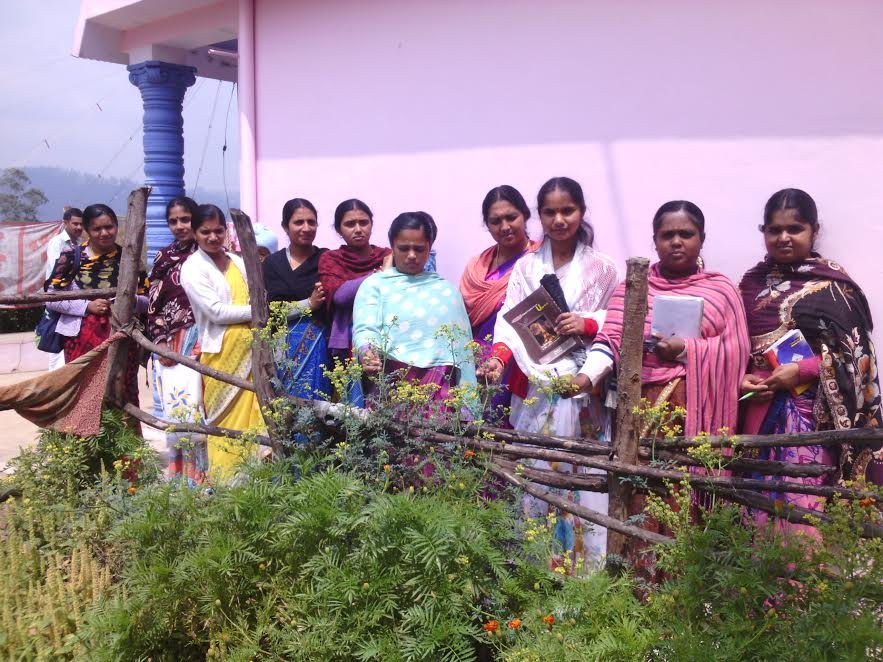
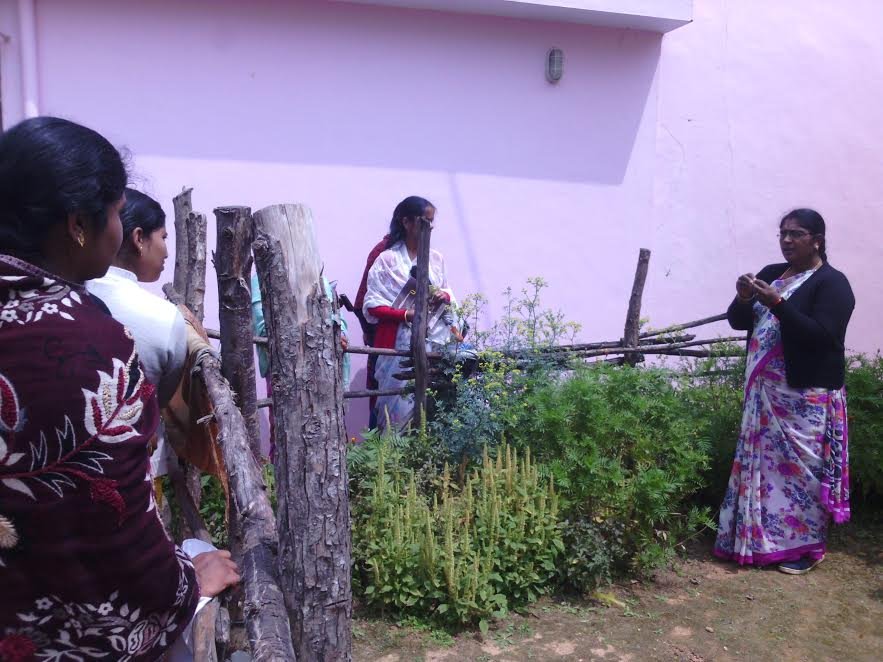
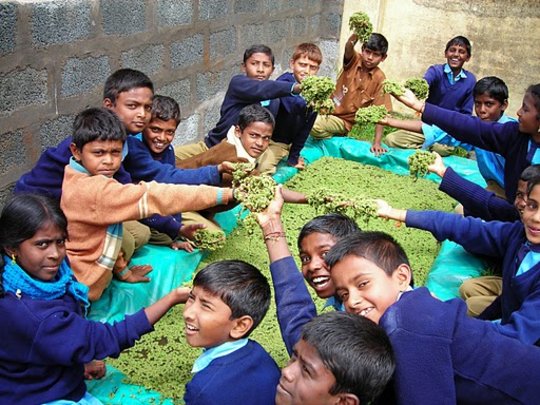
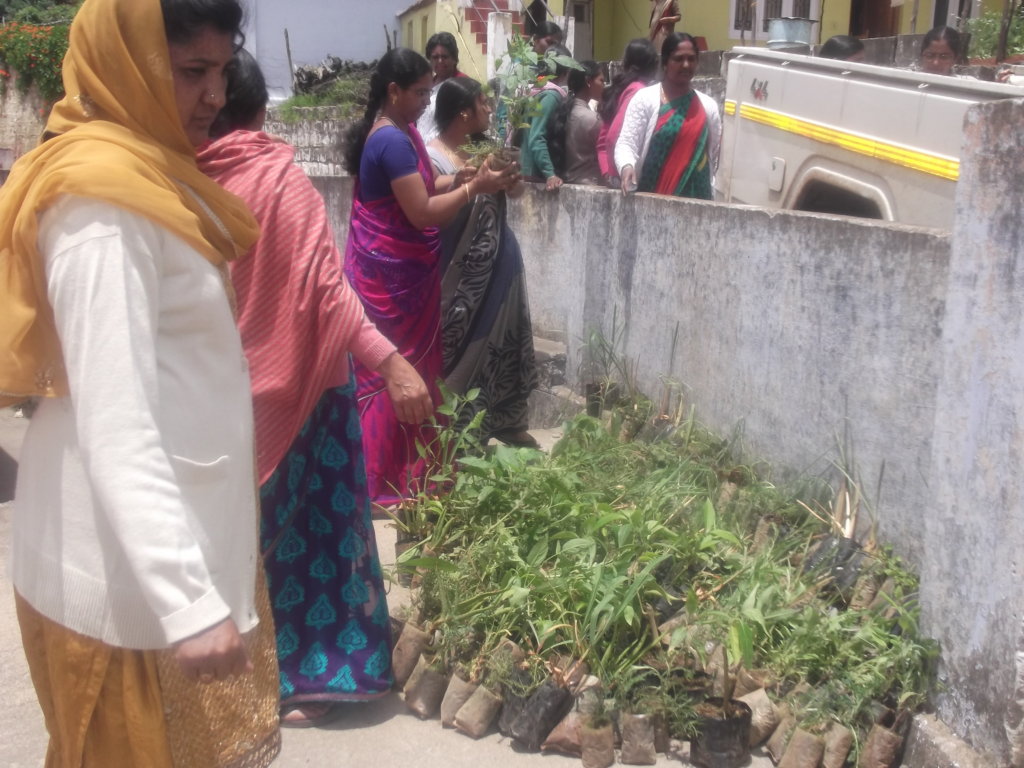
During the months October to December 2016, the ET’s health team have been working in the villages – Kallakorai, Ottimora Hosatty and Puduhatty of the Nilgiris district. During November, there was a follow-up programme as well, in the village Mel Kowhatty, where the health programme was conducted in the previous months. Some of the selected images of the programme are shown below.
VI. Impact
In India, Women Self-Help Groups (SHGs) have shown good success. However, the success of these SHGs has been only to the extent in playing an economic role by increasing savings and credit facilities. As far as improving health outcomes, the SHGs have not been able to raise the knowledge and awareness on health related issues among women1. This gap in the health front has been taken care of by the Earth Trust’s Health programme. Together with the Skill-Development Programme of the Earth Trust, where the village women are taught tailoring and knitting, the Earth Trust is making a difference in the villages and helps in the empowerment of women.
During the follow-up visits of the health programme in the Mel Kowhatty village, a couple of success stories of the ET’s health programme have been identified.
A young girl named Monica, had face acne issues. Despite frequent consultations with skin specialists, there was no respite for her acne problem. The girl was then advocated with Triphala Choorana for one monthby her mother who was a beneficiary of the ET’s health programme. Soon the results started to show up and the acne problem started to recede.
An elderly women, Rajamma aged 80 years was suffering from indigestion problems. Her daughter-in-law who attended the ET’s health programme prescribed the herbal medicine Ashta Chooranam, and eventually the indigestion problem stopped. Similar curative treatment through Ashta Chooranam was advocated to a 4 year old by her mother, a beneficiary of the health programme.
Conclusions
Integrating the care of women with other services is an efficient route to success. Among the various programmes of the Earth Trust, the Village Women’s Health programme is a core activity where awareness and training on the health of women is conducted.
An integrated programme encompassing health, skill development and organic farming in the villages of Nilgiris is in the pipeline. We in the Earth Trust envision and continue to thrive for a world where women are empowered and healthy, traditional knowledge on healing is revived and saved and the soil and environment are clean and healthy.
References
Project reports on GlobalGiving are posted directly to globalgiving.org by Project Leaders as they are completed, generally every 3-4 months. To protect the integrity of these documents, GlobalGiving does not alter them; therefore you may find some language or formatting issues.
If you donate to this project or have donated to this project, you can receive an email when this project posts a report. You can also subscribe for reports without donating.