According to health ministry statistics, the trend of HIV in Nicaragua in recent years years has been a concentrated epidemic in the age range 15 to 44 years (87%) with an increase in adolescents and youth. The beneficiary communities have characteristics that make them vulnerable to HIV areas, such as extreme poverty, lack of educational opportunities and problems associated with drug abuse and commercial sexual exploitation work. In both cases are adolescents and young people most affected
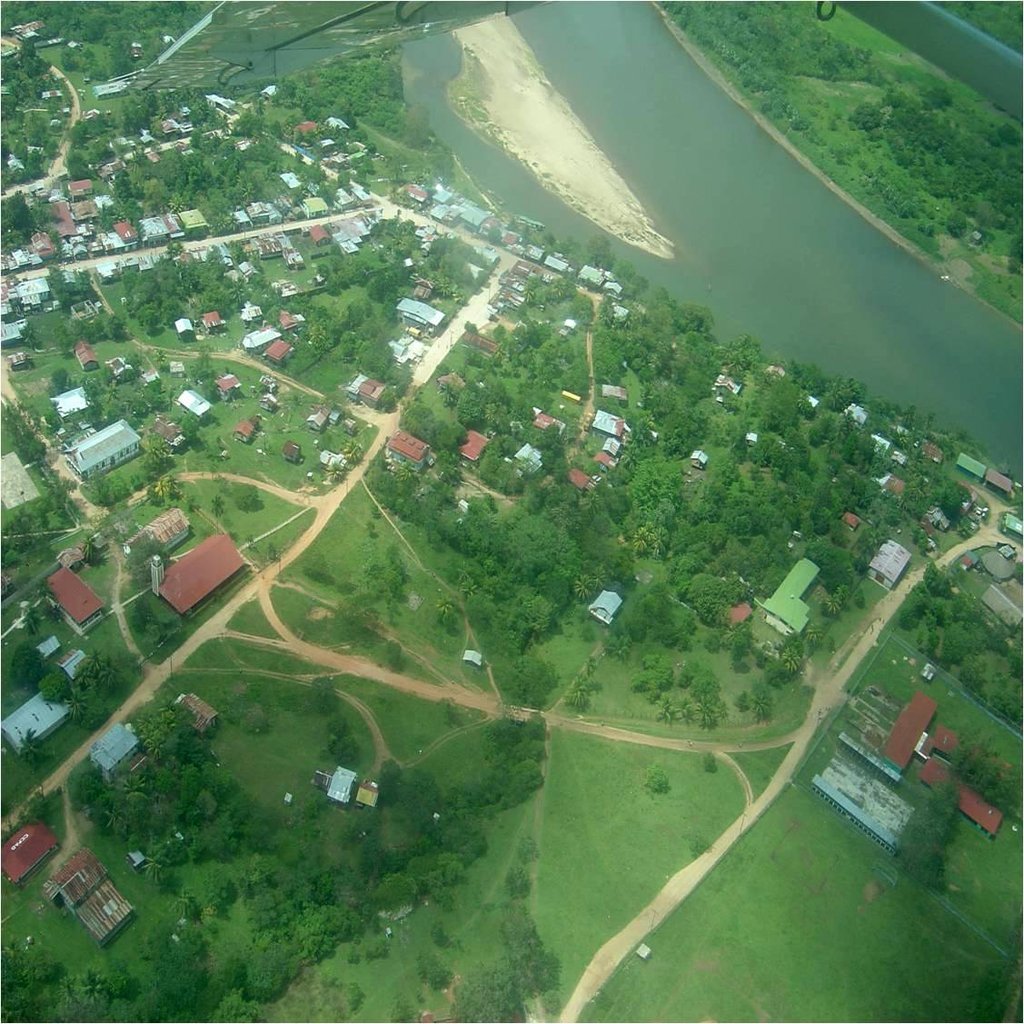
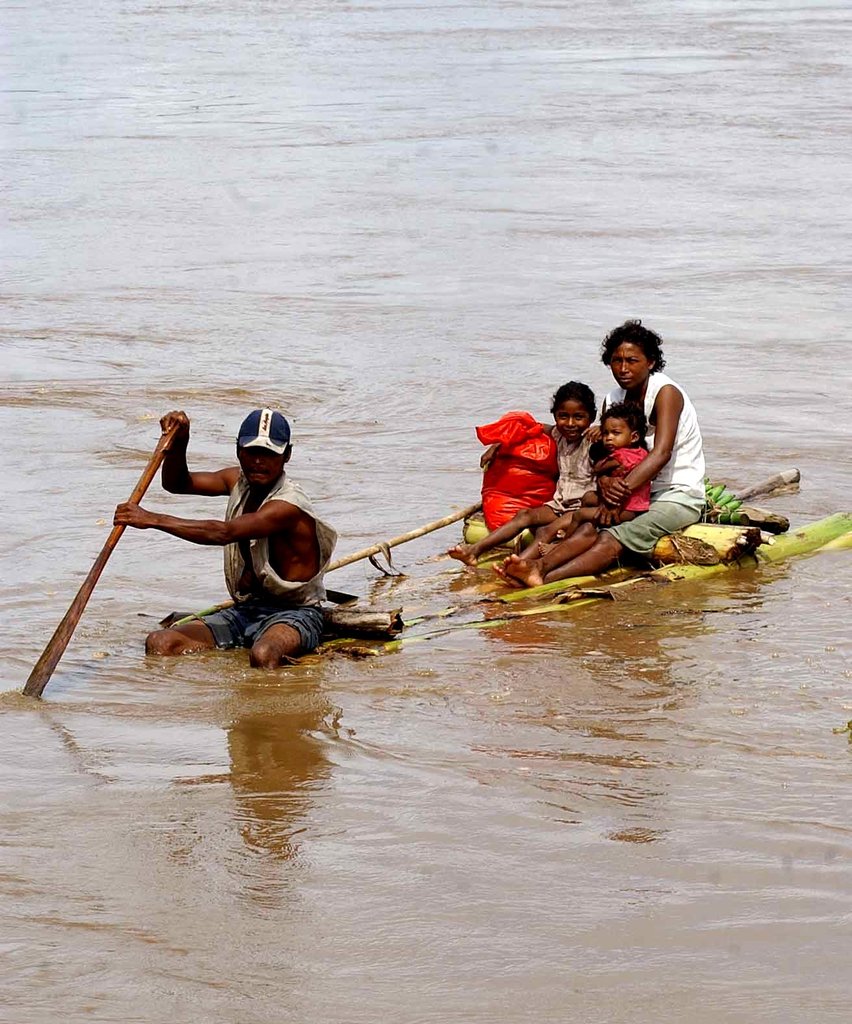
In 2013 three departments of Nicaragua are above the national average being these: Chinandega, RAAN (Waspan) and Managua. Most of them are border areas and have multiple risk factors to HIV such as commercial sex workers, mobile populations moving from Costa Rica and Honduras. The HIV / AIDS in Nicaragua is concentrated, affecting 7.5% of men who have sex with men (CDC, 2009 MINSA, Nicaragua) and 0.2% of the general population (MOH, 2009). The HIV / AIDS in Nicaragua is concentrated.
HIV is prevented through a combination of prevention methods include: a) changes in individual behavior, b) ensure access to tools and biomedical technologies that reduce the likelihood of risky behaviors that lead to HIV transmission, c) affect or influence social and cultural norms or physical environment to facilitate the reduction of risk and protective factors and maximize the reach and impact of prevention services.
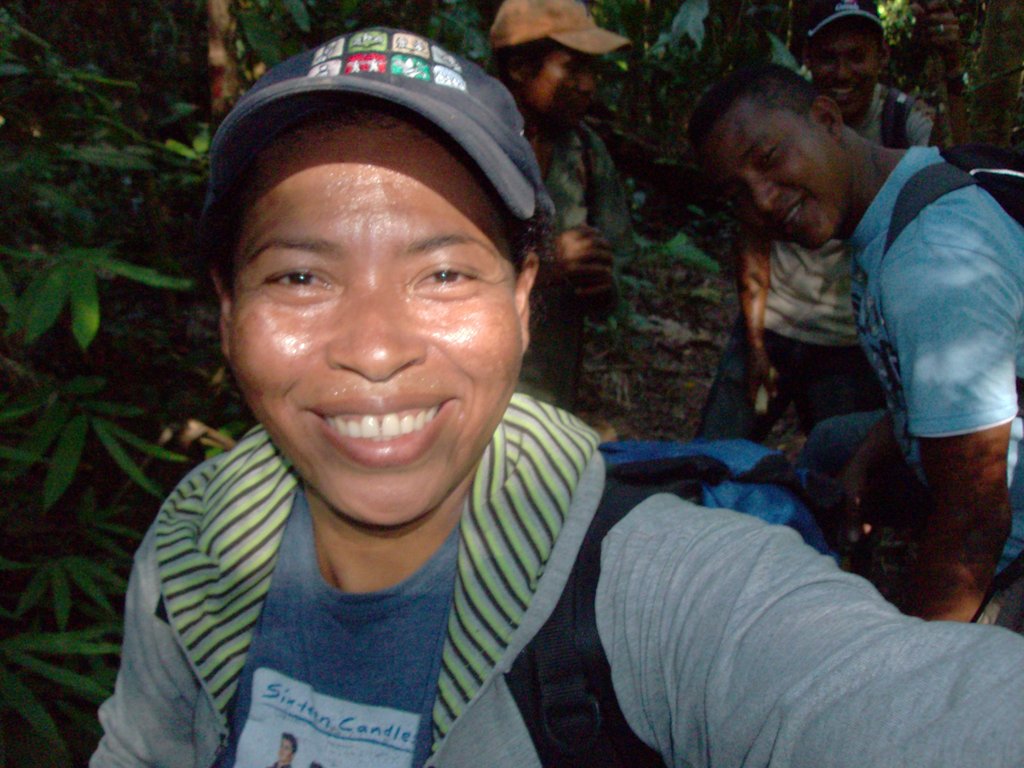
The total beneficiary population is 47,231, of which 23,440 are children under fifteenIn. The project will focus on changing cultural norms that influence risk practices such as gender inequality, gender-based violence, sexual risk practices, lack of use of sexual and reproductive health, including . The communication and sensitization campaign will allow youth to improve their knowledge about the prevention of this disease.