By Geraldine Bayron-Rivera, Ph.D. | Executive Director
Dear Donors:
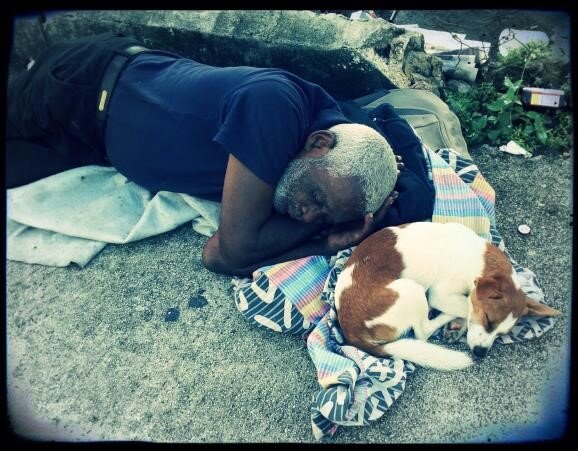
Receive best wishes on behalf of La Fondita de Jesús' family! It is with great respect that we report our achievements in providing services to prevent homelessness among older adults in Puerto Rico from March to June 2026.
During this quarter, we visited 30 vulnerable communities across 17 Puerto Rican municipalities: Bayamón, Canóvanas, Cataño, Cayey, Culebra, Guayama, Guaynabo, Humacao, Loíza, Naguabo, Naranjito, Patillas, Río Grande, San Juan, Toa Baja, Trujillo Alto, and Utuado. Nevertheless, it is essential to mention that our organization already has a presence in more than 35 municipalities in Puerto Rico (nearly 45% of the island's total municipalities).
A total of 473 older adults were impacted during this period. Of those, 274 were women (58%), and 199 were men (42%). These people received 5,270 units of service. These individuals are 60 years or older, and one of the primary challenges identified in the communities impacted continues to be the poverty and economic instability faced by many participating older adults. This reality limits their ability to meet basic needs, such as food, housing, transportation, and access to medication, which in turn affects the continuity of medical treatments. In many cases, priorities related to daily survival lead older adults to postpone addressing other aspects important to their well-being, underscoring the need to strengthen comprehensive support strategies, provide companionship, and connect them with resources that promote greater stability and quality of life.
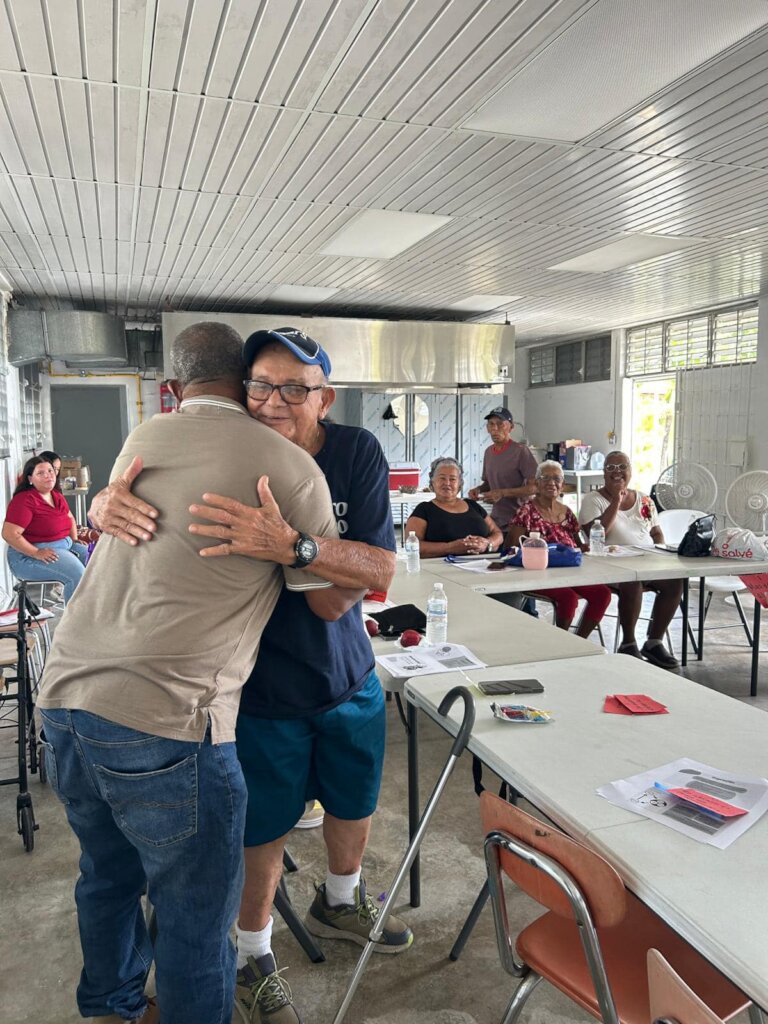
Likewise, part of this population's challenges is the abandonment of family and friends, so they require more substantial support with overall hygiene and food preparation. They also need people to talk to about their situations. As a result, we have identified a sense of isolation and loneliness among older adults, who often lack a support network that helps them stay connected.
The high prevalence of chronic diseases and mental health conditions persists among older adults in vulnerable communities. These situations not only affect people's health and well-being but can also limit their ability to access, participate in, and maintain continuity of health services. In many cases, individuals face multiple vulnerabilities simultaneously, including untreated medical conditions and symptoms associated with depression, anxiety, or trauma. This combination of factors can affect adherence to treatments, attendance at appointments, and participation in scheduled activities. Given this scenario, the need to continue educating communities through community outreach activities is even more critical.
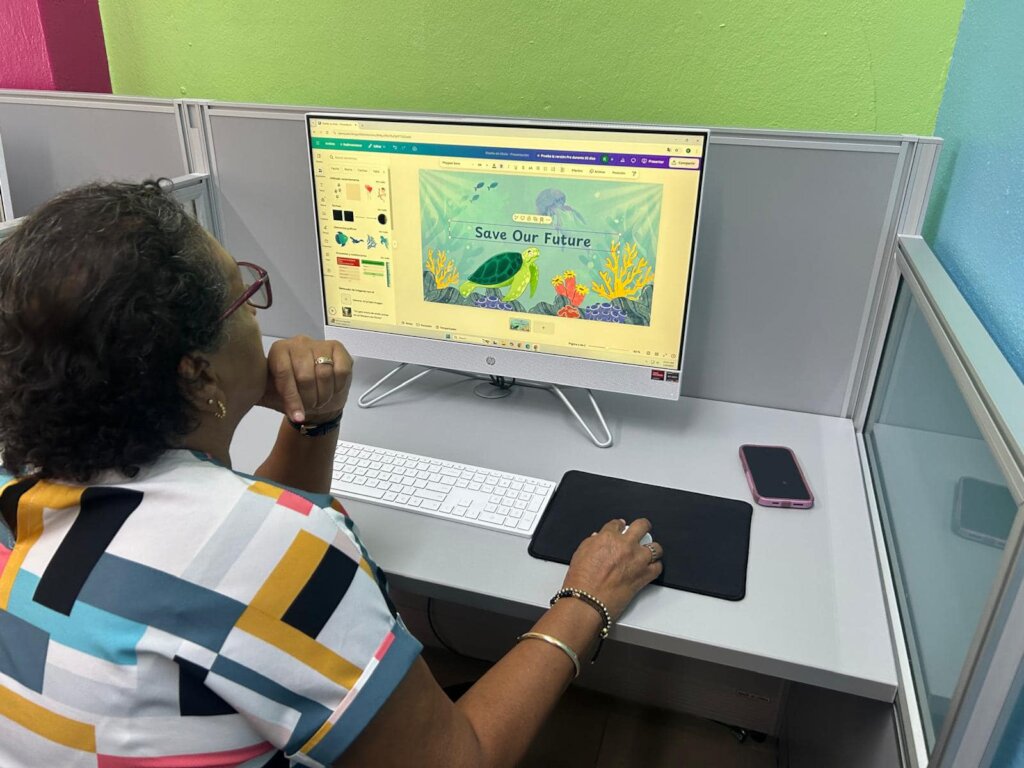
Other various needs were identified among these individuals. Most of them lack the knowledge and skills to access digital platforms for social services, including housing subsidies, public housing, leasing, and healthcare. They are at high risk of losing their homes due to social determinants that affect their health and safety. Our staff facilitates capacity-building activities that help older adults learn to use electronic devices and the Internet. They also help with accessing and coordinating appointments for housing and health services. We found that many older adults living in impoverished communities did not have viable access to public transportation to get to their doctors' appointments or the required knowledge to make their own health services appointments, resulting in some not receiving necessary medical follow-ups.
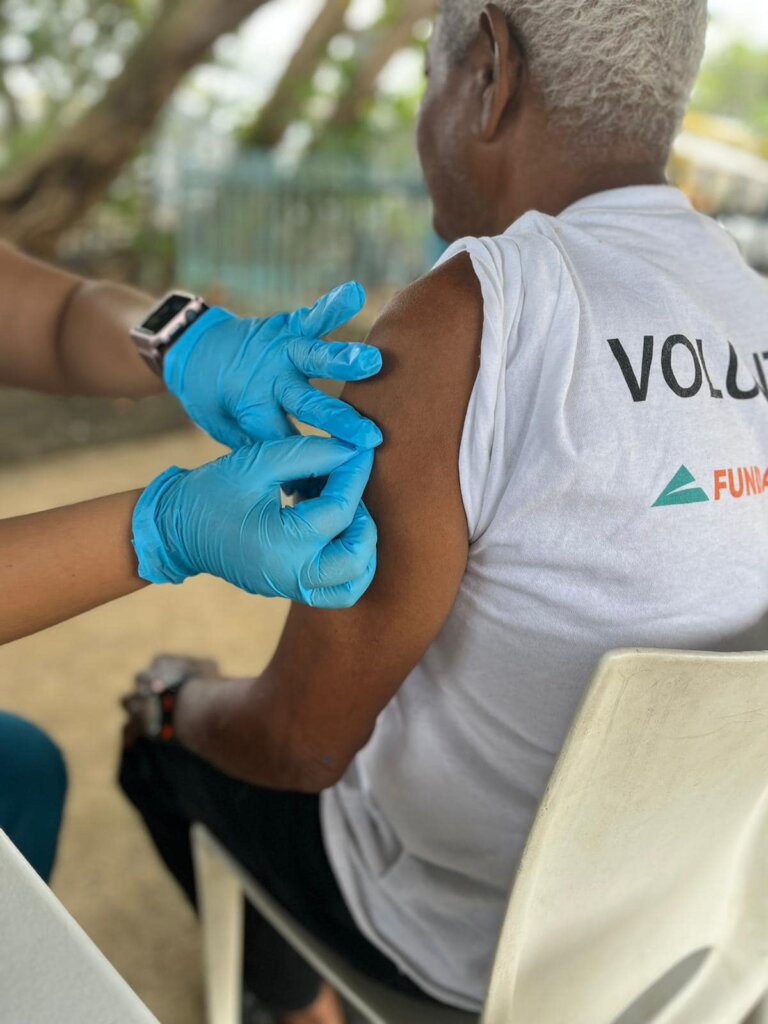
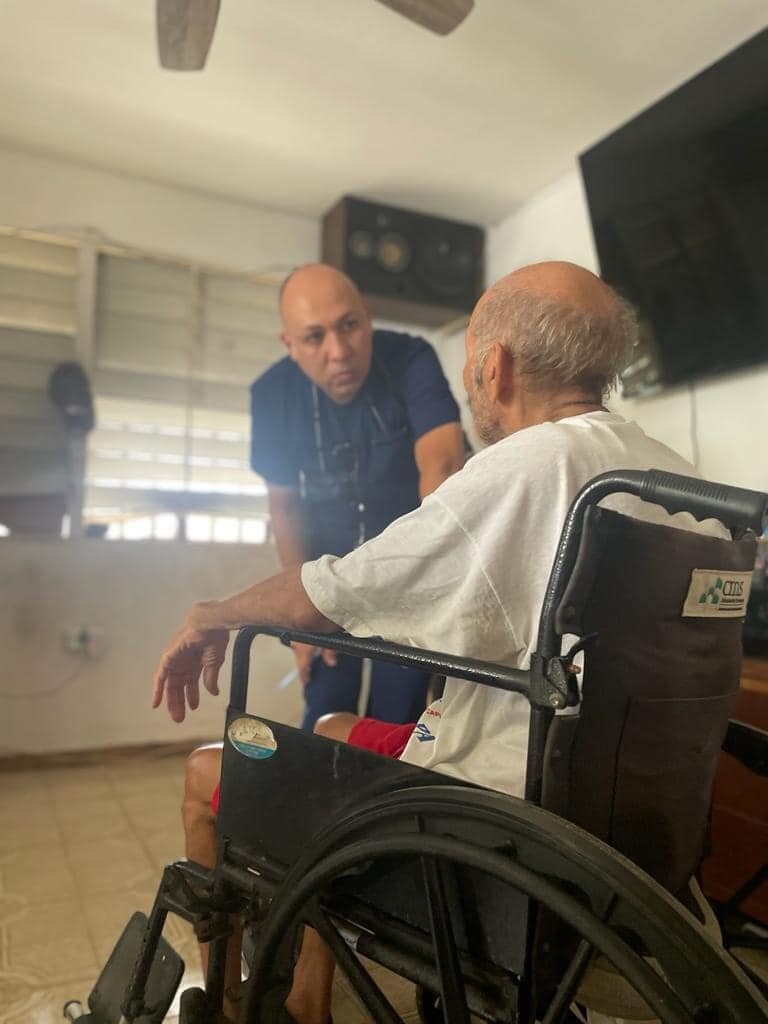
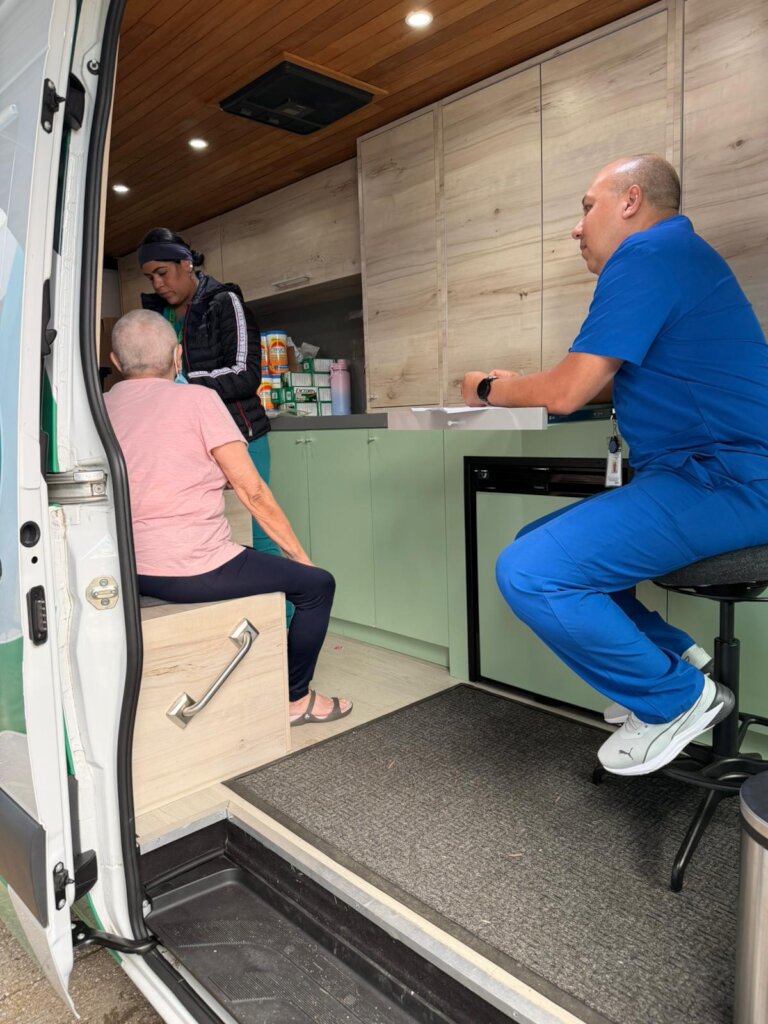
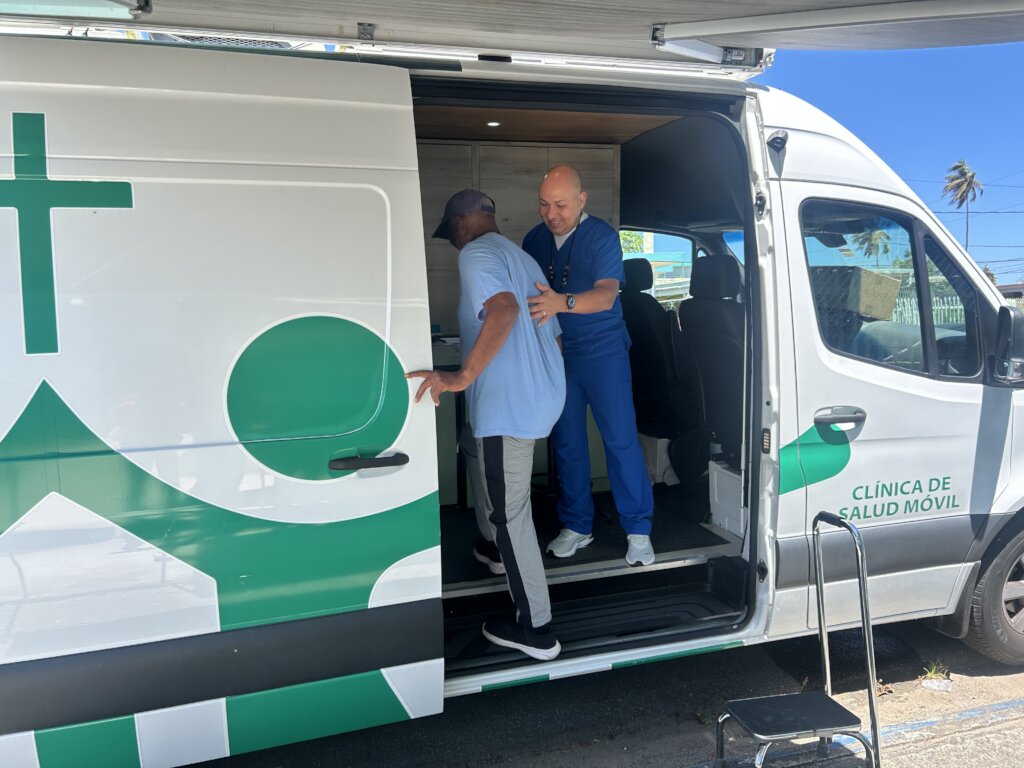
During this period, a significant number of older adults were evaluated by a general practitioner and received prescriptions, vitamins, and OTC medications to help strengthen and maintain their health. Also, the addition of a mental health and substance abuse specialist strengthened the services offered. Her participation expanded the range of available interventions, facilitating guidance on prevention and the risks associated with substance abuse. She also promoted preventive education by distributing materials on controlled substances and their health effects. As part of harm reduction strategies, she also facilitated the distribution of naloxone (Narcan), contributing to overdose prevention and strengthening knowledge among the affected older adult population.
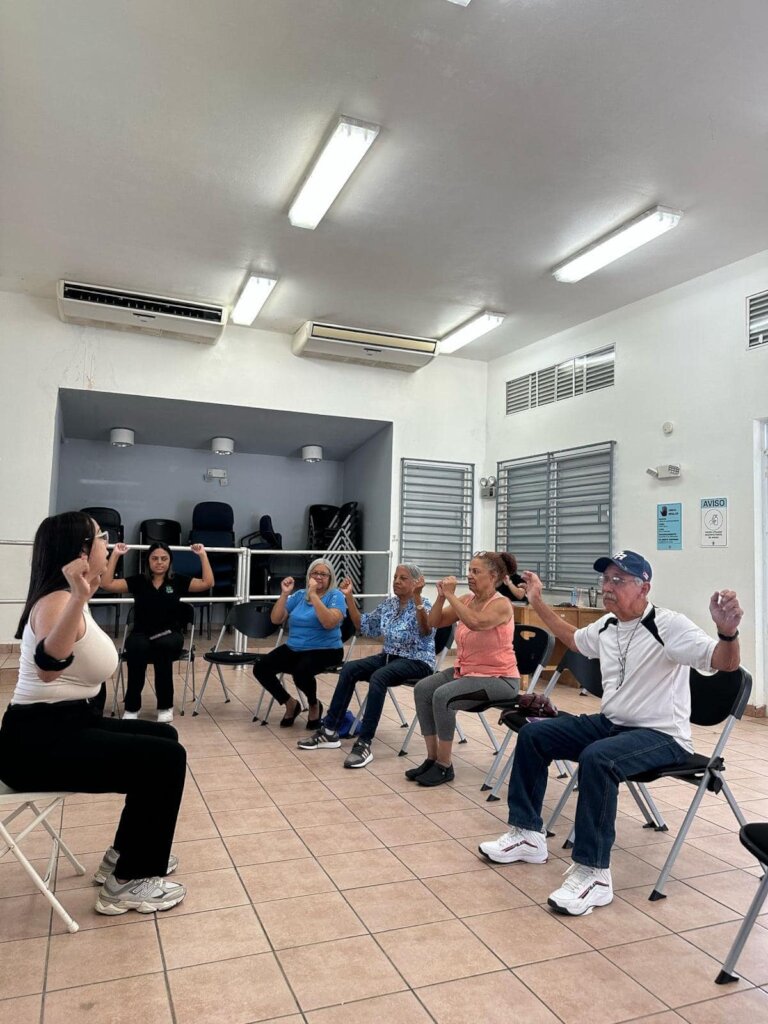
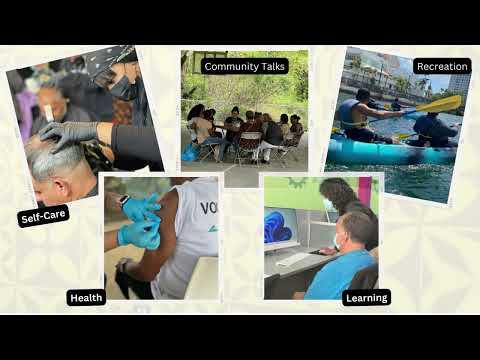
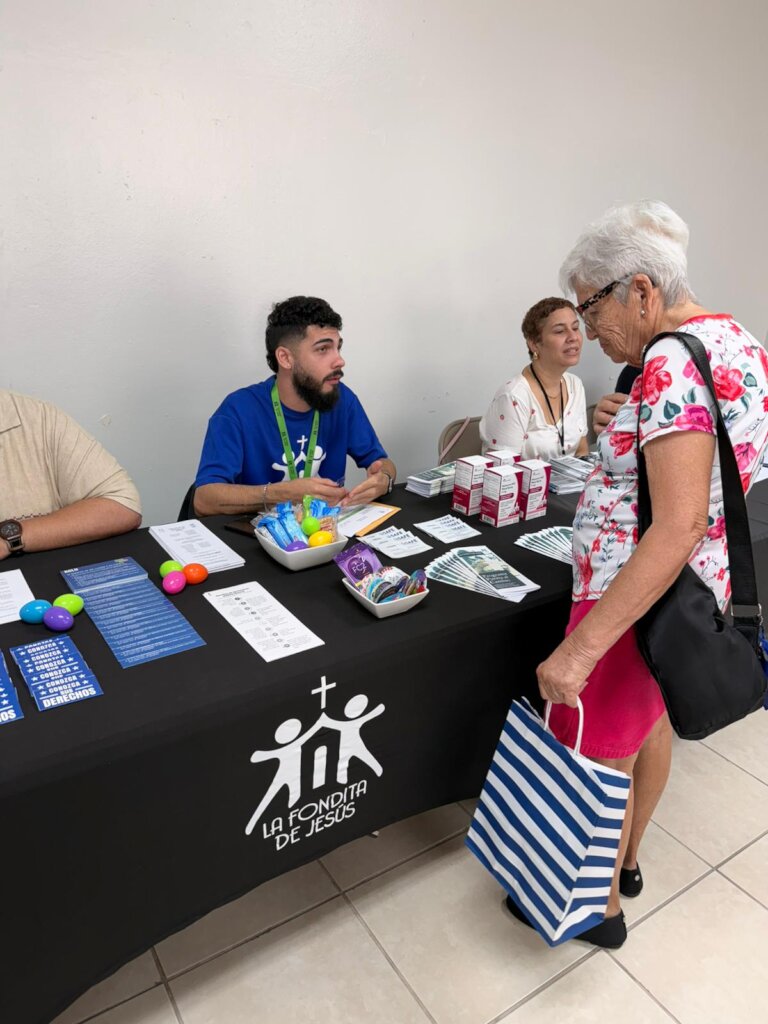
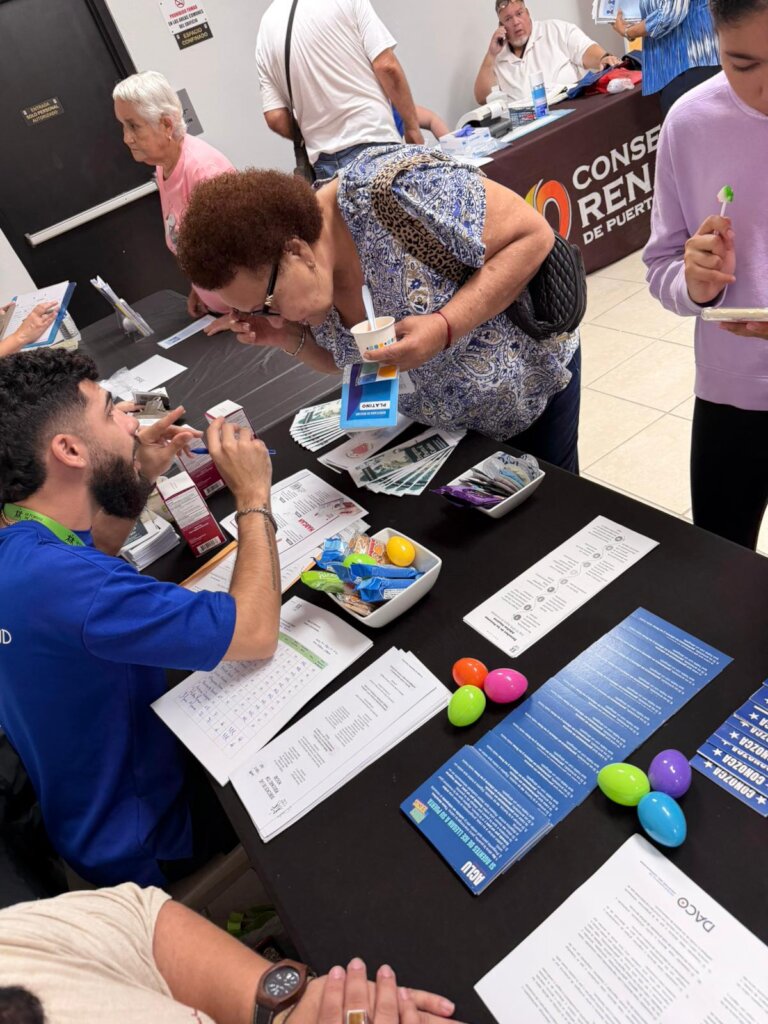
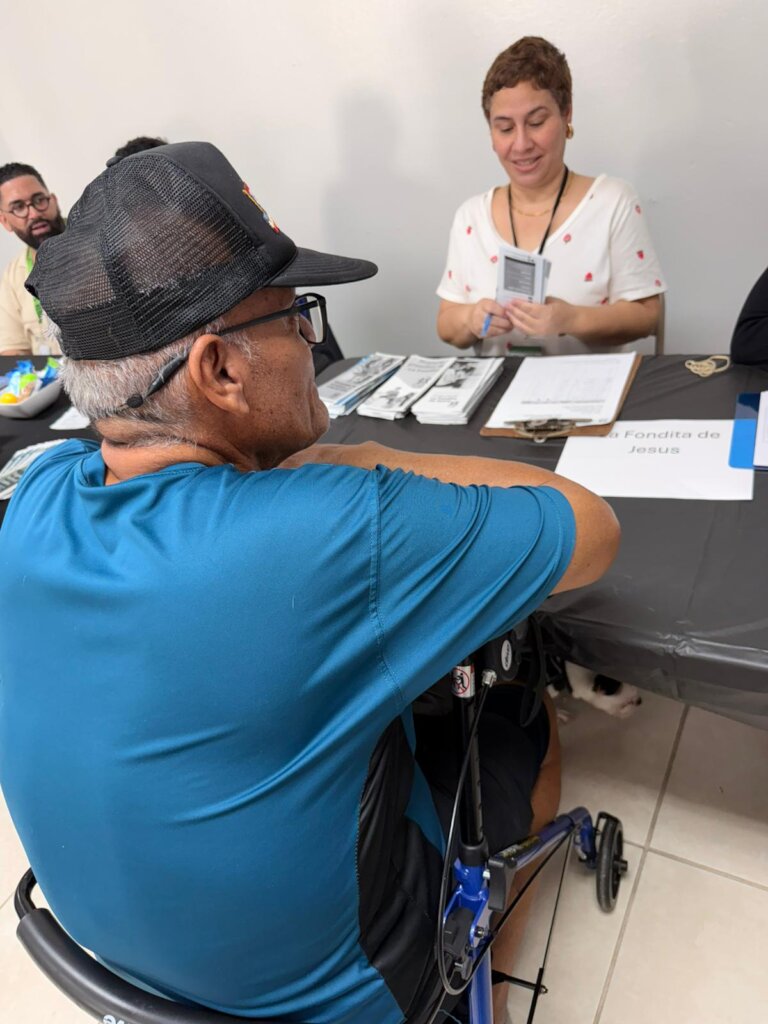
One of the key achievements of this period was the strengthening of community outreach initiatives and the expansion of services in vulnerable communities across Puerto Rico. These efforts brought healthcare services closer to elderly populations with limited access, incorporating strategies focused on prevention, education, and health promotion. Furthermore, they increased awareness of the importance of self-care and early detection of health conditions, contributing to the overall well-being and improved quality of life of the people served.
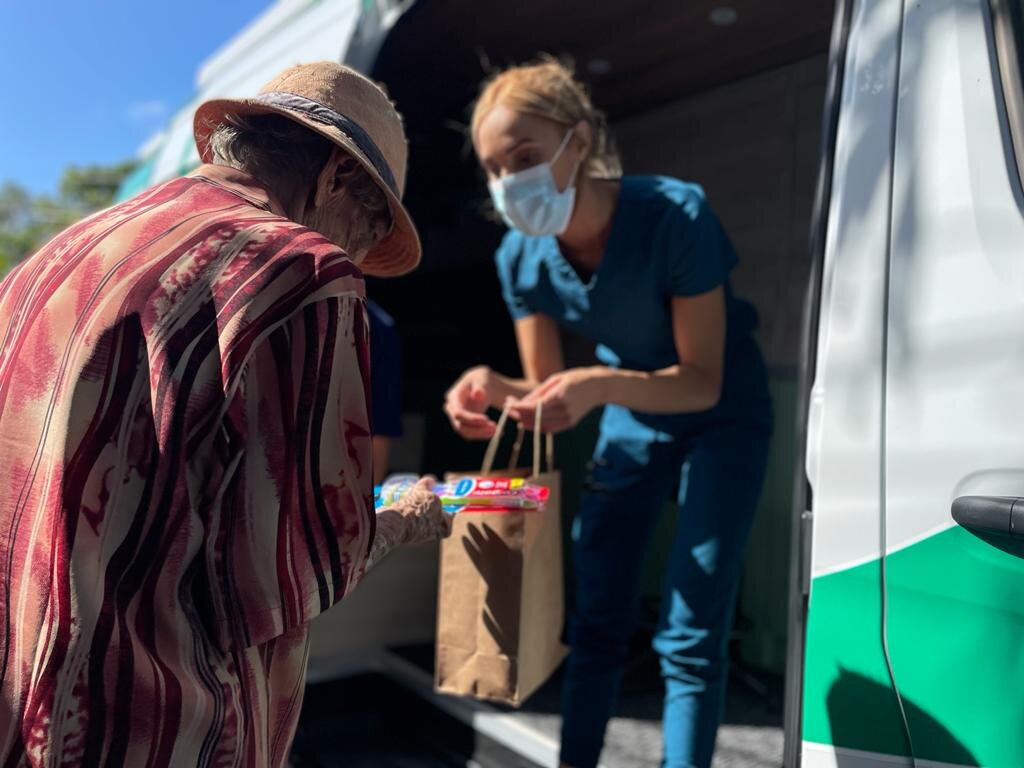
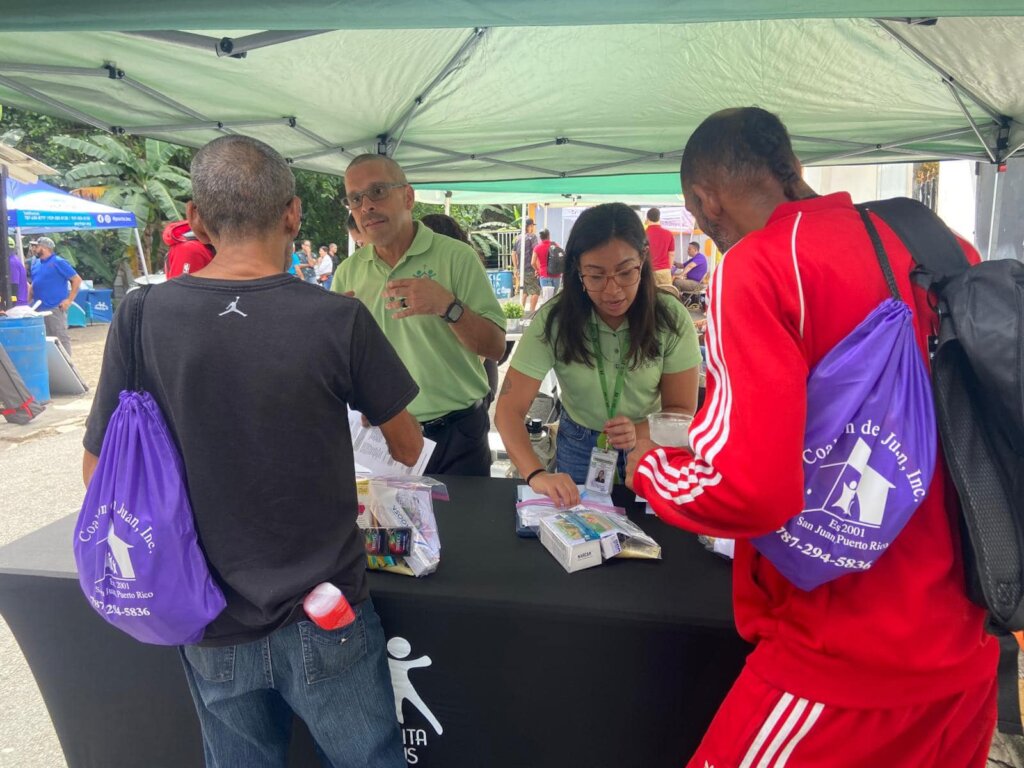
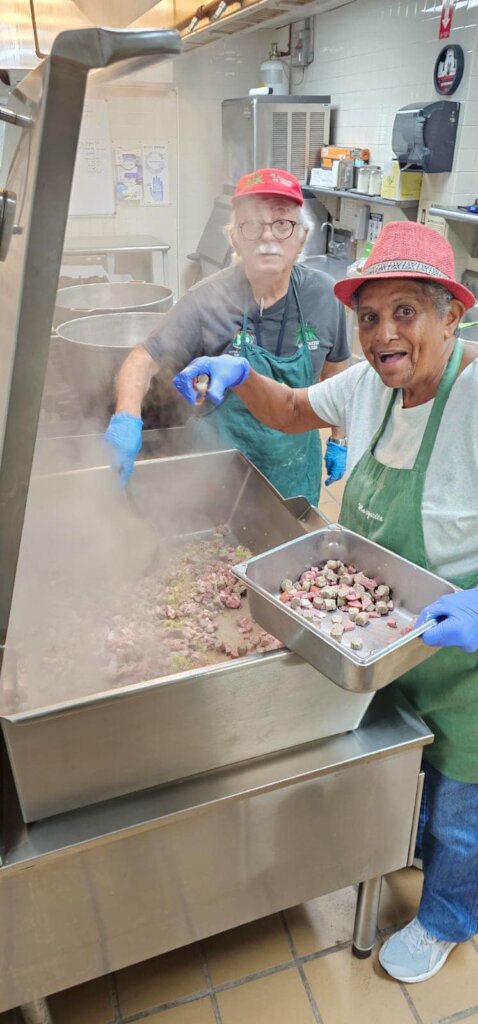
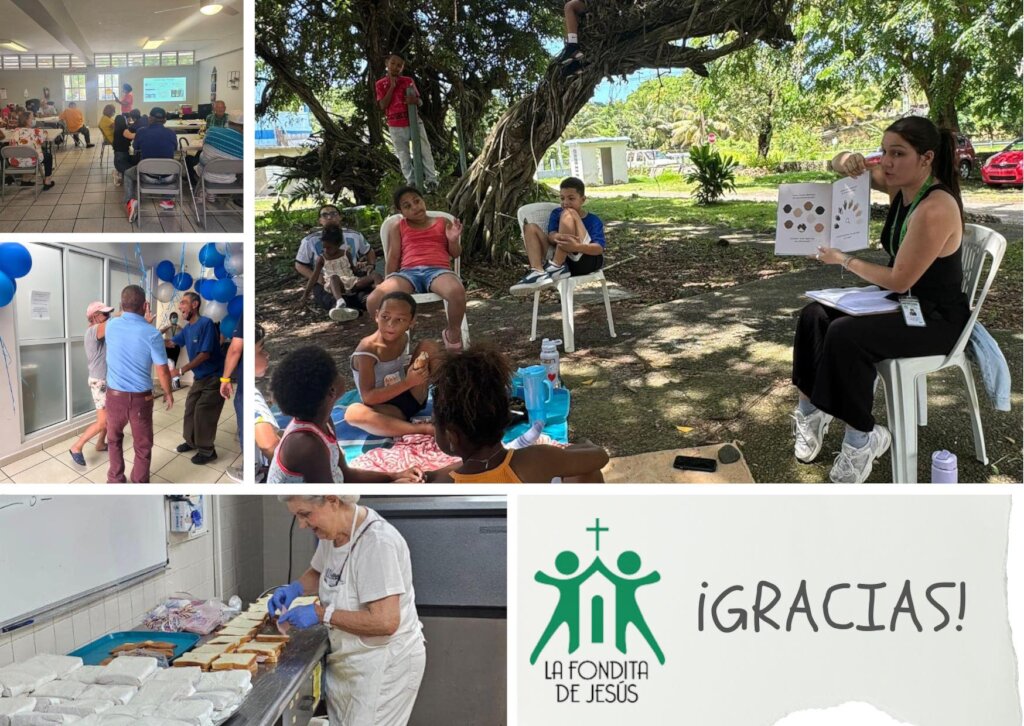
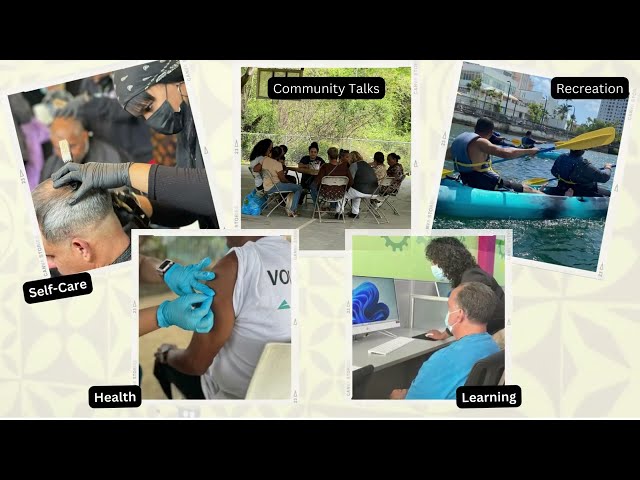
We have held health fairs in collaboration with other organizations, facilitated by established alliances, thereby expanding the scope of our health services and benefiting more older adults living in extreme poverty. We provided hot meals, emergency groceries, and nutritional supplements. Moreover, we have distributed personal hygiene kits, home cleaning kits, over-the-counter medicine kits, anti-stress balls, towels, and clothing, among other necessities.
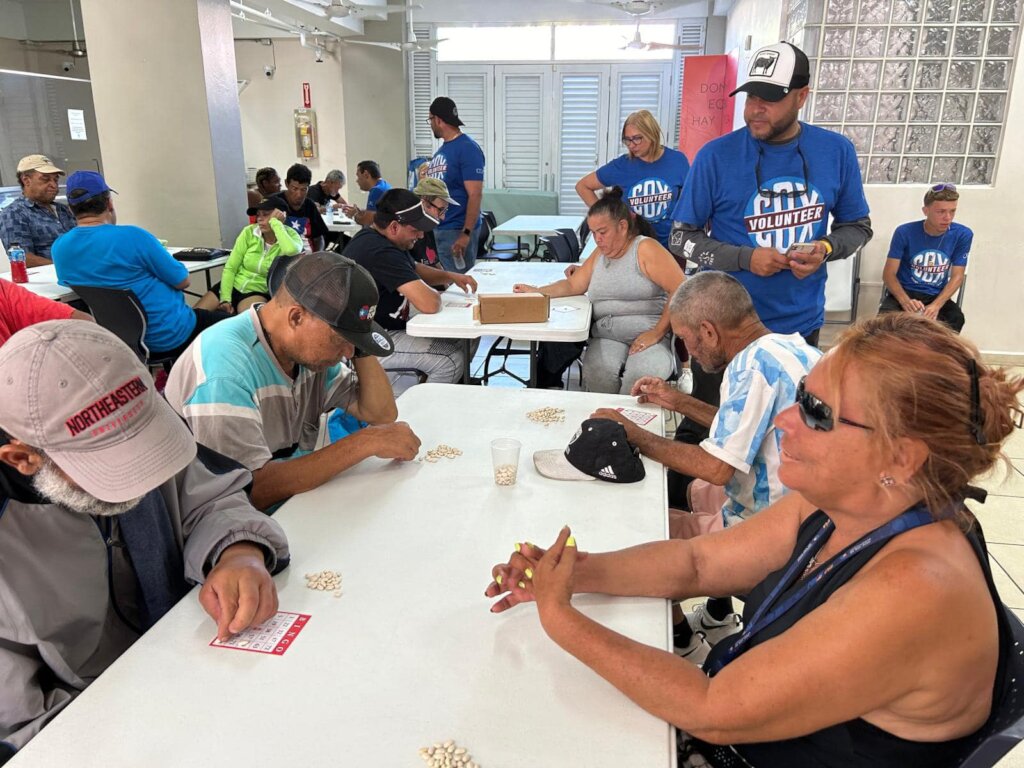
They have been receptive to participating in capacity-building activities through workshops, orientations, community conversations, education, and discussion tables. These settings allow them to exchange ideas and express their emotions, fostering healthy management of their daily lives. This approach enables them to contribute effectively and positively to many of their communities' projects.
Workshops and educational materials were provided on the following topics:
During this period, case management and community social work services were also provided through home visits, telephone calls with participants and community leaders, initial interviews, follow-ups, case discussions, appointment coordination, service coordination, document management, transportation services, and service referrals.
We reiterate our gratitude to you, our social investors, who believe in our mission to continue impacting the lives of those who need it most. With your support, we can achieve this and more.
Links:
Project reports on GlobalGiving are posted directly to globalgiving.org by Project Leaders as they are completed, generally every 3-4 months. To protect the integrity of these documents, GlobalGiving does not alter them; therefore you may find some language or formatting issues.
If you donate to this project or have donated to this project, you can receive an email when this project posts a report. You can also subscribe for reports without donating.



Support this important cause by creating a personalized fundraising page.
Start a Fundraiser