By Beth Larsen | Project Leader
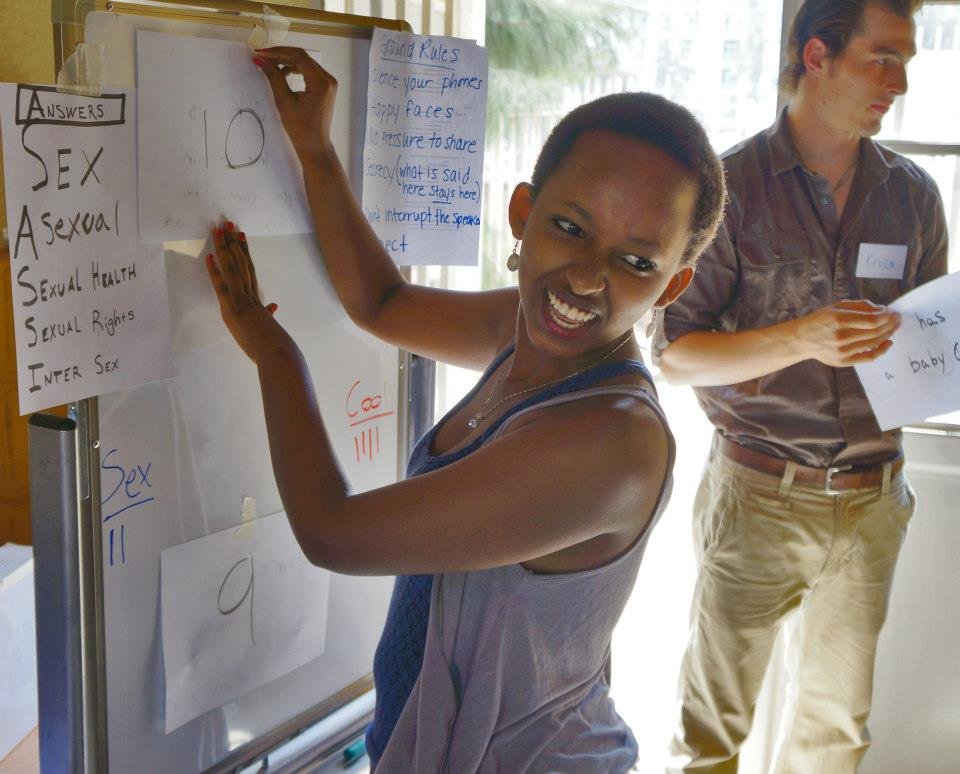
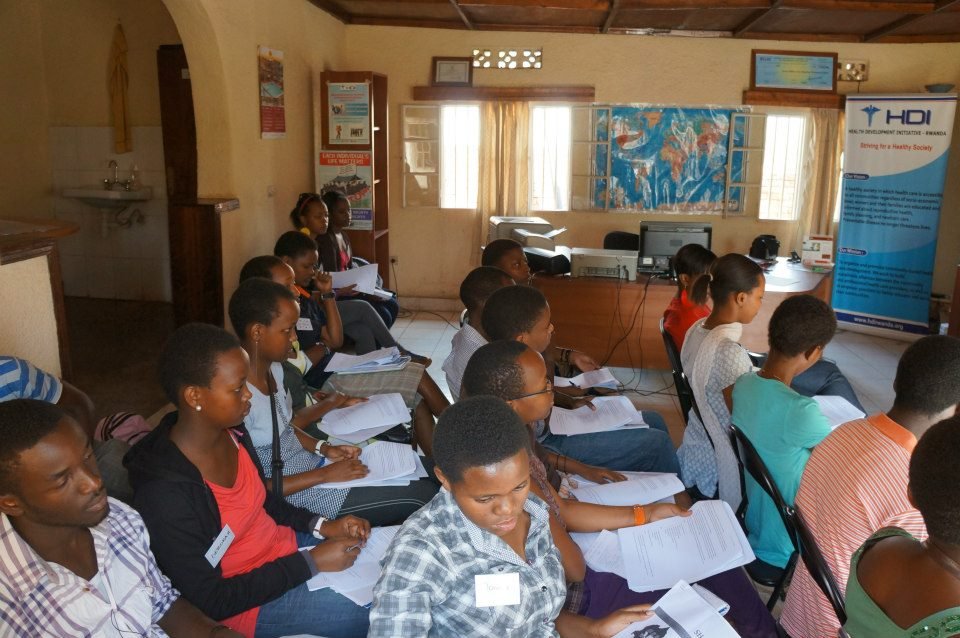
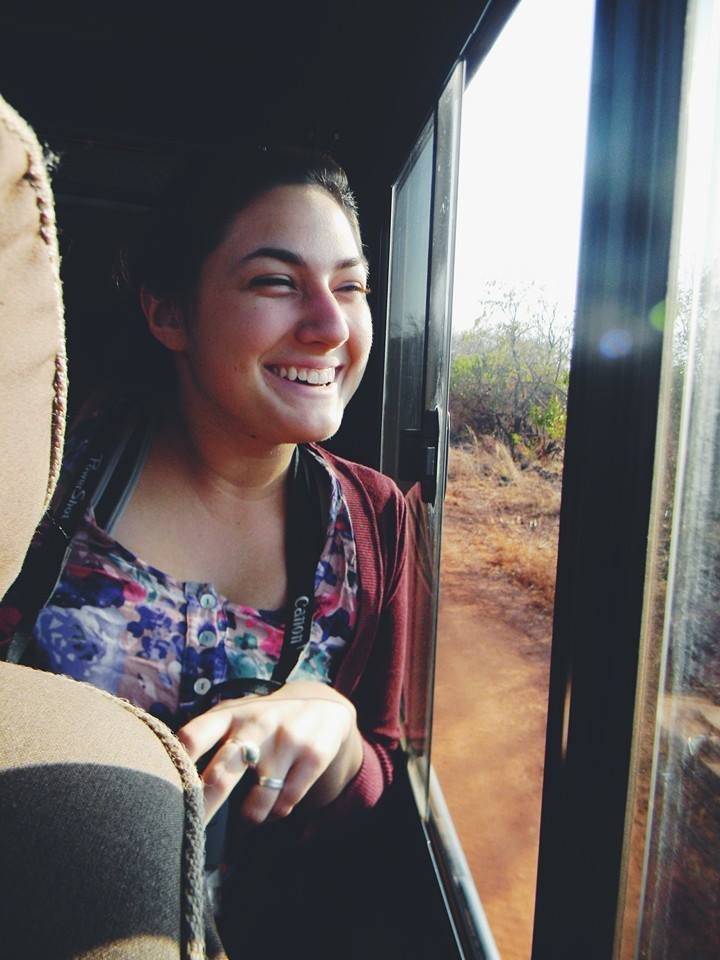
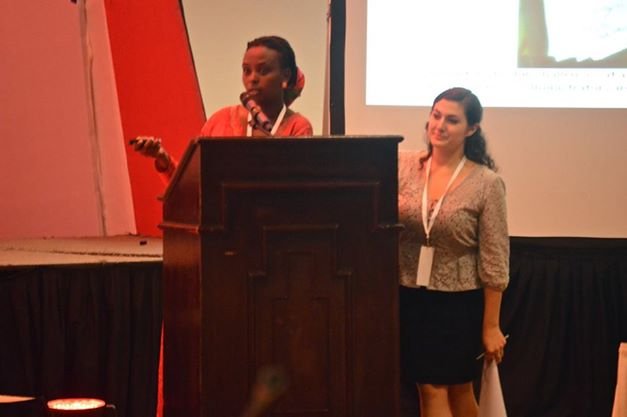
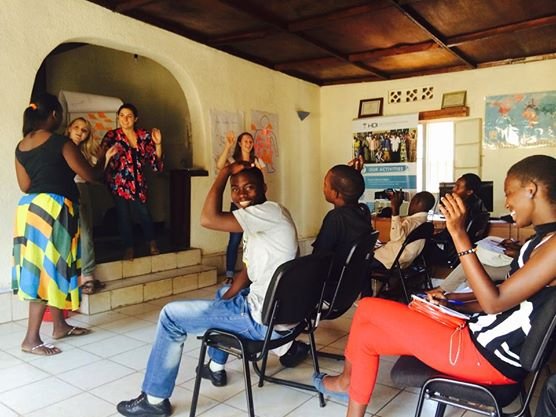
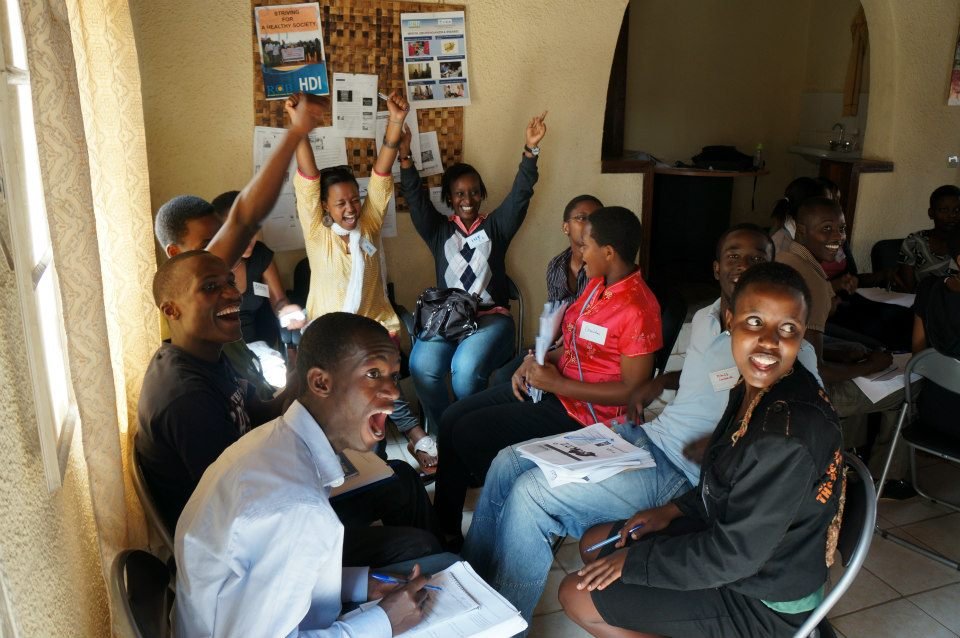
Meet Julie Saracino, the SHARE program coordinator who has been working with Health Development Initiative (HDI) for the past six months. HDI's sexual health and reproductive education (SHARE) program works in conjunction with student-driven Anti-AIDS clubs in high schools in Kigali, Rwanda to fill the existing gaps in the schools' sexual health curricula. With your support, we were able to hire Julie to support the program's development. As the SHARE coordinator, she coordinates a team of 5 facilitators that make weekly school visits, develops club leader manuals and educational materials, assists in the planning of awareness events, and organizes annual trainings for Anti-AIDS club leaders and school administrative staff. She has also been instrumental in writing grants amounting to over $2 million so far to support a variety of HDI's sexual and reproductive health projects.
Julie graduated from The University of North Carolina-Chapel Hill in 2014 where she majored in Global Studies and completed two minors in Sexuality Studies and Medical Anthropology. She was also an intern for the Teens Climb High Program at the Compass Center in Chapel Hill where she co-facilitated comprehensive sexual and reproductive health education classes for low-income middle school girls.
Julie is an amazing program coordinator and an even better person, so we asked her a few questions to help you get to know her a little better :)
What sparked your interest in sexual health education?
In college, I became fascinated with the field of reproductive health because it is a combination of my interests in women’s empowerment, global health, and sexuality studies. I was drawn to sexual health education because it serves as an empowerment tool for its audiences, enabling its beneficiaries to make critically informed decisions about their health and sexuality. Providing sexual health education became a passion of mine upon discovering the extent to which it is restricted, inaccurate, and underfunded in many parts of the world.
What drew you to HDI? …the SHARE program?
When applying for jobs after college, I was adamant about finding a community-based health organization founded by Rwandans for Rwandans. HDI is exactly that, and even more attractive is its demonstrated success in areas like sexual health advocacy, particularly for marginalized and vulnerable populations. Working on the SHARE Program seemed like a perfect fit for me since I had experience in facilitating sexual health courses for youth, similar to the anti-AIDS clubs here in Kigali. I was very impressed and inspired that so many students are taking the initiative to form these clubs and learn more about sexual health, so I wanted to be a part of that engaging environment.
What are your goals for the SHARE program this year?
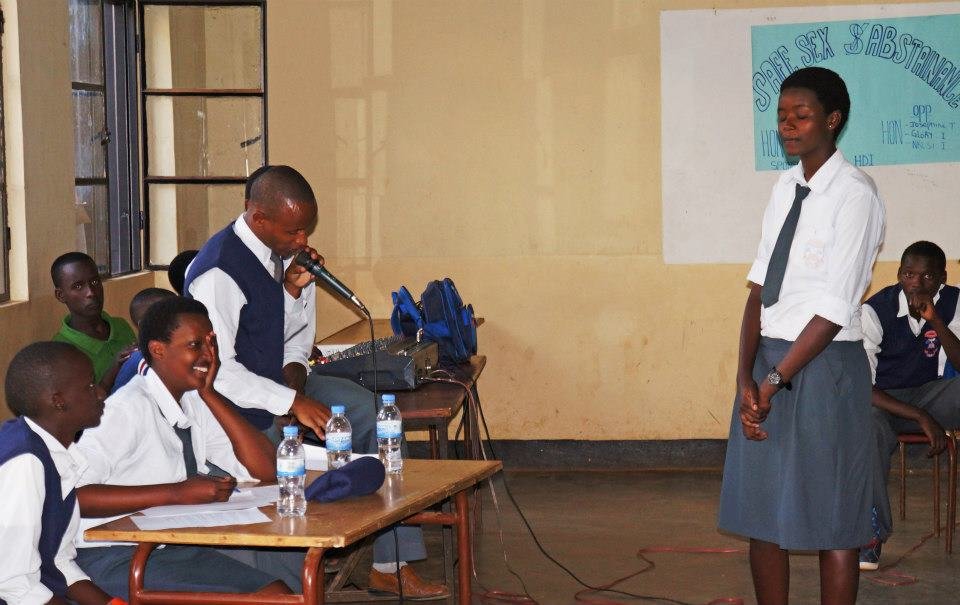
I have a few things in mind! The students have expressed a need for individual educational materials. I’m working right now on compiling an abbreviated sexual health manual with accurate and neutral information about puberty, sexuality, relationships, etc. It’s my goal that all members of the anti-AIDS clubs will have one of these manuals. I’ve also observed from attending school events that students enjoy expressing what they are learning through dramatic skits, poetry, songs, and dance. I have envisioned incorporating more art into SHARE as a channel for processing the sexual health content. Additionally, SHARE in schools needs to be more closely monitored and evaluated to assess its actual impact. Once that happens, we’ll be able to expand successfully into other schools and to non-schooled youth!
Why fund sexual health education in Rwanda?
Sexual health education should be funded in Rwanda for a number of reasons. Because Rwandan youth are faced with social and institutional barriers when accessing contraceptives, for example, there exist high rates of sexually transmitted infections, HIV, unwanted pregnancies, and unsafe abortion. Therefore, it is very important that they are equipped with the knowledge and courage to take command of their own health if they choose to become sexually active. Furthermore, sexual health education catalyzes pragmatic discussions among peers, parents, and educators that mitigate the taboo surrounding sex, disease, and pregnancy. Rwandan youth have demonstrated their desire to have these kinds of discussions, evident in the formation of the clubs and the reported consumption of sexual health testing services, so it would behoove us to respect that need and make sexual health education possible.
Links:
Project reports on GlobalGiving are posted directly to globalgiving.org by Project Leaders as they are completed, generally every 3-4 months. To protect the integrity of these documents, GlobalGiving does not alter them; therefore you may find some language or formatting issues.
If you donate to this project or have donated to this project, you can receive an email when this project posts a report. You can also subscribe for reports without donating.