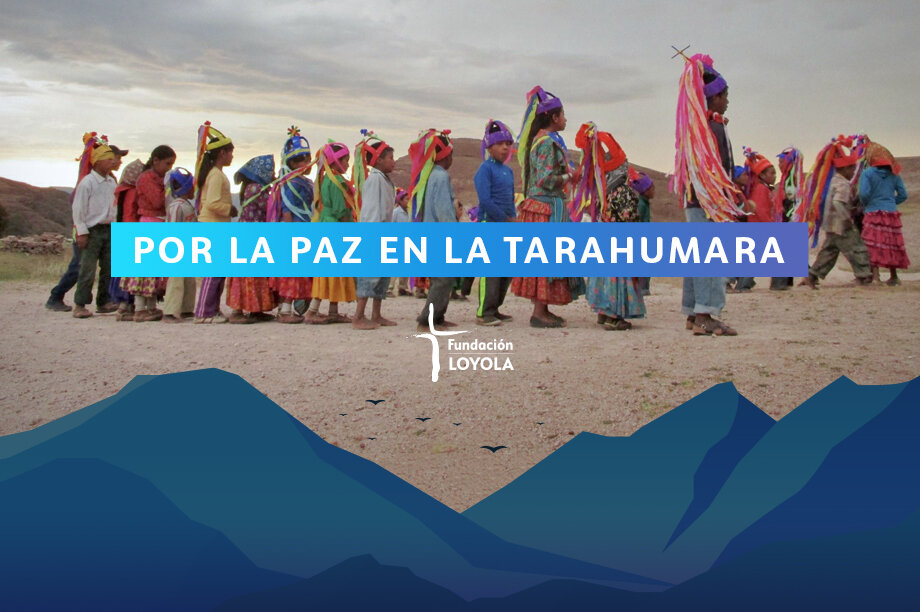
By Fundacion Loyola, Mexico | Donantes Individuales
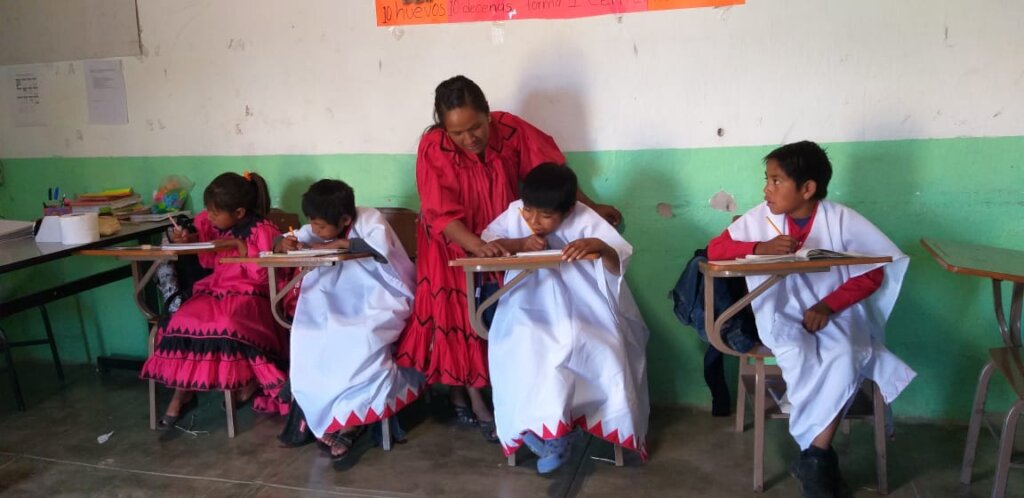
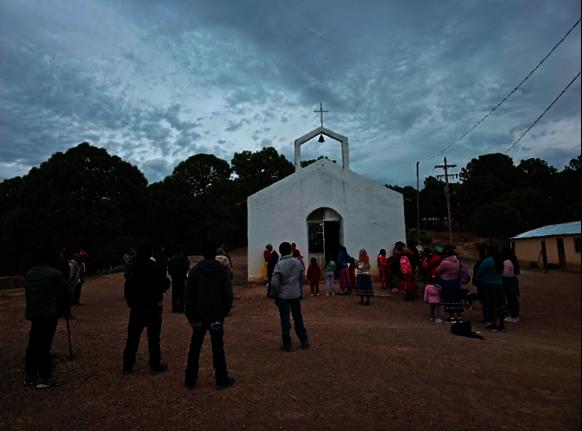
In 2015, the first cultural center, named Luis Felipe Gallegos, was formally established in the Raramuri community of La Gavilana, in the municipality of Batopilas, Chihuahua. This was motivated by the need for a place to teach children literacy and the Raramuri language, in response to the cultural uprooting prevalent in the Sierra Tarahumara.
Then, in 2016, the Ernesto Uranga Cultural Center began its activities in the community of Pamachi, in the municipality of Uriche. And in 2017, two more centers were opened: the Carlos Díaz Infante Cultural Center in the community of Guaguachique, in the municipality of Guachochi; and the Luis Verplancken Cultural Center and Teachers' House in the community of Samachique. All of them are located in the state of Chihuahua.
A community that incorporates its culture, language, and history.
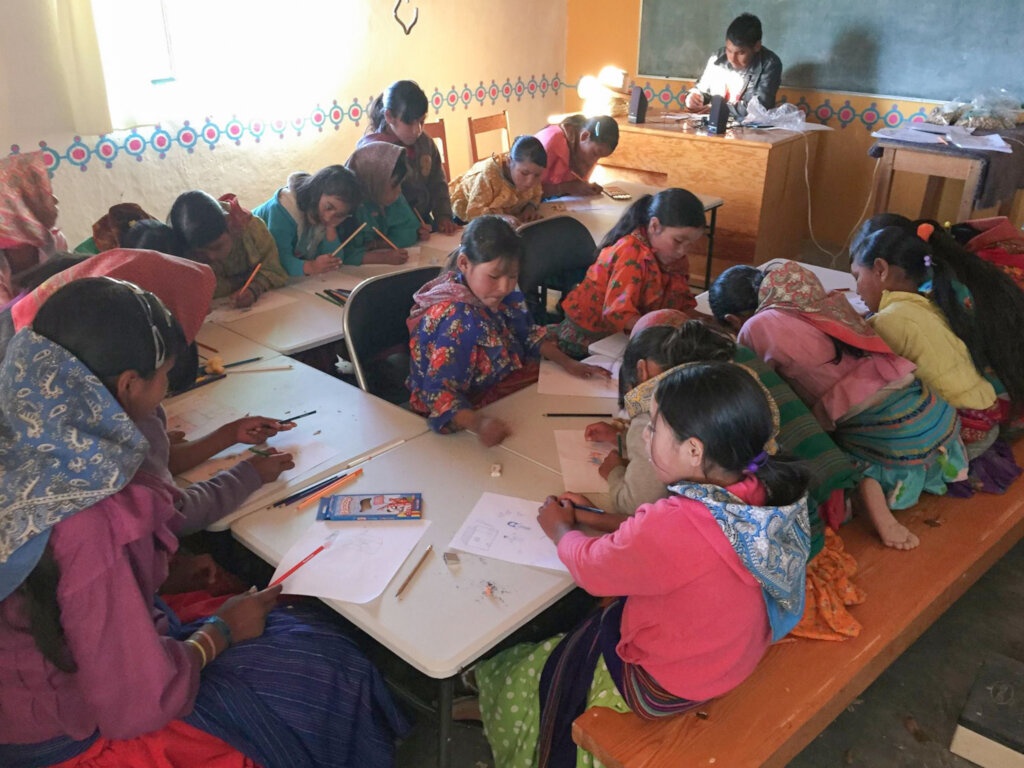
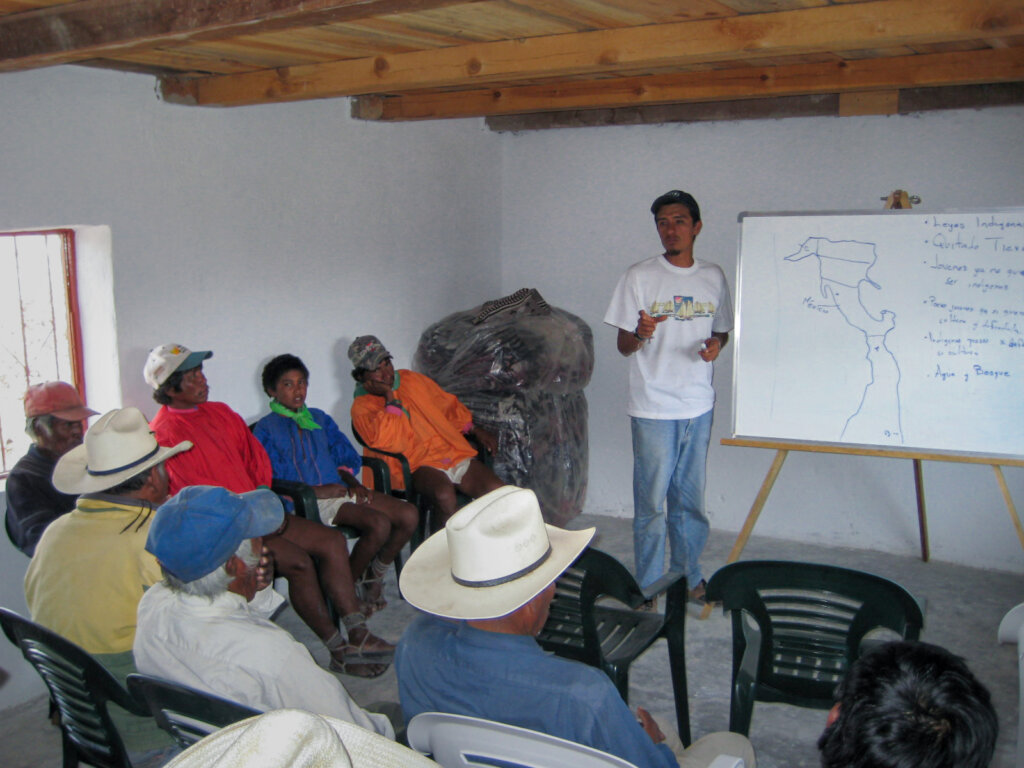
The Cultural Centers seek to support the Rarámuri communities in facing the sociocultural and economic challenges of the region. The objective of the Cultural Centers is to strengthen the right of children and youth to a quality intercultural education that incorporates their culture, language, and history. To this end, they work to promote the Rarámuri language, spread community identity, and encourage care for their territory and the environment.
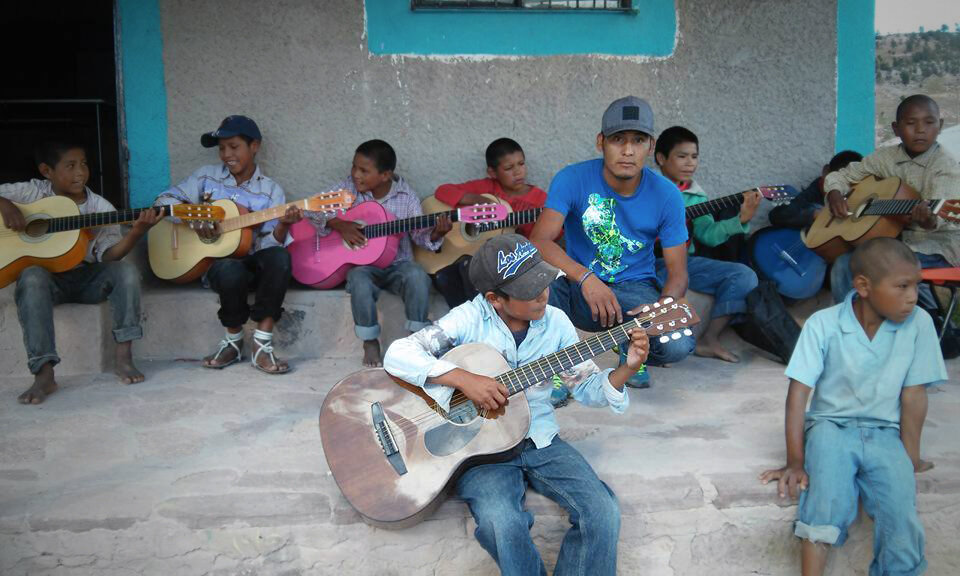
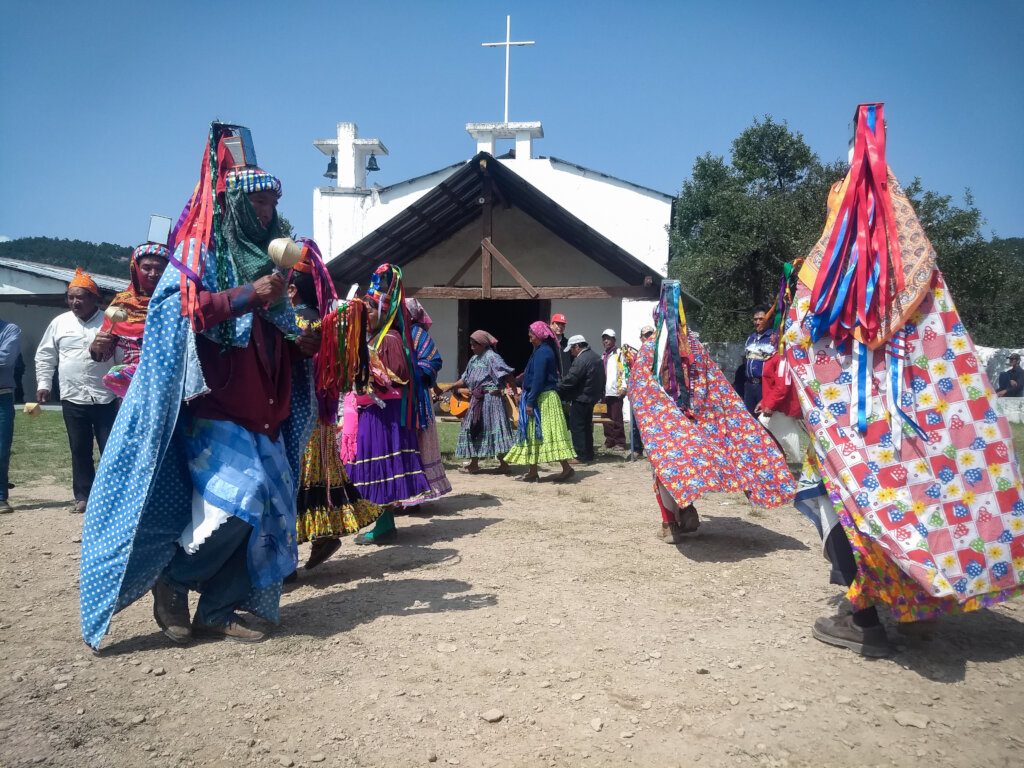
They promote the value of speaking and listening in the transmission of their traditions; active participation in festivals and the teaching of traditional music; and they encourage community organization and work, prioritizing dialogue with the mestizo world and the spread of a culture of peace.
Activities at Cultural Centers.
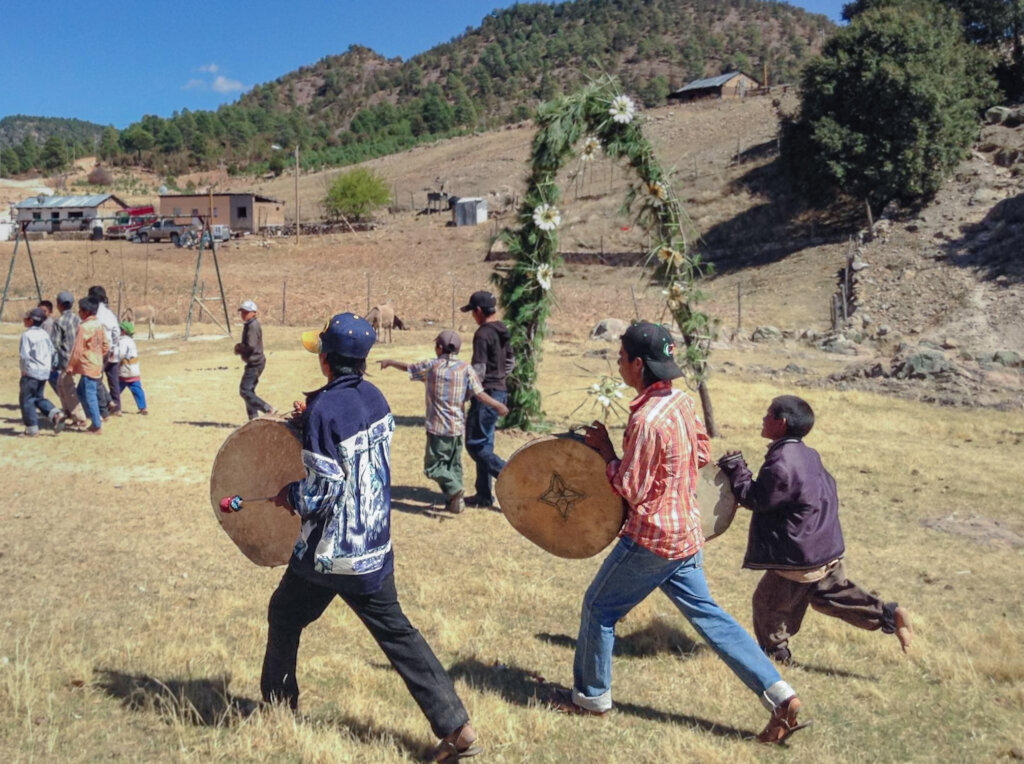
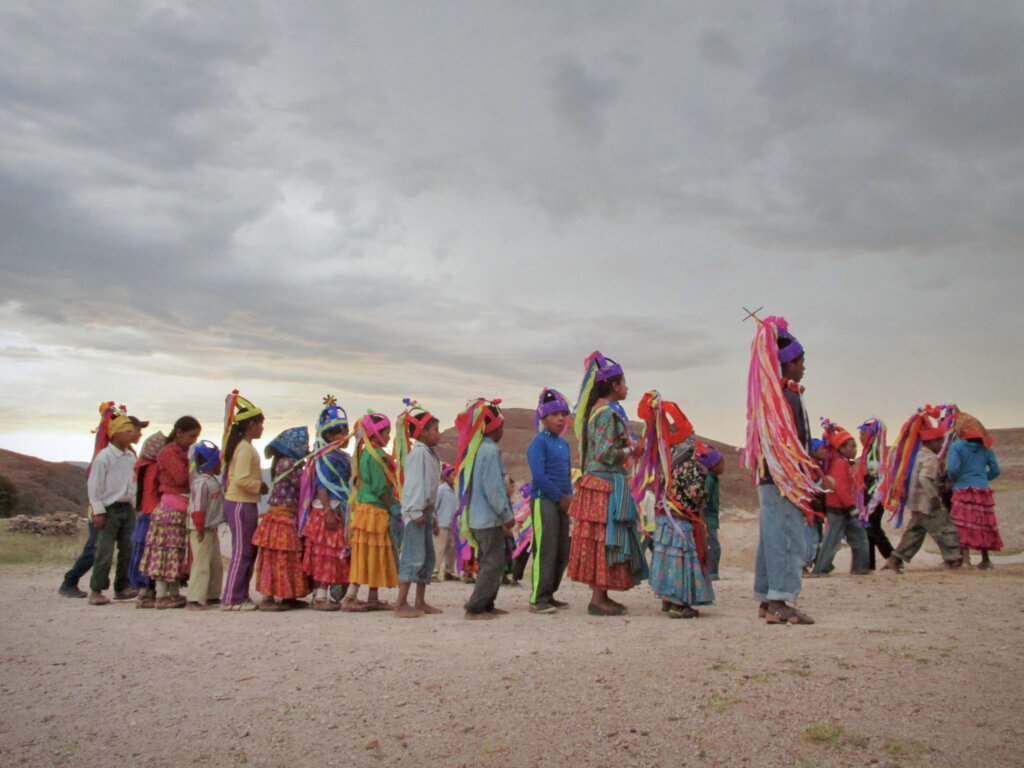
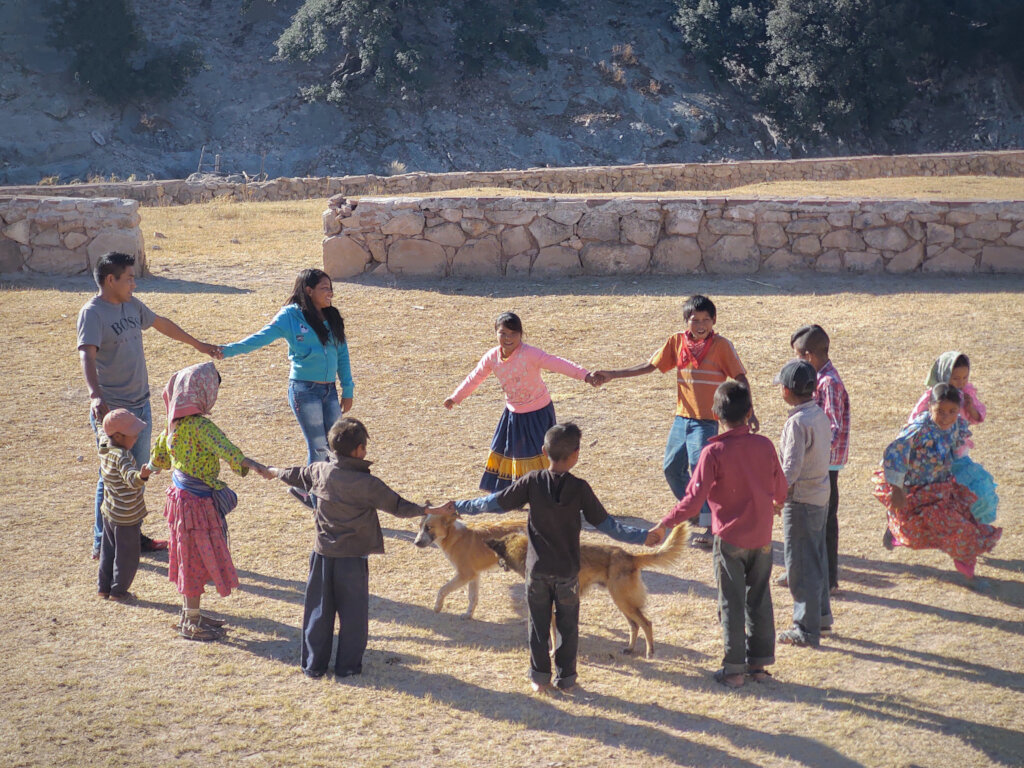
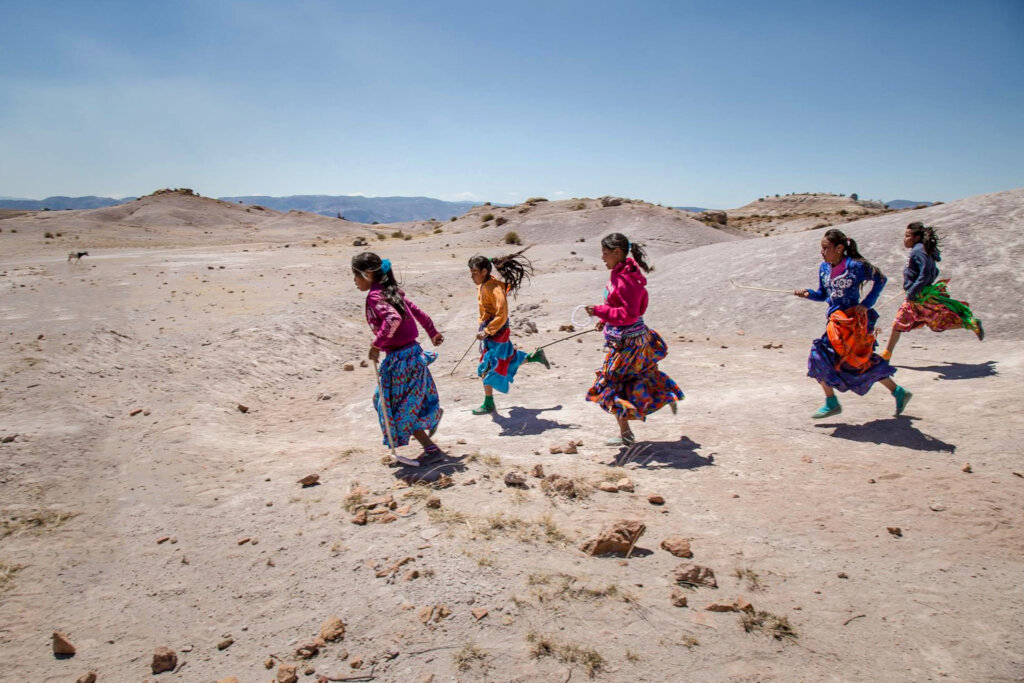
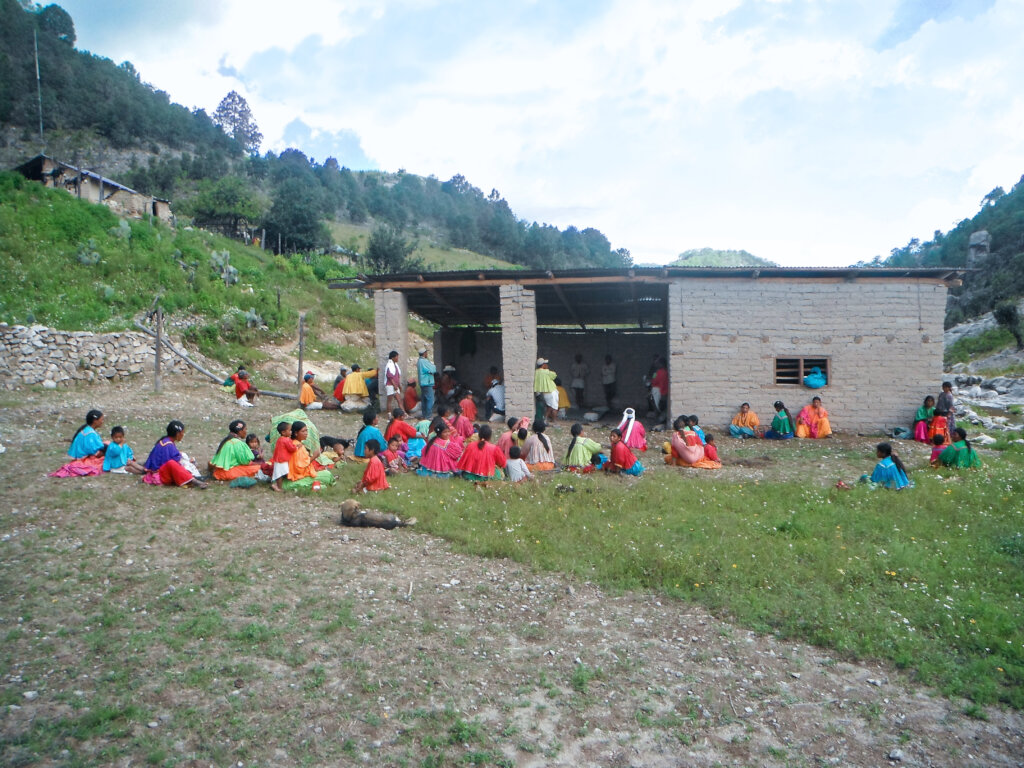
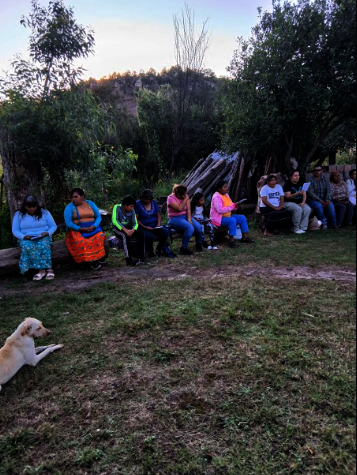
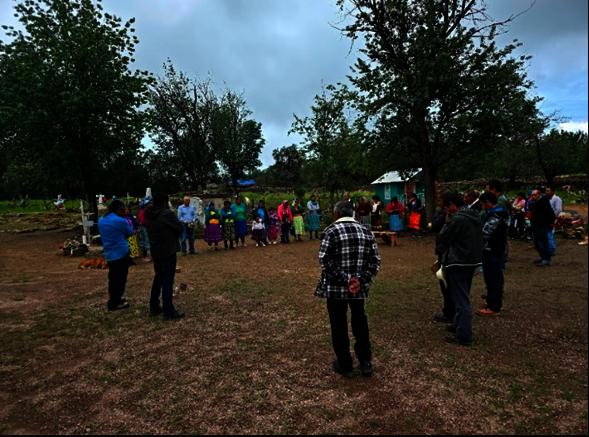
The coordinated work of Community Centers with communities and civil society has increased the participation of children and adolescents in daily activities and traditional celebrations and rituals.
Currently, various workshops are scheduled with bilingual teachers, such as: Rarámuri-Spanish language classes; traditional music and singing in Rarámuri; teaching of traditional dances such as Matachines and Yúmari; basket weaving and weaving with palm and pine leaves; use of computers and digital tools.
___________________________________________________________________
La identidad Raramuri y el fomento cultural en la Sierra Tarahumara
En la comunidad rarámuri de La Gavilana, en el municipio de Batopilas, en Chihuahua, en 2015 se formalizó la operación del primer Centro Cultural llamado Luis Felipe Gallegos. Motivado por la necesidad de contar con un lugar de alfabetización para la niñez y de enseñanza de la lengua rarámuri, como respuesta al desarraigo cultural predominante en la sierra Tarahumara.
Después en el año 2016 inició sus actividades el Centro Cultural Ernesto Uranga ubicado en la comunidad de Pamachi, en el municipio de Uriche. Y en el año 2017 se abrieron dos centros más, el Centro Cultural Carlos Díaz Infante en la comunidad de Guaguachique, en el municipio de Guachochi; y el Centro Cultural y Casa de Maestros Luis Verplancken en la comunidad de Samachique. Todos ellos en el estado de Chihuahua.
Comunidad que incorpora su cultura, su lengua y su historia.
Los Centros Culturales buscan ser un apoyo para las comunidades Rarámuri frente a los desafíos socioculturales y económicos de la región. El objetivo de los Centros Culturales es fortalecer el derecho de la niñez y la juventud a una educación intercultural de calidad que incorporé su cultura, su lengua y su historia. Con ello se trabaja en la apropiación de la lengua Rarámuri, difundir la identidad comunitaria e impulsar el cuidado de su territorio y el medio ambiente.
Promoviendo el valor de la palabra y escucha en la transmisión de sus tradiciones; la participación activa en las fiestas y la enseñanza de la música tradicionales; además de favorecer la organización y el trabajo comunitario privilegiando el diálogo con el mundo mestizo y la difusión de una cultura de paz.
Actividades en los Centros Culturales.
El trabajo coordinado de los Centros Comunitarios con las comunidades y la sociedad civil ha logrado el aumento de la participación de la niñez y adolescencia en las actividades diarias y las celebraciones y ritos tradicionales.
Actualmente, se programan talleres diversos con profesores bilingües, como los son: clases de lengua Rarámuri - Español; Música tradicional y canto en Rarámuri; enseñanza de Danzas tradicionales como la de Matachines y la de Yúmari; elaboración de Cestería y Tejido de palma y hojas de pino; uso de computadoras y herramientas digitales.
Project reports on GlobalGiving are posted directly to globalgiving.org by Project Leaders as they are completed, generally every 3-4 months. To protect the integrity of these documents, GlobalGiving does not alter them; therefore you may find some language or formatting issues.
If you donate to this project or have donated to this project, you can receive an email when this project posts a report. You can also subscribe for reports without donating.



Support this important cause by creating a personalized fundraising page.
Start a Fundraiser