By Nadia Fairuza Azzahra | Research Trainee
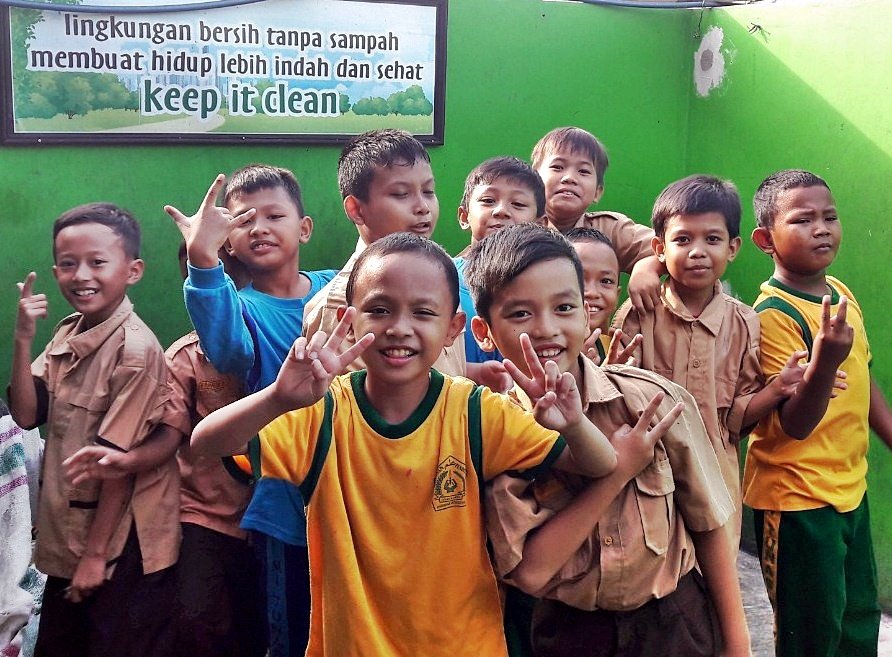
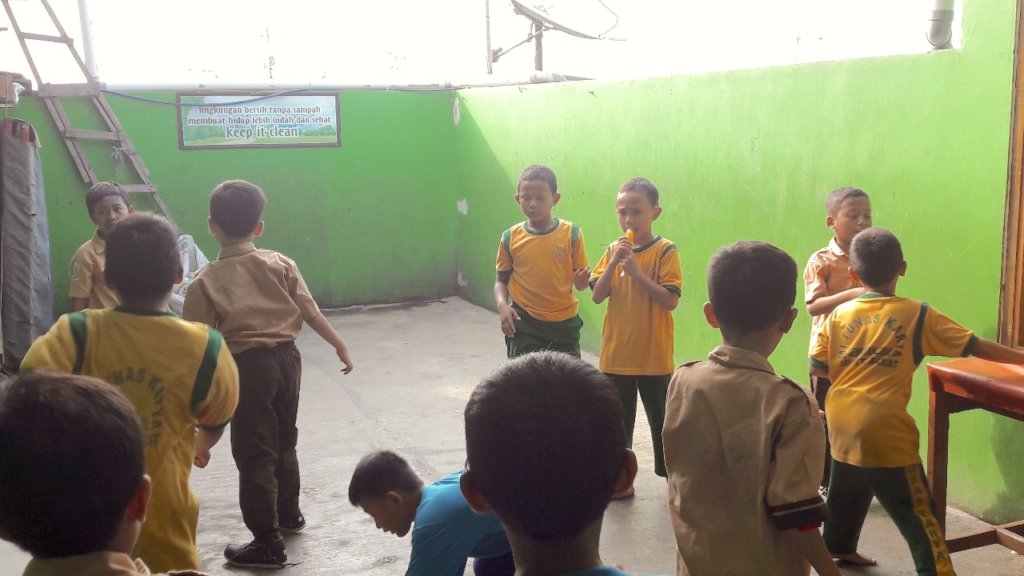
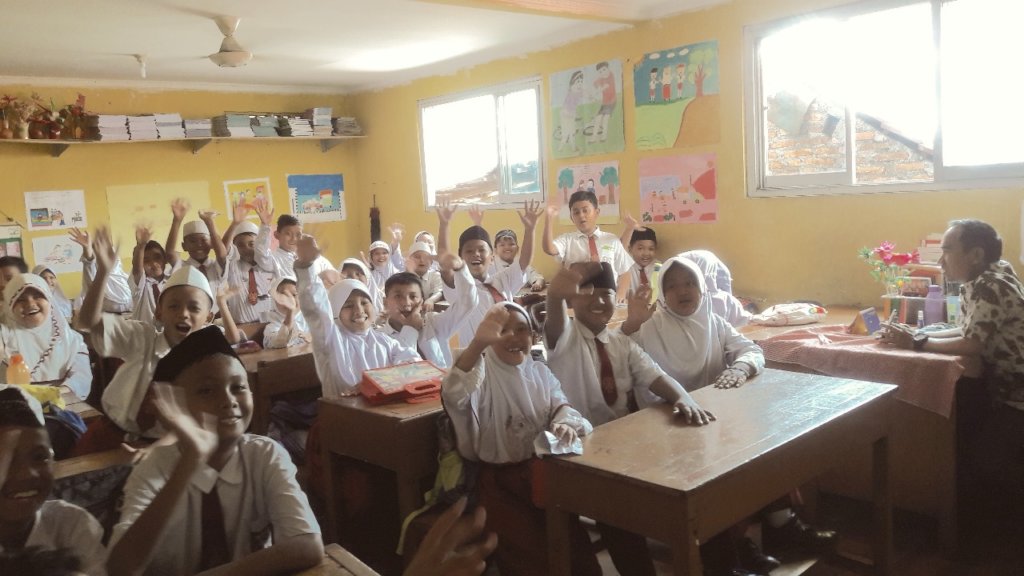
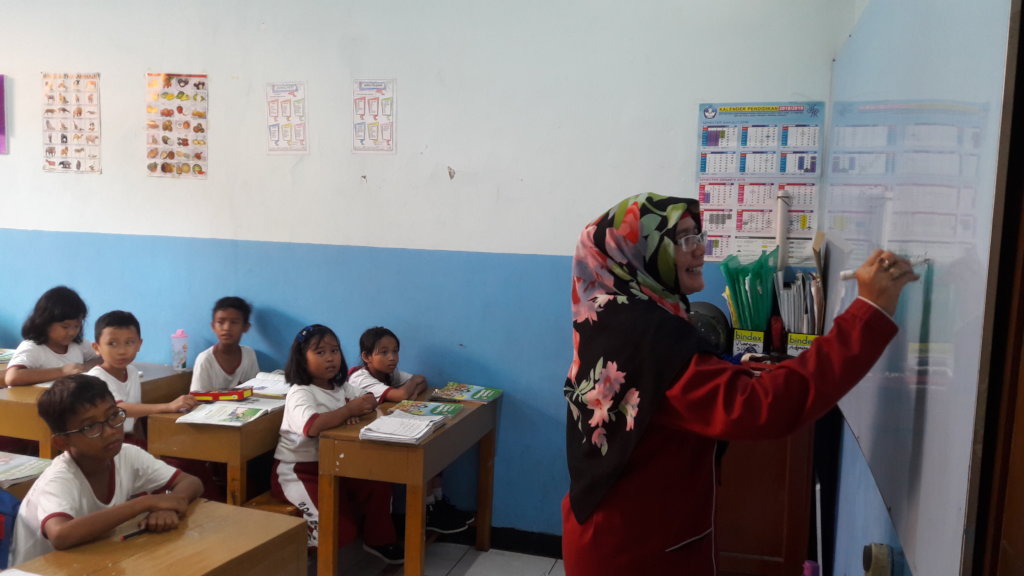
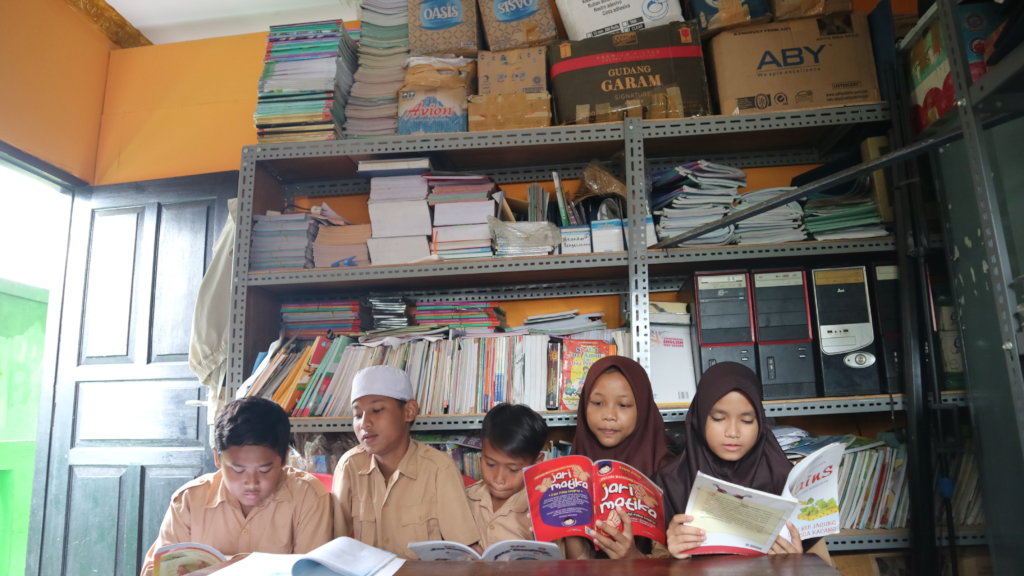
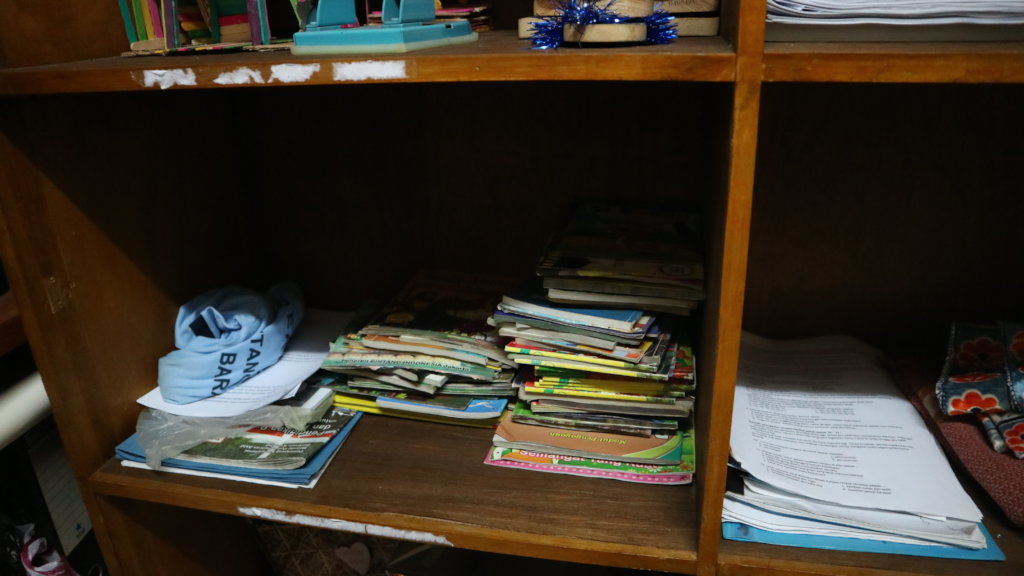
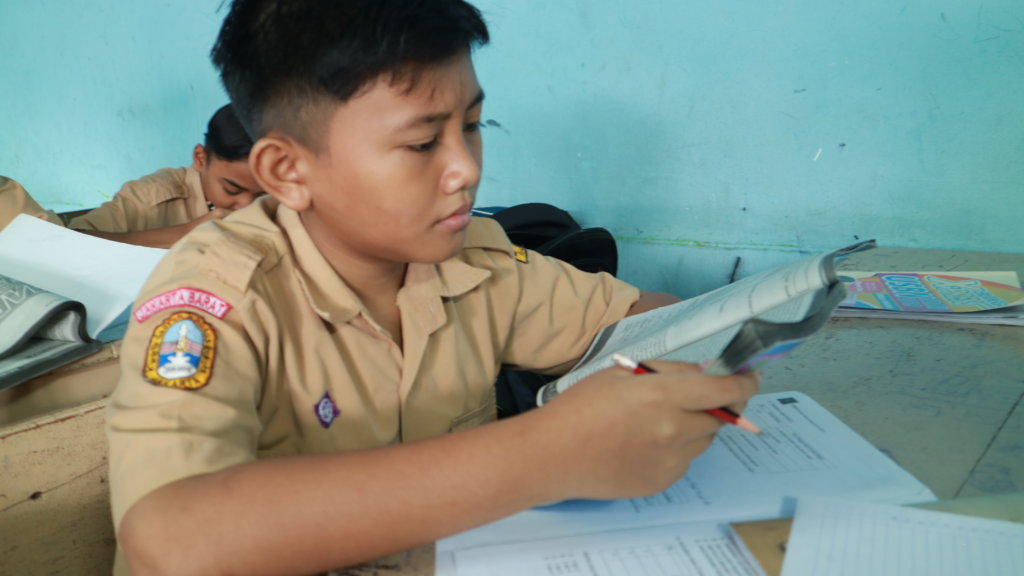
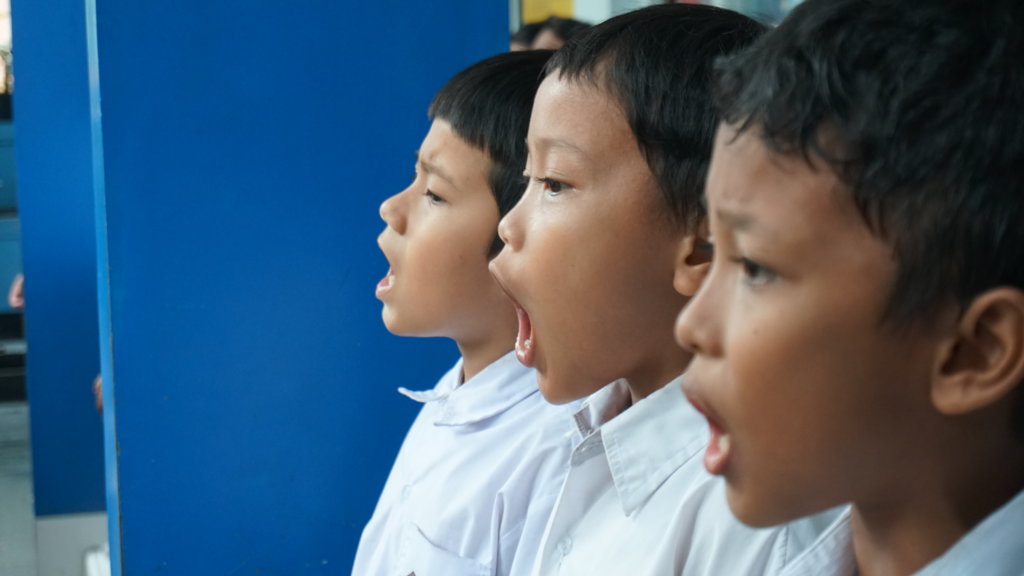
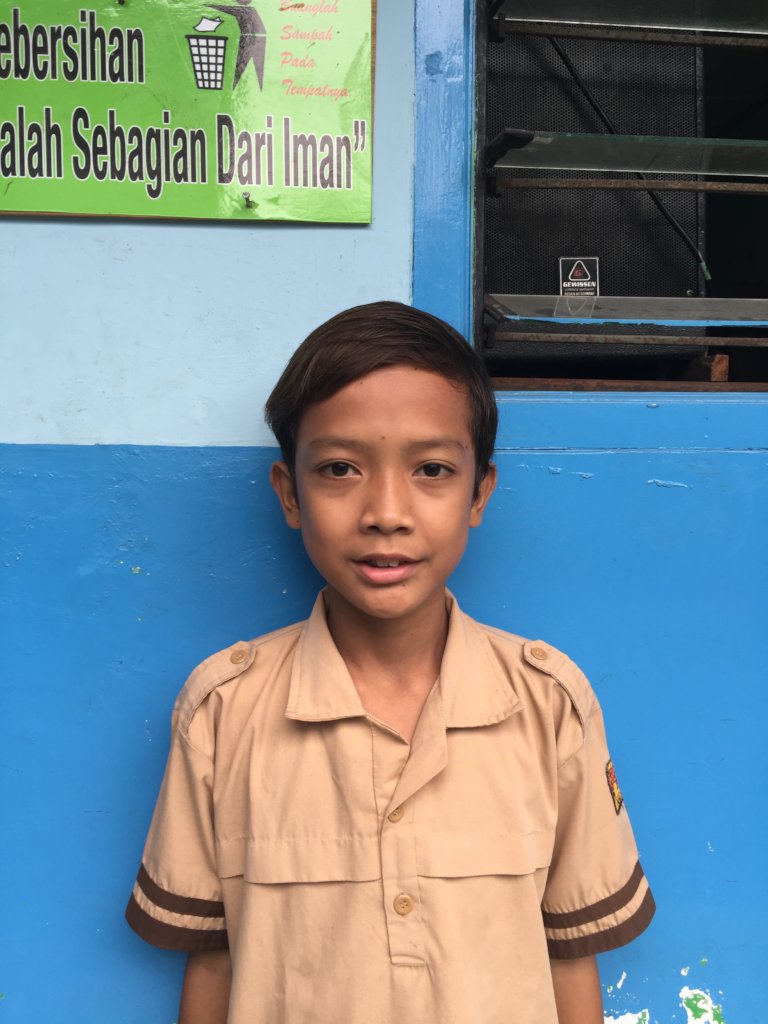
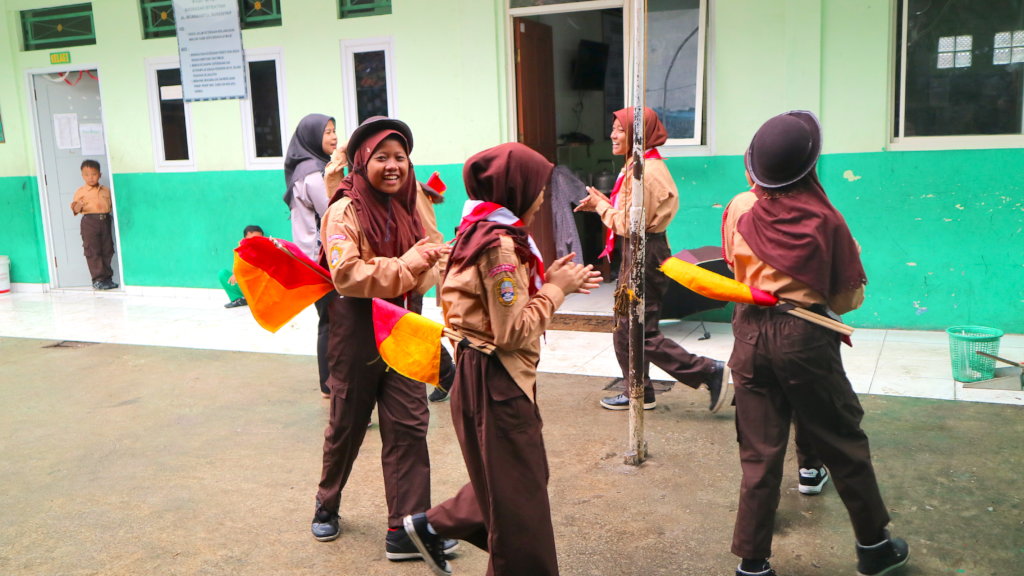
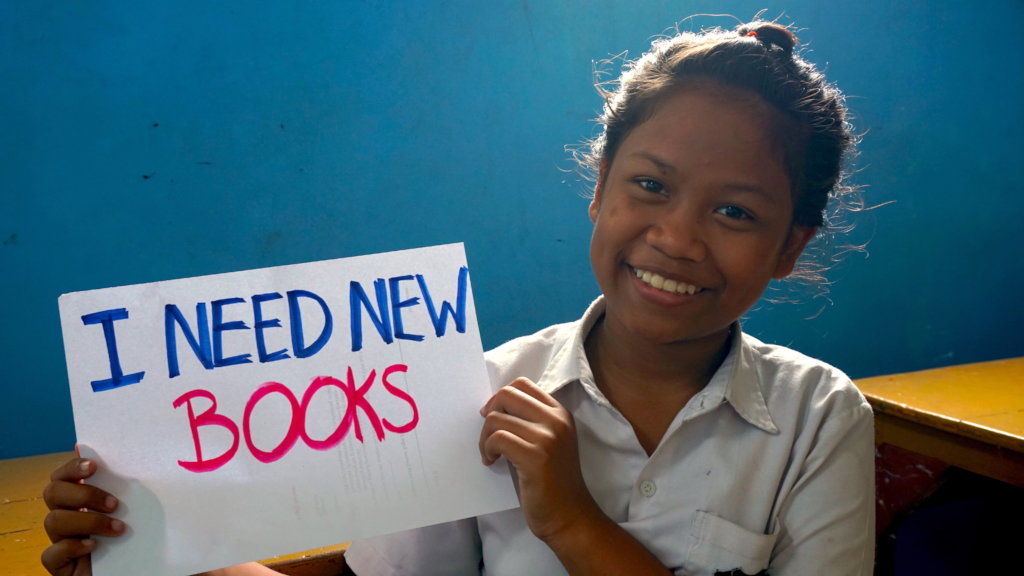
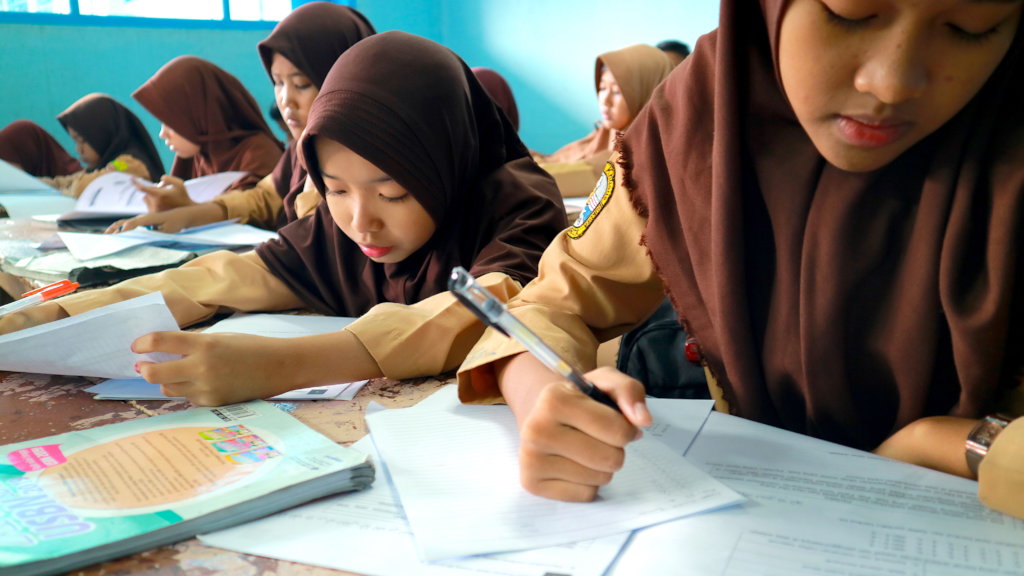
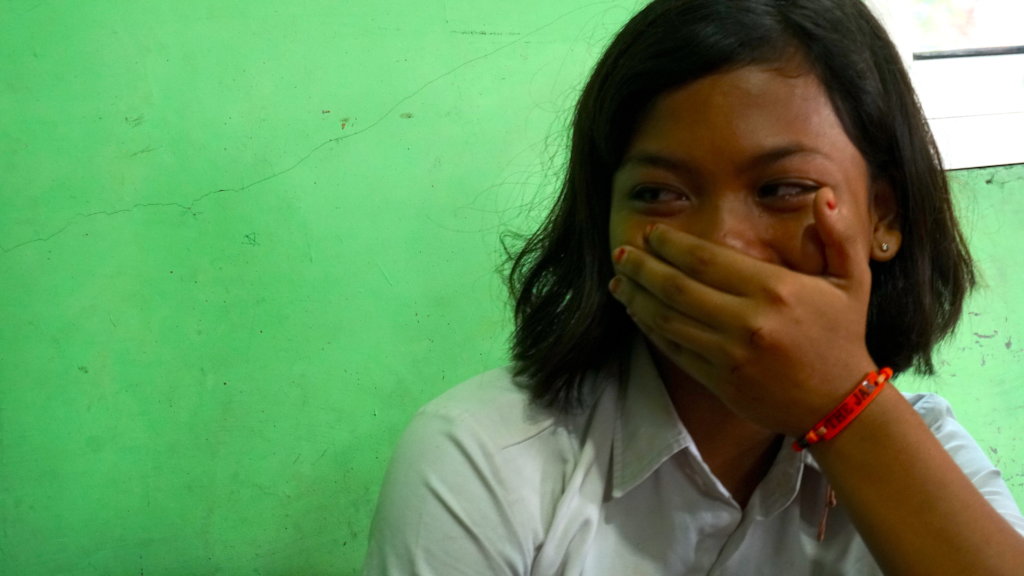
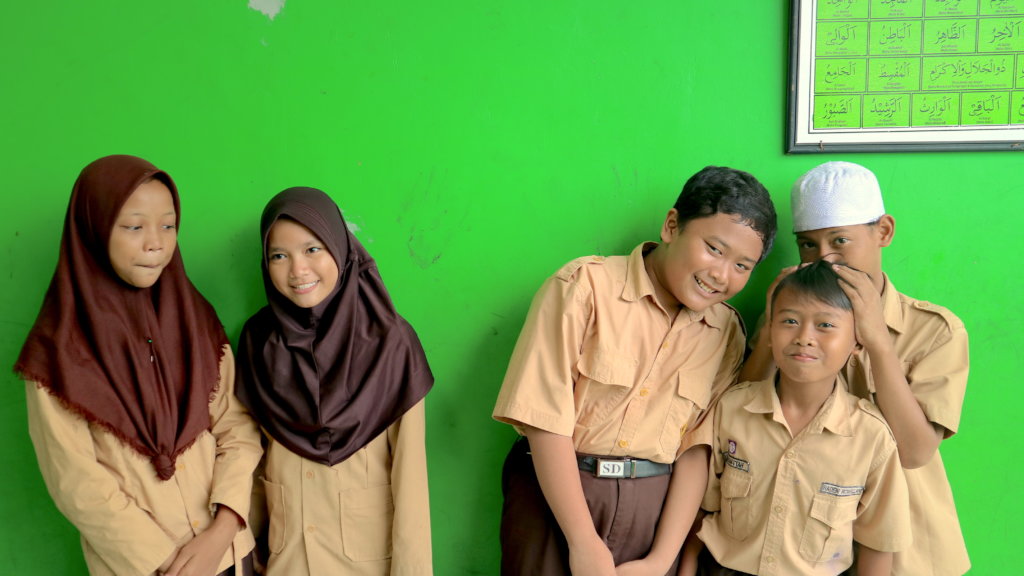
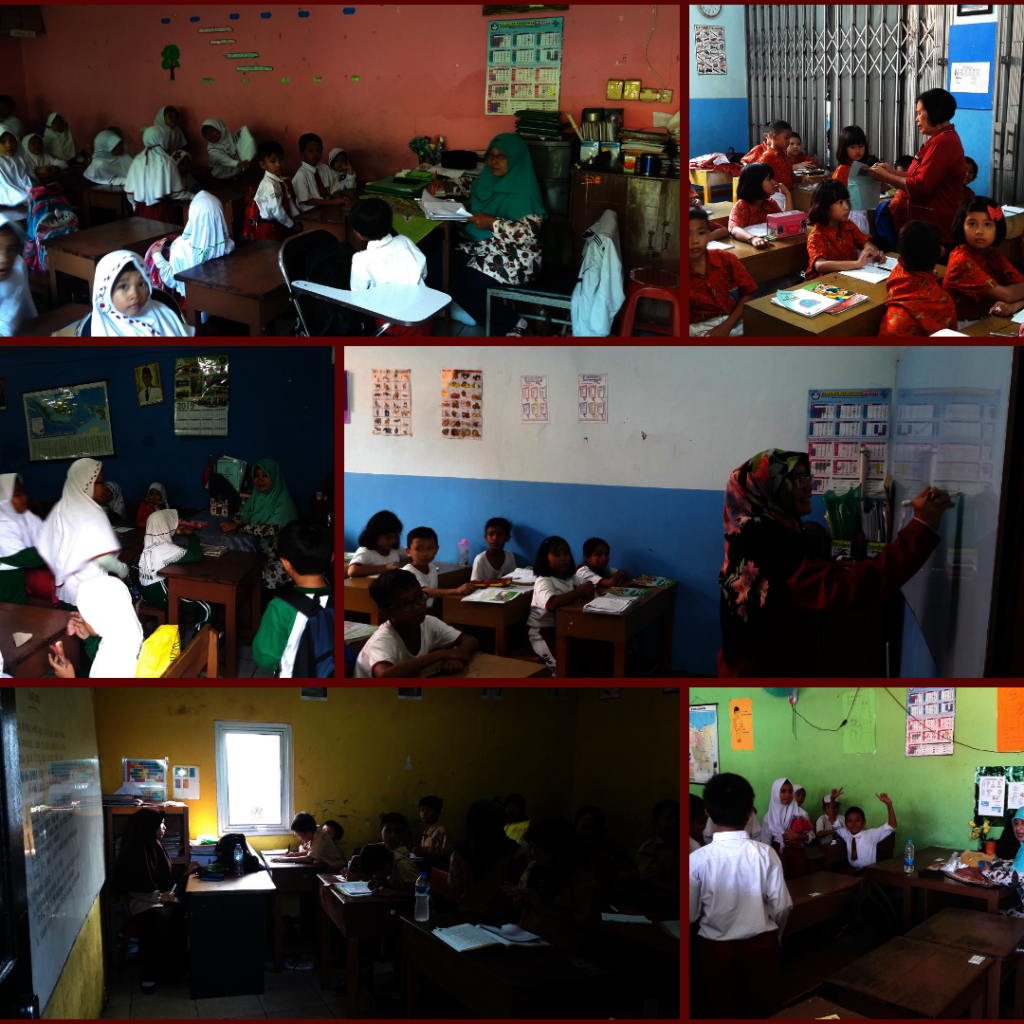
Our short visit to Tambora and Koja was worth remembering. To find out what kind of assistance these kids needed the most, we roamed through the nooks and crannies of both areas, talked to school principals and some of the students. As we learned about the problems surrounding their education, we also found things that we uncovered: the blatant depiction of their hardship and urgent needs. These two different locations evocatively portray multifaceted social and economic problems that hold the kids back from living up to their true potentials.
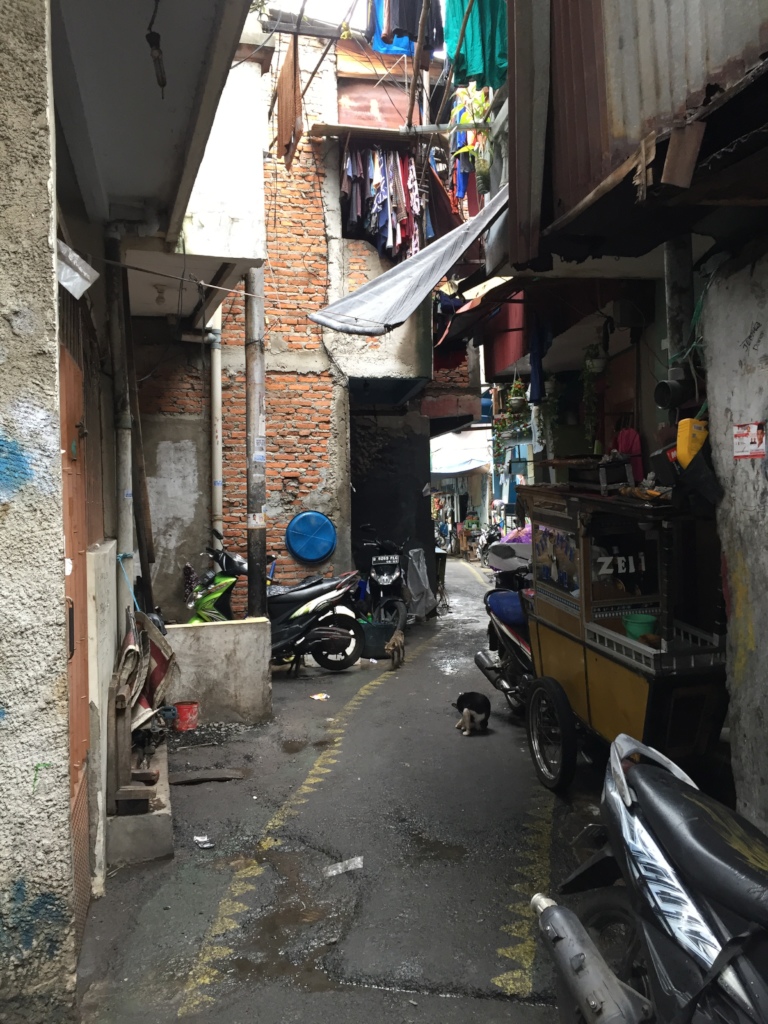
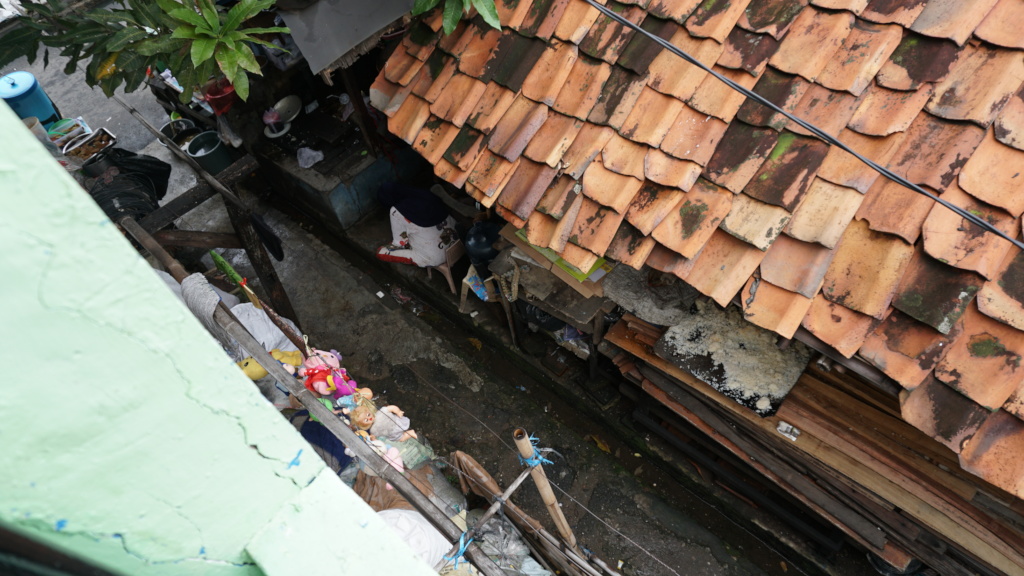
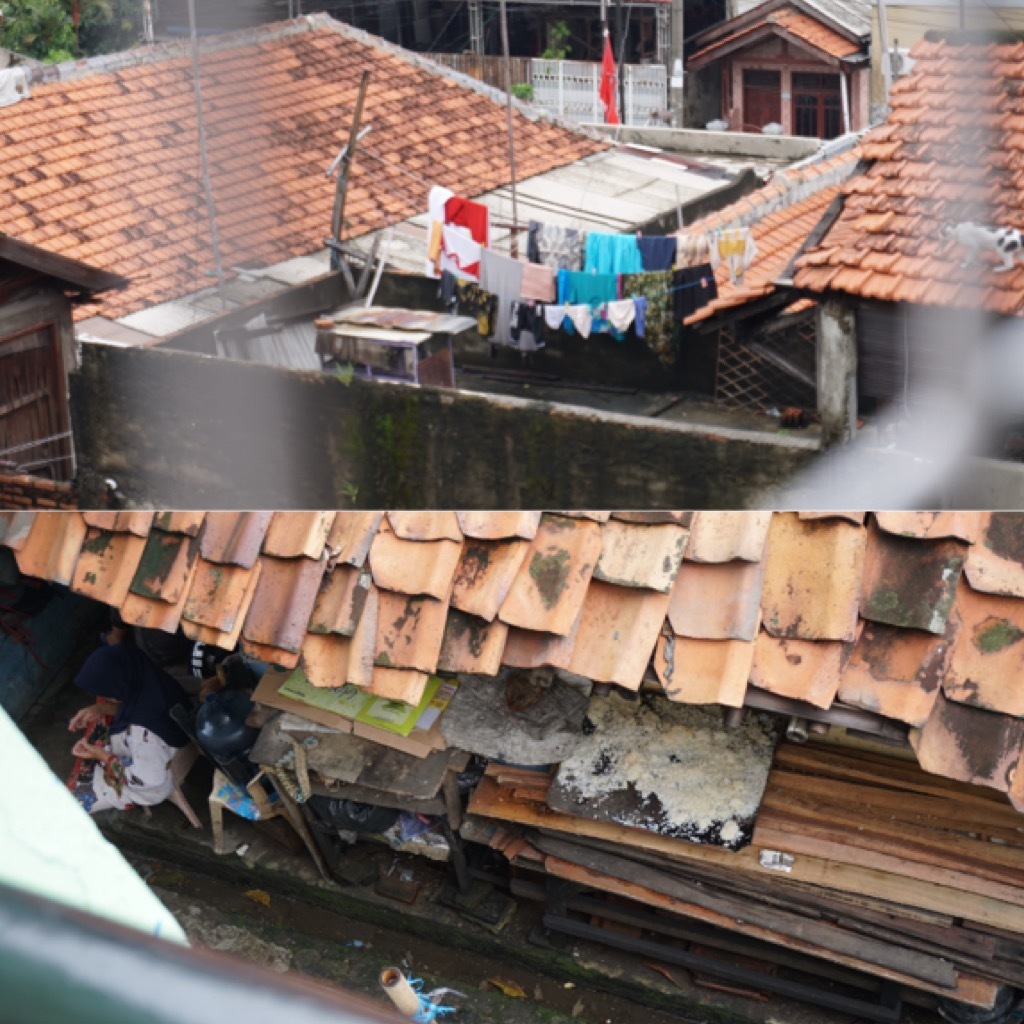
When we visited Tambora, we knew this was the region dubbed ‘the most populated sub-district in South East Asia’ yet couldn’t believe just how populated it really was. The neighborhood comprised of countless narrow alleys packed with small, semi-permanent houses in which the majority of them are only separated with plywoods. What really surprised us was that some houses could be inhabited by 3-5 poor families and they even take turns in resting as the house cannot accommodate all family members at once.
The chaotic arrangement of the houses often resulted in a wildfire. The headmaster from a school that we visited mentioned that wildfire is a very common occurrence and she compared it to a regular social gathering. Imagine if every month there is a kid that could not go to school because their house is on fire. They lose everything in the blink of an eye. Schooling is not a priority as they have to rebuild their lives from scratch.
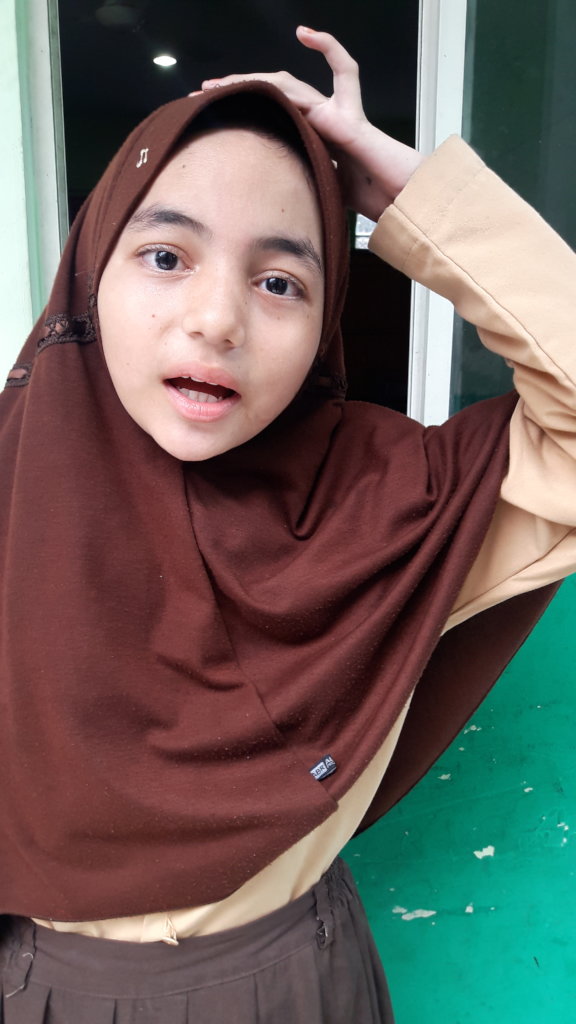
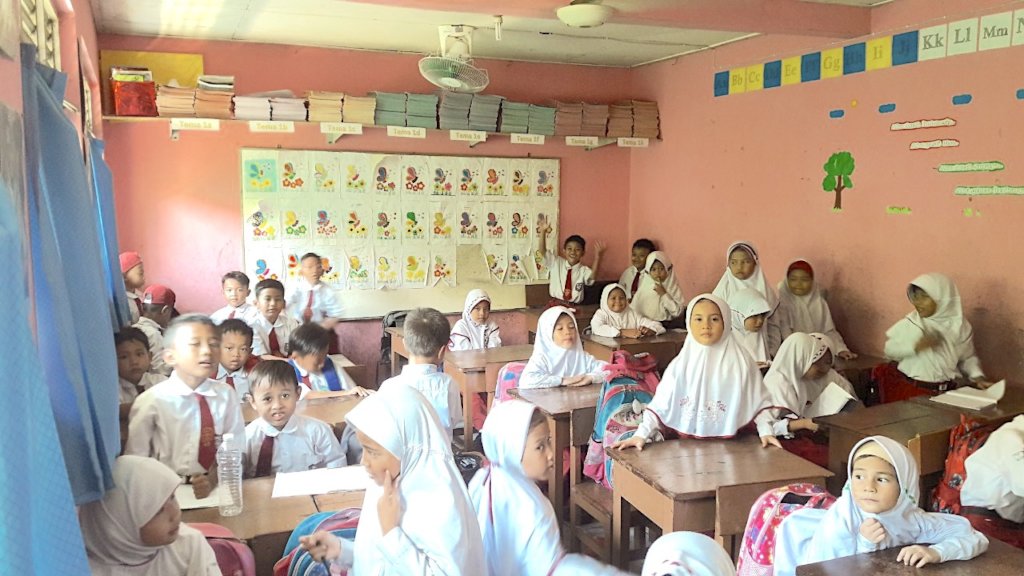
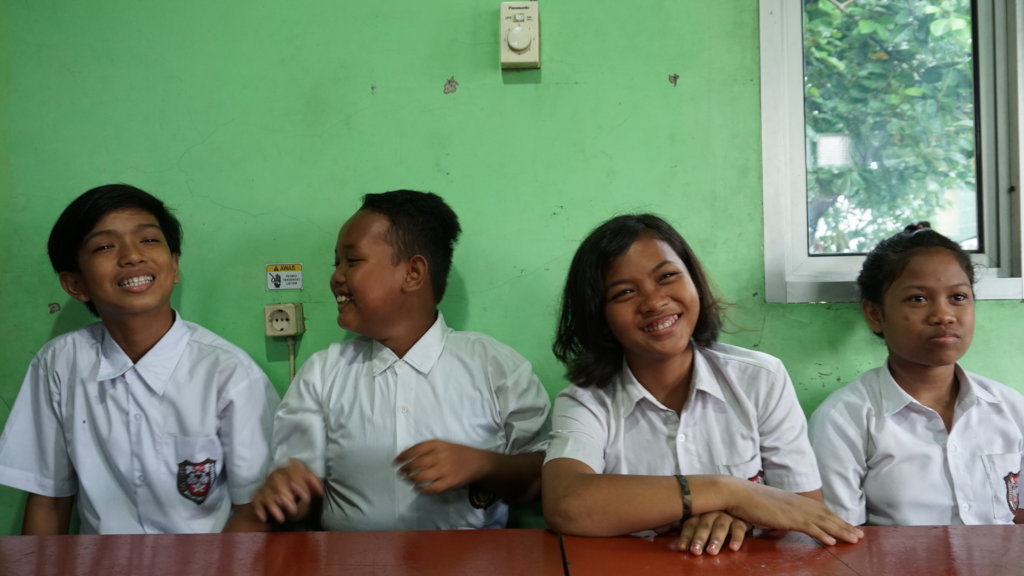
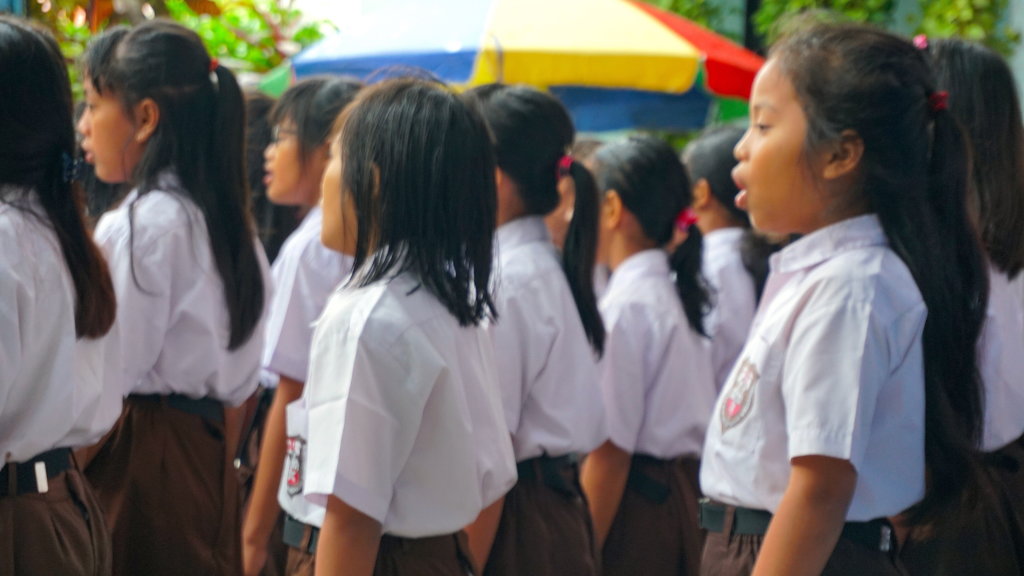
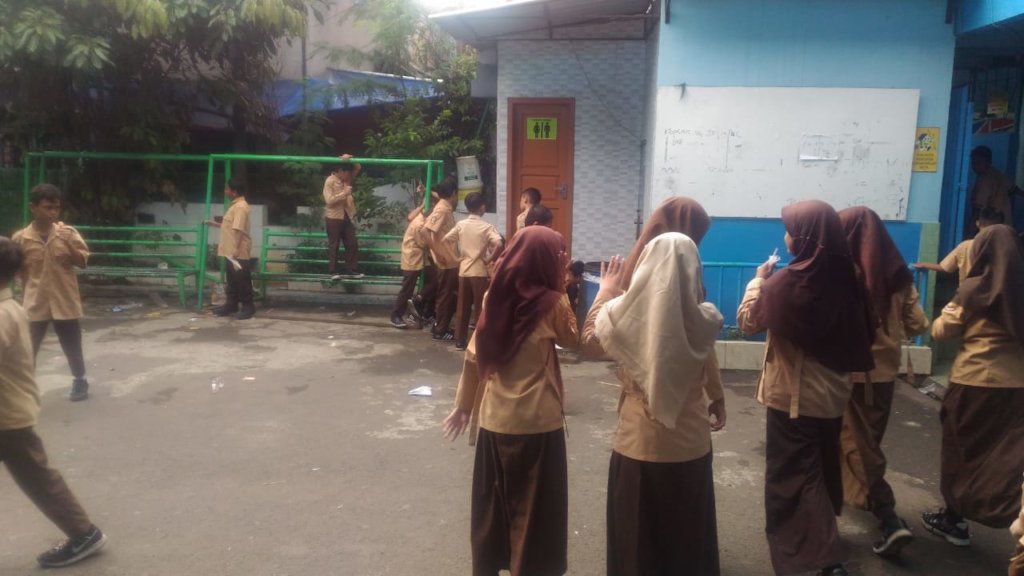
Despite its extreme population density, Tambora is also a home for many aspiring students who are eager to pursue education but are constrained by economic problems. 90% of the students are coming from low socio-economic backgrounds, with families who struggle to make ends meet. These determined students do not know if they can continue their schooling or not.
The other region that we visited was Koja. It has the highest population density in North Jakarta, but unlike Tambora, Koja is notorious for high rates of drug abuse, robbery, and even prostitution. An issue arises when the local children cannot continue their education and fall in with this crowd.
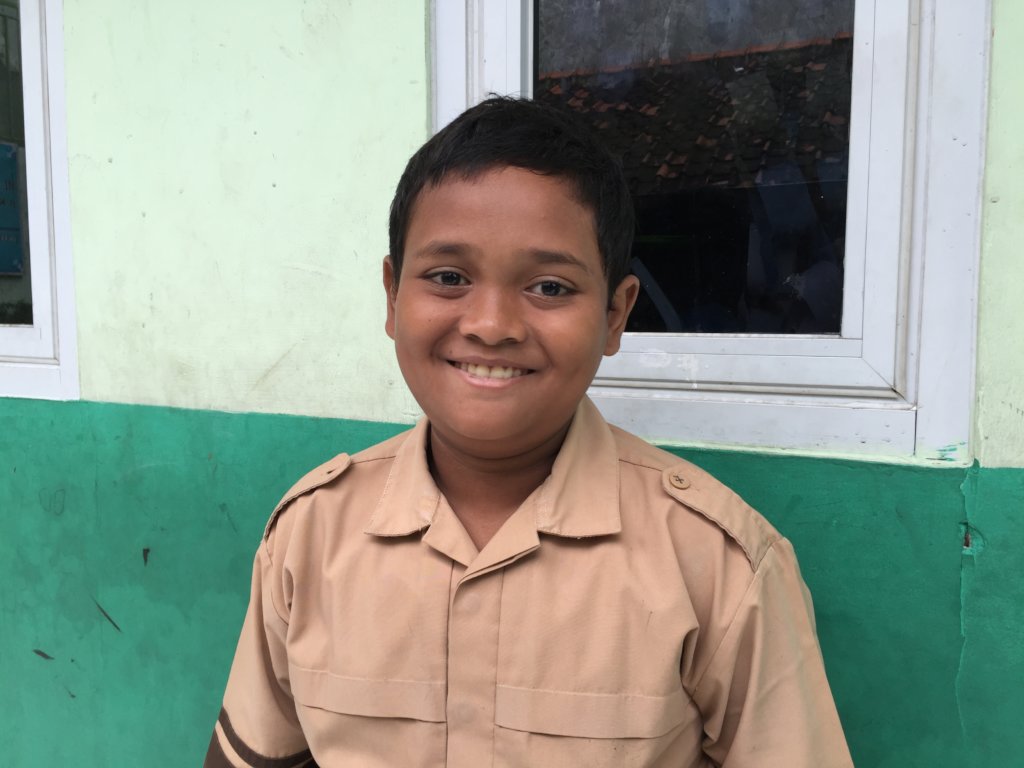
When we talked to the headmaster, he said that there are 2-3 children dropping out of school every year due to combined financial and social issues. Many of them decide to go back to their hometown, collect money and then return to school to continue their studies. This would delay the learning process. The majority of them graduate from elementary school but often are unsure if they have the financial ability to enroll for another stage of education.
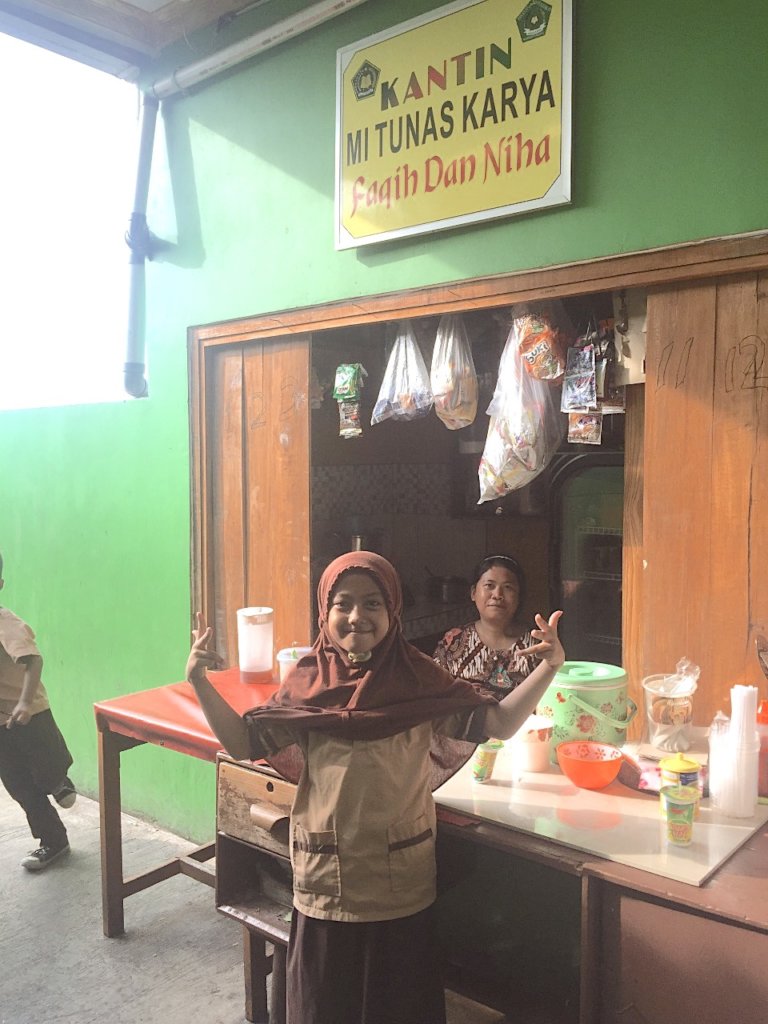
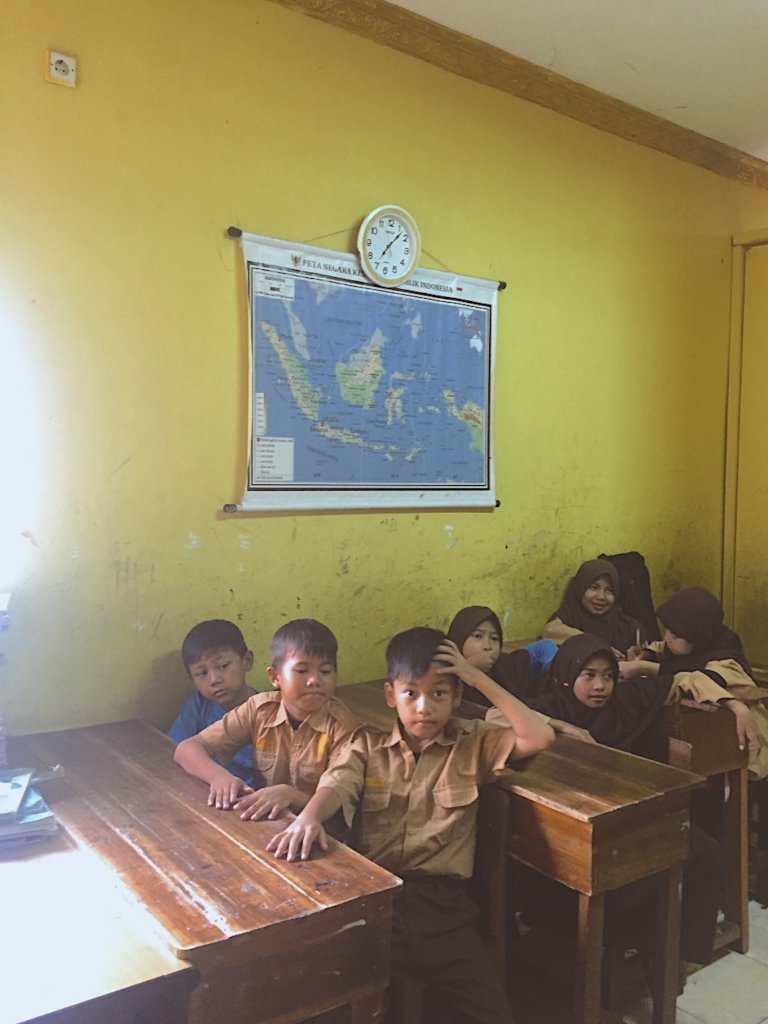
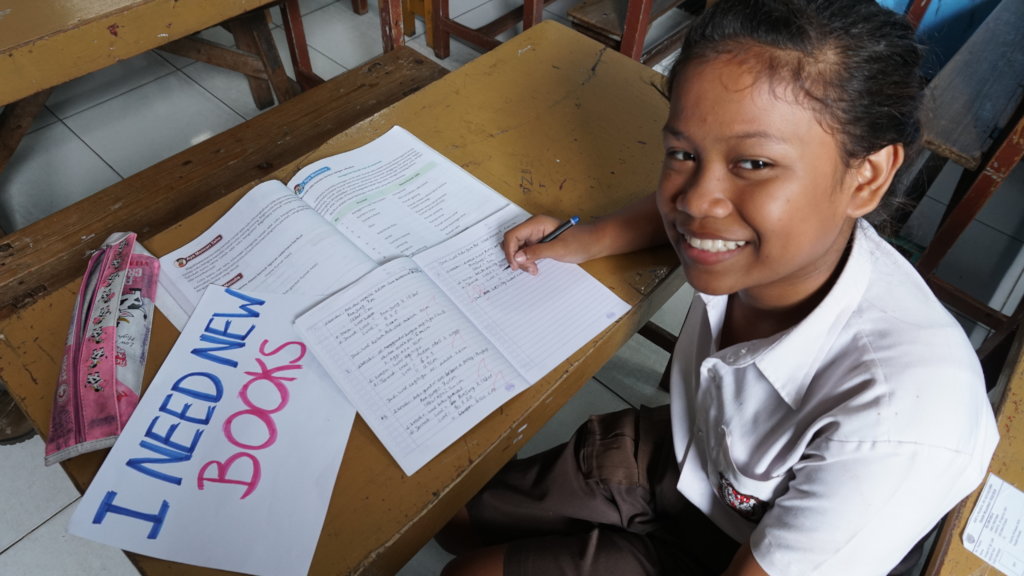
Despite various limitations, communities have the vision to have a better life. Since years ago, they have been establishing low-cost primary schools aiming at educating the poor children in the area. The schools are thriving; they have been accommodating children who have little to zero money, but they don’t have the capability to ensure that those children can continue their schooling to secondary education.
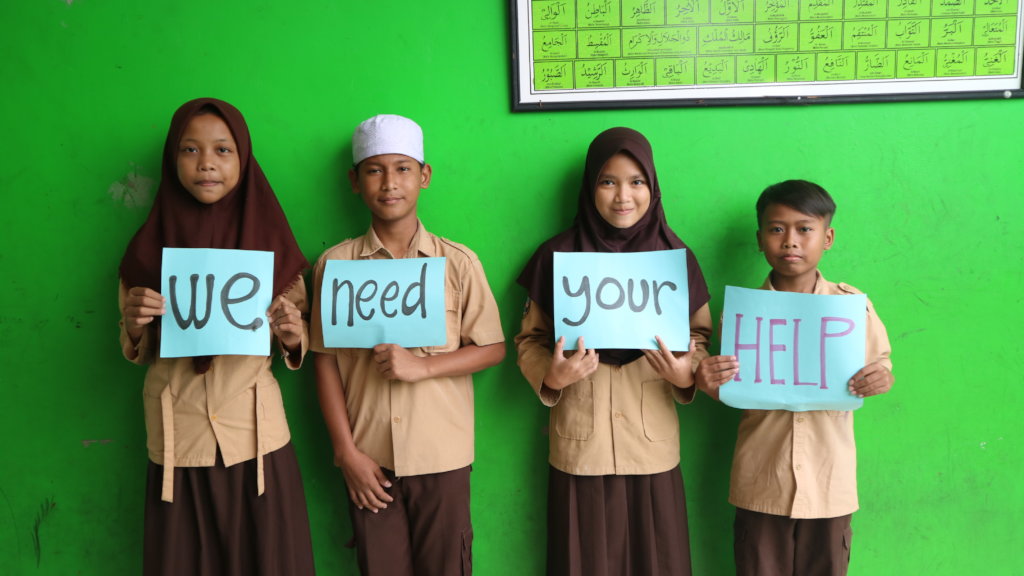
Tambora and Koja are embodiments of having a hard-knocked life. Hidden among the glittering and towering buildings of Jakarta, there are slum regions filled with poor aspiring children that desperately need your help to stay in school and break the cycle of poverty.
By Kidung Asmara | Research Trainee
By Muhammad Diheim Biru | Research Trainee
Project reports on GlobalGiving are posted directly to globalgiving.org by Project Leaders as they are completed, generally every 3-4 months. To protect the integrity of these documents, GlobalGiving does not alter them; therefore you may find some language or formatting issues.
If you donate to this project or have donated to this project, you can receive an email when this project posts a report. You can also subscribe for reports without donating.