By Kidung Asmara | Research Trainee
Jakarta is the capital city of Indonesia with vivid streetlights, shopping centers and office districts, inevitable traffic jams, heterogeneous people, and all the daily hustle bustle –we’re a big city! Just like Shanghai, Manila, or perhaps Singapore.
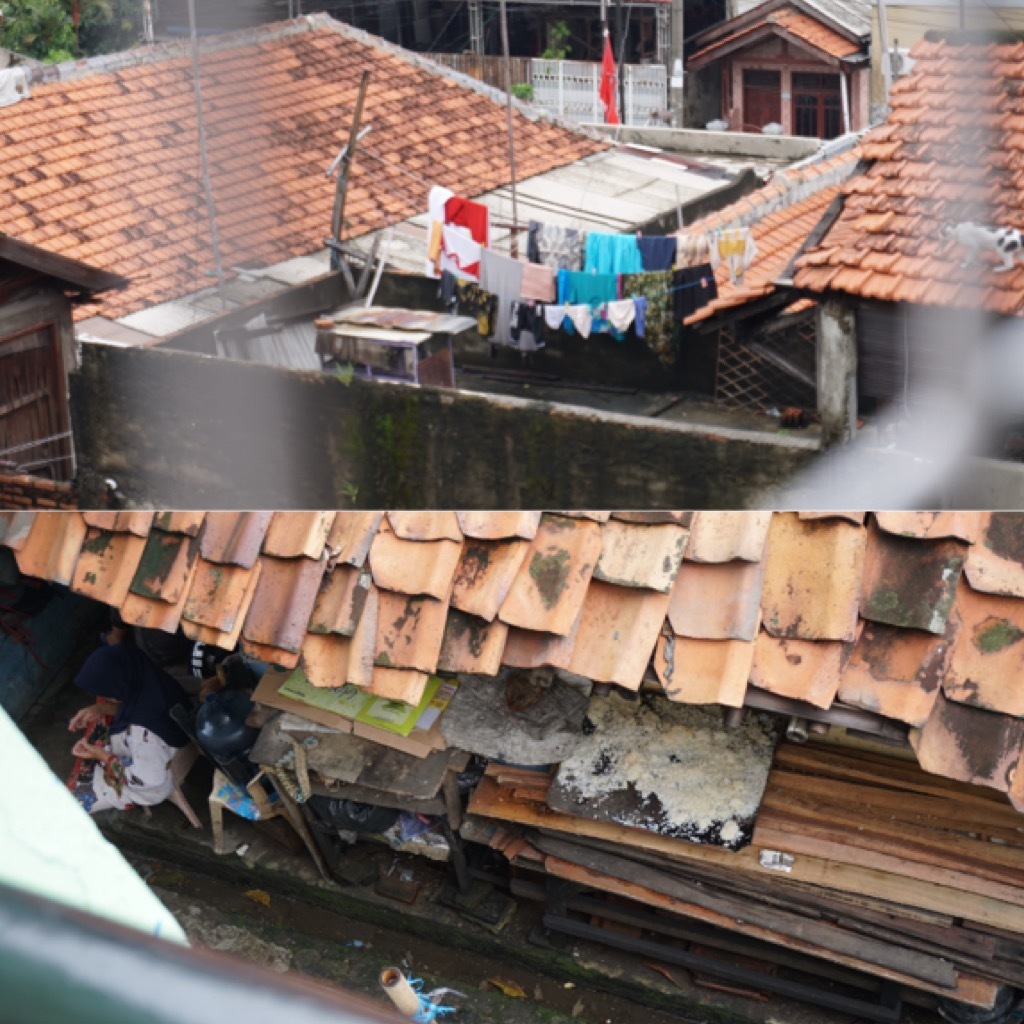
You could capture that ‘big city’ image in the business district. Otherwise, when you travel to some distant areas, there still lingers a significant socio-economic gap. About 90.900 people living under the poverty line in North Jakarta, while the other 83.200 are in West Jakarta.[1] This extreme poverty is linked to the high number of social welfare problems. Tambora district of West Jakarta is one of the most populated slum areas in Southeast Asia, the population density reaches 48.224 people/km2 that means approximately 4 people living in every meter squares.[2] While Koja district of North Jakarta is known for the high number of criminality which includes juvenile delinquency.[3]
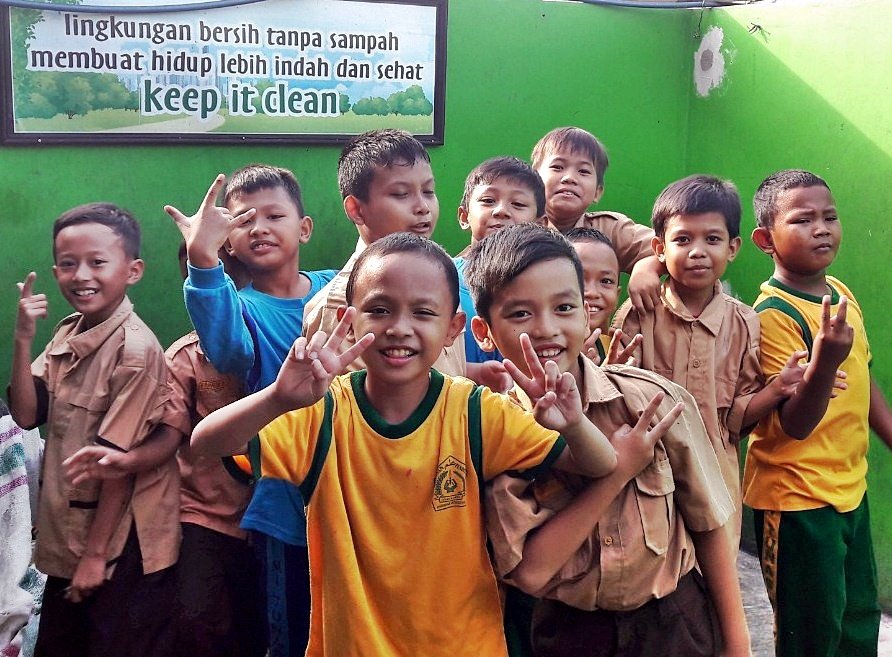
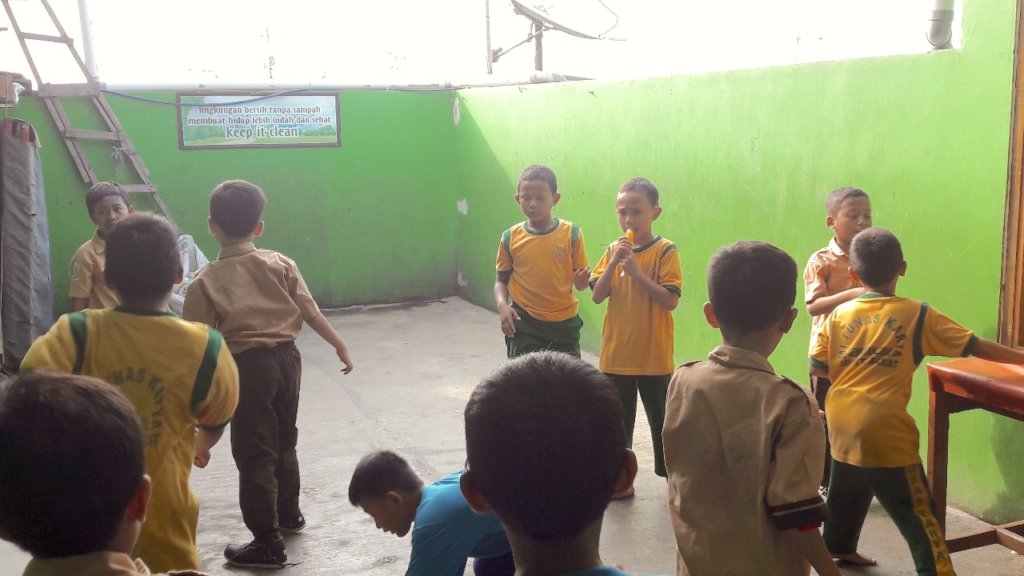
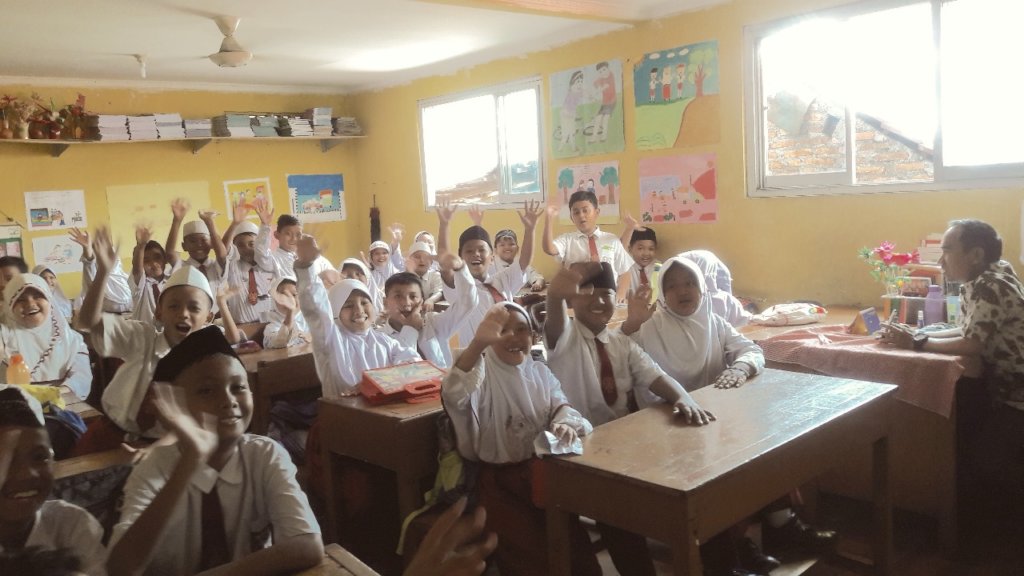
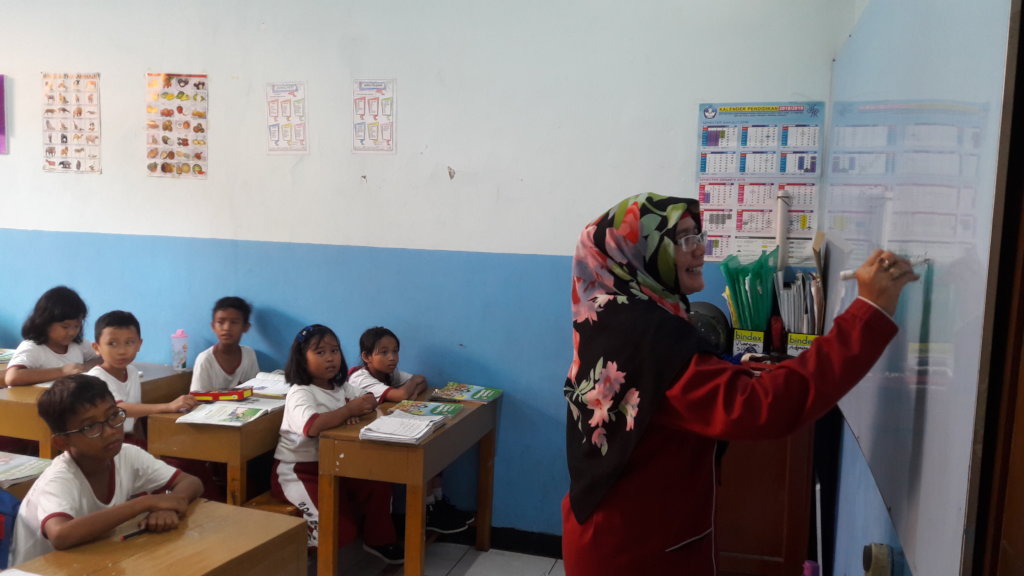
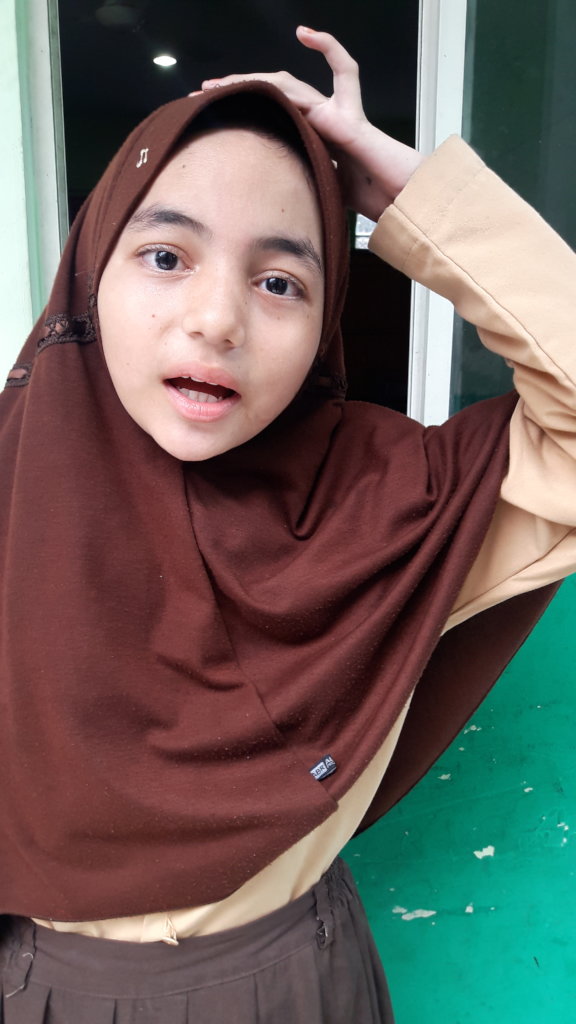
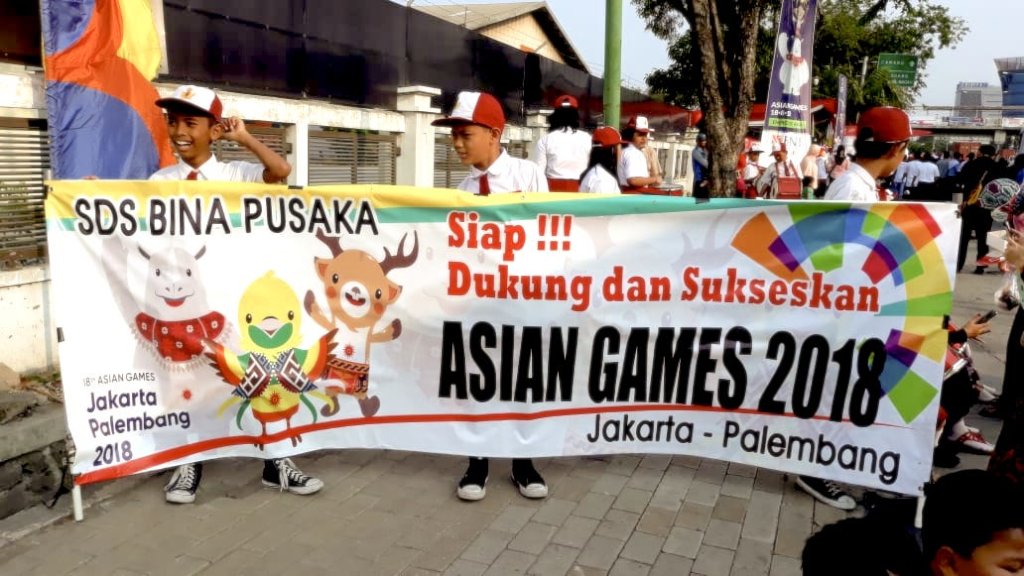
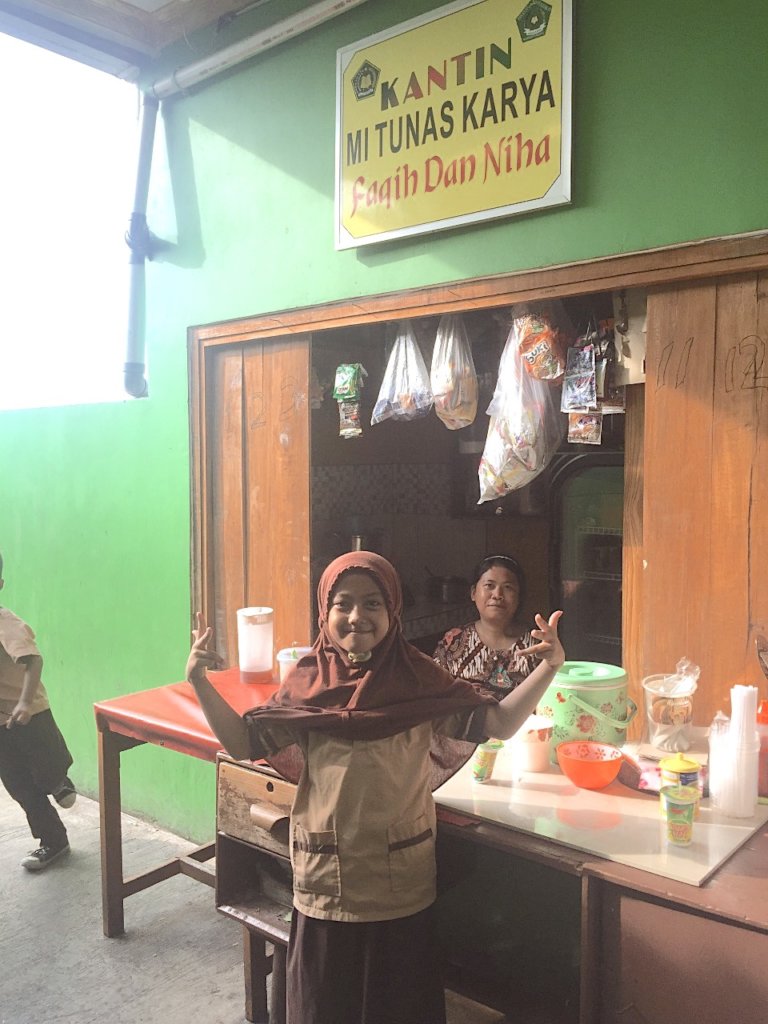
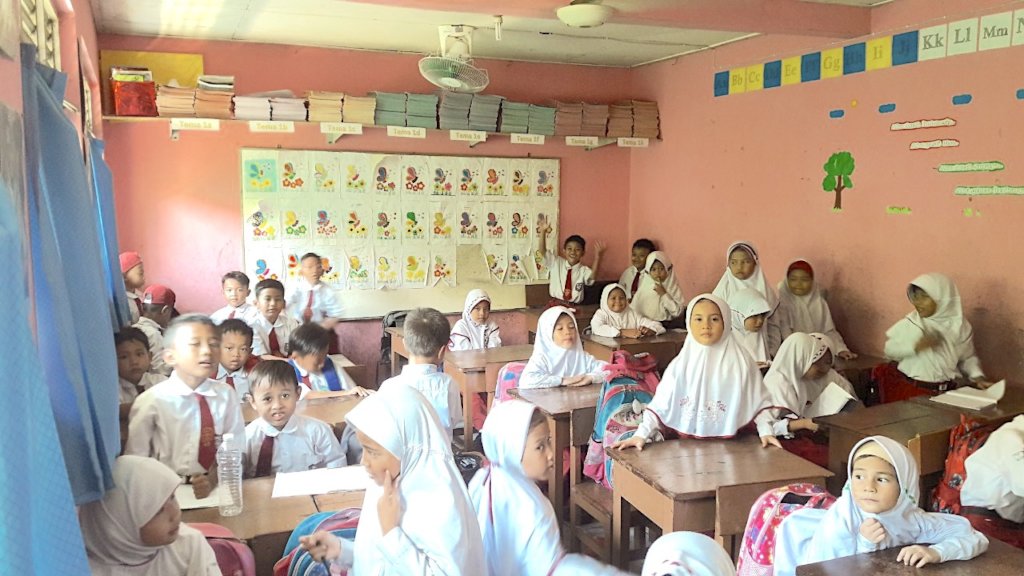
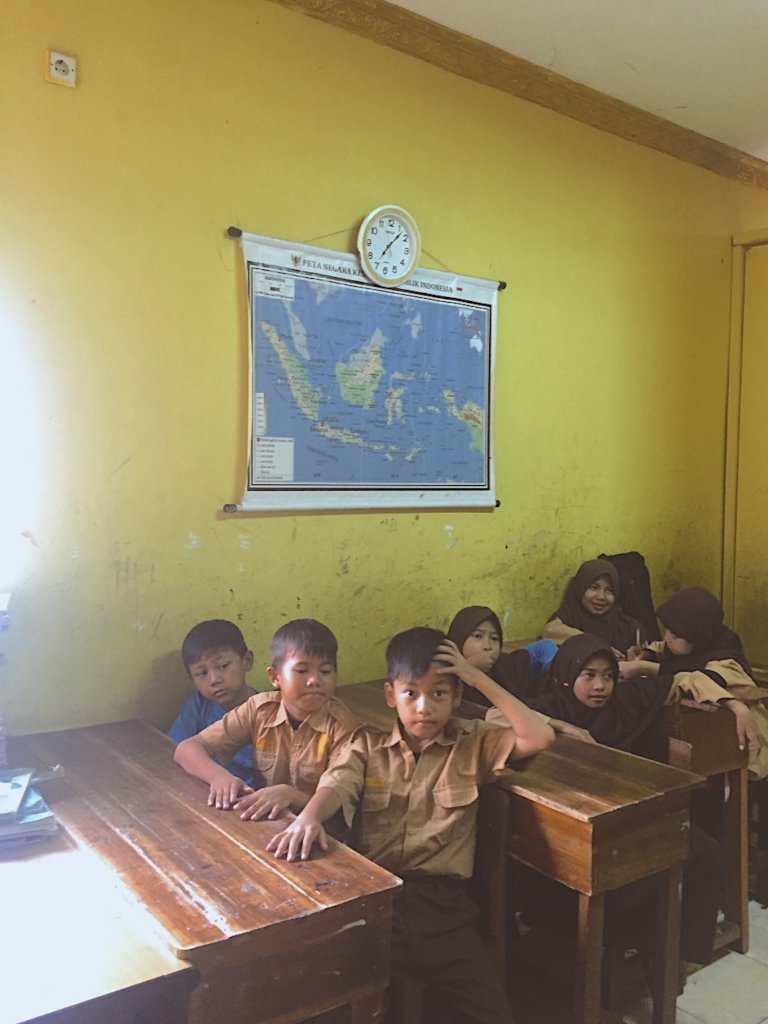
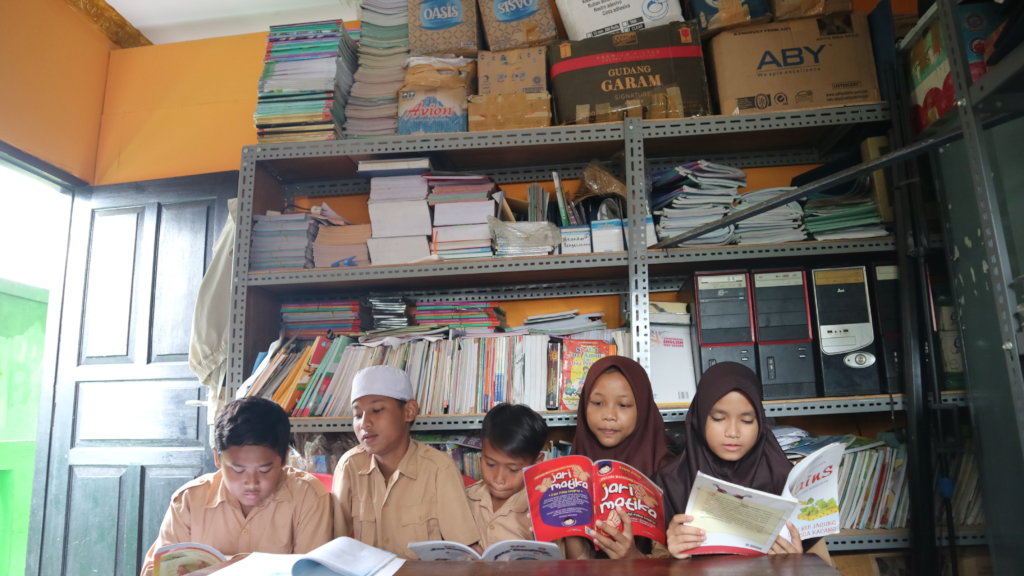
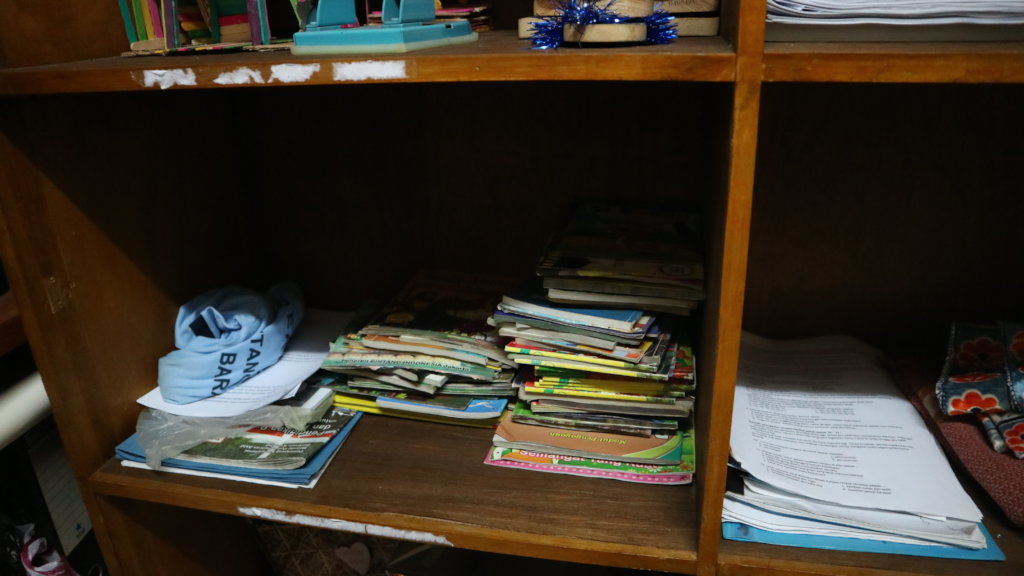
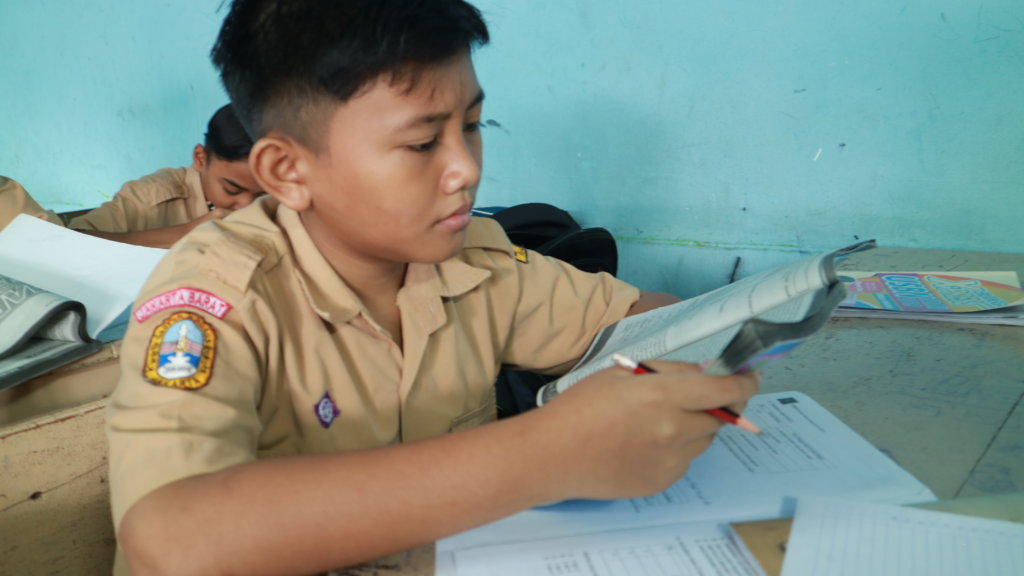
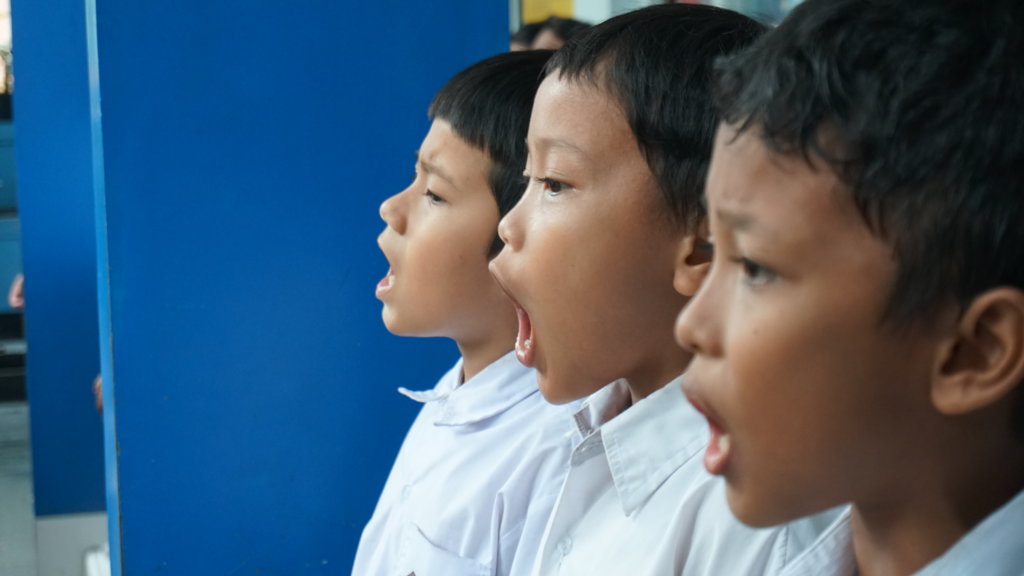
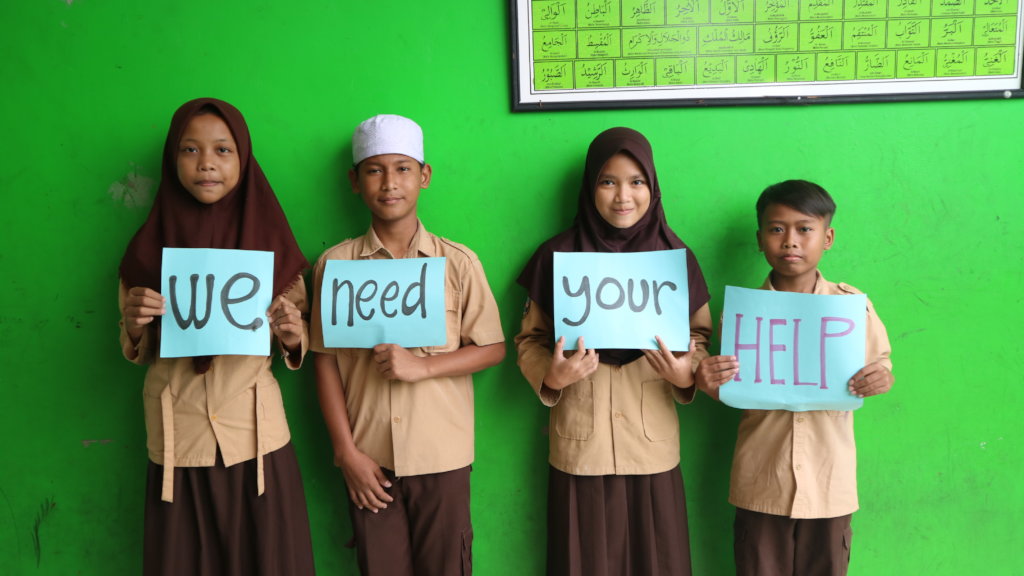
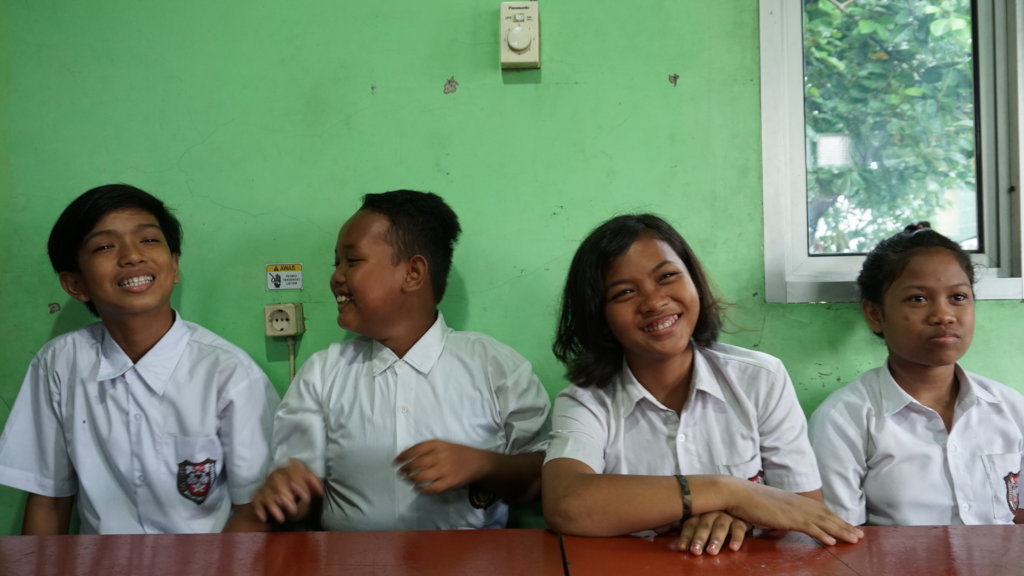
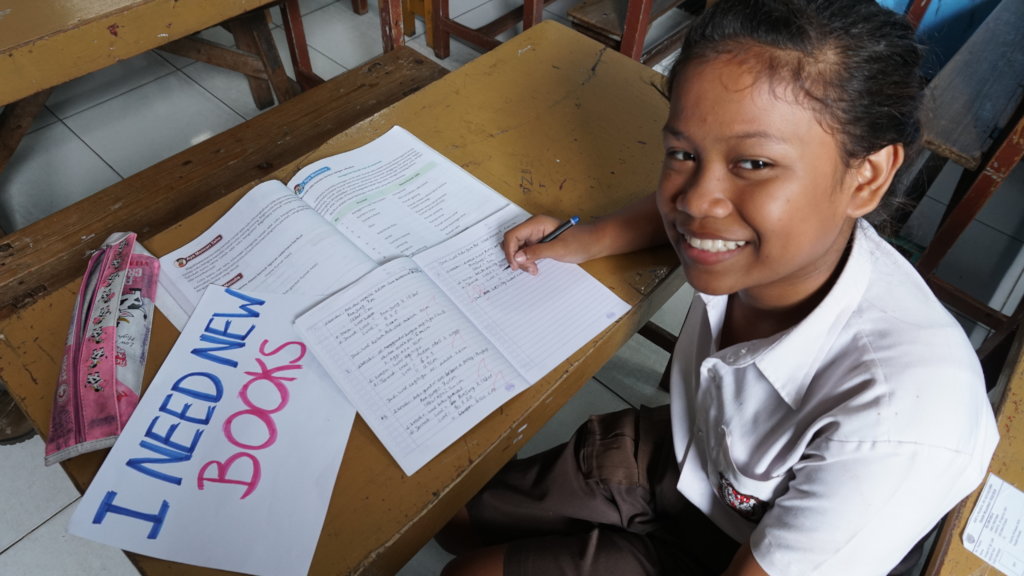
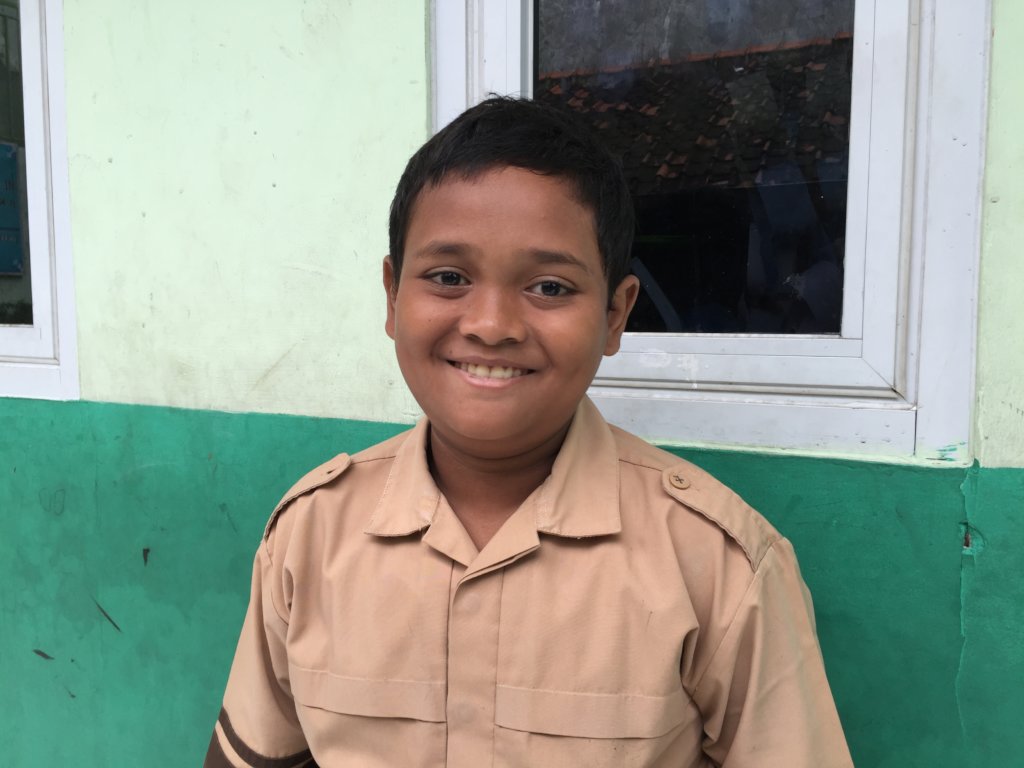
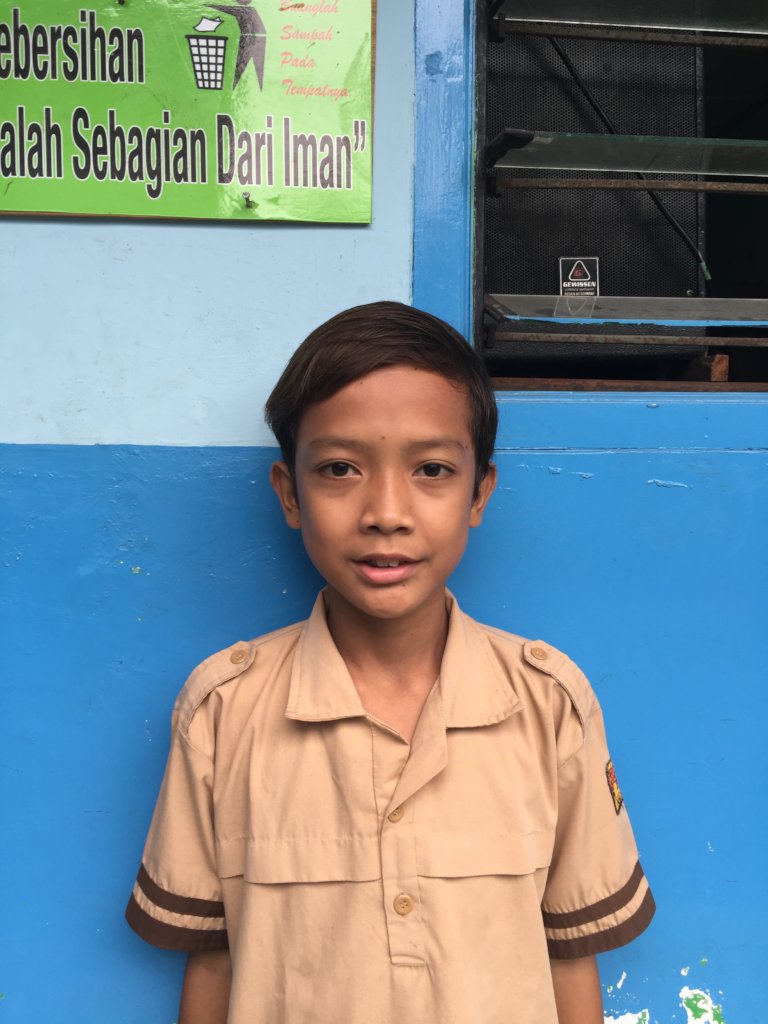
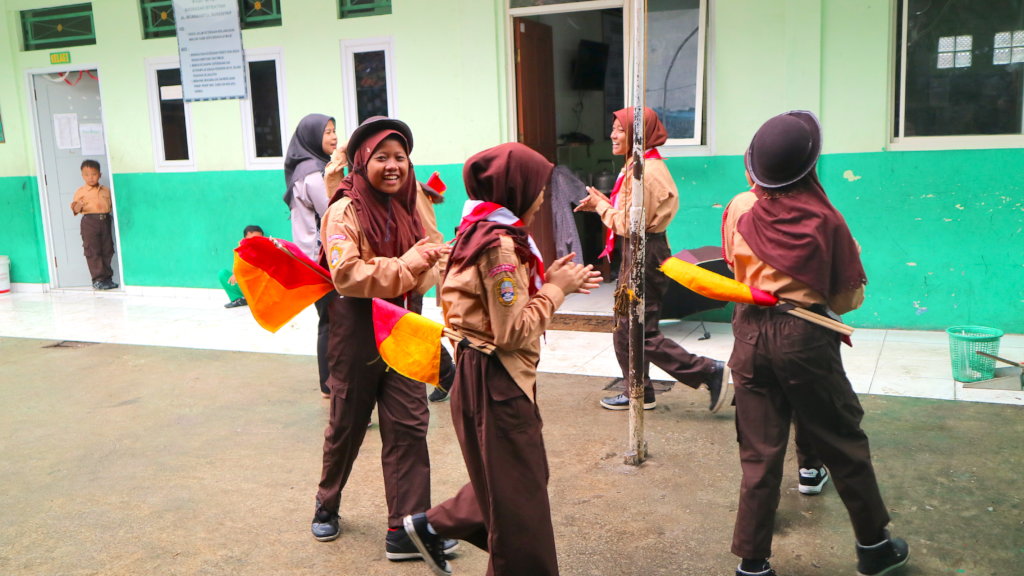
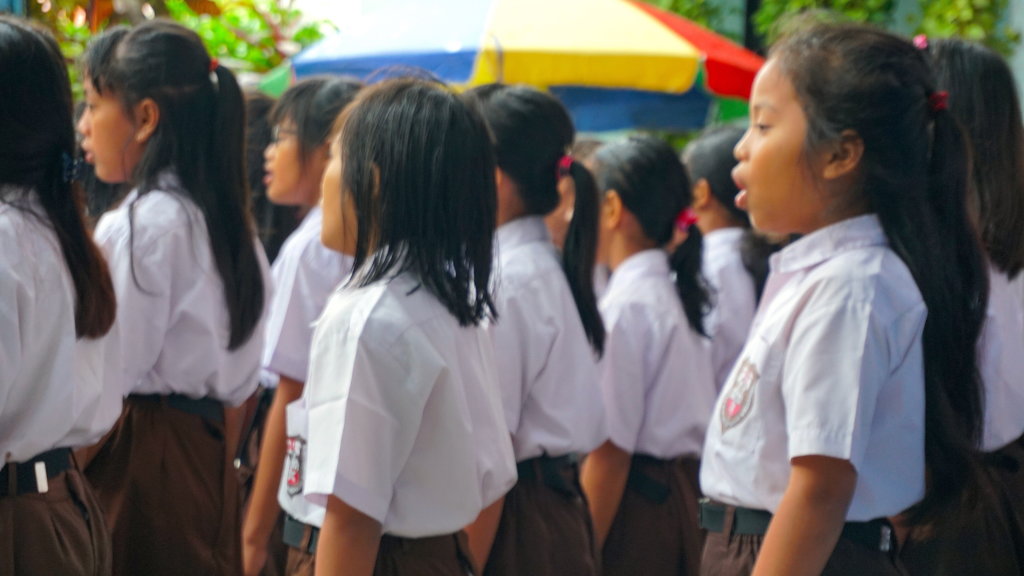
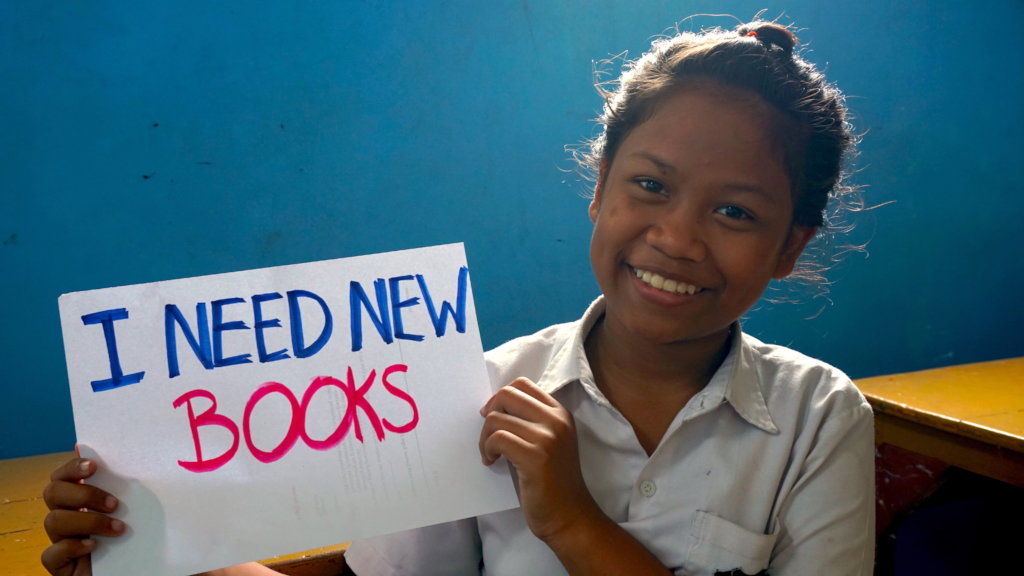
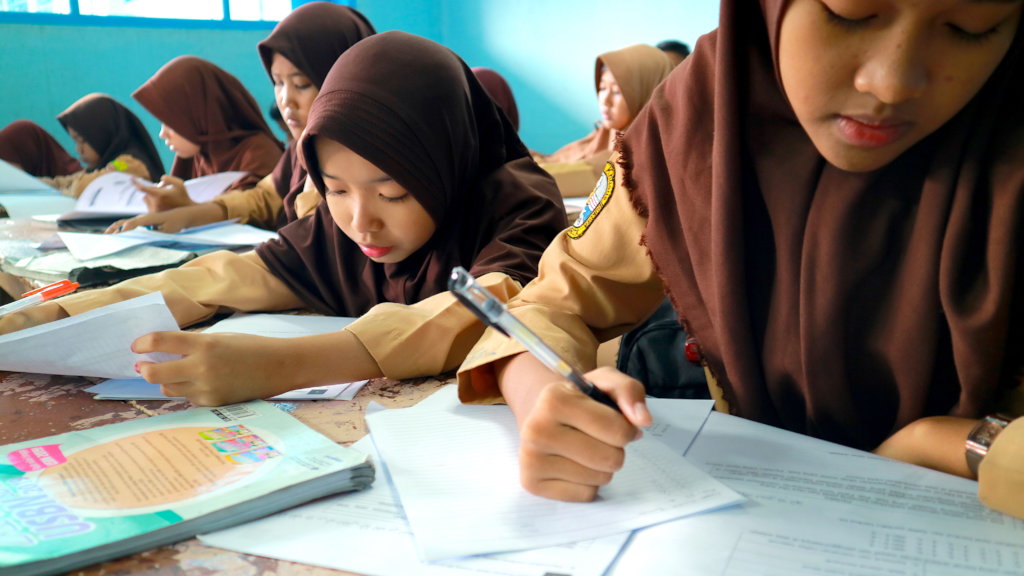
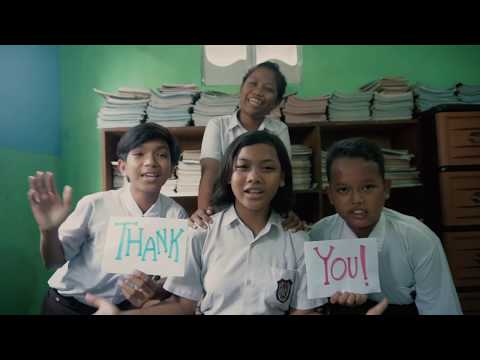
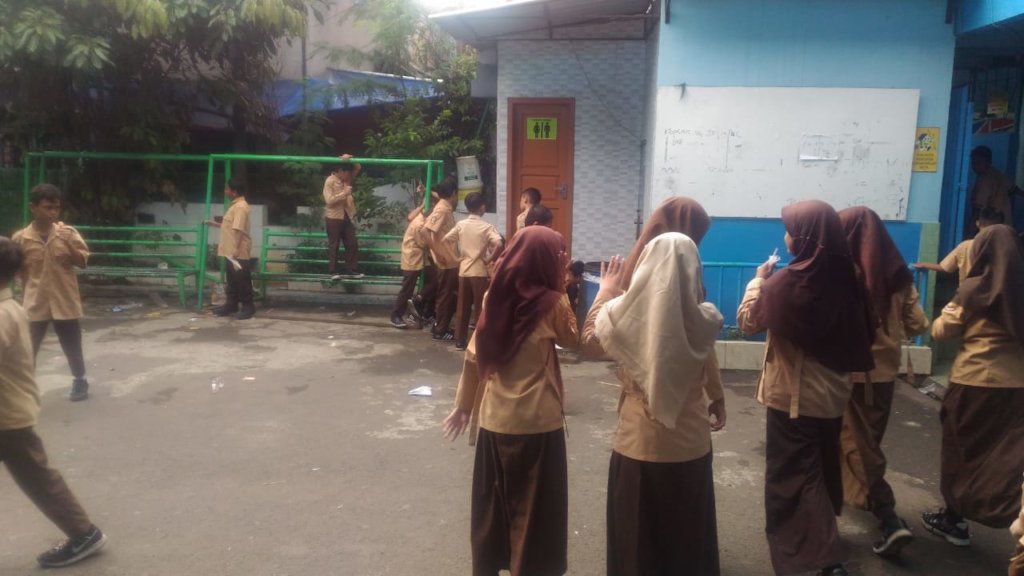
When the overall condition is poor, we put concern on education as the core to tackle these issues. About dozen of schools are operating in both regions, 874 schools with 305.841 school-age children in North Jakarta, and 1.299 schools with 424.305 school-age children in West Jakarta.[4] However, those schools are struggling to maintain their operationalization such as poor facilities and the inability of students to pay for tuition and school necessities.
Nevertheless, brighter days are coming their way! You could be the one who lives their dreams by donating kindness through our page that will be enabled tomorrow, Monday 11th, 2019, stay tuned and mark your calendar!
Source of data:
[1] CIPS Publication – Low-Cost Private School; A Case Study in Jakarta
[2] Statistics Indonesia – Kecamatan Tambora dalam Angka
[3] Interview with the Headmaster of MTs. PERSIS Koja
[4] Ministry of Education and Culture (2015) – http://referensi.data.kemdikbud.go.id/index11.php.
Project reports on GlobalGiving are posted directly to globalgiving.org by Project Leaders as they are completed, generally every 3-4 months. To protect the integrity of these documents, GlobalGiving does not alter them; therefore you may find some language or formatting issues.
If you donate to this project or have donated to this project, you can receive an email when this project posts a report. You can also subscribe for reports without donating.