By Matovu Charles L | Deputy Director/Human Resource Manager
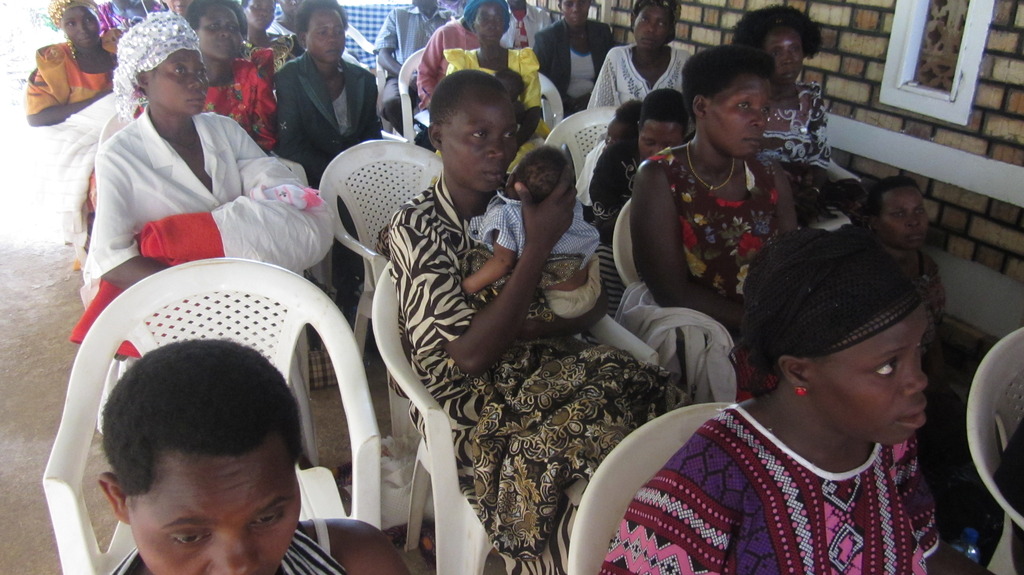
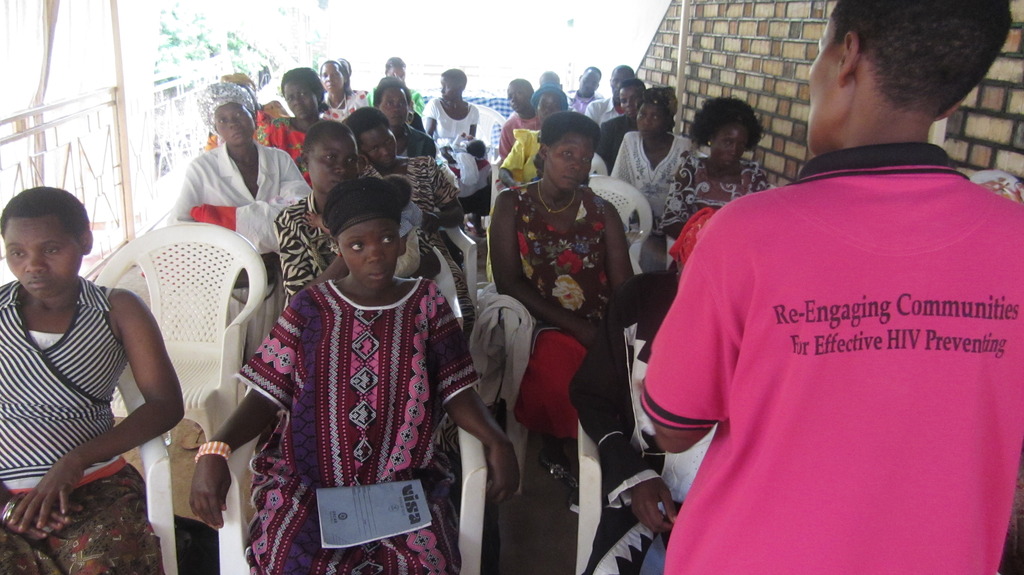
Kitovu Mobile is to continue supporting pregnant mothers living with HIV through information sharing and social support as a means to prevent the spread of HIV to their newly born babies. A total of twenty-six (93%) mothers attended the workshop of which sixteen were pregnant and ten were breast feeding. These mothers came from different centers within the Comprehensive Care operational area which included; Bukakata, Lwaggulwe, Bukulula, Mpambire, Mbirizi and Bisanje.
The sessions conducted covered areas which included; the role of these mothers in achieving millennium development goals 4, 5&6, the role of attending Antenatal care (ANC) in PMTCT, preparation for delivery, why option B+, measuring weight, Blood pressures ,investigating for abnormalities in urine and managing any pregnancy related complications. The methods used included; Guided discussions, Testimonies, question and answer approach. The workshop intended to create awareness to mothers about the available national PMTCT interventions to ensure zero new HIV infections
Each of these mothers received either a mama kit or an insecticide treated mosquito net.
It was noted that many women in the reproductive age are not aware of the importance of cervical cancer screening. It was therefore necessary to inform these mothers about the importance of screening for cervical cancer to enable detect the disease early.
The facilitator highlighted to the mothers the importance of having their pregnancy monitored in a healthcare setting. Such importance included:
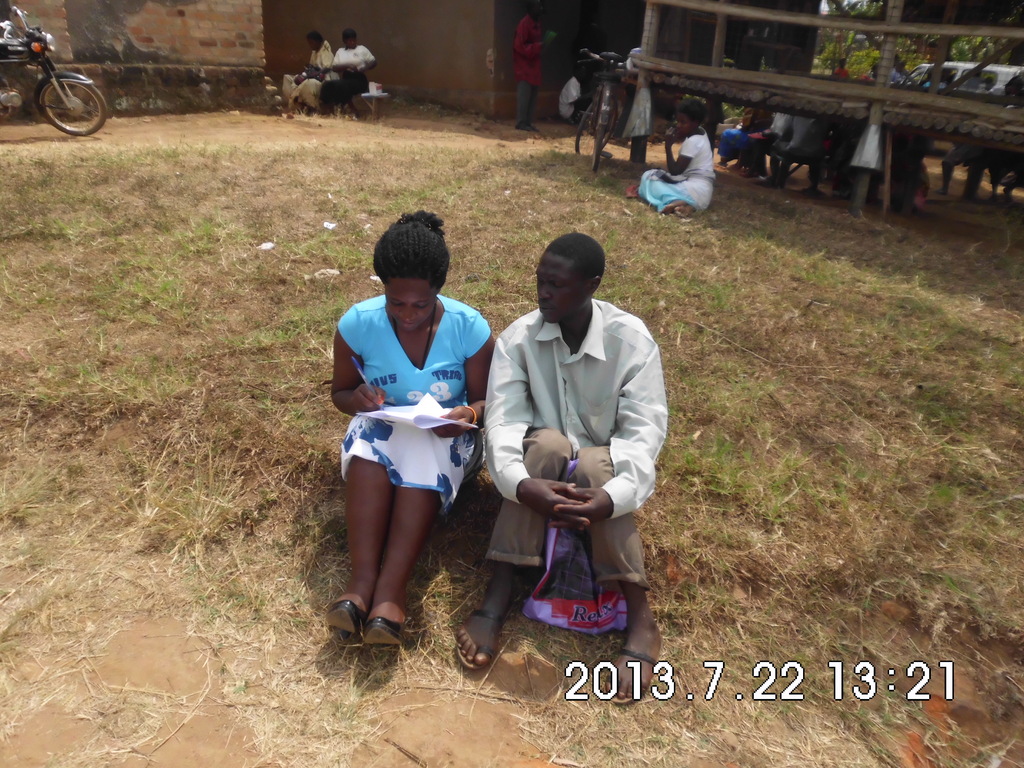
Four mothers had their systolic blood pressure ranging between 130-140mmHg with a normal diastolic blood pressure. Their urinalysis results were found normal. They were advised to continue monitoring their Blood pressure and to reduce on the amount of salt eaten.
Three mothers were tested for malaria parasites, and two of them had positive Rapid Diagnostic Tests (RDTs) .They were provided with coartem drugs (pregnancy was beyond the first trimester).These mothers are among those who received insecticide treated mosquito nets. None of the mothers had pregnancy related complications.
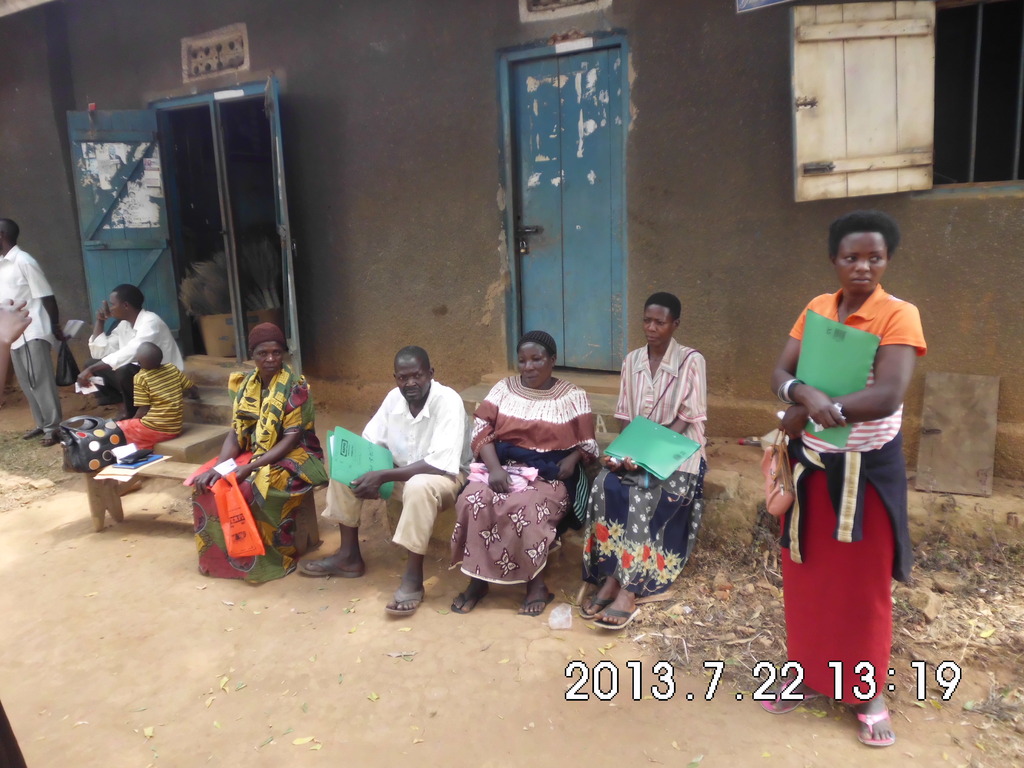
Mothers who were pregnant presented their Ante-natal visit books. This provided proof that they are attending antenatal clinics.
According to (WHO, 2013) in sub-Saharan Africa (SSA), the proportion of the population with access to an ITN in their household increased dramatically from 2005 to 2011 but the rate flattened during the last 2 years, reaching 42% in 2013. By 2012, 34 countries in the African Region had adopted the WHO recommendation to provide ITNs to all persons at risk for malaria. Being at a risk of malaria, both pregnant and breast feeding mothers were provided with ITNs to protect the mother, the unborn and the infant from malaria infection.
Kitovu Mobile AIDS organization provides service to poor pregnant mothers who cannot afford buying a mama kit. This results into these mothers using unclean rags to pad themselves after delivery; this puts their lives at a risk of infections. Therefore in order to reduce chances of acquiring infections during and after delivery, all pregnant mothers were provided with mama kits.
The mothers made a commitment to attend antenatal at least four times during the course of pregnancy.
They promised to sensitize fellow mothers in the community about the importance of attending ANC, option B+, and testing the child for HIV at six weeks of life, six weeks after stopping breast feeding, and not to deliver from the traditional birth attendants.
They requested for food supplements like baby soya to help them boost nutritional status of their children during the weaning period.
Some of the mothers deliver from lower level health care facilities which face stock outs of nevirapine syrup. Therefore they requested the CCT Program to provide them with nevirapine syrups.
Transportation of babies for Dry Blood Samples (DBS) is a challenge for these mothers because many of them lack the power to manage resources at home. They requested for facilitation to enable them take babies for PCR and for immunization.
LESSONS LEARNED
In conclusion we appreciate and acknowledge all development partners that have supported this great work. Together we can!!
By Matovu Charles L | Deputy Director/Human Resource Manager
By Matovu Charles | Deputy Director/HRM
Project reports on GlobalGiving are posted directly to globalgiving.org by Project Leaders as they are completed, generally every 3-4 months. To protect the integrity of these documents, GlobalGiving does not alter them; therefore you may find some language or formatting issues.
If you donate to this project or have donated to this project, you can receive an email when this project posts a report. You can also subscribe for reports without donating.