By Luz Rodriguez Parga | Project Leader
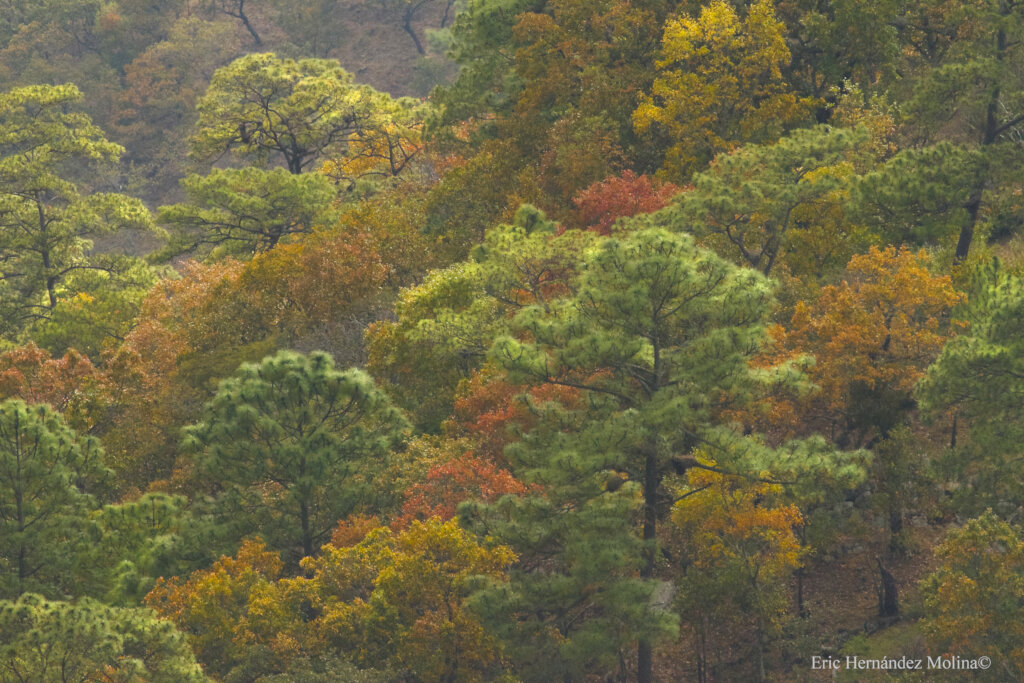
An oak tree can live for more than a thousand years. It provides shade, retains water in the soil, sustains birds and mammals, and supports the mountain forests upon which entire communities depend. Mexico is the world’s second-largest center for oak diversity, home to 179 species—117 of which are endemic, meaning they exist nowhere else. Chiapas alone hosts 44 of these species, accounting for nearly a quarter of all those found in Mexico.
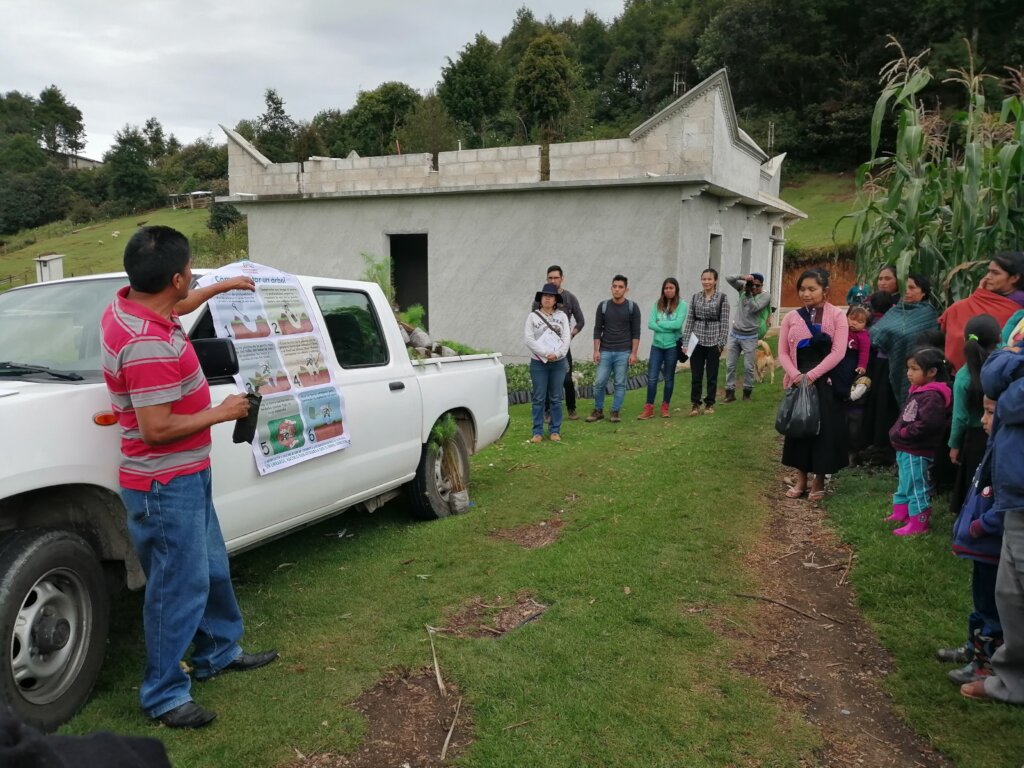
Three days spent learning to identify, propagate, and plant oaks.
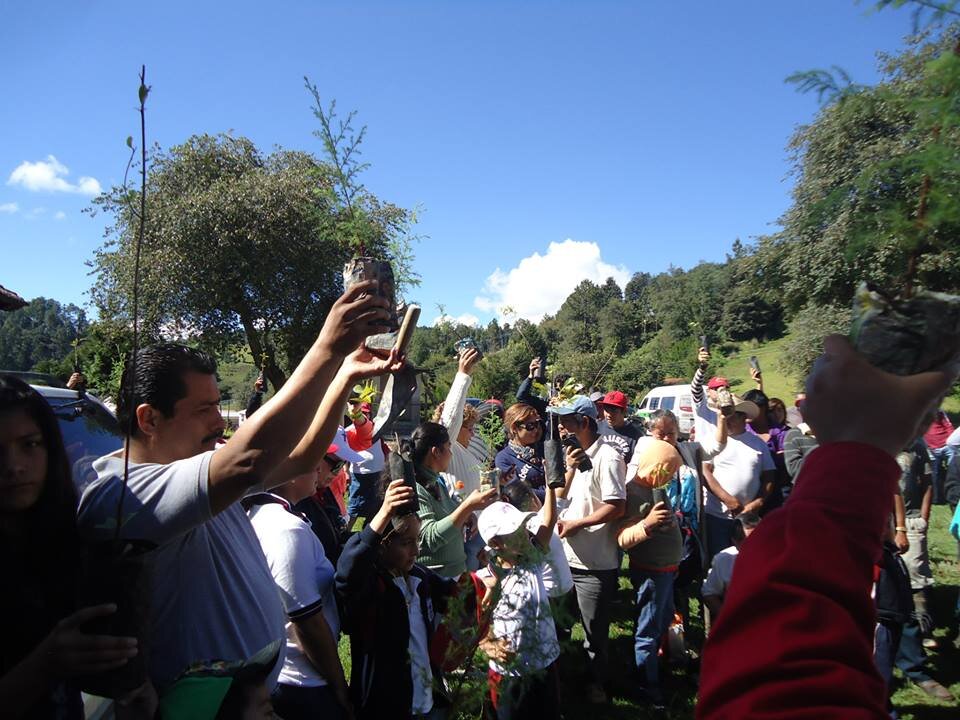
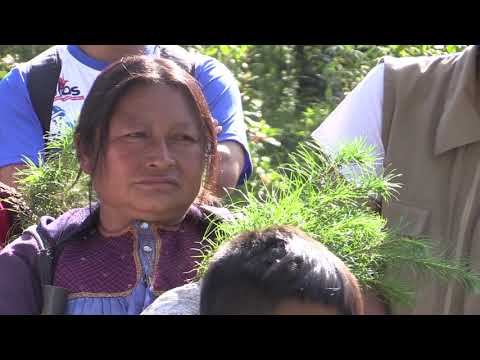
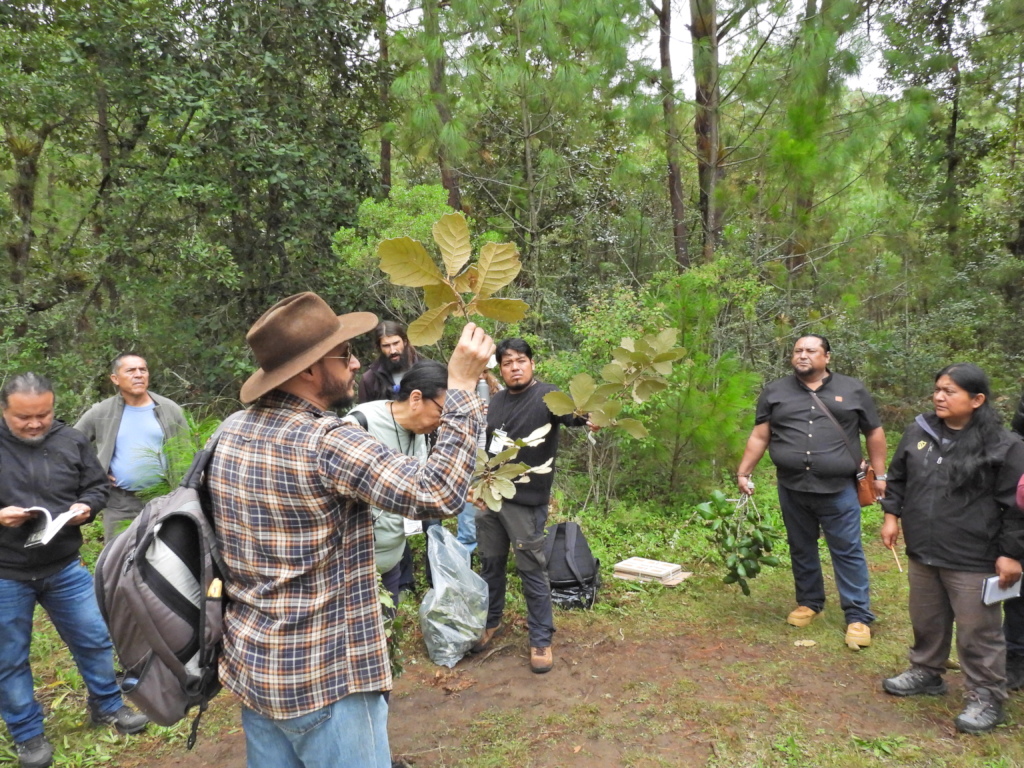
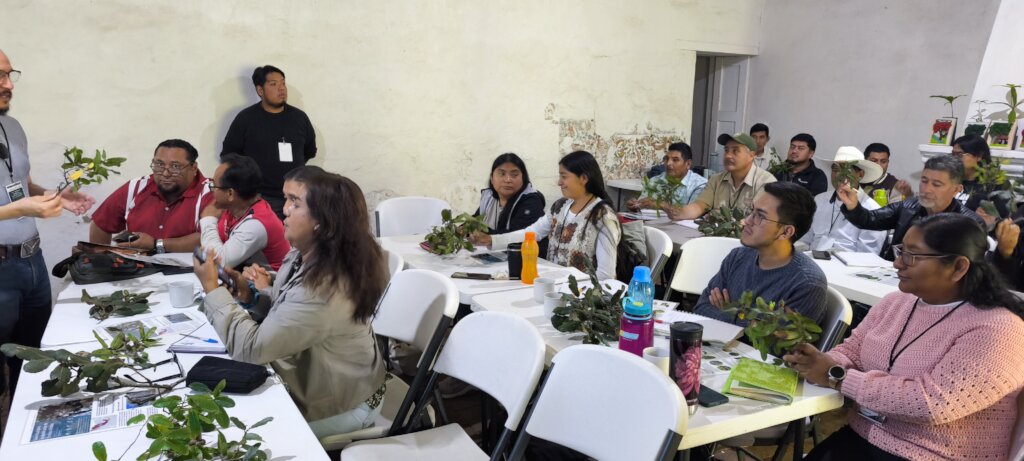
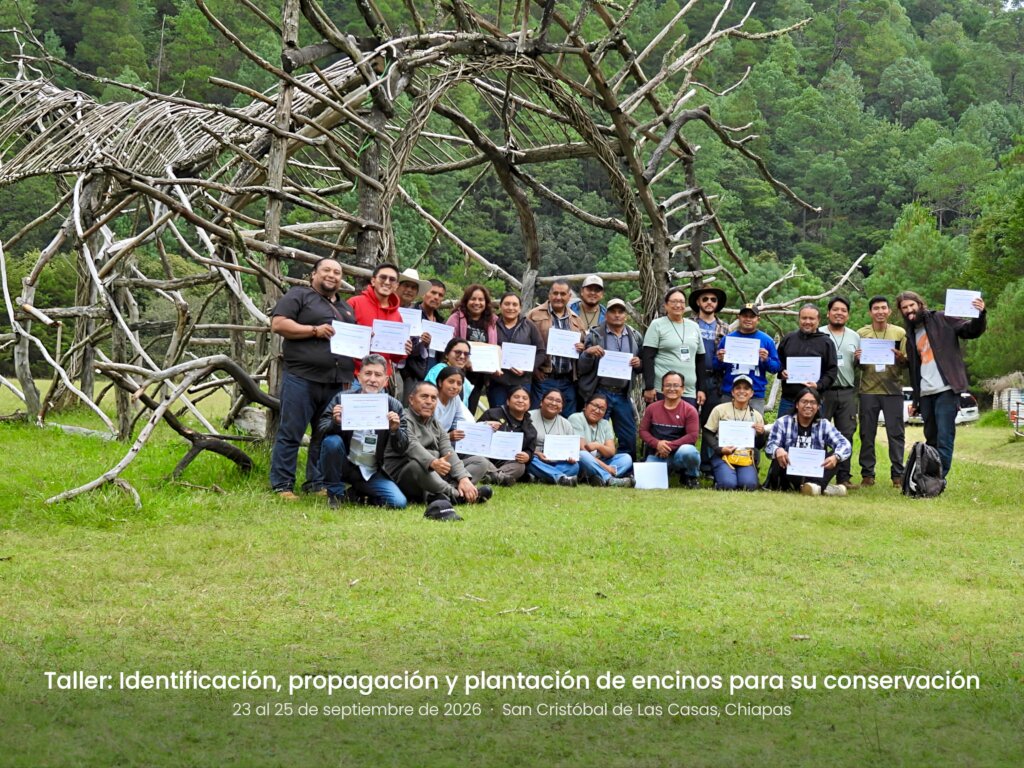
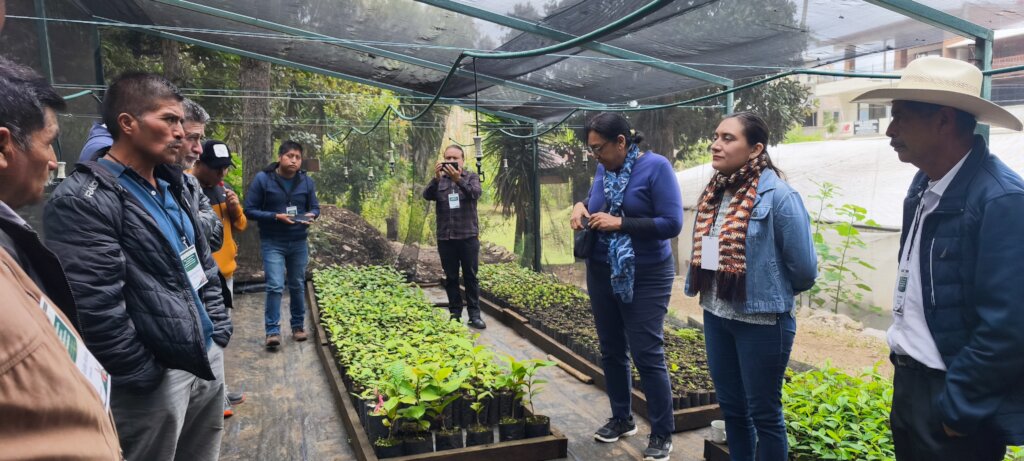
From September 23 to 25, 2026, in San Cristóbal de Las Casas, Pronatura Sur and the Global Conservation Consortium for Oak (GCCO) for Mexico and Central America brought together 22 individuals from 13 different organizations. Participants included community nursery managers, collective members, representatives from universities such as UNICH (Intercultural University of Chiapas) and ECOSUR (The College of the Southern Border), as well as staff from CONAFOR (National Forestry Commission) and SEMAHN (Secretariat of Environment and Natural History).
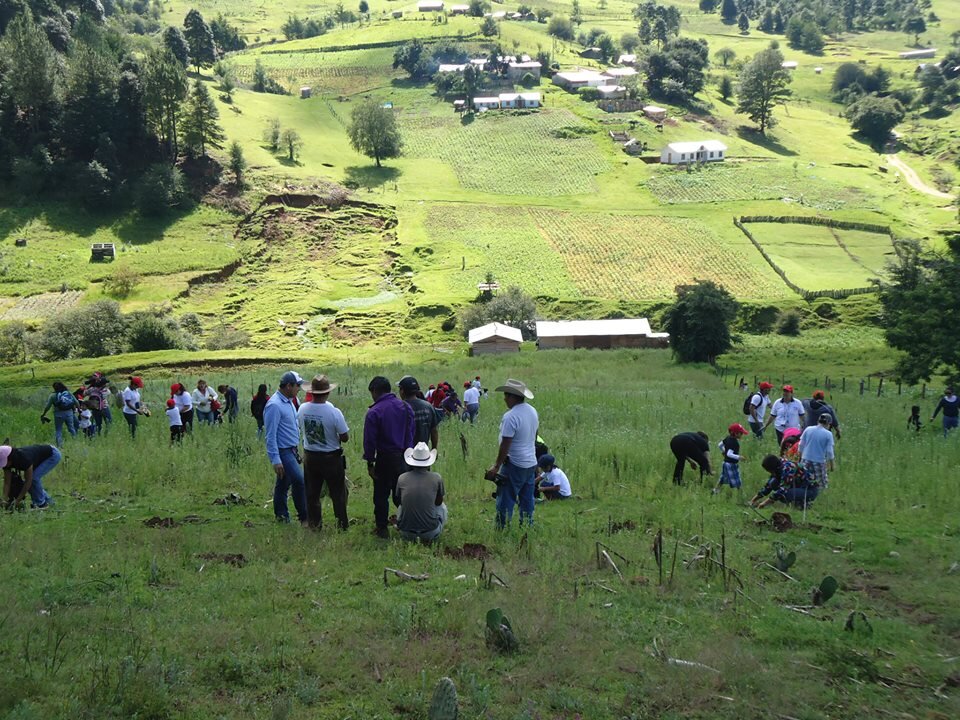
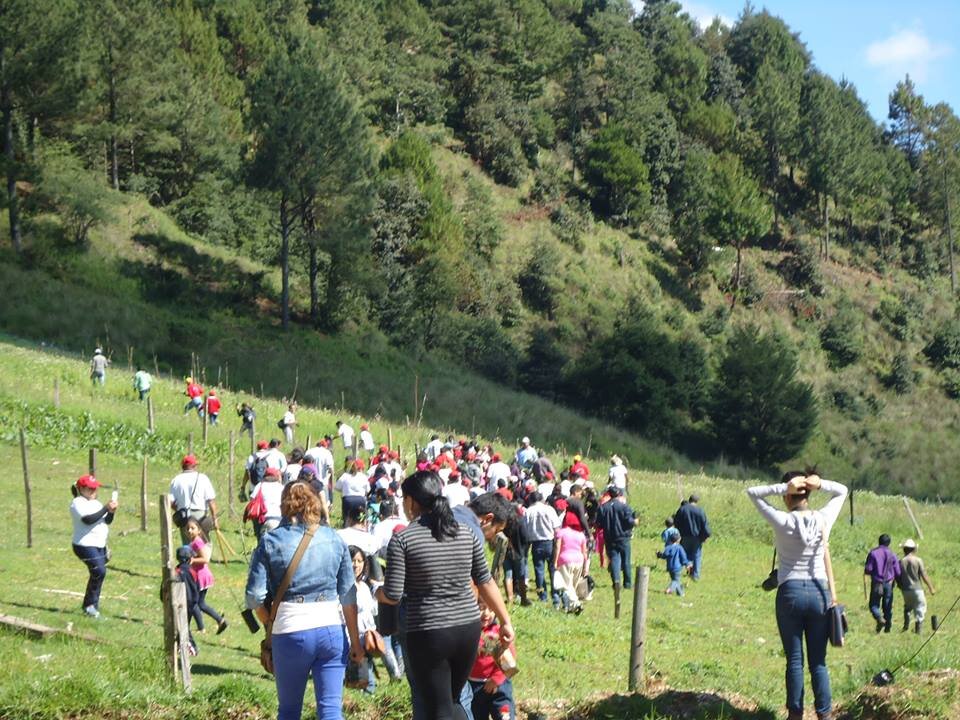
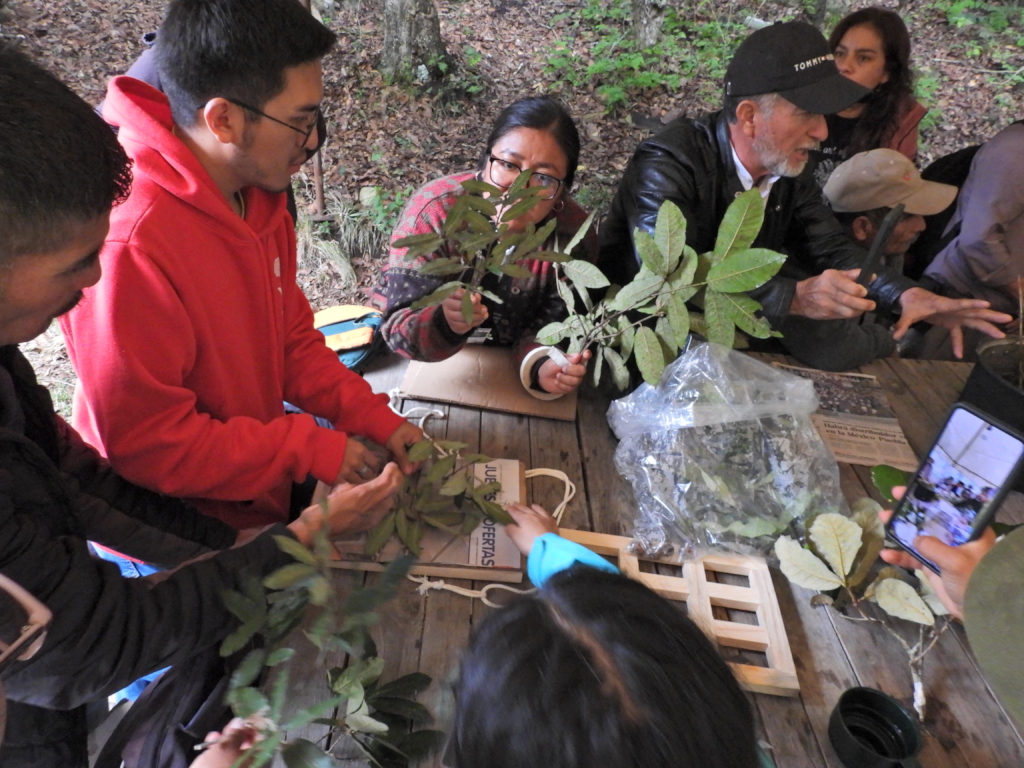
Guided by Dr. Maricela Rodríguez Acosta (GCCO), Dr. Luciano Sabás Rosales (INEGI), and specialists from the BUAP Botanical Garden, the group learned to identify oak species by their leaves, acorns, and bark; to collect and germinate seeds; and to plan restoration-focused planting projects. Activities took place at the Corazón de Jade Museum-Garden, the Arboretum and nursery of the Moxviquil Ecological Reserve, and concluded with a field session at the Encuentro Natural Park.
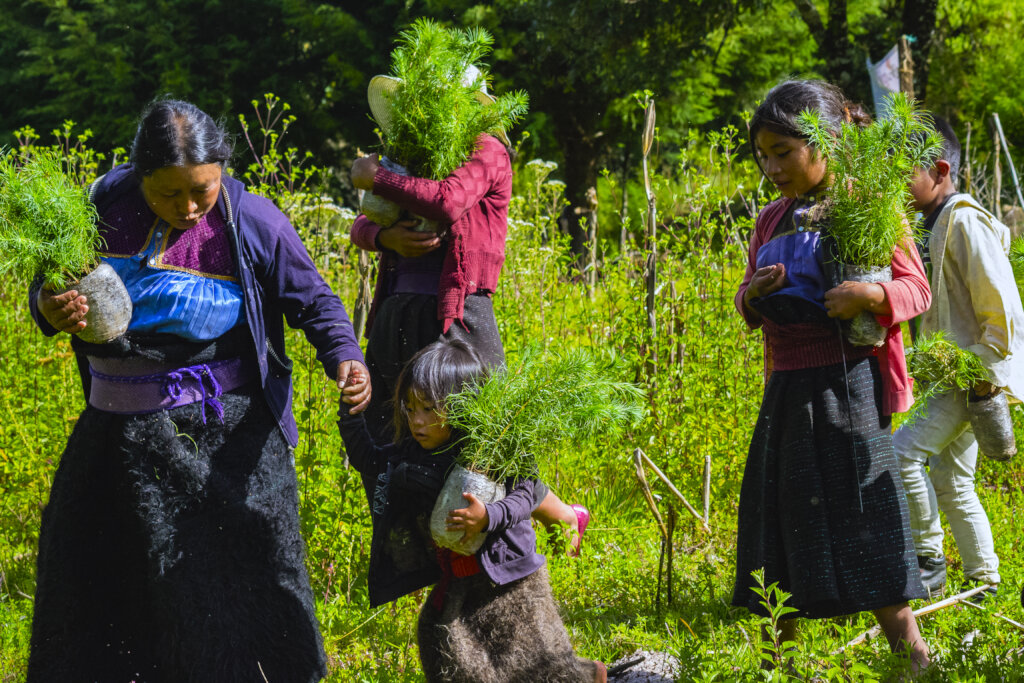
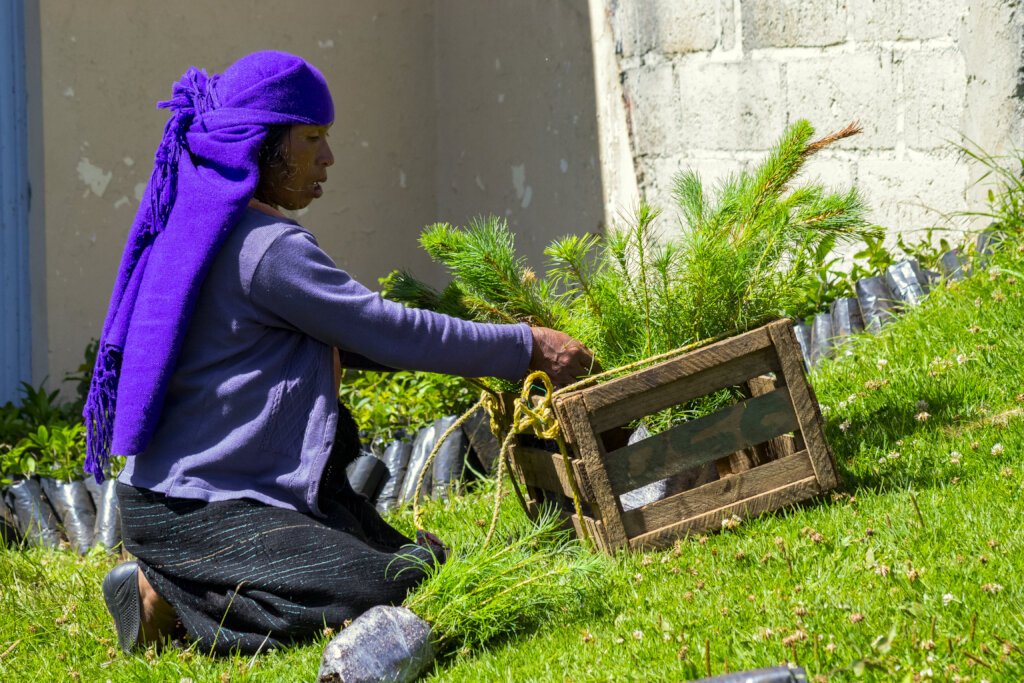
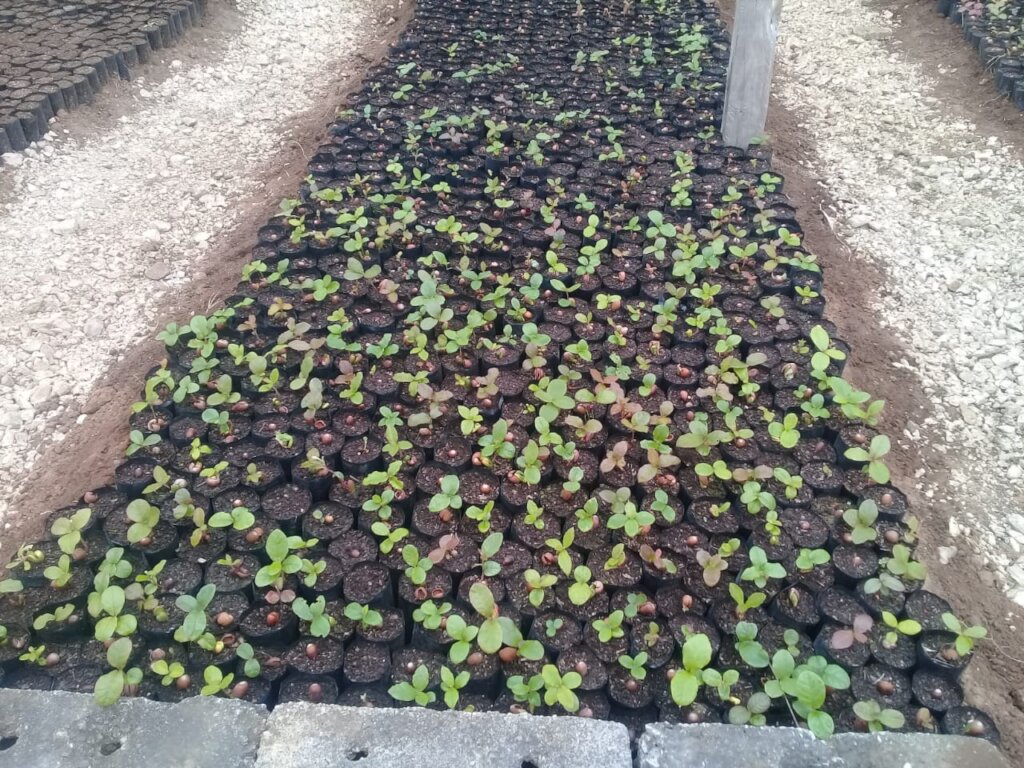
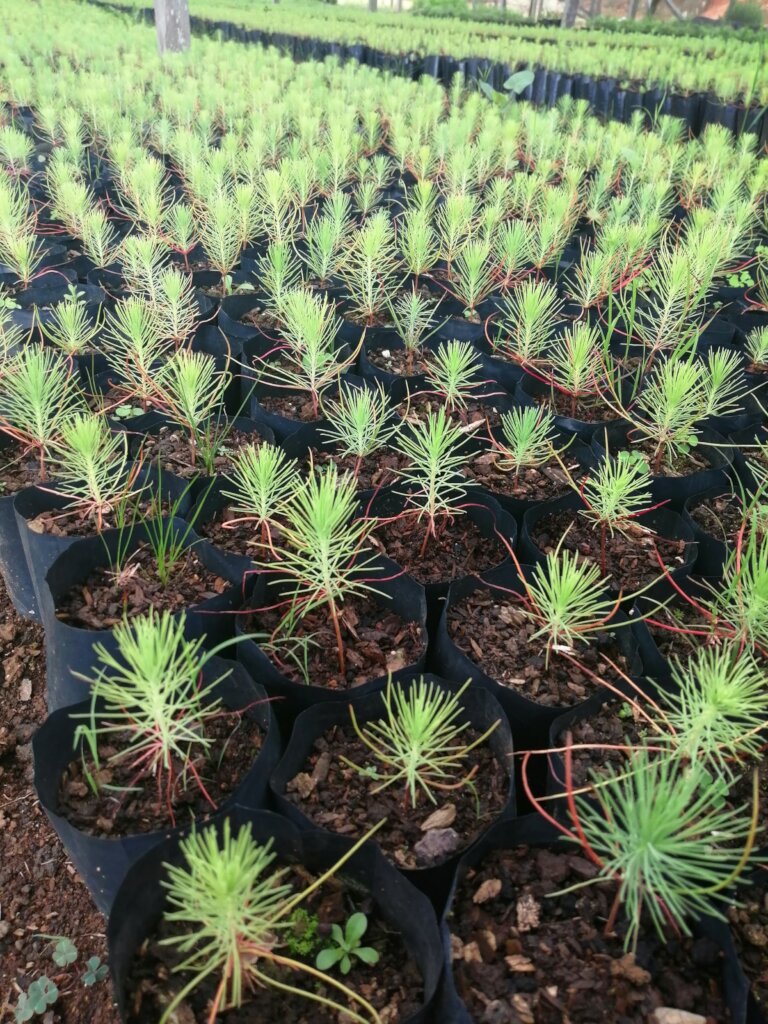
The workshop built essential capacity exactly where it is needed most: in the nurseries. Managers of community, state, and CONAFOR-run nurseries left equipped with the tools to recognize the oak species native to their regions, collect and germinate their seeds, and nurture the seedlings until they are ready for planting. But the greatest achievement was the gathering itself: 22 individuals from 13 community, academic, and government organizations wove together a growing network. We agreed to continue collaborating—sharing both knowledge and seeds—to ensure that every tree planted is the right species for the right location.
Your support helps these forests grow back.
What we learned is already being put into practice at the Encinar de Moxviquil nursery, as well as at the nurseries managed by our participants. We need to further professionalize and refine our protocols. With your donation, we can collect more seeds, produce more native oak trees, and provide ongoing support to the communities that plant and care for them. Your contribution also allows us to integrate the technology needed to document our internal processes and track progress—such as monitoring tree survival rates. Every contribution represents a tree that could live for centuries.
Join us in restoring the forests of Chiapas.
Links:
Project reports on GlobalGiving are posted directly to globalgiving.org by Project Leaders as they are completed, generally every 3-4 months. To protect the integrity of these documents, GlobalGiving does not alter them; therefore you may find some language or formatting issues.
If you donate to this project or have donated to this project, you can receive an email when this project posts a report. You can also subscribe for reports without donating.


Support this important cause by creating a personalized fundraising page.
Start a Fundraiser