By Luz Rodriguez | Restoration Coordinator at Pronatura Sur
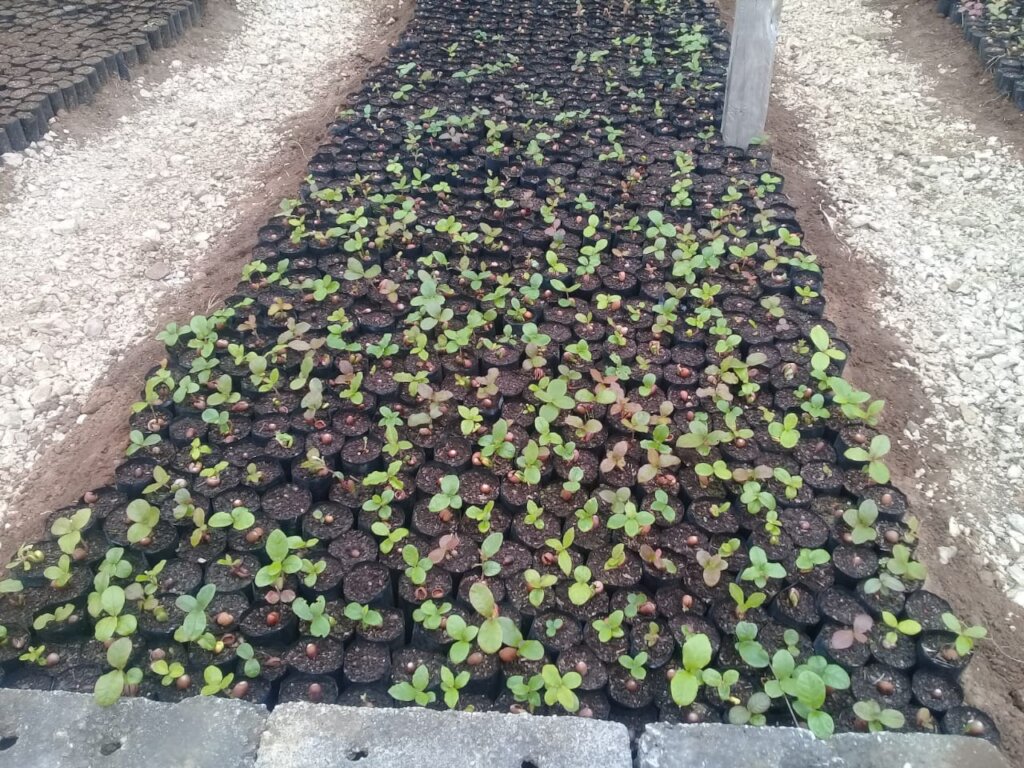
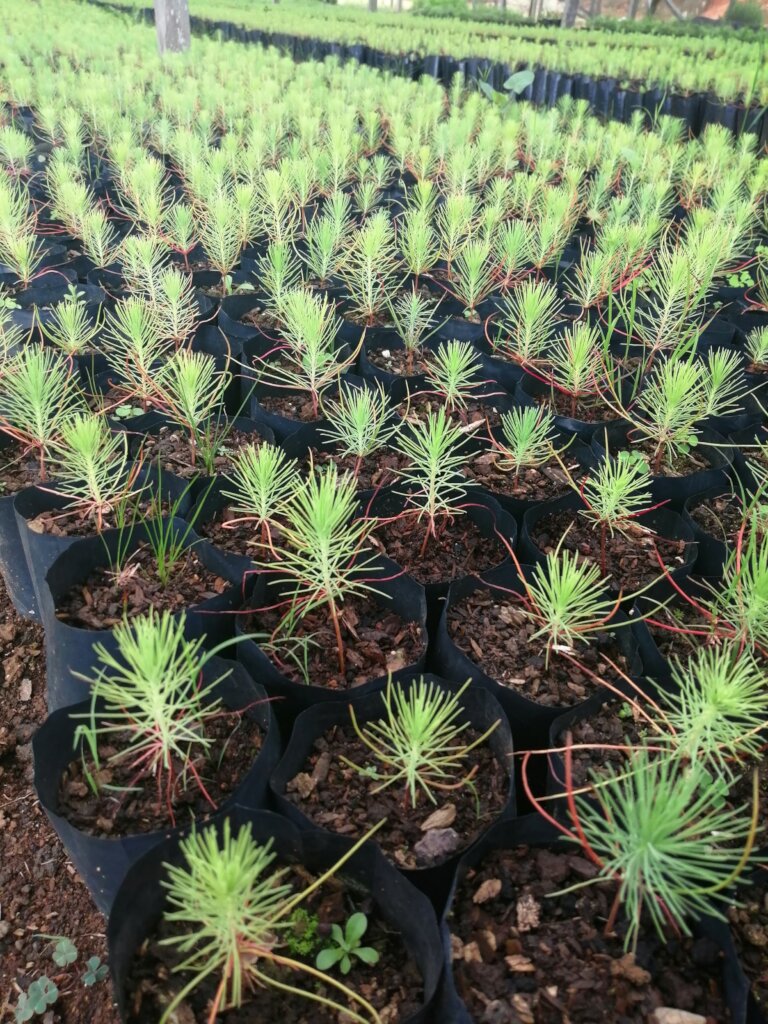
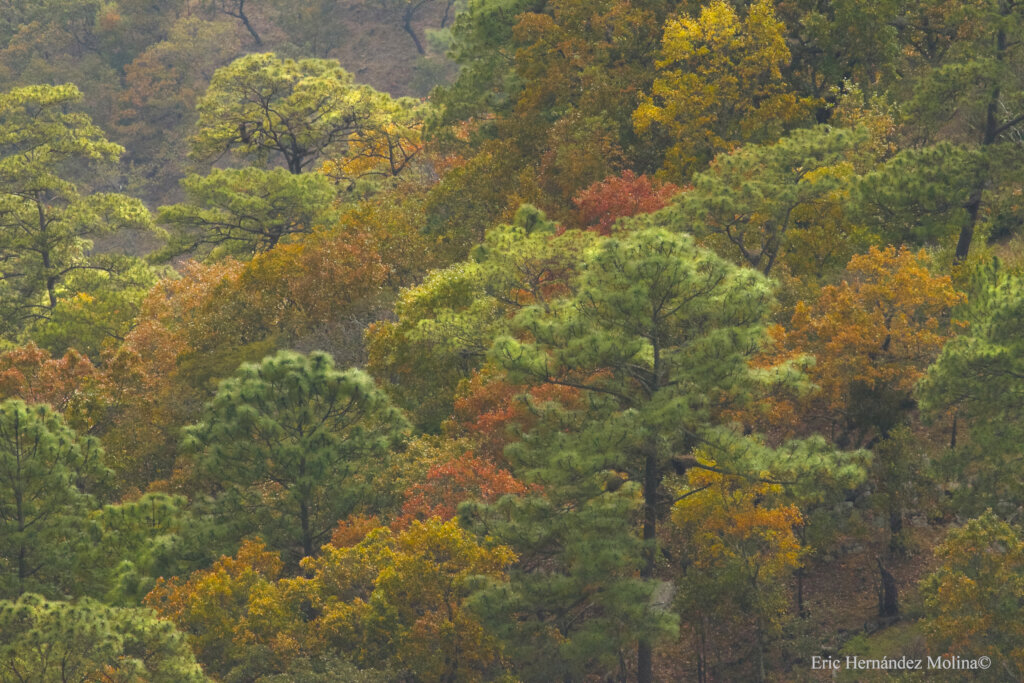
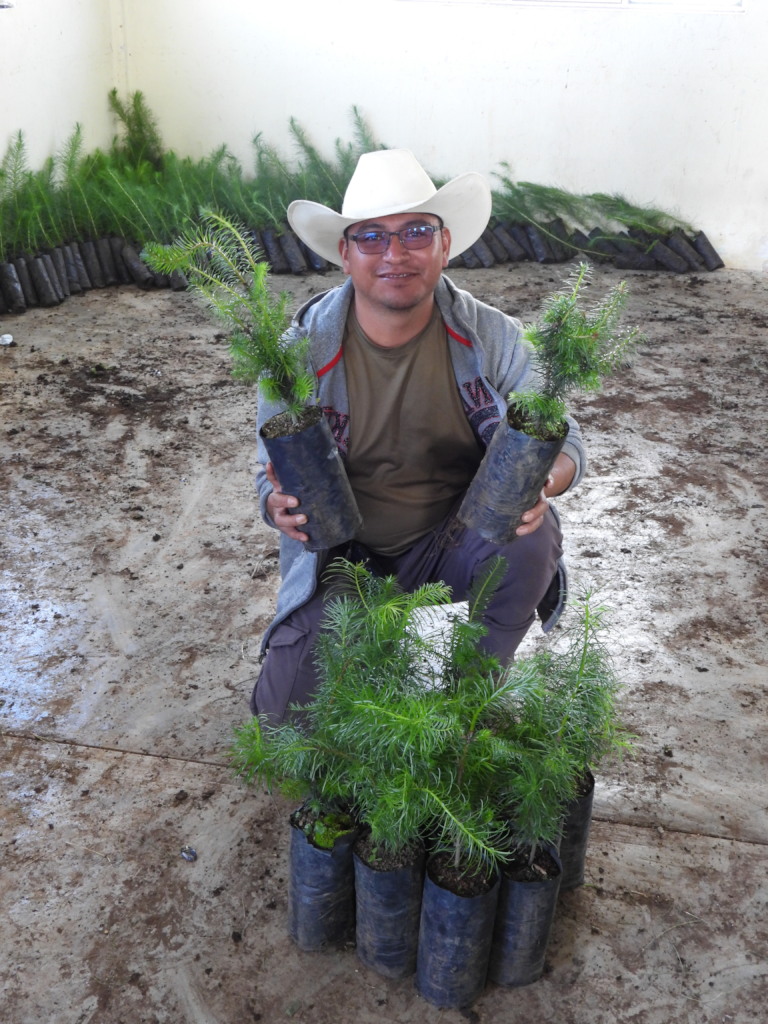
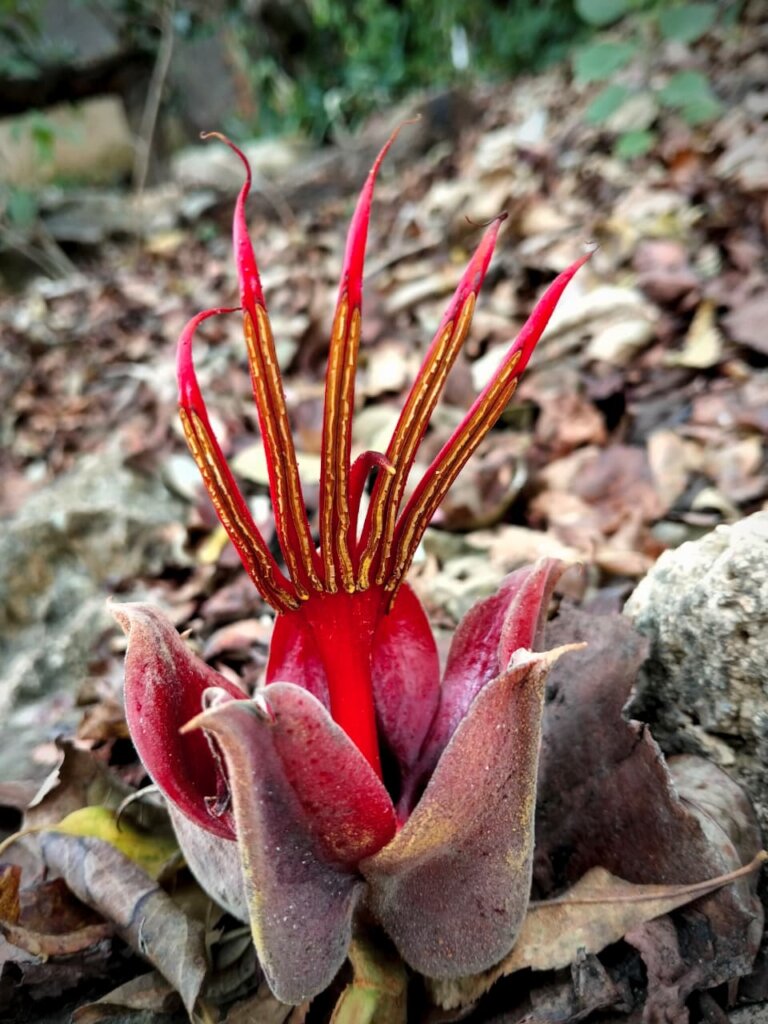
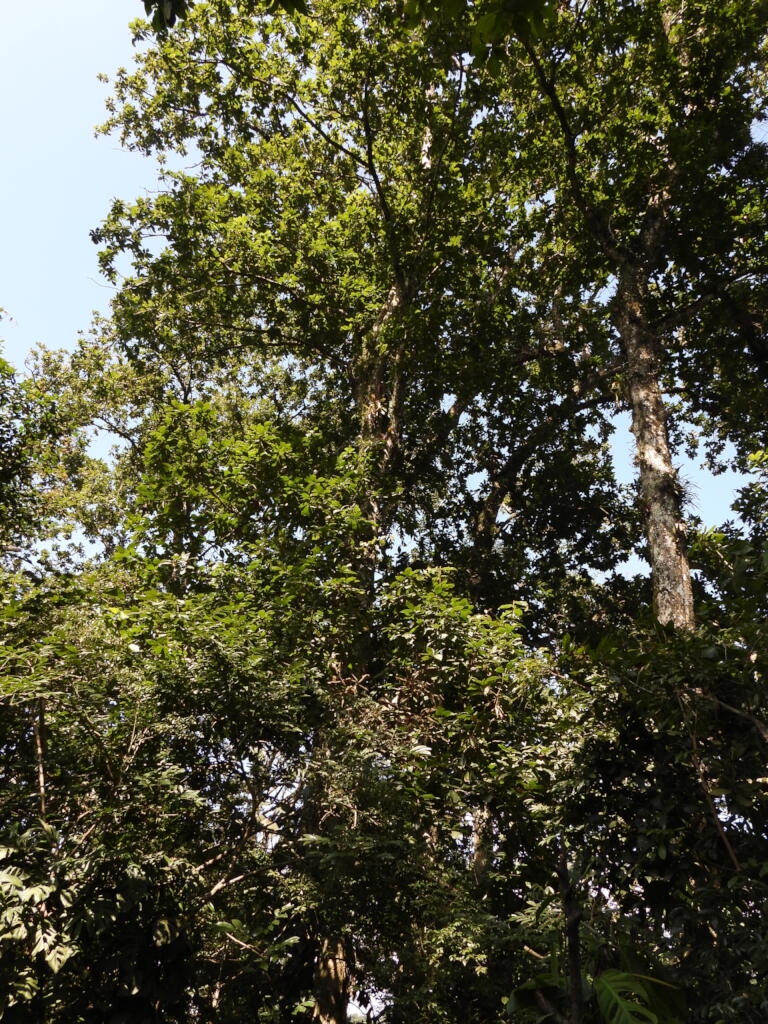
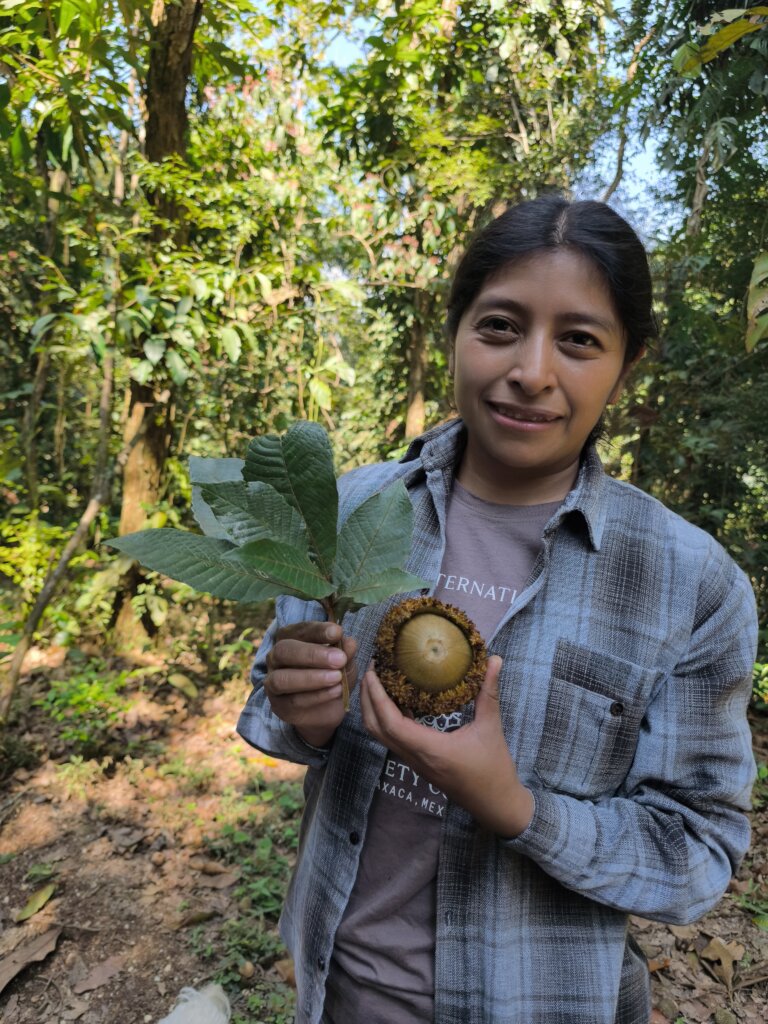
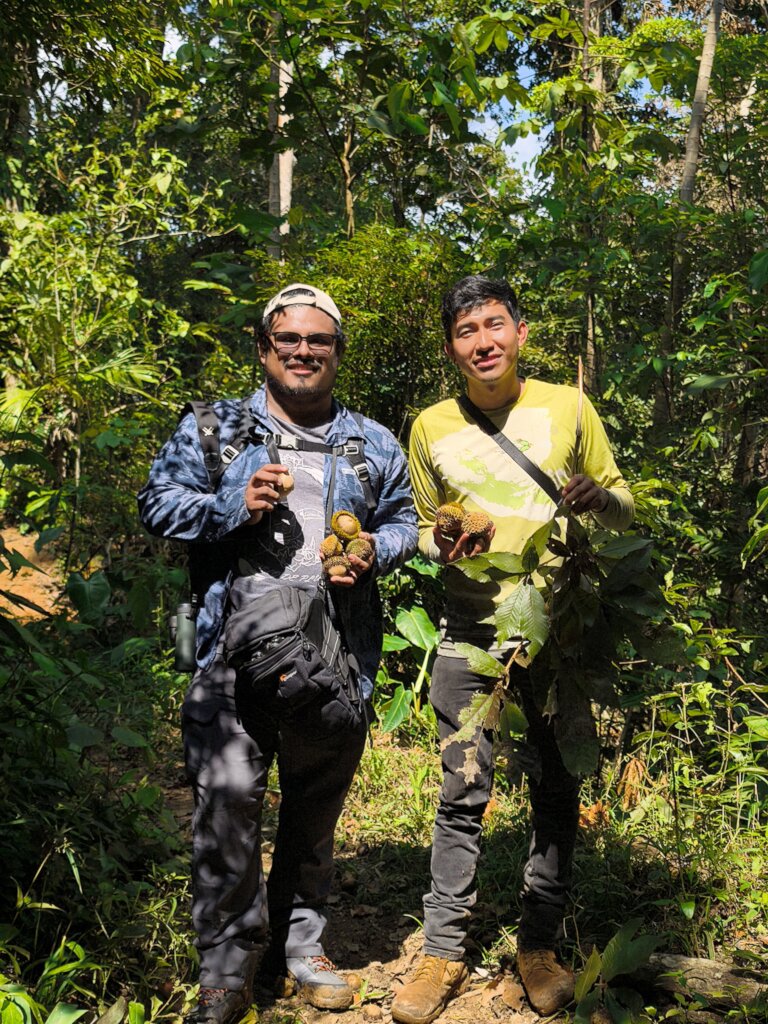
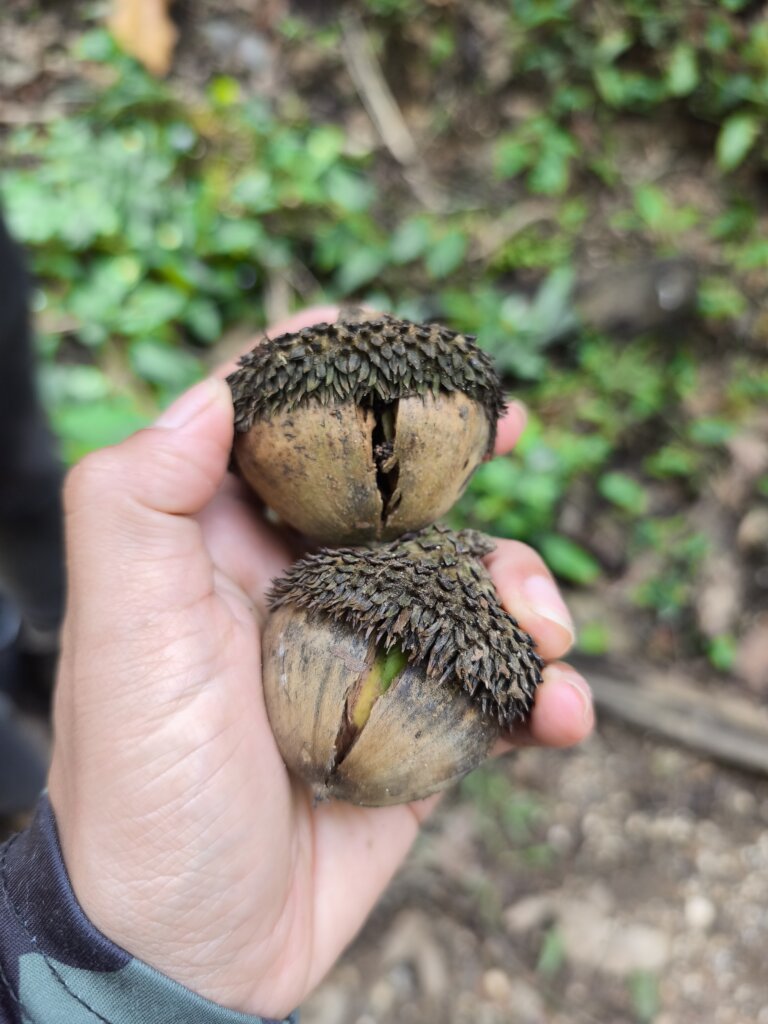
At our conservation nursery, we work with ten threatened native tree species that are key to biodiversity and the restoration of the forest landscape in the Chiapas Highlands region. These species are not produced in conventional nurseries: their propagation requires specialized knowledge, patience, and a clear commitment to wildlife.
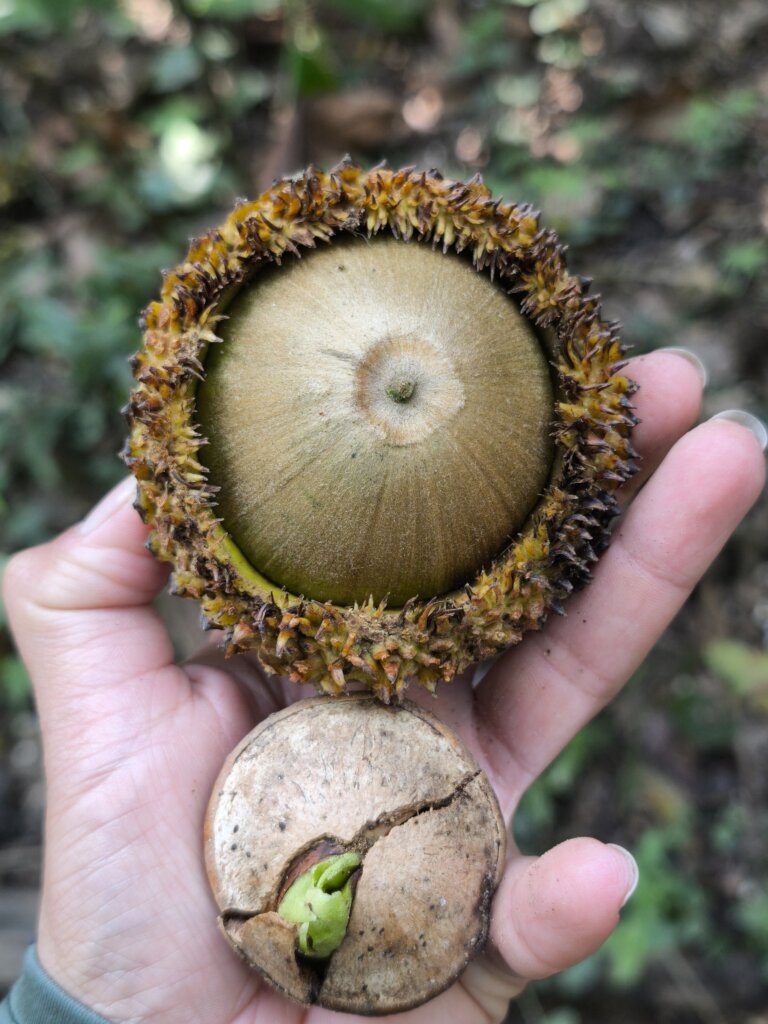
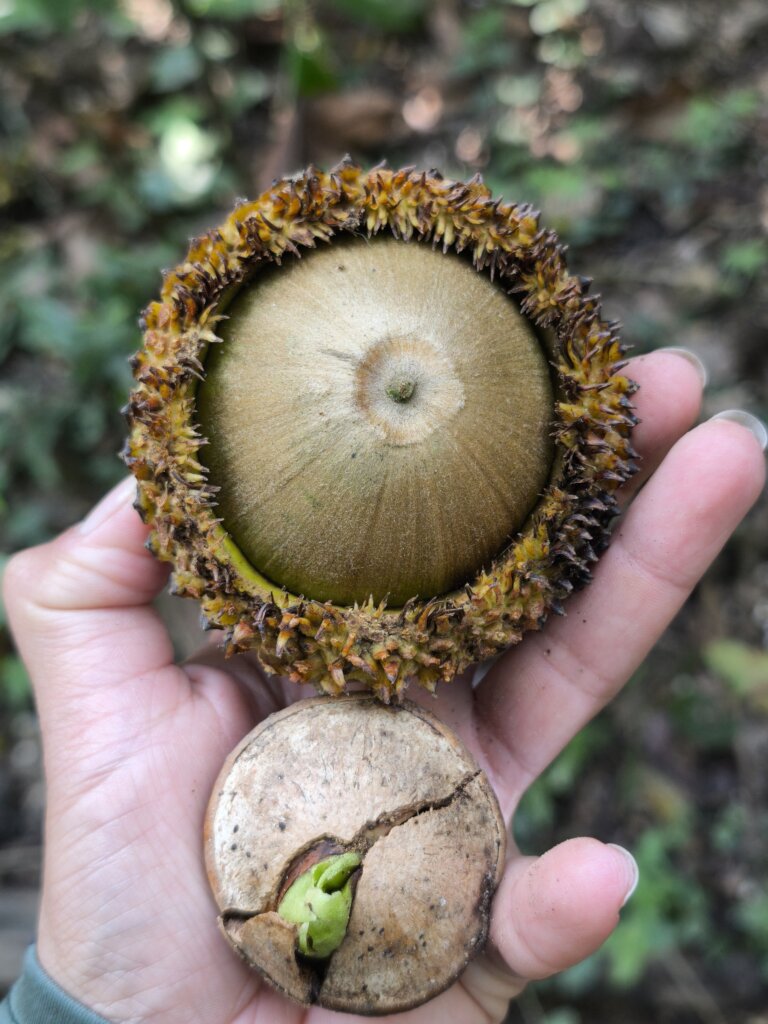
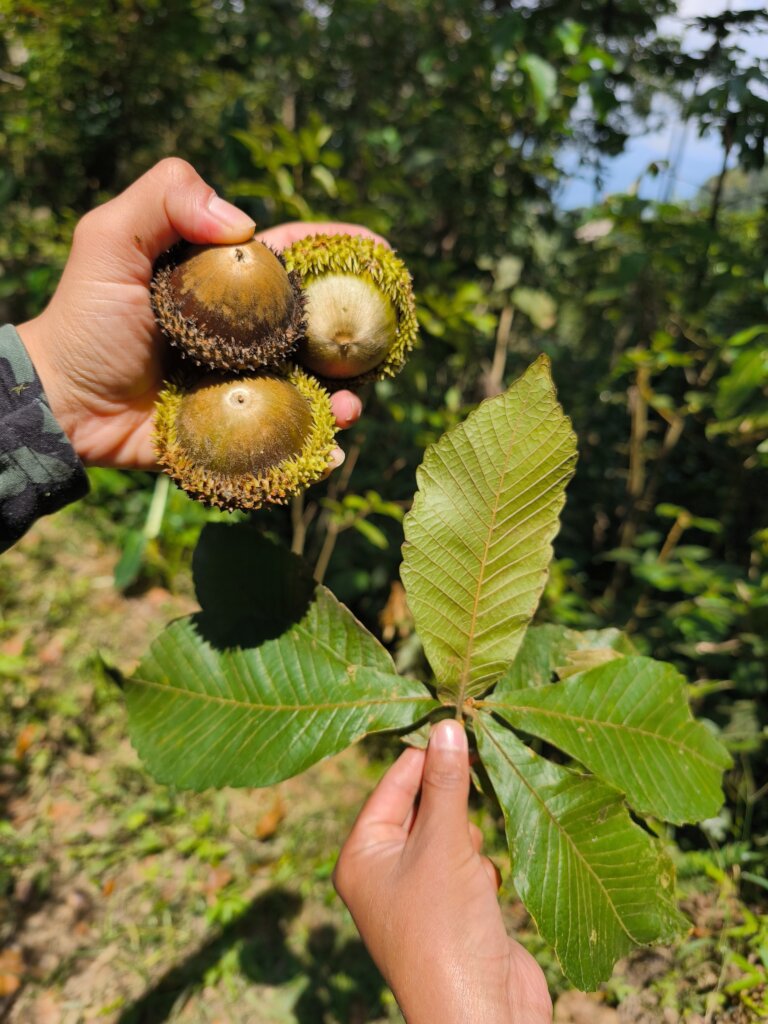
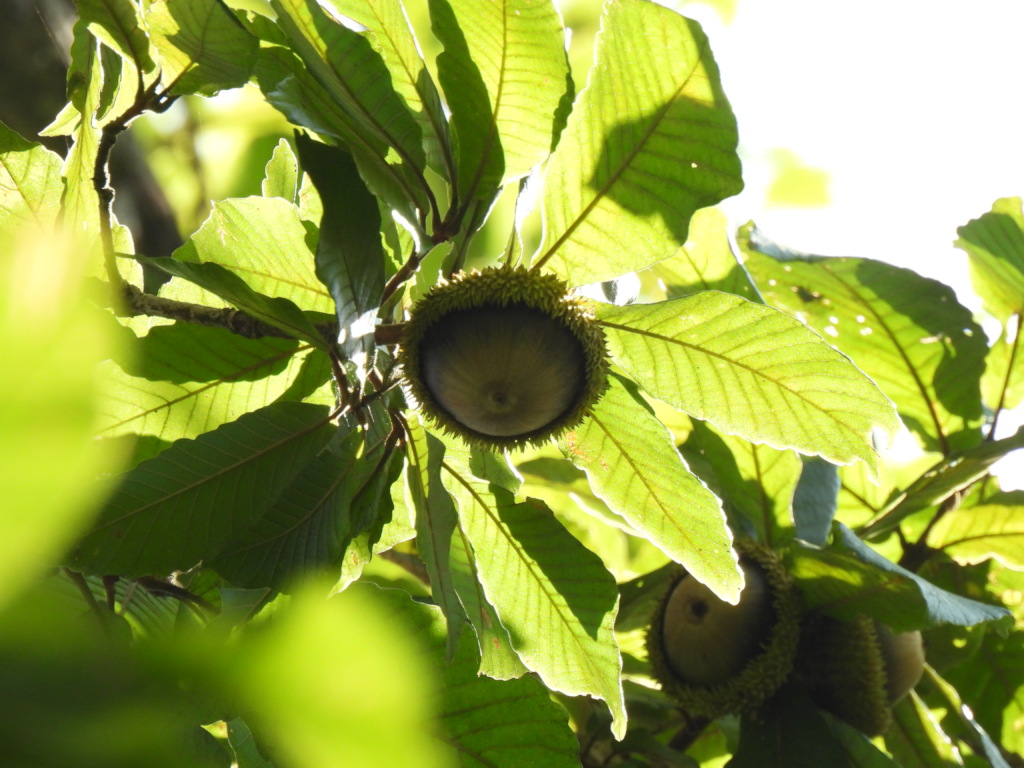
The species we cultivate span a wide range of risk categories according to the International Union for Conservation of Nature (IUCN) and Mexican regulations. Among the most critically endangered are Magnolias (Magnolia faustinomirandae) and the Mexican maple (Acer skutchii), both classified as globally CR (Critically Endangered), whose wild populations are so small that every plant produced in the nursery represents a real opportunity to strengthen their presence in the forest. In the EN (Endangered) category, we work with Romerillo (Abies guatemalensis var. guatemalensis), the Chiapas Pine (Pinus strobus var. chiapensis), the Chiapas Magnolia (Magnolia sharpii), and the Chicabala Oak (Quercus insignis). This last is an iconic species of the cloud forests whose populations have been drastically reduced by deforestation and land-use change. We round out the catalog with Cajeta (Acer negundo subsp. mexicanum) and the Chiquinib Oak (Quercus acutifolia), both classified as VU (Vulnerable), as well as Flor de Manita (Chiranthodendron pentadactylon) and Palo de Fierro (Ostrya virginiana), species globally classified as LC (Least Concern). These last species receive special protection under Mexico national regulation, Norm 059.
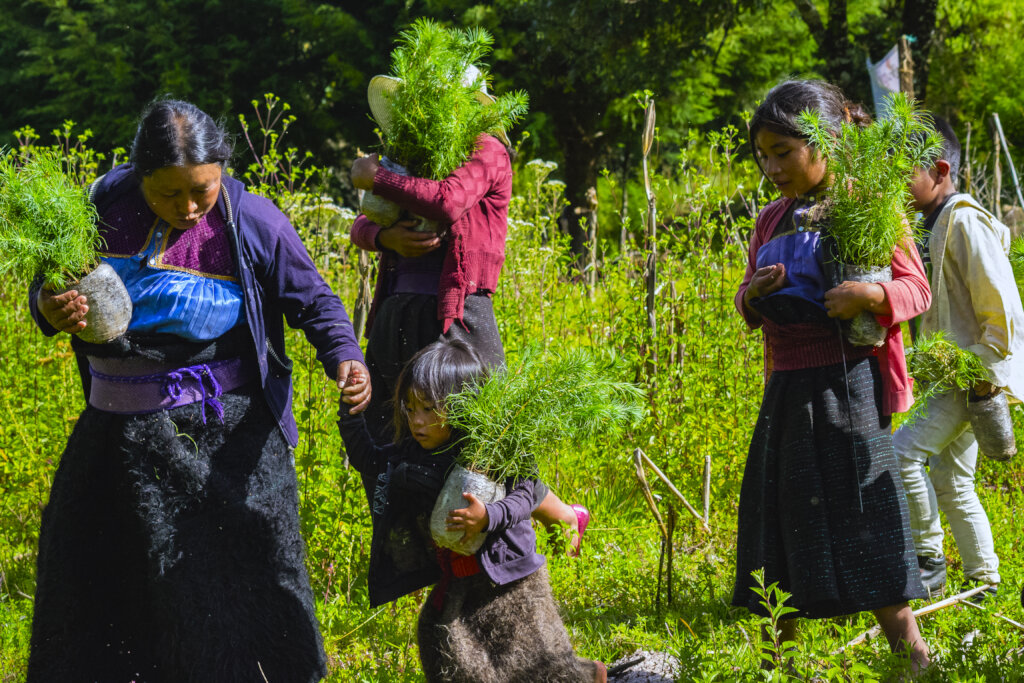
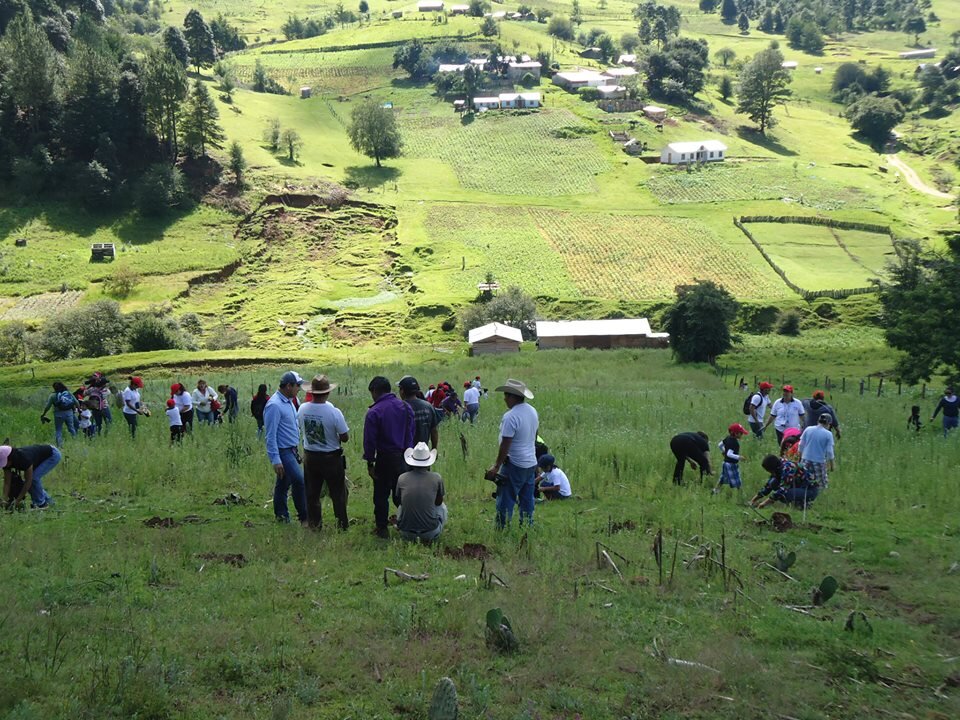
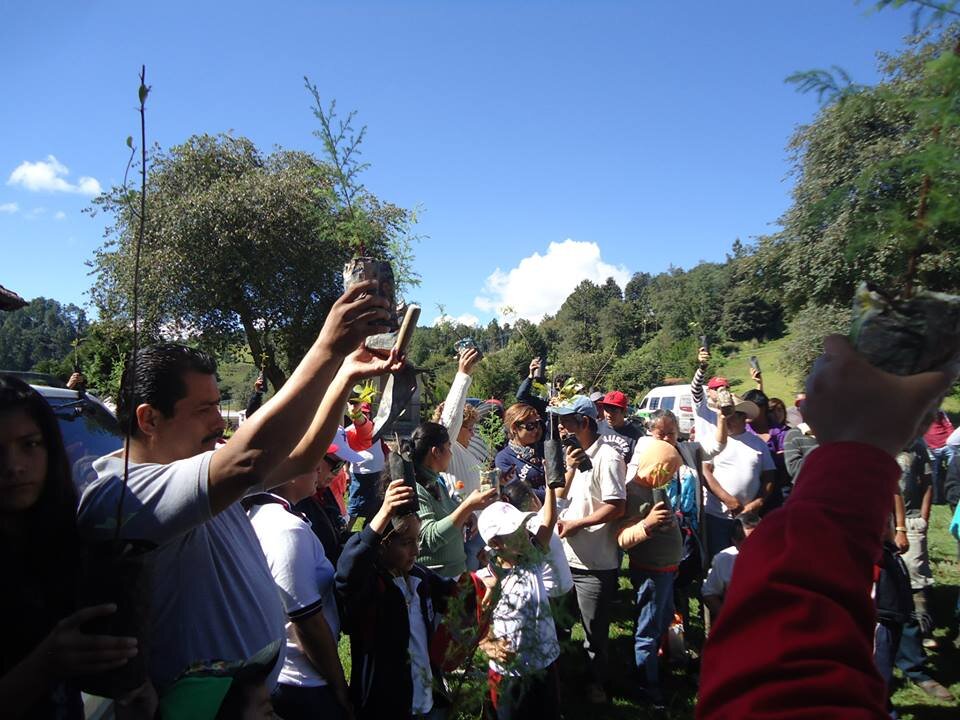
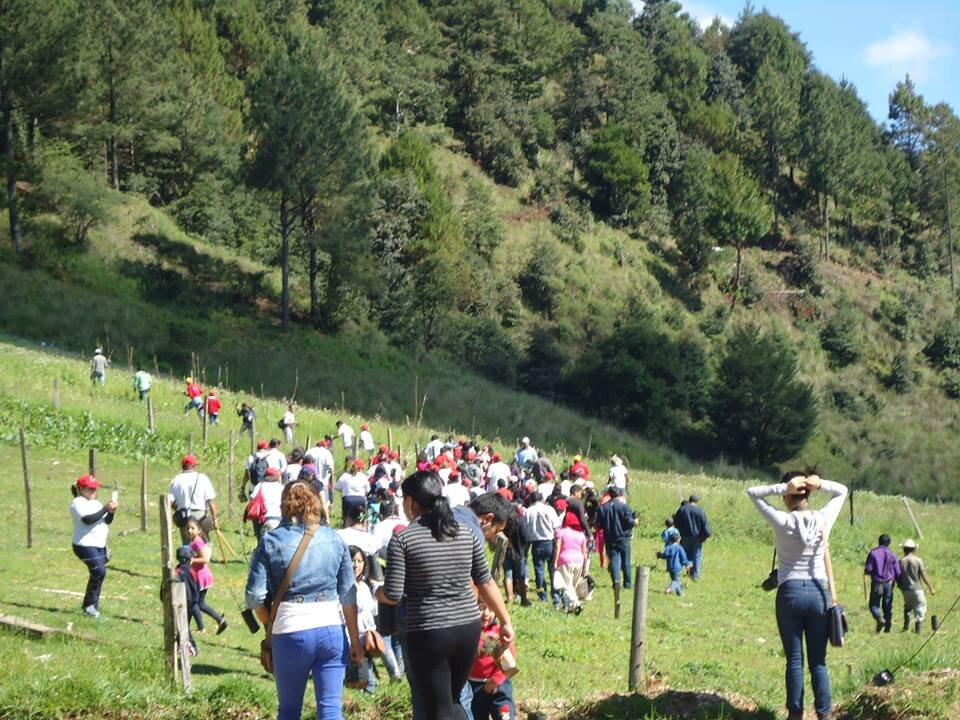
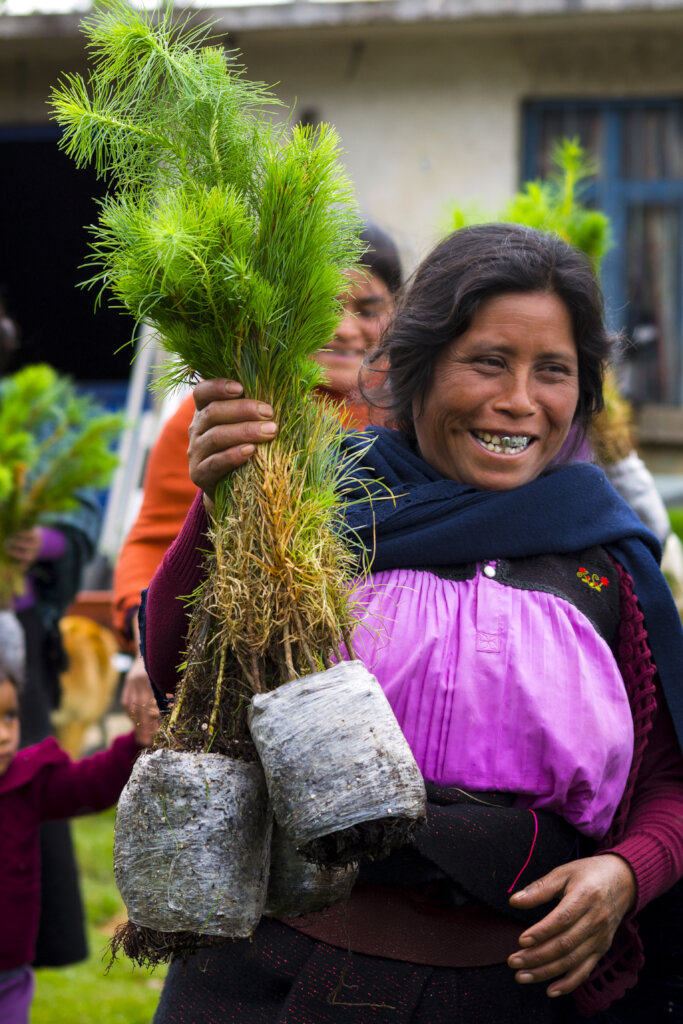
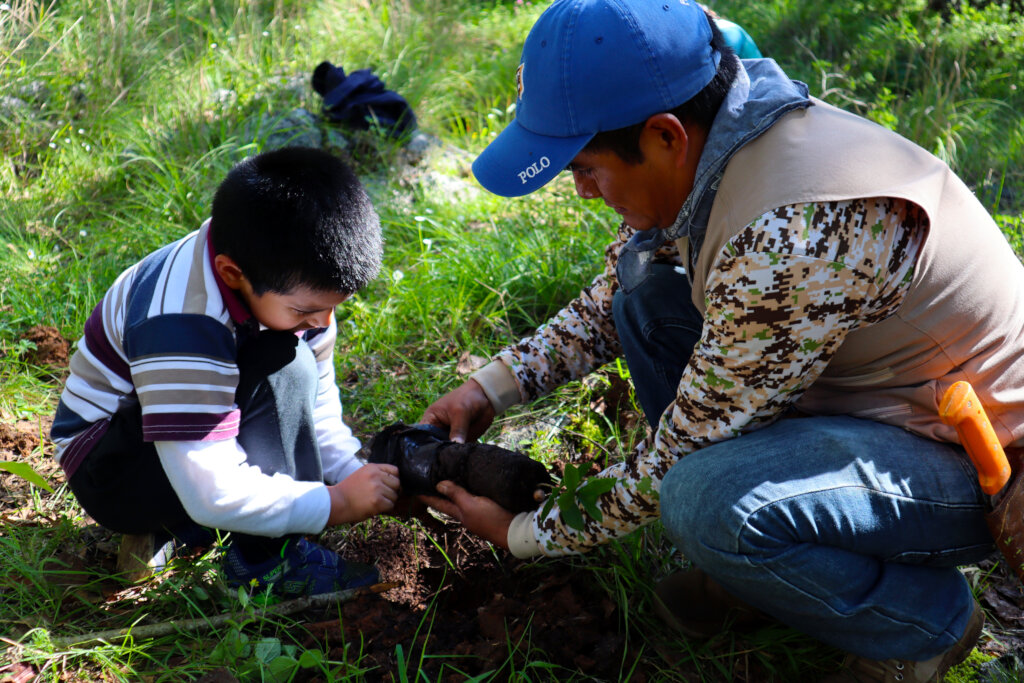
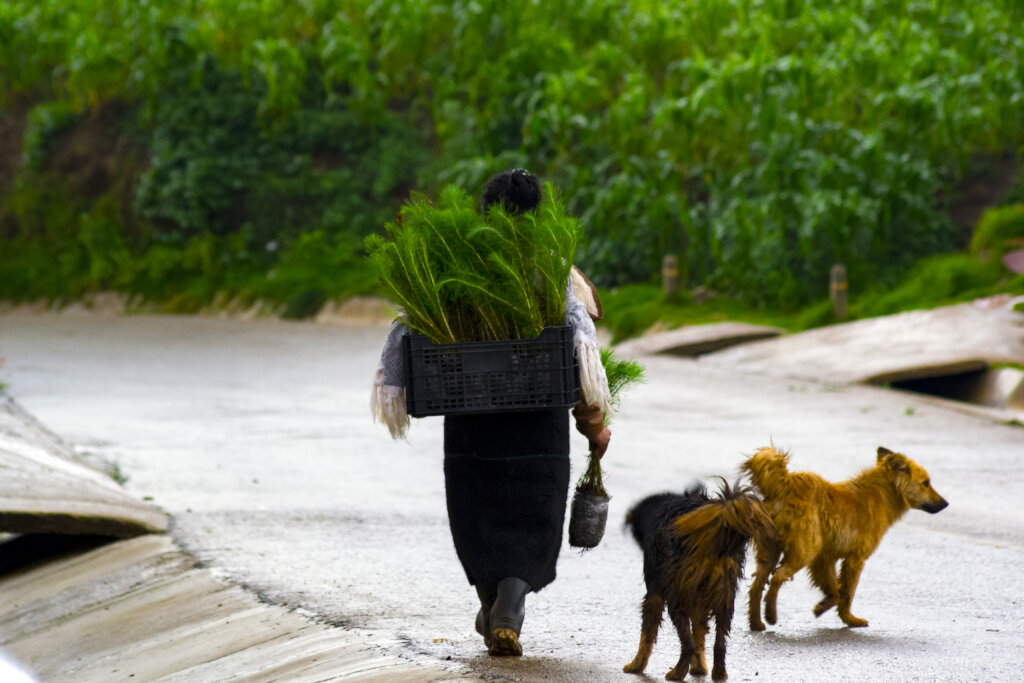
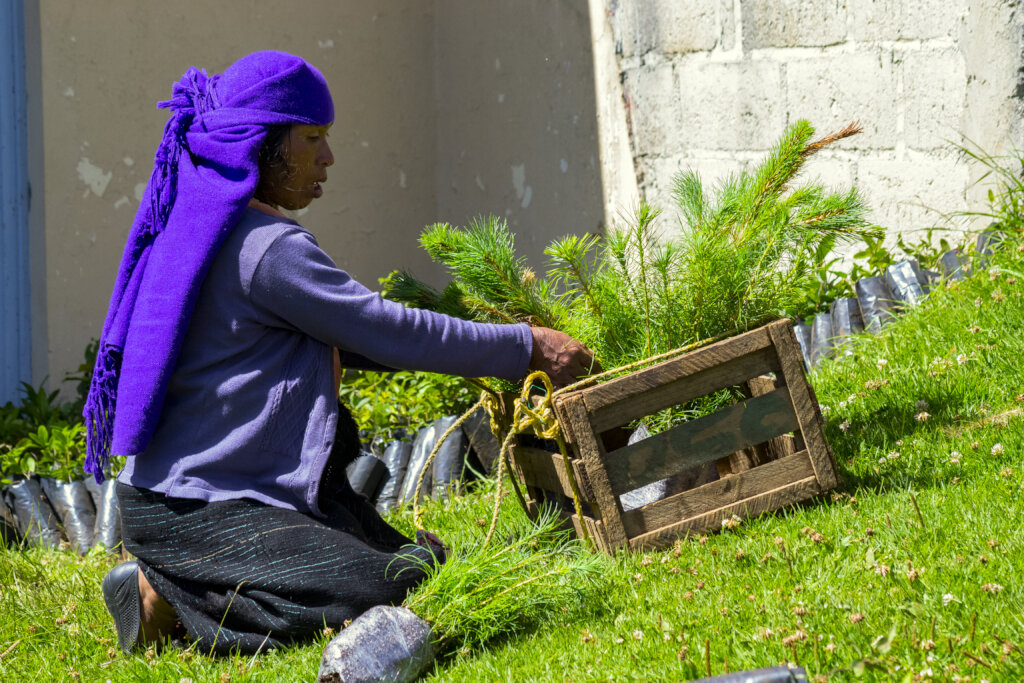
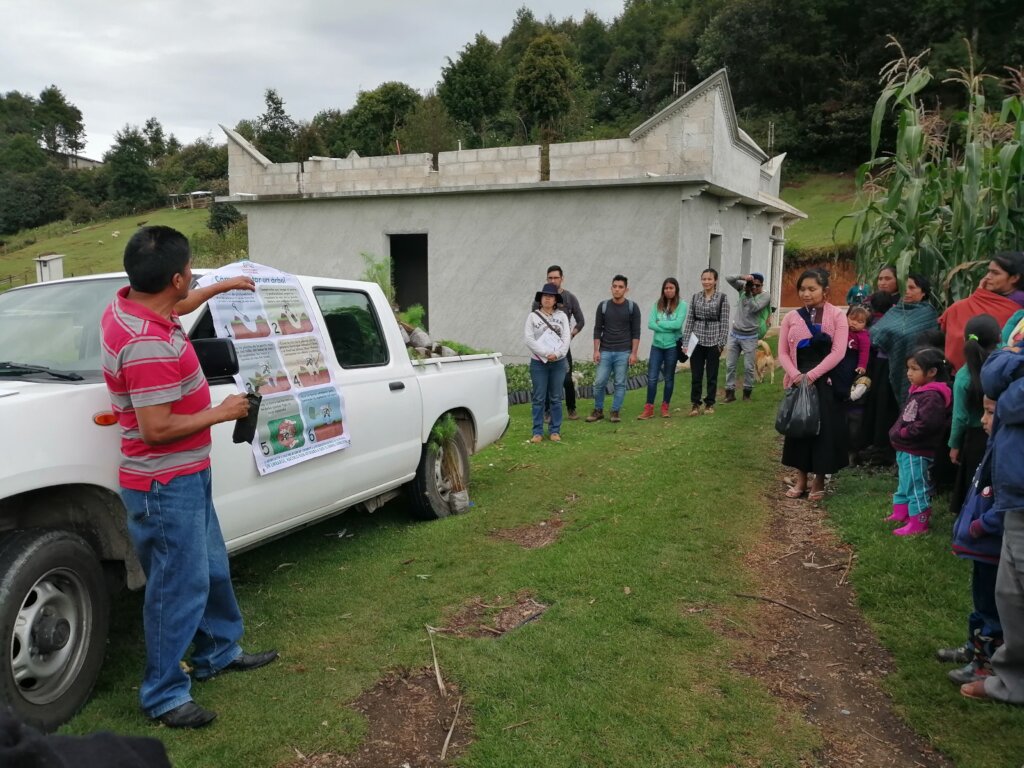
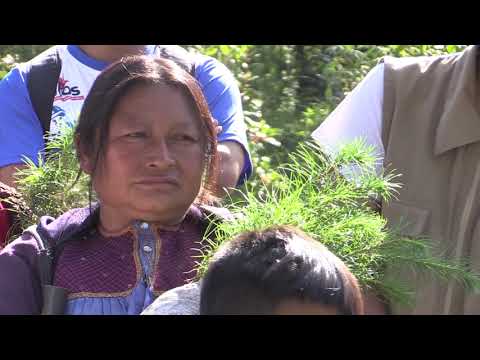
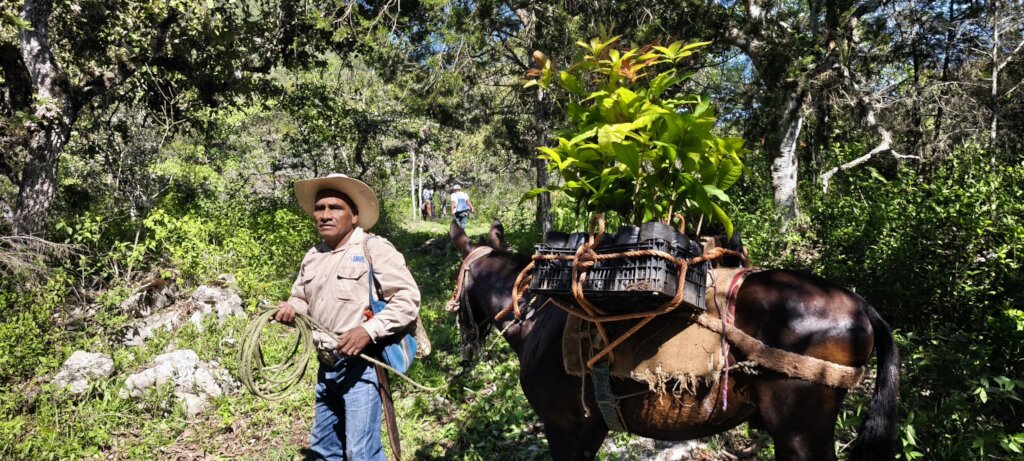
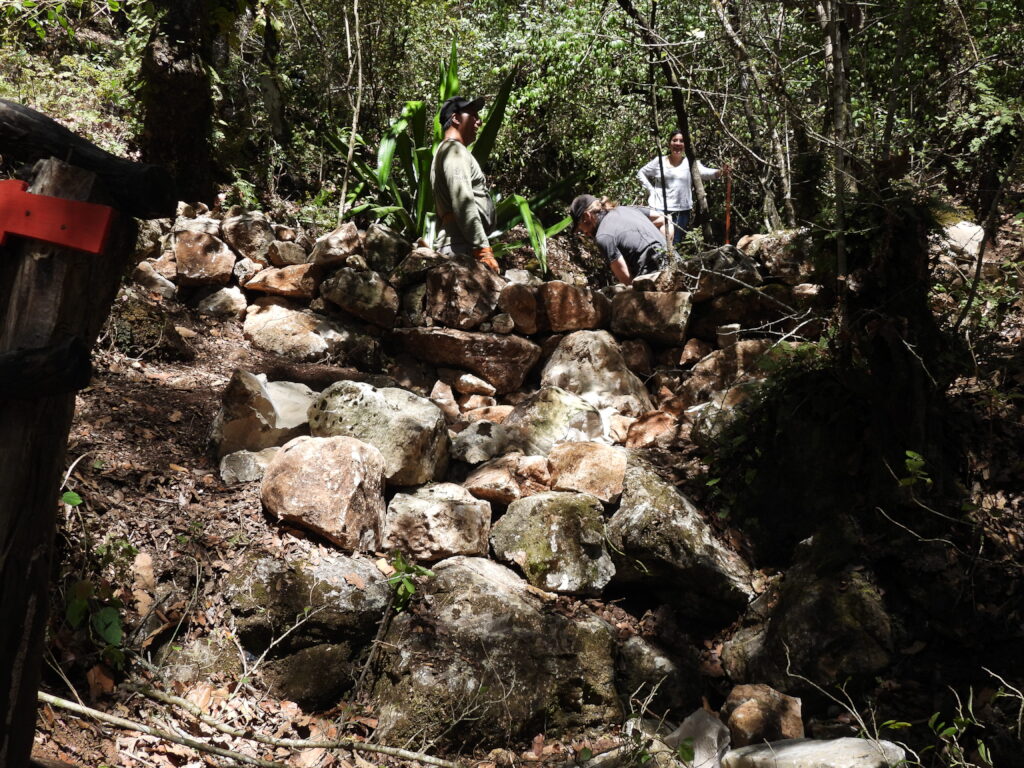
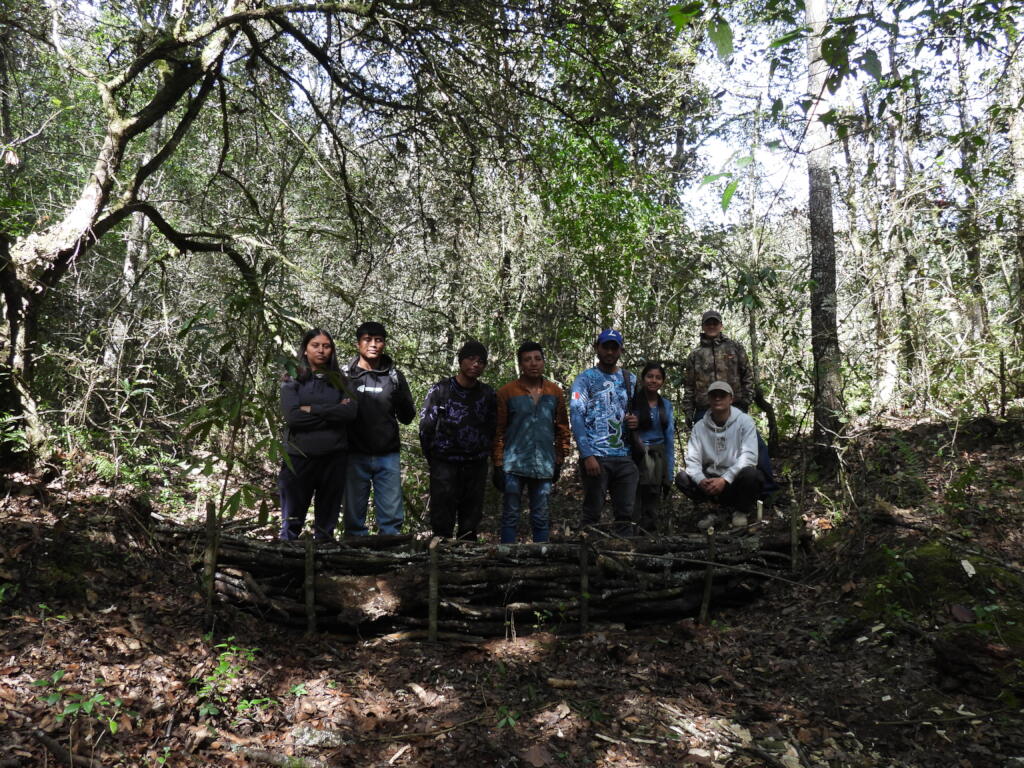
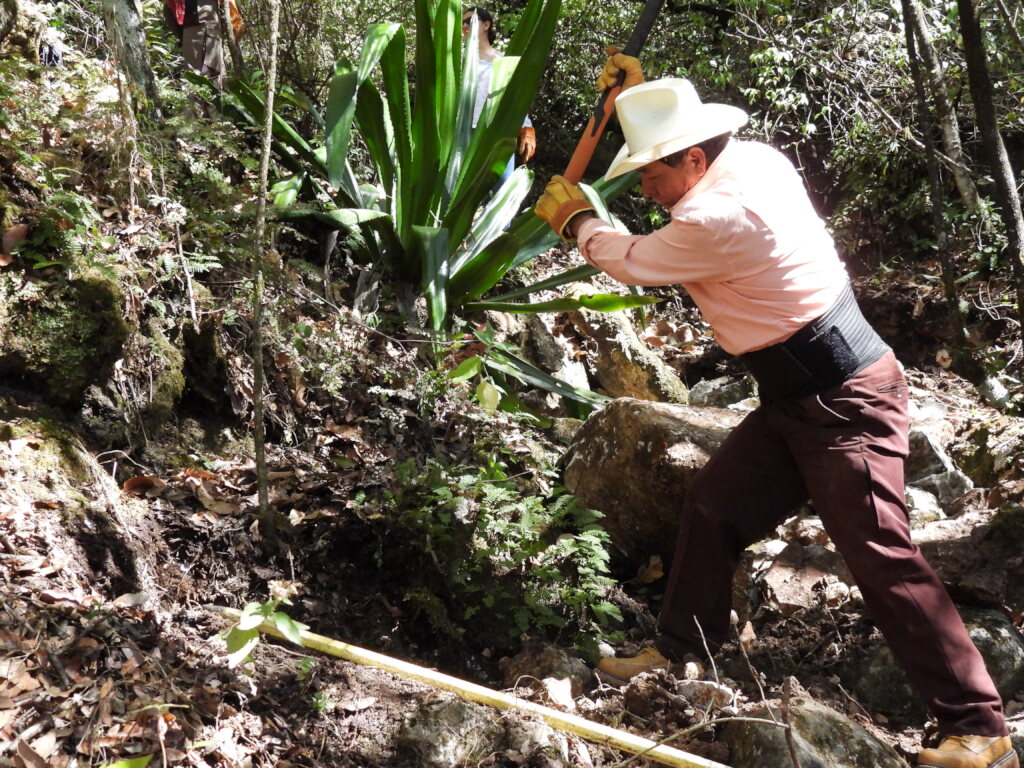
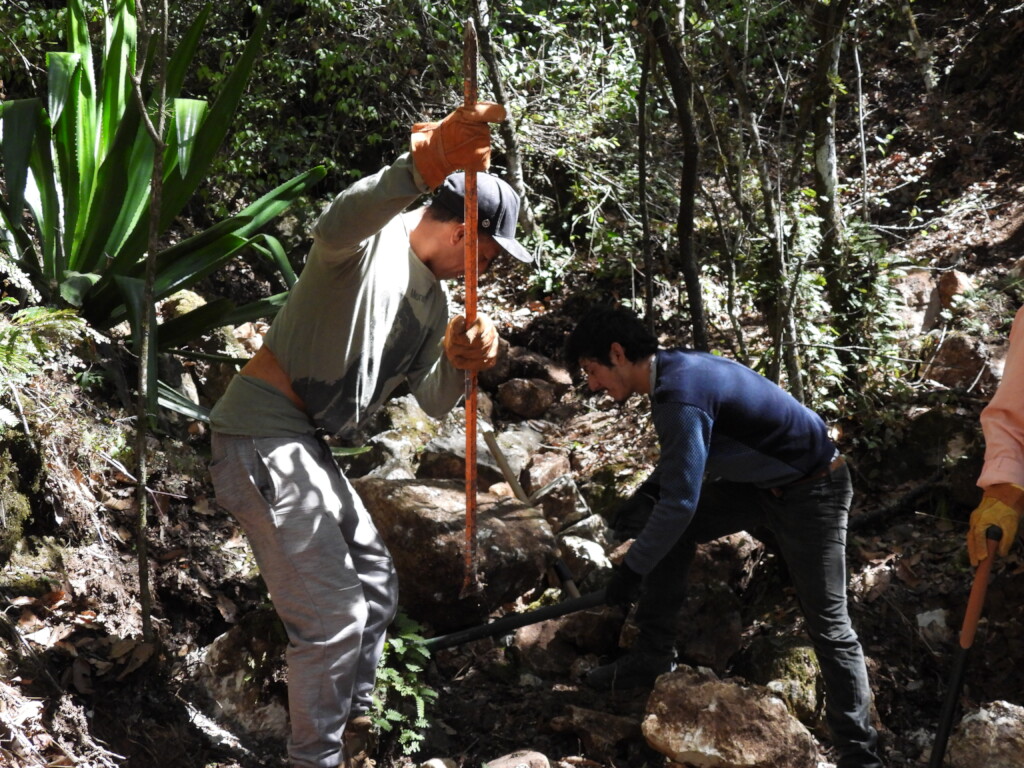
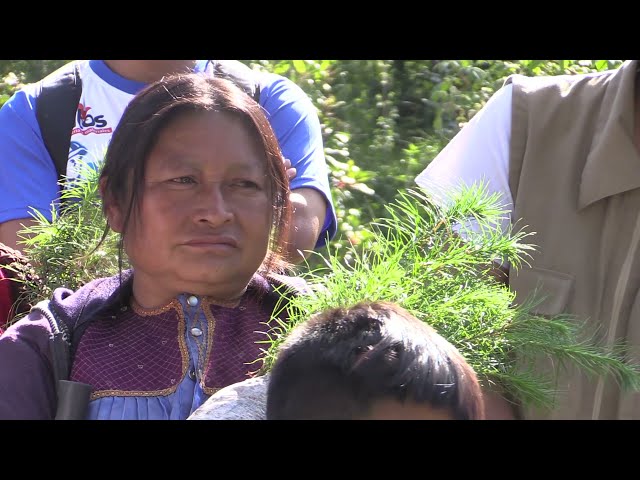
What we do at the nursery goes beyond simply producing plants: it opens a window of opportunity for these species to return to the wildlife. Every tree that reaches field-ready condition—that is, with a well-developed root system, a vigorous stem, and adaptation to local conditions—is an individual ready to integrate into its ecosystem, contribute to habitat recovery, and reestablish the ecological interactions that sustain the forest as a whole. This process can take 2 to 3 years. We work with indigenous and rural communities in the Chiapas Highlands, who actively participate in field planting, transforming traditional knowledge into conservation action.
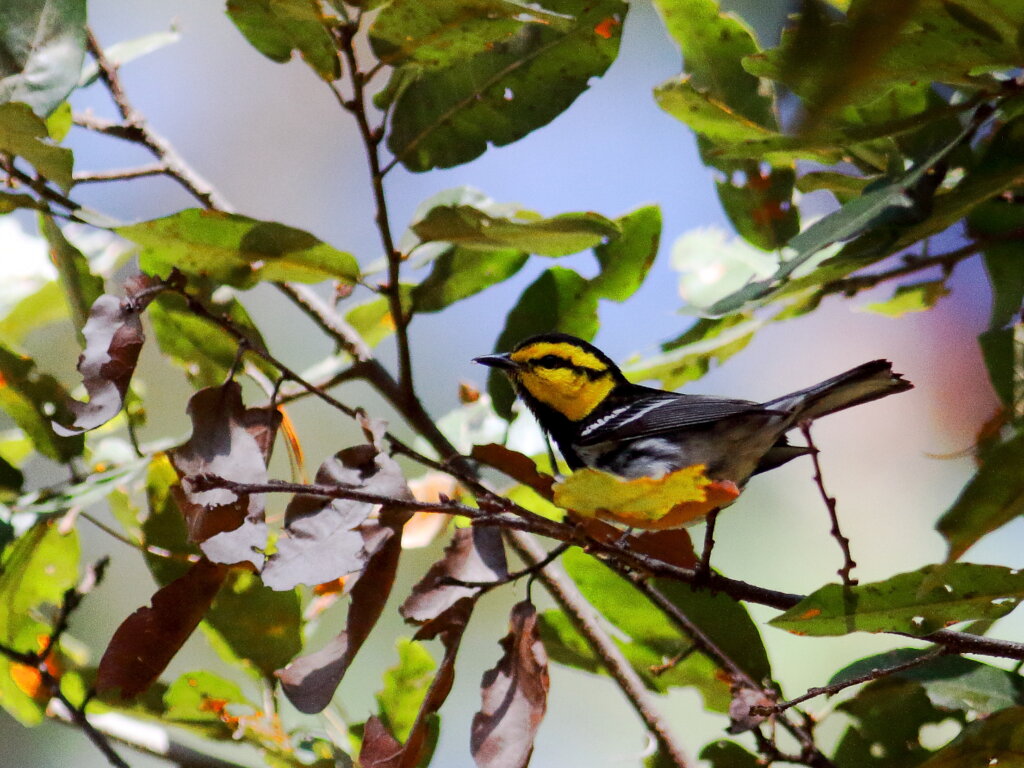
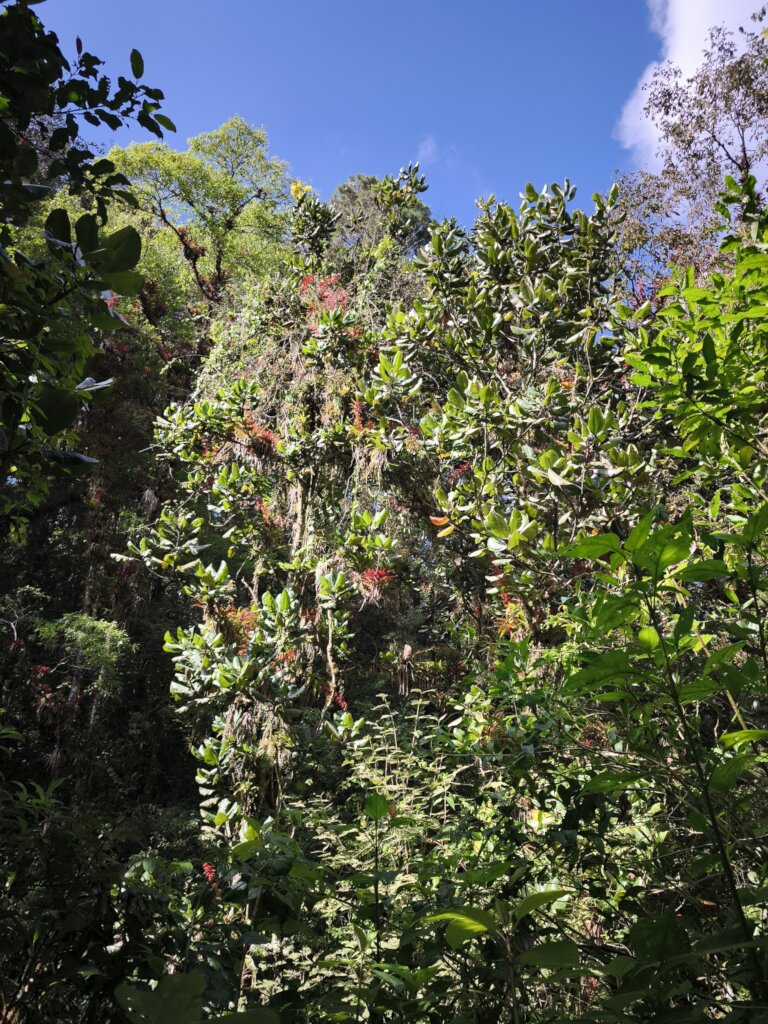
The distribution of these plants at strategic sites within each species’ natural range—such as Moxviquil, Huitepec and Encuentro Natural Park ecological reserves, as well as community areas—allows us not only to recover isolated individuals but also to rebuild populations with long-term viability. That is what we mean by conservation nursery work: the bridge between the seeds we save today and the forest that future generations of people, birds and wildlife will have.
Links:
By Luz Rodriguez Parga | Project Leader
By Luz Rodriguez Parga | Project Leader
Project reports on GlobalGiving are posted directly to globalgiving.org by Project Leaders as they are completed, generally every 3-4 months. To protect the integrity of these documents, GlobalGiving does not alter them; therefore you may find some language or formatting issues.
If you donate to this project or have donated to this project, you can receive an email when this project posts a report. You can also subscribe for reports without donating.



Support this important cause by creating a personalized fundraising page.
Start a Fundraiser