By Thomas G. Hedberg | Executive Director, IMCRA
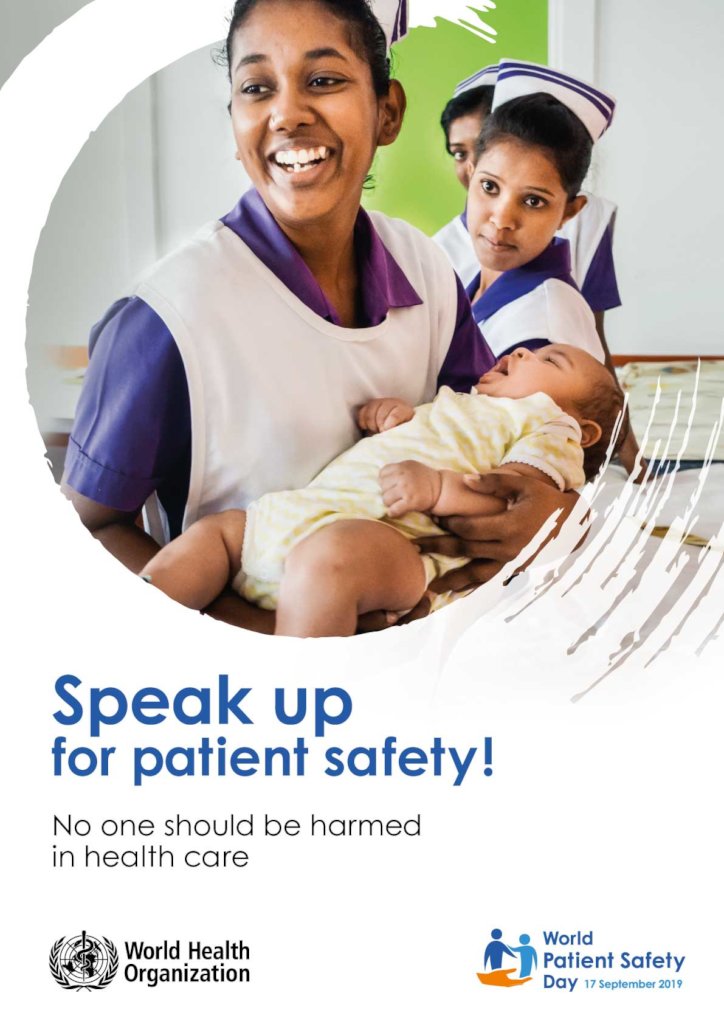
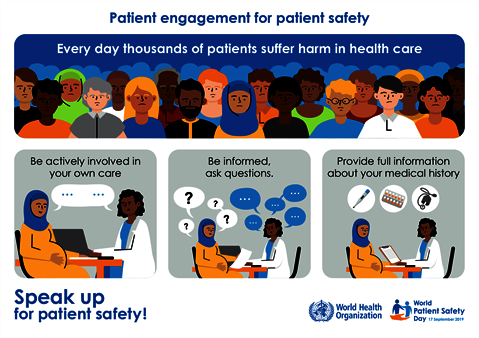
Today (17 September 2019) is World Patient Safety Day.
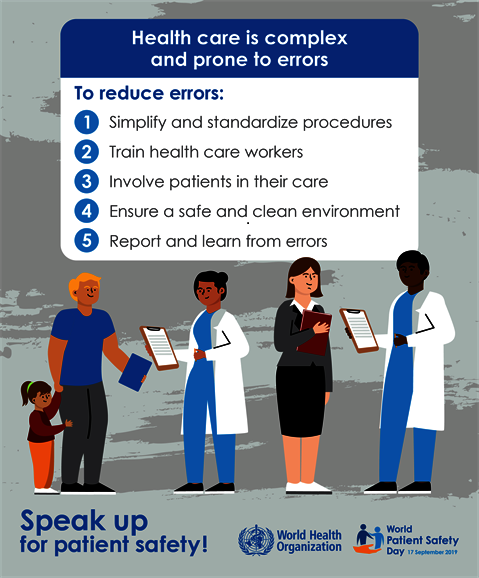
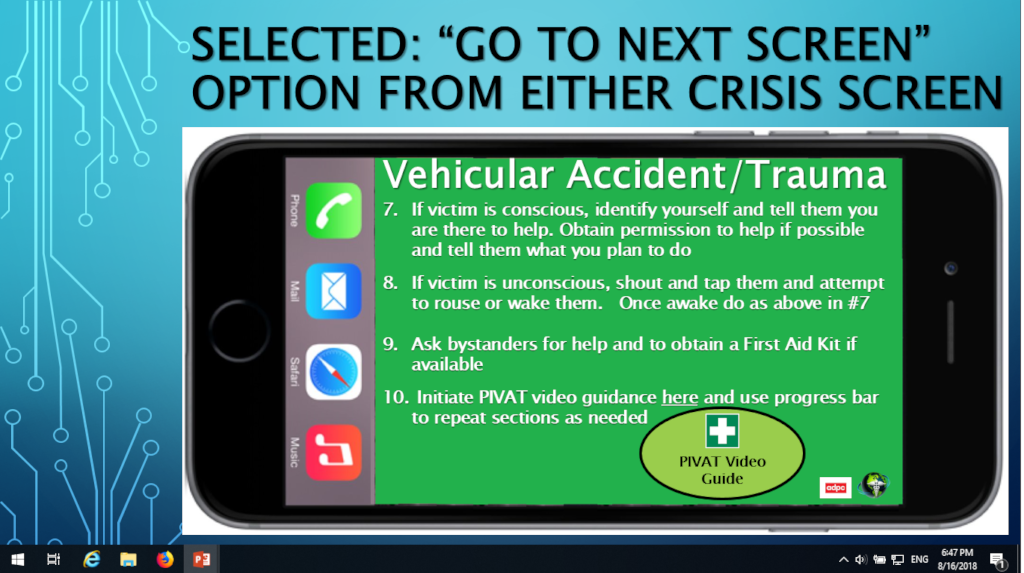
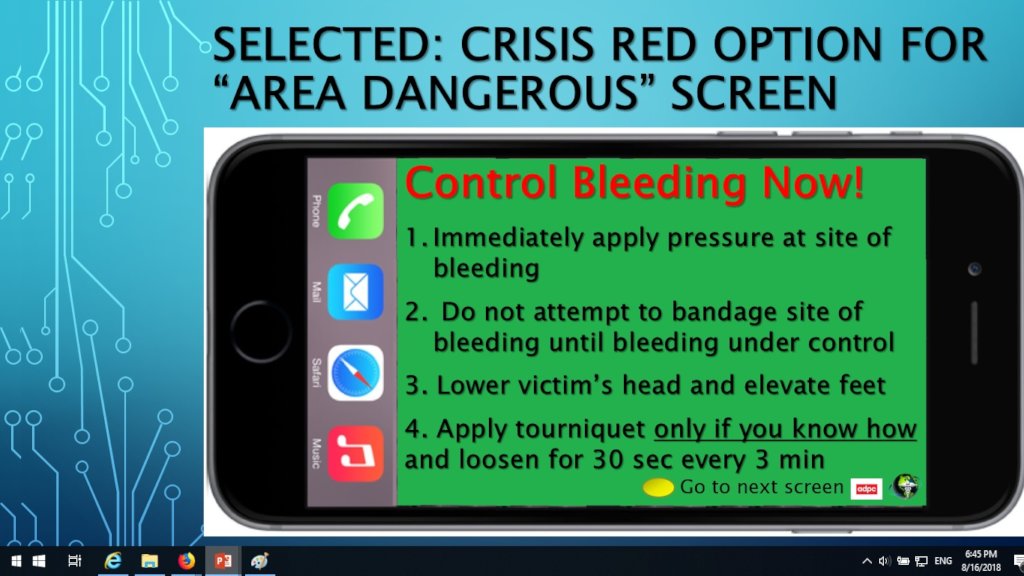
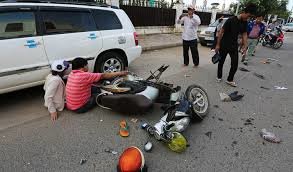
The United Nations has undertaken a global campaign to create awareness of patient safety and urge people to show their commitment to making healthcare safer. This WHO-sponsored initiative underscores the importance of IMCRA programs like PIVAT which are designed to: 1) make medically-vetted and approriate intervention possible by educating first responders, 2) enable approrpriate care to be available to victims of medical mishaps rapidly and in their native language. The PIVAT system is applicable both at the site of a medical emergency as well as in the ambulance or clinic where primary care is administered.
Surprisingly, 134 million medical adverse events occur each year due to unsafe care onsite and in clinics in locations where poorly-trained or untrained medical personnel are found; this primarily in low- and middle-income countries where poor intial patient care contributes to 2.6 million deaths annually. While four out of 10 patients are harmed in the primary and ambulatory settings, up to 80% of this harm can be avoided. Finally, fully 15% of hospital expenses can be attributed to patient safety failures in OECD countries.
IMCRA is committed to eradicating this gross imbalance in the quality of patient care by providing instant access to primary care procedures in an easily-understood form provided by some of the foremost healthcare practitioners in the world. IMCRA is an enthusiastic participant in WHO's World Patient Safety Day and will continue to advocate for effective initial patient care indefinitely. Please see https://www.who.int/campaigns/world-patient-safety-day/2019 and help us to both enhance and spread the effectiveness of the PIVAT program worldwide. It is badly needed in so many places where suffering is both unrelieved and often increased by absent or inappropriate medical care. Thank you
Links:
Project reports on GlobalGiving are posted directly to globalgiving.org by Project Leaders as they are completed, generally every 3-4 months. To protect the integrity of these documents, GlobalGiving does not alter them; therefore you may find some language or formatting issues.
If you donate to this project or have donated to this project, you can receive an email when this project posts a report. You can also subscribe for reports without donating.