By Olivia Elliott | Writer, content
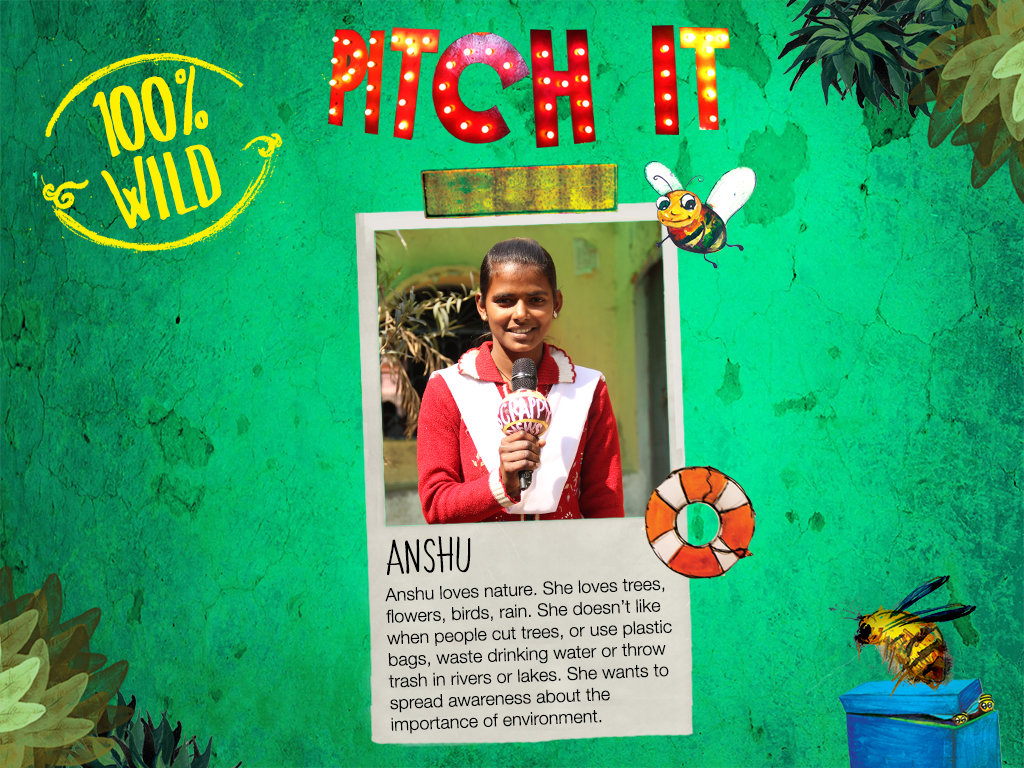
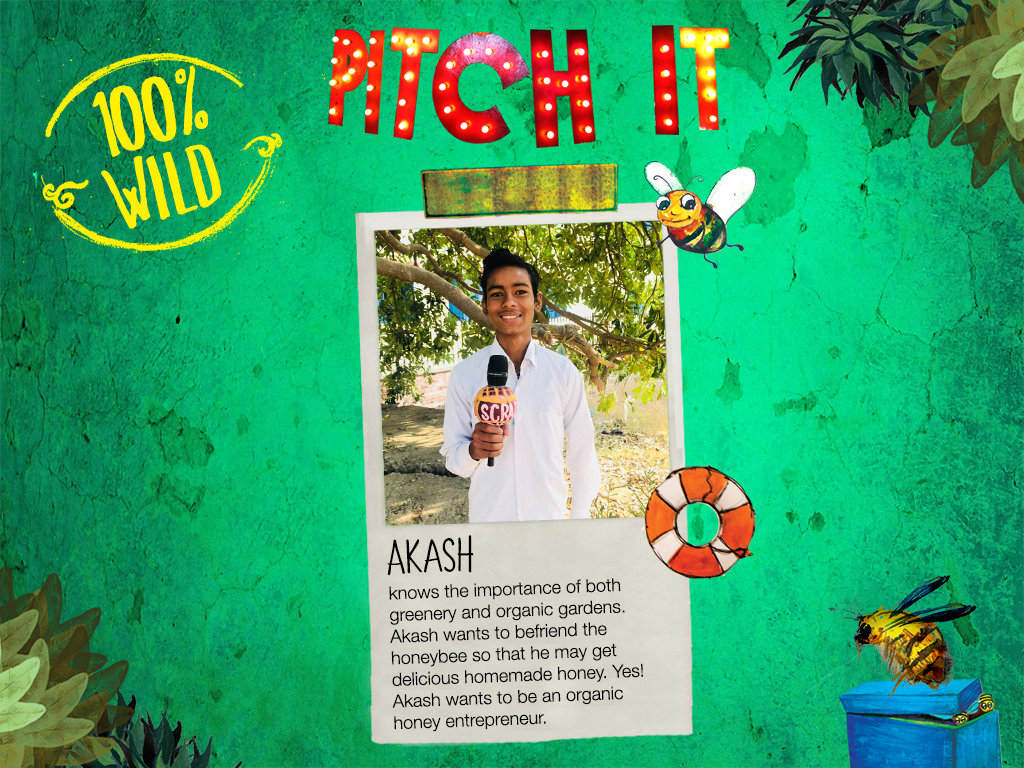
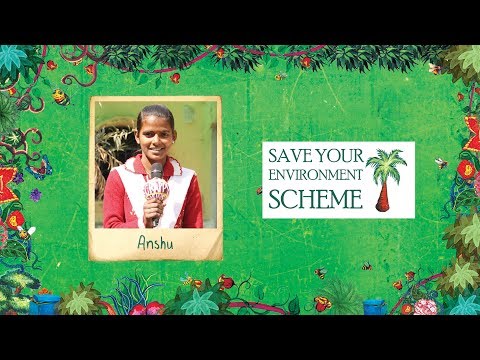
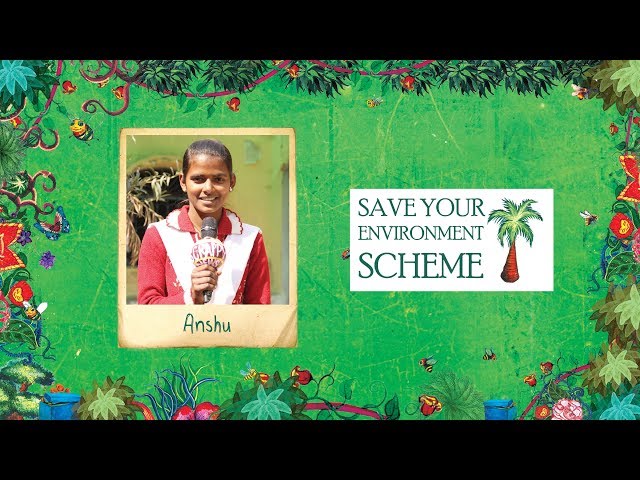
With the monsoon in full force across India and schools reopening in Bihar, it’s all happening at the same time. Our kid finalists and their enterprises are now in Grade 10, and with your support, we’re selecting 50/101 finalists to receive grants to action the change they want to see in their schools. It’s never easy to choose. We’ve notified the finalists and are looking for a date that they can all come together to present their ideas to a panel of judges in Bihar.
We’re once again moved and inspired by kids’ ideas. How do you choose? Our theme was/is ‘Can you make your school 100% Wild?’ We wanted to ask kids to think deeply about sustainability, impact, recycling, repurposing, what is organic and pure. Its tough in rural India when plastic is everywhere and seems to be the only option. What do you buy milk in, if not a plastic packet? With cities in India beginning to plan plastic, which is excellent news, the race is on to find low-cost, environmental solutions for rural India. It is very hard to be end to end in India. Something that looks green or sustainable from one perspective, will quite often have a gap, or slip up, from another perspective. There are so many ways of seeing. Language plays a role, as do culture, values, school attendance and what is delivered at school, community leadership, trust, communication, being on time, doing what you say you will do and doing it. At the focal point of our challenges to make schools and in turn, the world, a better place are children. So it’s with renewed hope that we’re going to spend a lot more time with the finalists across the next few months to see who has a great idea, who could use our help to conduct more research to make their school-enterprises sustainable and whose idea just should be done because it’s vital for the school and all children’s attendance: you can’t say no toilets. And as it is with choosing the kids school enterprise ideas as to which one will have the biggest impact, as it is with development, do you choose the clearly needed infrastructure, toilets, or the softer communication campaign that asks a village to recycle with different colored bins to separate waste? The impact of toilets is clear and measurable. Toilets were built. Kids either used them or didn’t use them. But the more ambitious idea of the whole village recycling waste? When you go to visit will you say it was not successful because you saw a plastic bag in the road?
Measuring impact is hard. Being accountable even harder. Understanding that things don’t happen because we visit or turned up, they happened before us and after us, without us, that we will leave again and it is children, families, teachers, schools, communities who without our watch, will continue being sustainable or not, every day, despite the heat, rain, pollution and poverty, that brings up other questions doesn’t it? What is sustainable in the end, and after all?
Ask children. We did. They think it’s a toilet, a waste management company, girls going to school, e-rickshaws for girls’ school trips, looking after street dogs, feeding the birds, girls going to school in a school lit up by solar light, they think its people being kind to each other and to grandparents is important, just as important as a world being safe for girls to go to school and women to work. And how do you do that with one idea? There is no one-size-fits all India. There never will be.
Sustainability, such a big umbrella for everything, an umbrella held by children.
Links:
Project reports on GlobalGiving are posted directly to globalgiving.org by Project Leaders as they are completed, generally every 3-4 months. To protect the integrity of these documents, GlobalGiving does not alter them; therefore you may find some language or formatting issues.
If you donate to this project or have donated to this project, you can receive an email when this project posts a report. You can also subscribe for reports without donating.