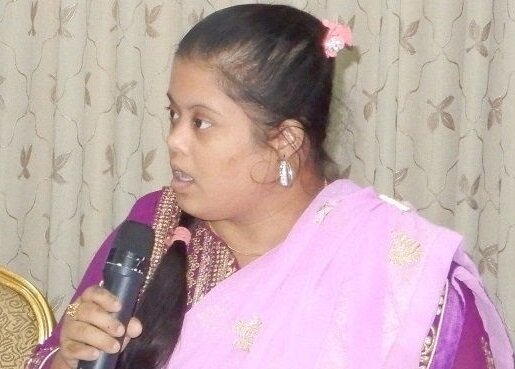
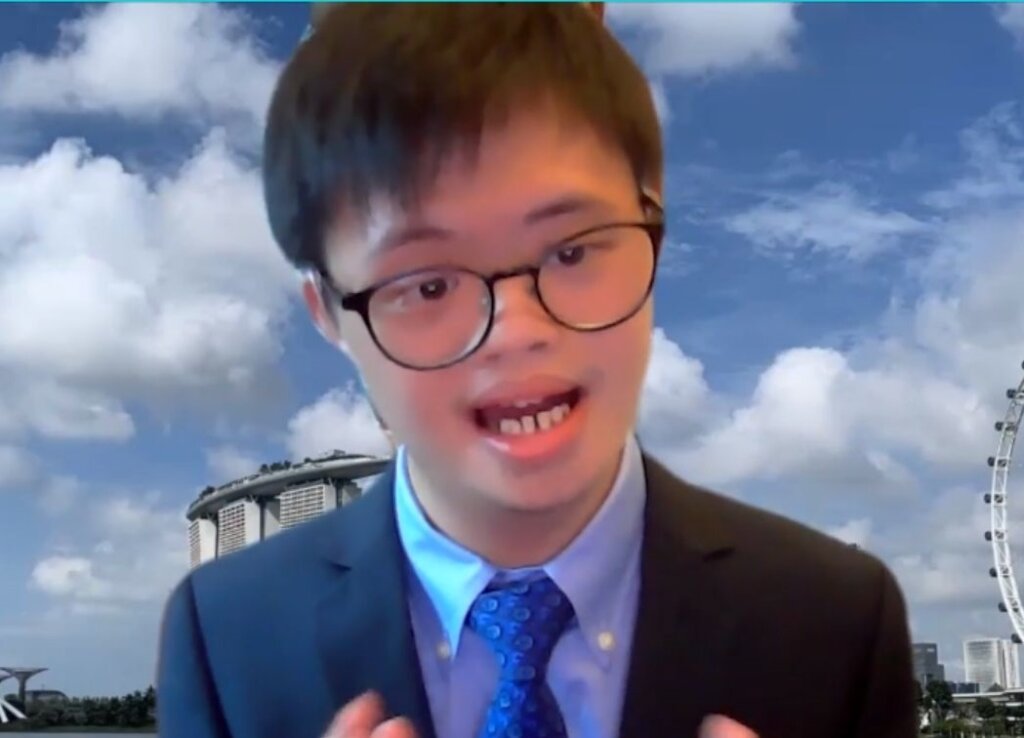
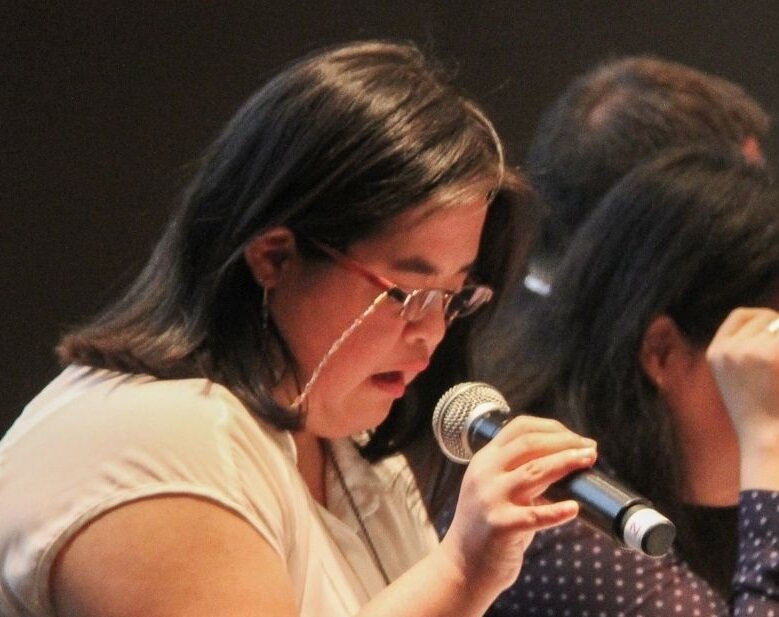
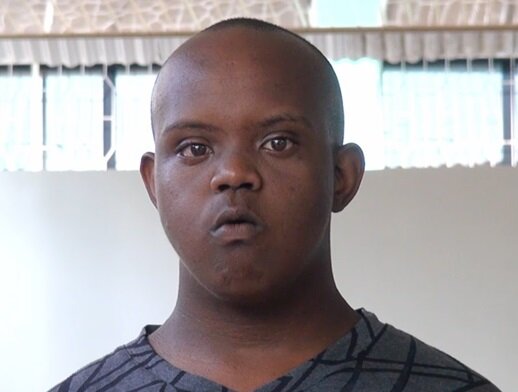
At Down Syndrome International (DSi), we want people with Down syndrome to be included in important decisions about their lives. But in many countries, this still does not happen.
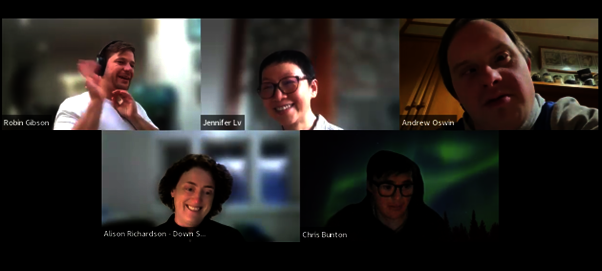
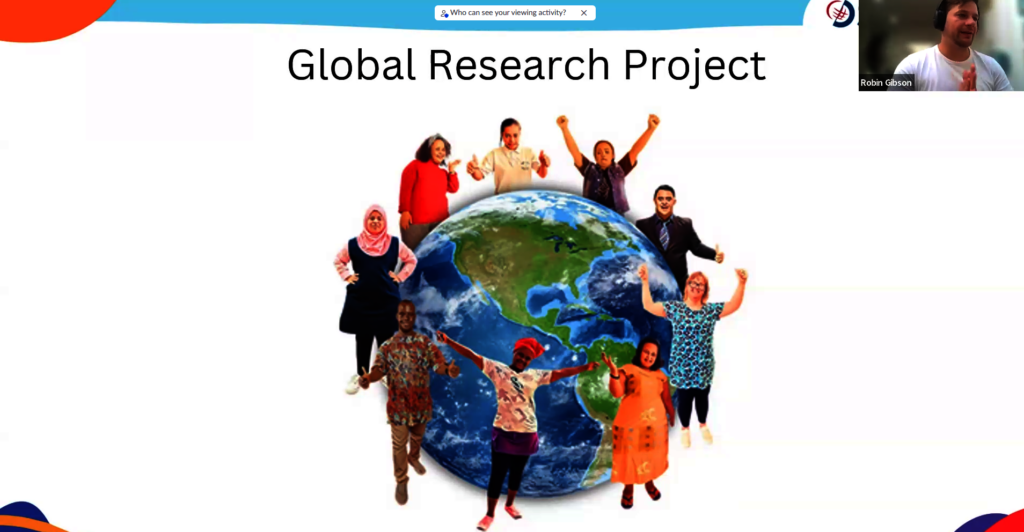
To help change this, we have started a new global research project on self-advocacy. We are already working closely with our self-advocacy network group, who are helping us plan the project and make sure people with Down syndrome lead this work from the very beginning.
Self-advocacy helps people with Down syndrome speak up, share their ideas and make real change. Many organisations want to support self-advocacy but do not always have the knowledge or resources to start. At the same time, many of our member organisations already have strong self-advocacy work that we can learn from and share with others.
What we want to find out
We want to build a clear picture of self-advocacy around the world. We want to understand what self-advocacy looks like in different countries and how many people and organisations are involved. We also want to learn what our members already know about self-advocacy, what challenges they face, and what support or resources already exist. Most importantly, we want to understand how DSi can help grow and strengthen self-advocacy in more places.
How we will collect information
To do this, we will gather information through surveys, focus groups and one-to-one interviews. We will be speaking with our member organisations, partner organisations, self-advocacy networks, and also universities and researchers who can help us learn more.
What we will do with the information
Once we have this information, we will use it to build a global self-advocacy strategy. We will also share great examples of self-advocacy from around the world and create new tools and resources to help groups start and grow. This will help all organisations support self-advocacy in stronger and more effective ways.
This project has already begun, and we are excited to keep moving forward with our self-advocacy network group and our global community. Together, we can build a world where people with Down syndrome are heard, included and able to shape their own futures.