By Stephen Perlman | Director, U.S. Operations
Without the caring support and intervention of teachers, parents, and community members, far too many Afghan children, especially boys, who have been traumatized through exposure to violence, grow up believing that violence is the only solution to resolving their problems and they become an unwitting part of the country's never-ending cycle of war and terror.
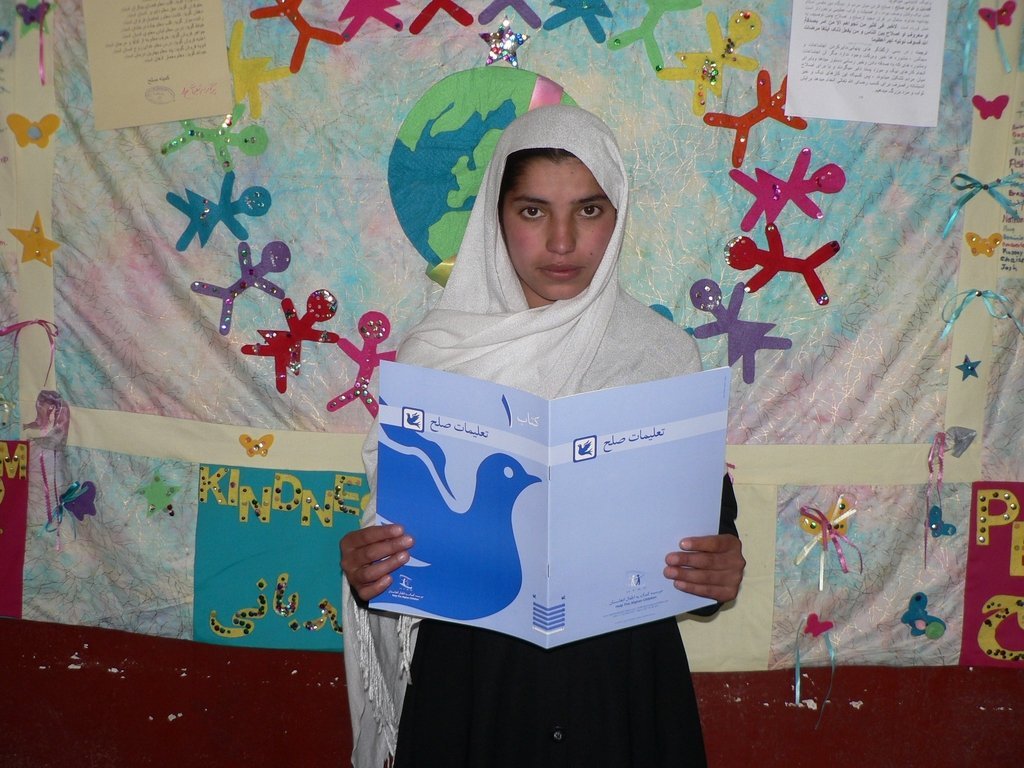
HTAC's peace education program is now producing tangible results that demonstrate that Afghan children can indeed learn to embrace the principles of peaceful everyday living and reject violence.
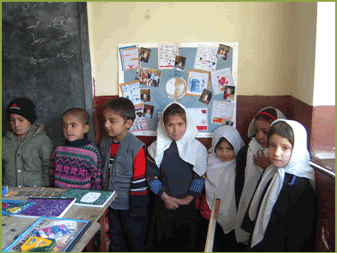
In one of our largest studies to date involving 2,800 boys and girls at 7 targeted schools, HTAC's peace education team is beginning to see measurable changes in children's behavior once they have been exposed to our program. In this study, aggressive conflicts between students has decreased by 52% over a 4 month period. Conversely, 45% more students have been observed using non-violent conflict resolution techniques to prevent and/or resolve conflicts from escalating into fights. Just as impressive, teachers are reporting that well over half (55%) of all their students are consistently role-modeling positive peace-related behaviors they have learned in the classroom. Examples include- showing respect to other students, asking for help when frustrated, and seeking solutions with other students to common problems.
While there's much work to be done, many of these children (especially boys), are taking pride in becoming 'peace mediators' in their respective classrooms, oftentimes teaching younger children that fighting and harassment has no benefit in their lives; that there are other, more positive ways to gain respect among their peers and feel good about themselves.
Project reports on GlobalGiving are posted directly to globalgiving.org by Project Leaders as they are completed, generally every 3-4 months. To protect the integrity of these documents, GlobalGiving does not alter them; therefore you may find some language or formatting issues.
If you donate to this project or have donated to this project, you can receive an email when this project posts a report. You can also subscribe for reports without donating.