By Stephen Perlman | Director, U.S. Operations
While most Afghan teachers have good intentions in wanting their students to learn, their lack of education and training unwittingly prevents quality learning and oftentimes breeds resentment and discontent among their students. A significant under-reported problem is that a large percentage of these teachers practice counter-productive corporal punishment where they hit, shake, yell at and intimidate students. Such practices can be found among many female as well as male teachers and almost always, the effects of repeated corporal punishment over time are devastating to boys and girls.
The problem is not that these teachers are fundamentally bad people; it's because corporal punishment has been so imbedded into the Afghan teaching culture; that they themselves were beaten and yelled at in class when they were students.
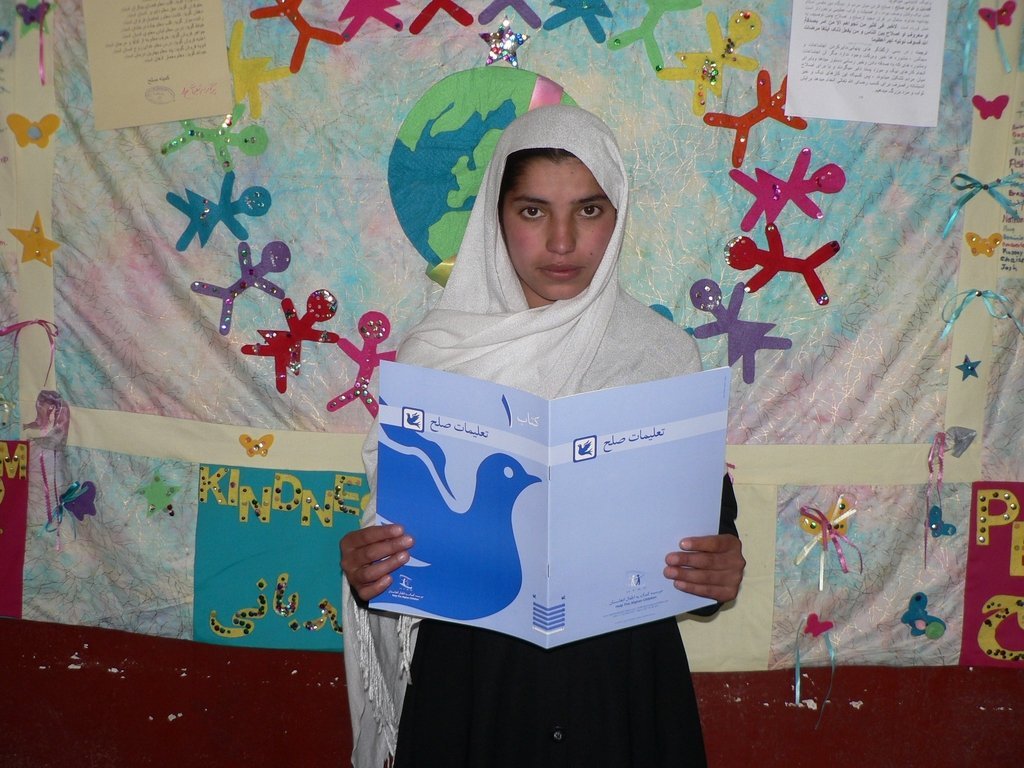
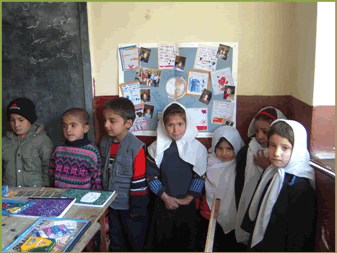
As a cornerstone of Help the Afghan Children's peace education training, teachers quickly learn that there are alternatives to such aggressive behavior and that the benefits of such alternatives make their teaching more enjoyable and productive. In our training classes, teachers learn to become listeners and facilitators; not simply authority figures. They learn how to physically arrange a classroom to promote more open dialogue among students as well as between teachers and their students. They learn and practice key positive role-modeling skills, such as encouraging students to voice their feelings and opinions without fear of reprisal. They learn the value of recognizing students who grasp a lesson or help another student. Most importantly, they learn how to create an environment of trust and openness.
Since we began measuring teacher performance in 2010, 96% of over 2,000 teachers at our schools have completely abandoned all forms of corporal punishment and are motivating their students through kindness, guidance, and respect.
Project reports on GlobalGiving are posted directly to globalgiving.org by Project Leaders as they are completed, generally every 3-4 months. To protect the integrity of these documents, GlobalGiving does not alter them; therefore you may find some language or formatting issues.
If you donate to this project or have donated to this project, you can receive an email when this project posts a report. You can also subscribe for reports without donating.