By Elaine Smith | Communications Coordinator
Dear PTHVP supporters,
The combination of relationship building and collaboration as practiced by PTHVP has been recognized as a best practice in the U.S. Department of Education’s “Dual Capacity Framework for Family Engagement,” released this Spring. The document, meant to guide policy and funding priorities, explains the characteristics of “high-impact” family and community engagement that makes the most difference to student performance.
Researchers have already shown educators that family engagement is essential. But some practices are deemed more helpful than others. What, according to the report, makes a program “high-impact?”
First of all, activities must be relational. Trust and respect must be established between a school and its community before any progress can be made. Barriers to this relationship may include the fact that the school staff is different ethnically and/or culturally from their students’ community, and all parties may have had negative experiences or associations from the past. PTHVP trains participants to reflect on their assumptions, open their minds and hearts, and connect with what they all have in common: their hopes and dreams for their children.
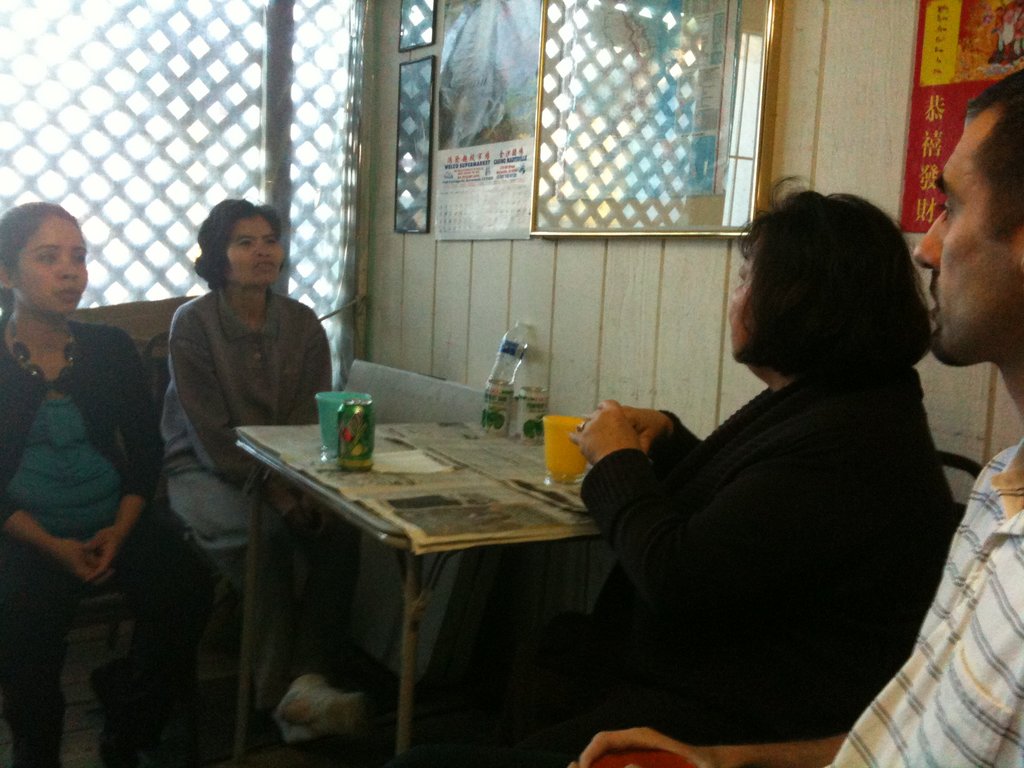
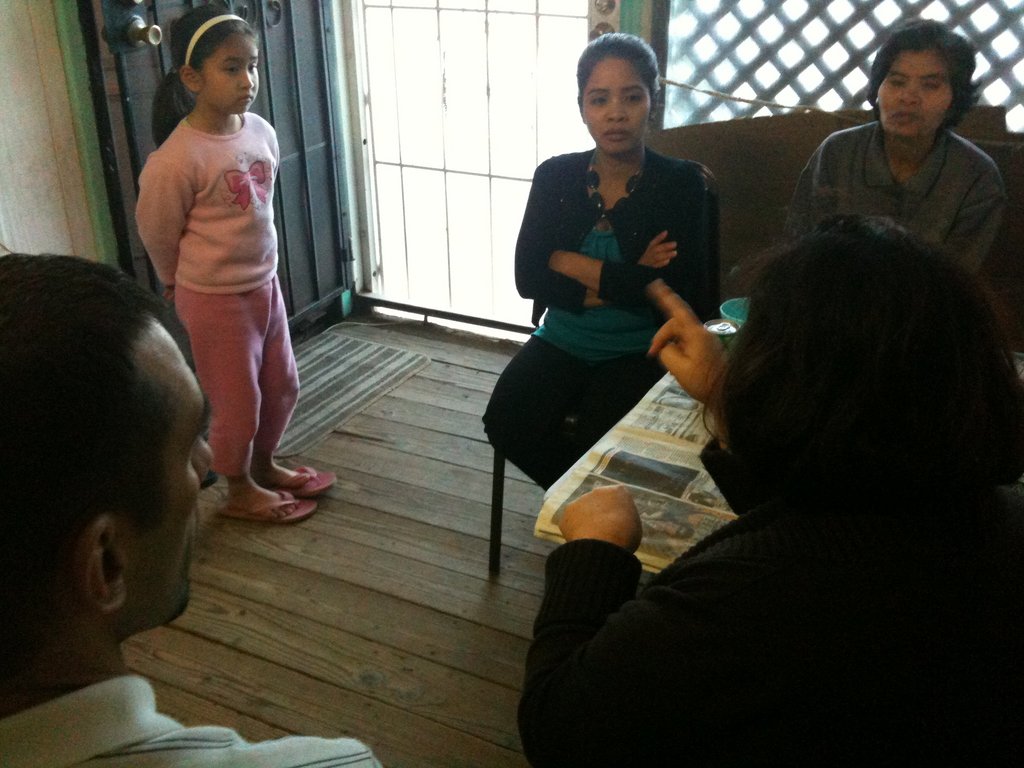
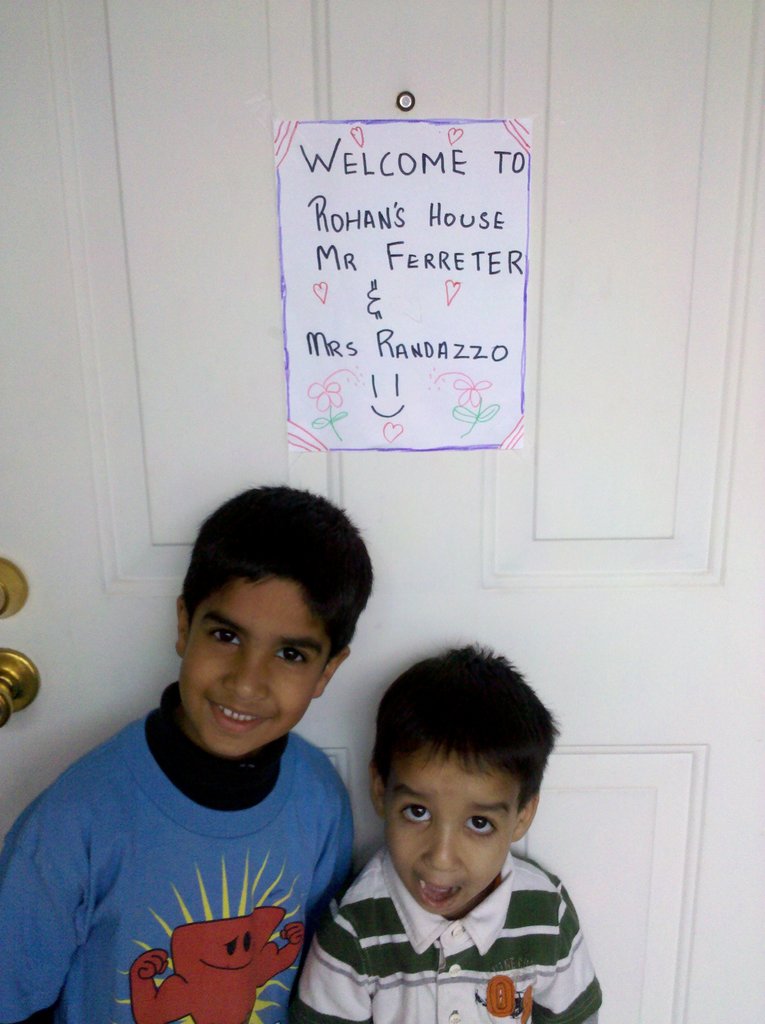
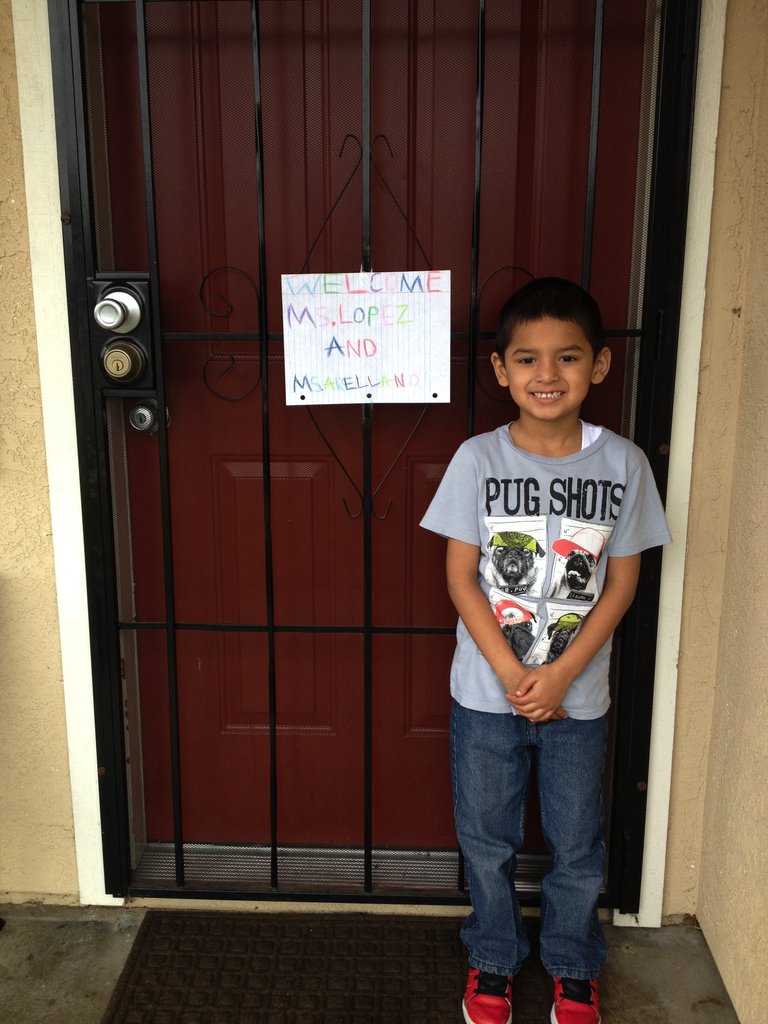
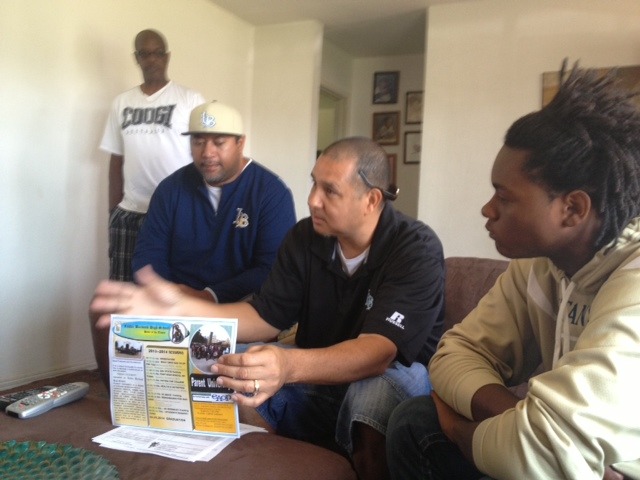
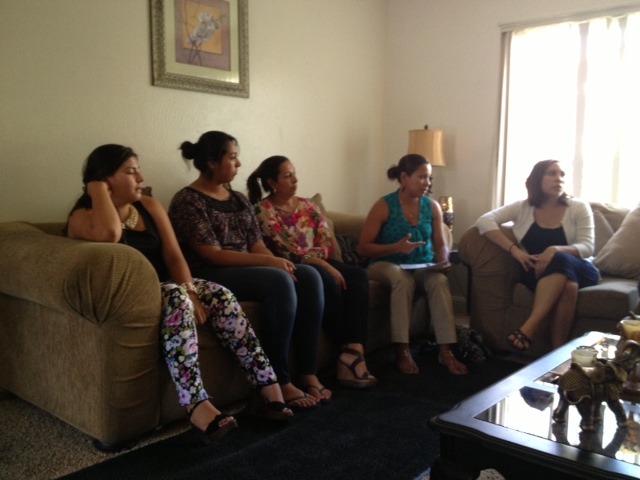
Secondly, programs must be “dual capacity building.” This means that the program raises the competence, and confidence, in everyone involved (teachers, families, students) instead of knowledge being transmitted in only one direction. For example, at PTHVP, our evaluations show that home visits result in improved academic performance and positive behavior in children. But the benefits don’t just go one way: teachers and family members experience transformation as well. For parents and guardians, they report more trust and collaboration with the teacher, which often leads to increased involvement in the school. And they feel better equipped to help their child achieve their goals. For teachers, they report a deeper knowledge of their student’s lives, which helps them differentiate curriculum and make the classroom more relevant. Teachers also report that doing home visits teaches them to leave negative assumptions behind, and see families as essential partners in their mission to teach. Despite the extra effort, teachers credit home visits with more rewards and less burnout.
And lastly, the researchers find that the highest impact engagement methods are collaborative. Strong, sustainable efforts that stand the test of time are supported by more than one agency. This aspect is also relevant to the PTHVP model. In fact, the project was born as a collaboration between a community organizing group, ACT, the Sacramento City Unified School District (SCUSD), and the local teachers union, CTA.
To see the actual framework click on the link below. Thanks for your continued support in this transforational work.
Sincerely,
Carrie Rose and Lisa Levasseur
Links:
By Lisa Levasseur | Project Director
By Carrie Rose and Lisa Levasseur | Executive Director and Project Director
Project reports on GlobalGiving are posted directly to globalgiving.org by Project Leaders as they are completed, generally every 3-4 months. To protect the integrity of these documents, GlobalGiving does not alter them; therefore you may find some language or formatting issues.
If you donate to this project or have donated to this project, you can receive an email when this project posts a report. You can also subscribe for reports without donating.