Project Report
| Oct 5, 2026
Papayo Coastal Lagoon Wetland Rehabilitation
By Ashley Velazquez | Project Coordinator
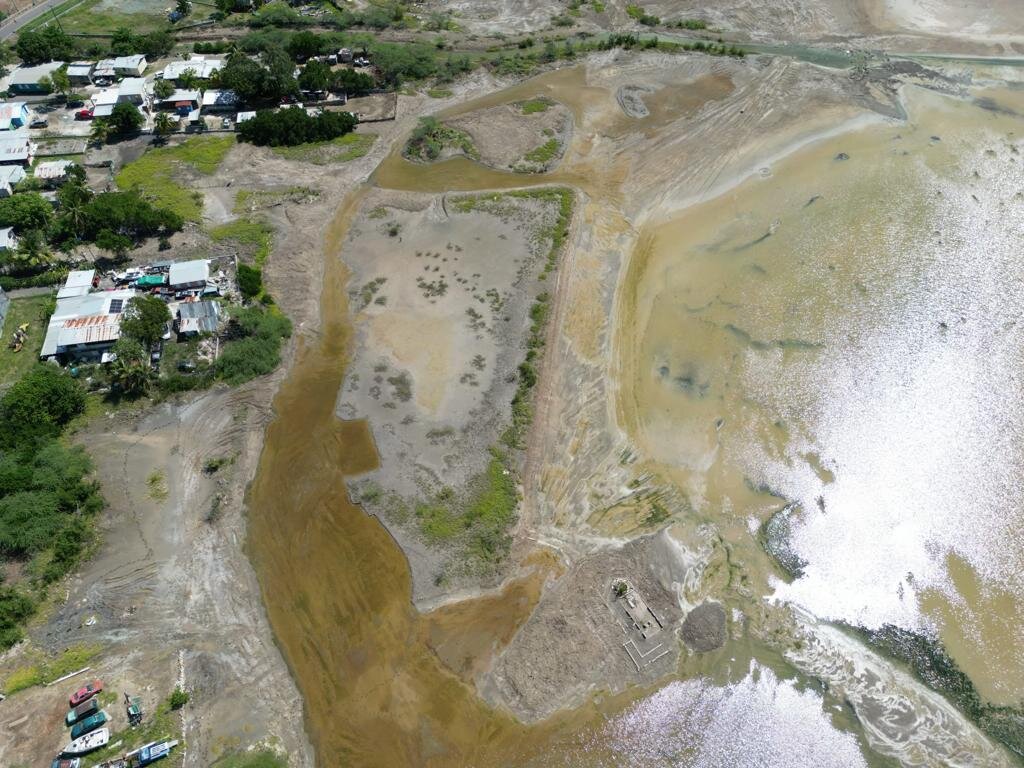
The Papayo Coastal Lagoon in Lajas was deforested and cut off from the ocean in the 1940s for salt production. Severe loss of mangroves and high salinity levels inhibit marine life.
Currently, this project is focused on planting native trees with the goal of restoring natural conditions in the area. To ensure their survival amidst the current intense heat, regular watering is being provided for their maintenance. Furthermore, we soon expect to plant more black mangroves in the area, which will greatly enhance the benefits for the entire ecosystem, including people, the historically underserved Papayo community, flora, and fauna.
These trees will help enhance coastal conditions in the lagoon and protect the community. Your help enables us to continue supporting these communities and ecosystems.
![Share on Twitter]()
![Share on Facebook]()
Jun 5, 2026
Papayo Coastal Lagoon Wetland Rehabilitation
By Ashley Velazquez | Project Coordinator
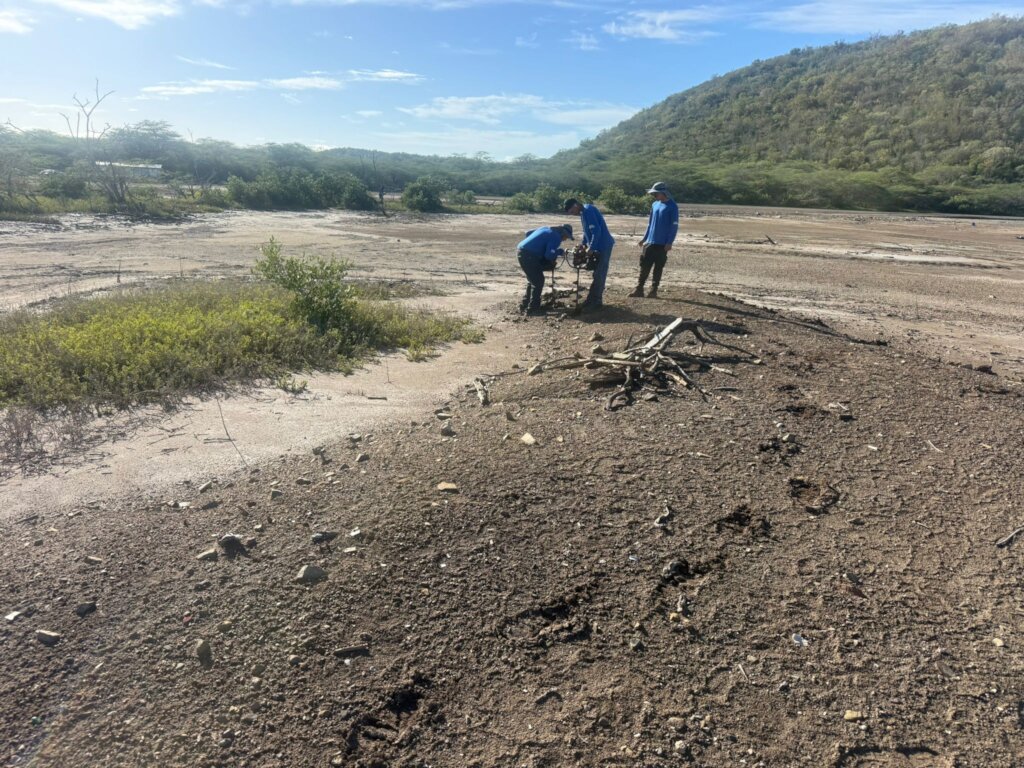
![Preparing area for planting]()
Preparing area for planting
Back in the 1940s, the Papayo Coastal Lagoon in Lajas, Puerto Rico, was nearly destroyed. Industrial salt production cleared away ancient forests and completely cut the lagoon off from the sea. This left behind a harsh, oversalted "ghost town" of an ecosystem where mangroves couldn't grow and marine life couldn't survive. Today, our team at Protectores de Cuencas (PDC) is working hard to heal those decades of damage. We aren't just planting trees; we’re bringing a vital ecosystem back to life by putting the right native mangroves and coastal plants back into the ground. This work does two things at once: it revives the lagoon's natural beauty and creates a green shield that protects the Papayo community from coastal erosion and the worsening effects of climate change.
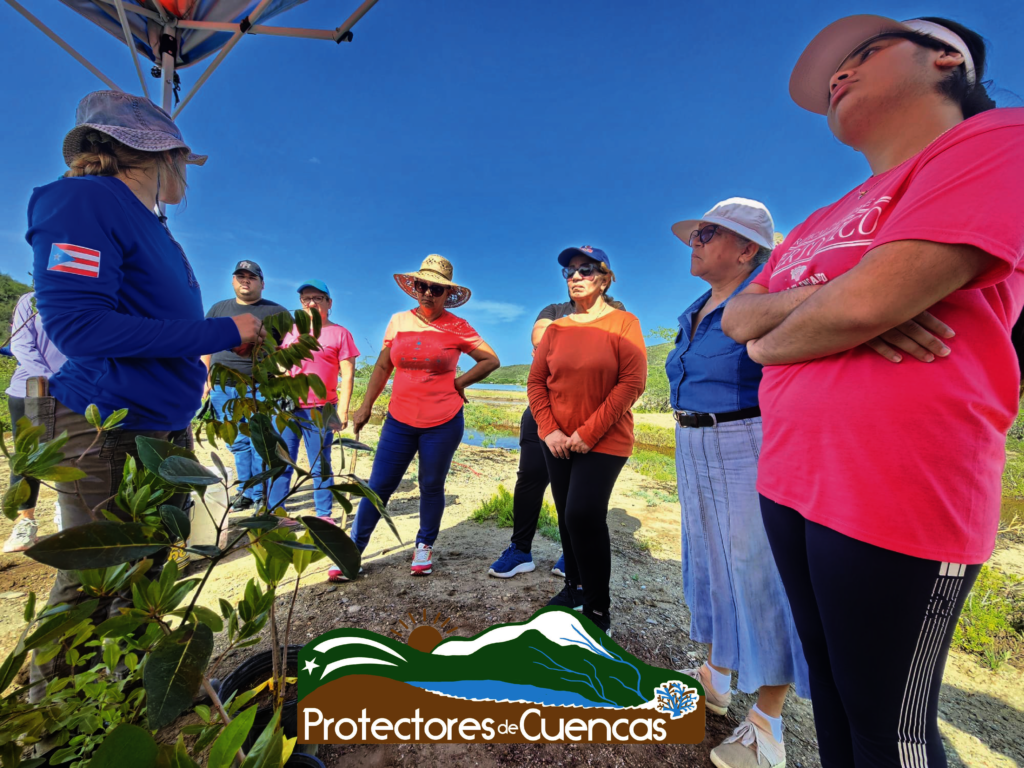
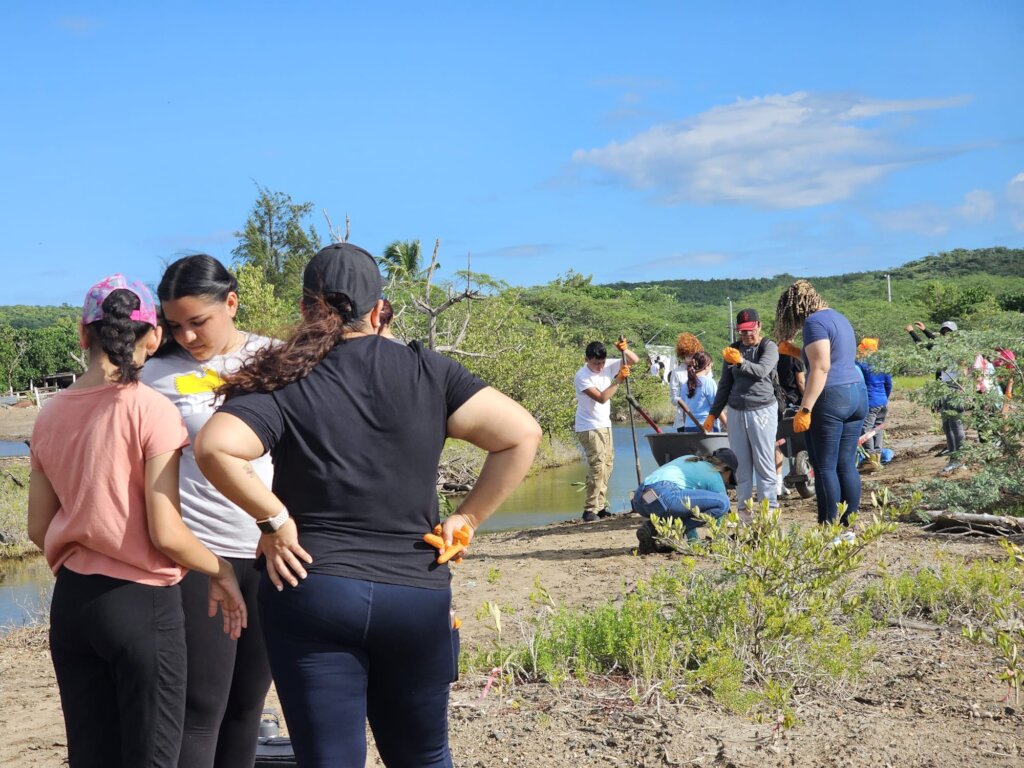
You can already see the change happening on the ground, and we aren't doing it alone. We’ve been hosting community activities with local kids and teenagers to talk about why this lagoon matters and how the restoration works. Because the soil is still incredibly salty, we’ve focused our efforts on planting resilient black mangroves, and we’ve already gotten 578 of them into the ground. Putting them in the dirt is just the first step, though—our team is out there regularly taking care of irrigation to help them take root, evaluating the health of the mangroves, and replacing seedlings that don't make it. Between this constant maintenance, careful planting, and learning alongside the community, we are finally seeing real, long-term healing along our coast
![Share on Twitter]()
![Share on Facebook]()
Feb 9, 2026
Papayo Coastal Lagoon Wetland Rehabilitation
By Ashley Velazquez | Project Coordinator
![]()
In the 1940s, the Papayo Coastal Lagoon in Lajas, Puerto Rico, was pushed to the brink of ecological collapse. Industrial salt production led to the clearing of ancient forests and the lagoon's total isolation from the sea. The resulting spike in salinity created a "ghost" environment—devoid of mangroves and stripped of marine life.
We aren't just planting trees; we are reversing decades of environmental trauma. By reintroducing a strategic mix of native mangroves and coastal flora, Protectores de Cuencas (PDC) is breathing life back into this vital ecosystem.
This restoration serves a dual purpose:
-
Ecological Rebirth: Returning the lagoon to its natural, vibrant state.
-
Community Protection: Creating a natural shield for the historically underserved Papayo community against coastal erosion and the escalating threats of climate change.
Progress
Our boots-on-the-ground efforts are already transforming the landscape. Through meticulous planting and the active replacement of lost seedlings, we are seeing real-world impacts:
![Share on Twitter]()
![Share on Facebook]()