By Kristin Sheehan | Director of Communications
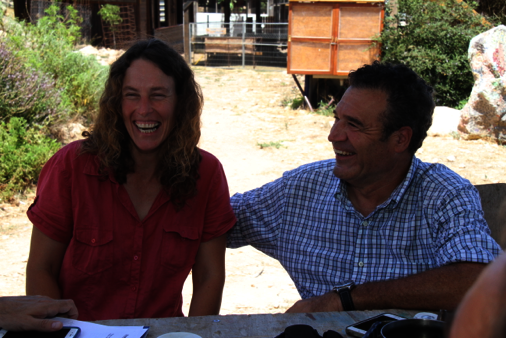
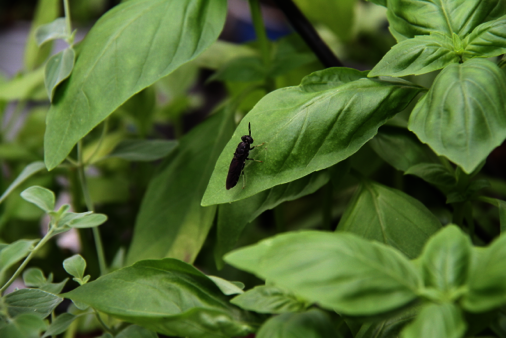
Adi, an Israeli botanist, makes a living cultivating Black Soldier Fly larvae. This particular type of larvae consumes organic waste, helping to reduce it. After engorging themselves on the waste, the protein-rich larvae can be used as a very nutritional source of animal feed. “I am becoming an expert in making the larvae, and they [Palestinians] have a lot of problems with the build-up of organic waste.”
Adi wanted to share her expertise on how to cultivate the larvae with Palestinians because she thought that it would not only have a positive environmental influence and be a source for nutritional animal feed for farmers, but also help to create jobs.
“There are a lot of people who don’t have work [in the West Bank],” Adi said. “Cultivating the larvae creates an opportunity for many people to get work, help the environment, and to make money.”
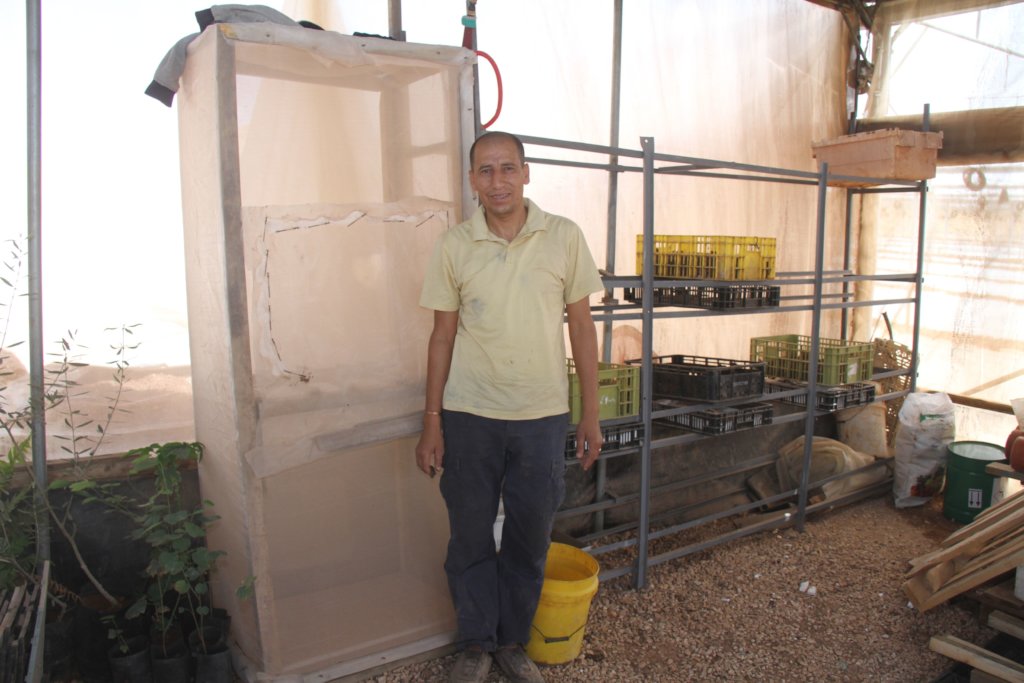
Through the project, Adi met Salah, a Palestinian fish farmer, who was searching for a way to improve his product and increase his profits to provide a better life for his family.
Salah operates his fish farm near the village of Tubas in the West Bank. He explained that working together with Adi and the “other side” provided a “rare opportunity to improve his future and to learn from agricultural experts.” He went on to say, “The high protein content provided by the fly larvae will make the fish I cultivate more hardy and robust, which will hopefully positively affect my production and sales.”
The project organizes opportunities for Israelis and Palestinians to go on field visits in order to promote knowledge sharing. Salah said he enjoyed these learning opportunities the most out of all of the project activities: “The field visits and the techniques discussed during the lectures and the technologies we encountered were interesting—I learned how to better cultivate and sell fish.”
“I learned a great deal from the Israeli agricultural experts that NEF put us in touch with and I have benefitted a lot from Adi’s technical expertise,” concludes Salah.
Adi also felt that the field visits and trainings provided a unique opportunity. “The meetings were very interesting. The main thing [for me] was to have a chance to meet our neighbors, person-to-person…woman-to-woman…man-to-man.”
Adi went on to say, “The project gave us an opportunity to meet with them [Palestinians]. It can be risky to travel to Nablus, but when I go as a guest with Palestinians there is nothing to fear. We went to Nablus, and it was so interesting. All of my colleagues were really enthusiastic about it—we believe that people can connect, not politicians.” Adi adds,“I don’t want it to stop. I want it to continue and I want the connection to continue too.”
Salah hopes that his community sees how he is benefitting from his participation in the project saying, “Neither my family or friends have any problem with my participation in the project whatsoever. In fact, they’d love to participate in something like this too.”
Links:
Project reports on GlobalGiving are posted directly to globalgiving.org by Project Leaders as they are completed, generally every 3-4 months. To protect the integrity of these documents, GlobalGiving does not alter them; therefore you may find some language or formatting issues.
If you donate to this project or have donated to this project, you can receive an email when this project posts a report. You can also subscribe for reports without donating.


Support this important cause by creating a personalized fundraising page.
Start a Fundraiser