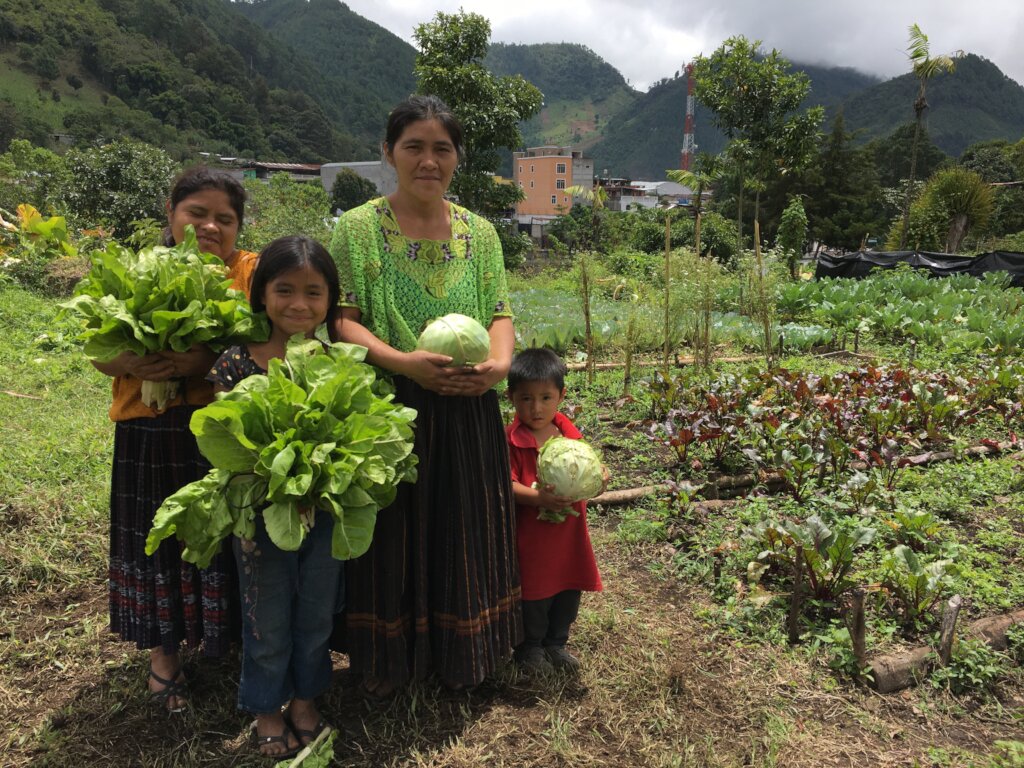
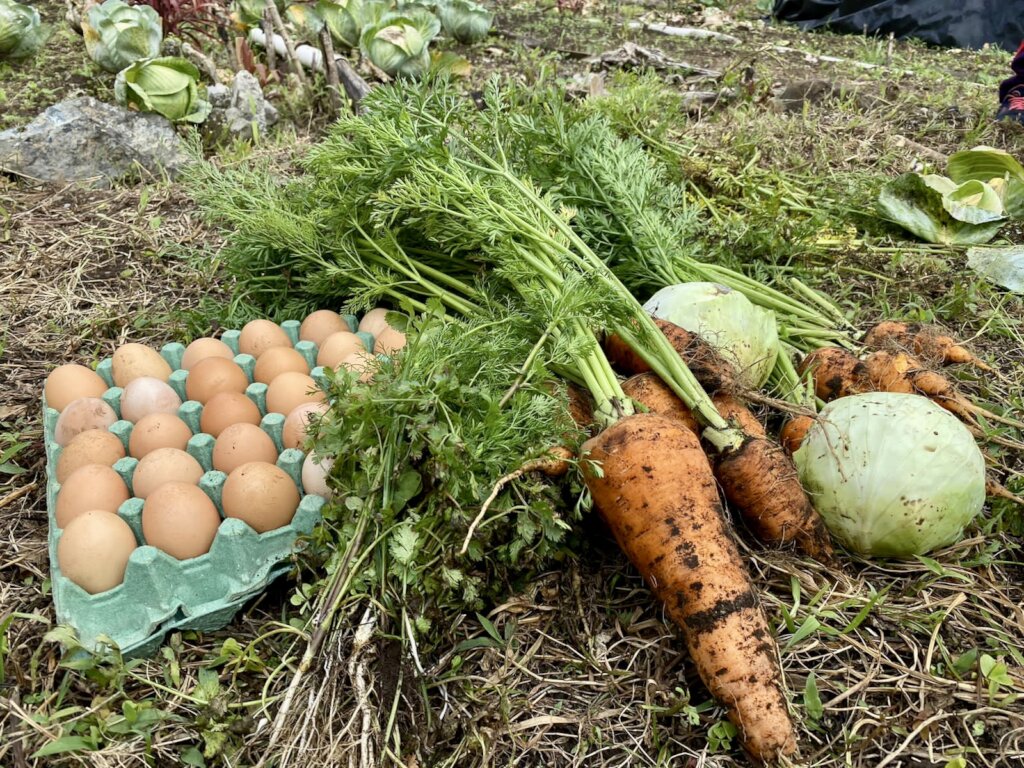
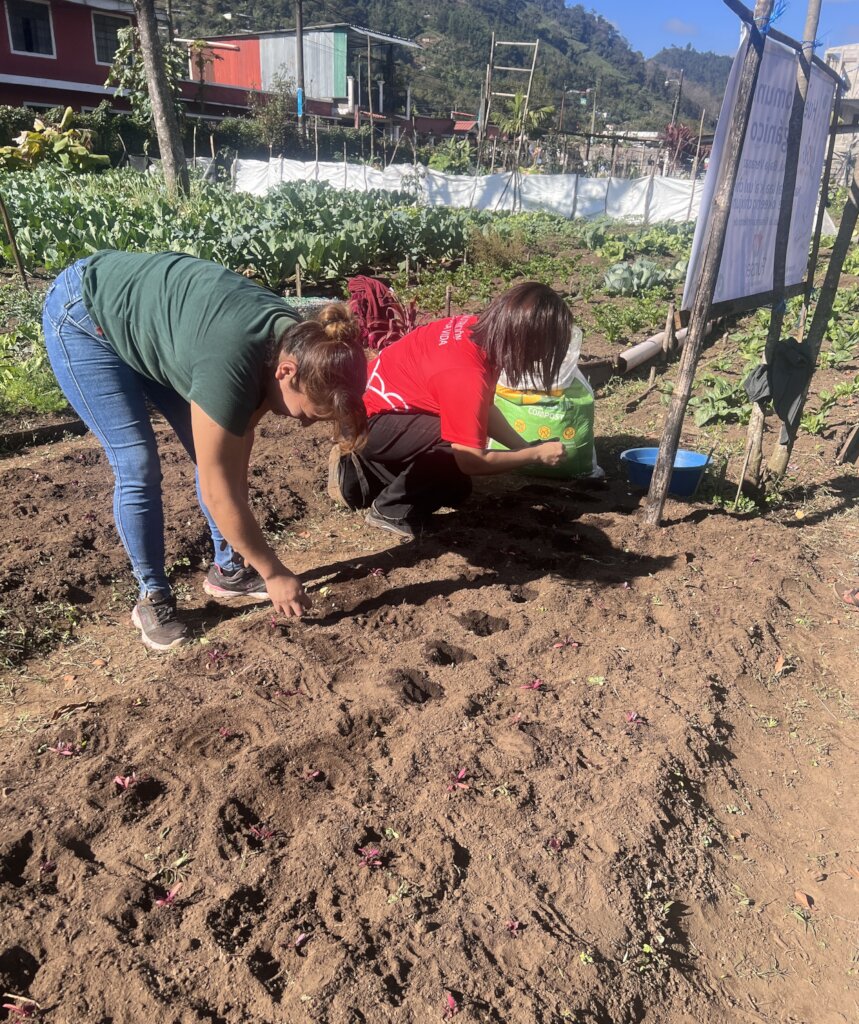
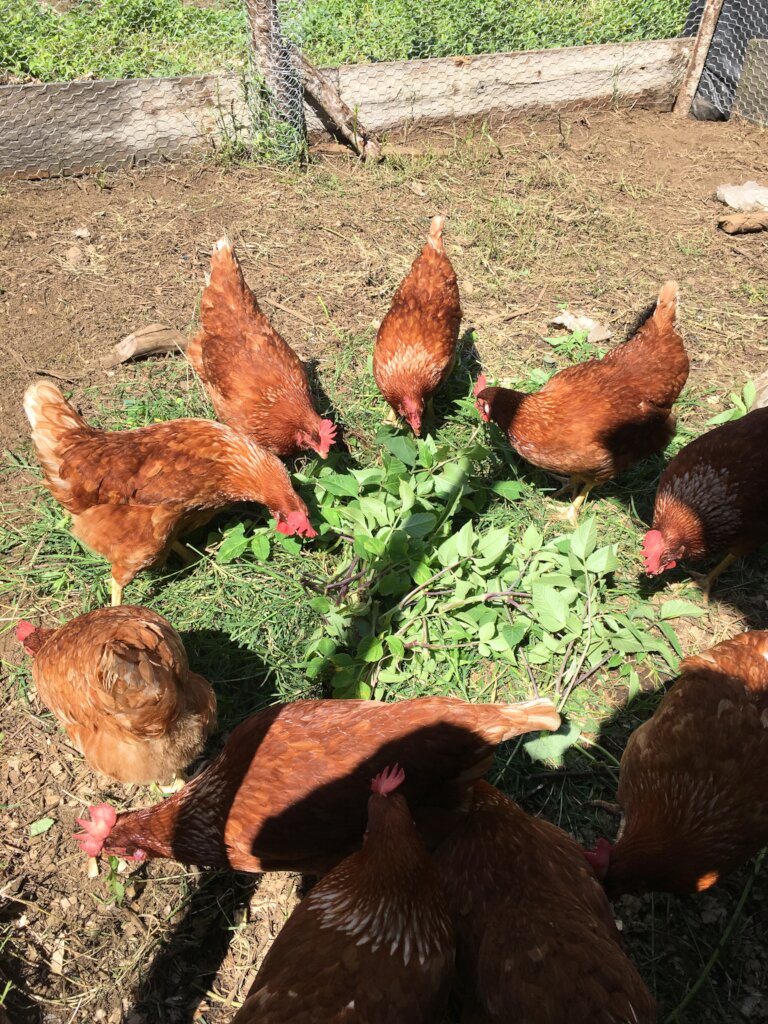
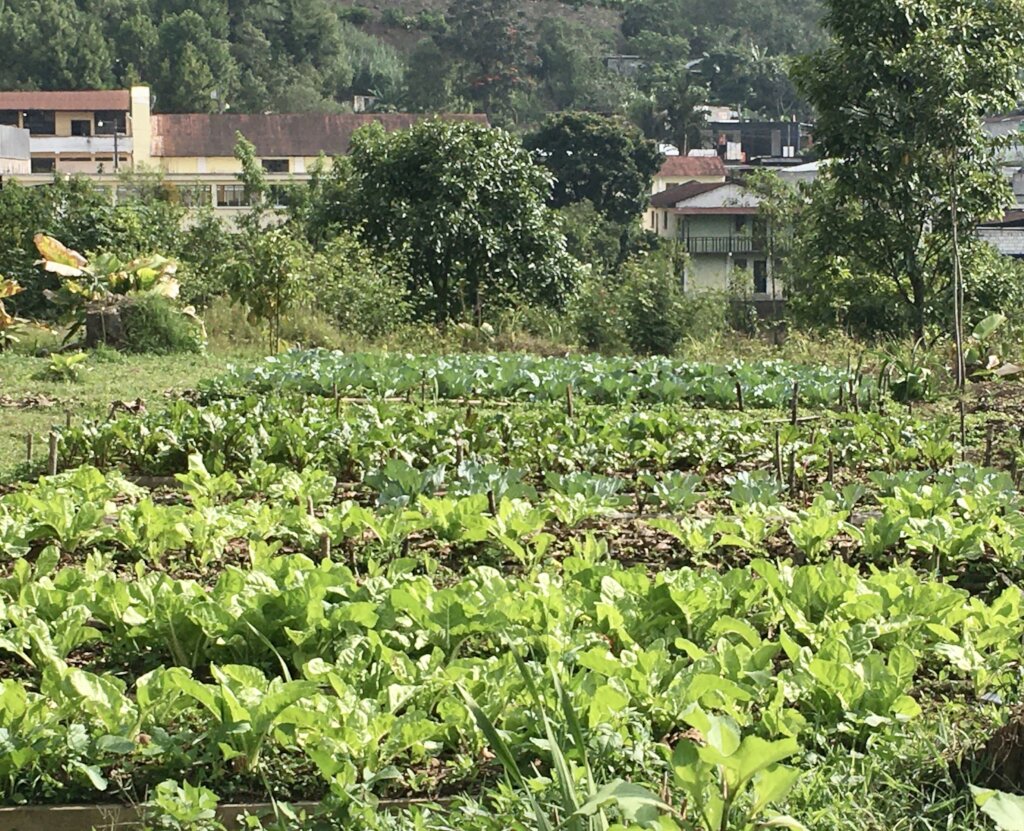
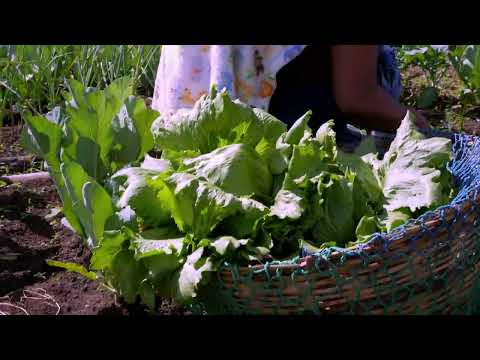
In the Garden we work without chemicals to fumigate or fertilize, it is done hand in hand with the community. Each beneficiary is involved in community work, from choosing native vegetables and medicinal plants, to planting, maintenance and harvesting where coexistence seeks to rescue the social fabric and ancestral practices. Last year we added laying hens, they give eggs, eat some lefts of the garden and we use their feces to fertilize.
In 2023, 295 cases of malnutrition in children under five years of age were recorded, this figure is only from Baja Verapaz. The figure does not include siblings over 5 years old as well as mother, father and grandparents (usual family nucleus). Families living in conditions of extreme poverty eat 1 or 2 meals, regularly eat chicken once a week and strive to eat eggs every two or three days. A family affected by malnutrition seeks only to survive...
When community work begins, women and children mainly form bonds, talk, exchange recipes and stories. When the harvest arrives, vegetables, spices, medicinal plants and eggs are brought home. The families realize that they did not have to buy any of the harvest in the market and that it also tastes different, tastier and healthier, without chemicals. This makes it possible for each member of the family to consume more vitamins, minerals and animal protein more frequently than before.
The Community Garden seeks to generate a behavioral change in family nutrition that replaces purchases of packaged foods with a nutritious, fresh harvest, with greater flavor and without chemicals. The project aims to generate a surplus harvest in the long term, surplus that will be inserted into the market to generate income that allows the sustainability of the Garden and an economic income for the Community.