By Diego Rey | Project Leader
PROGRAM
SPORT THERAPY
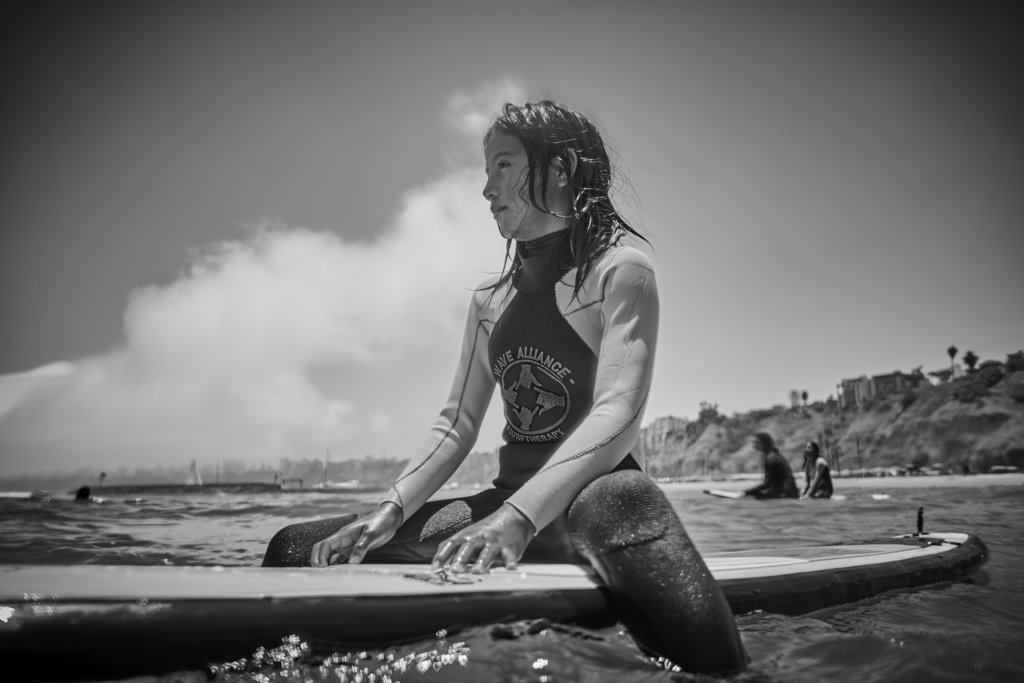
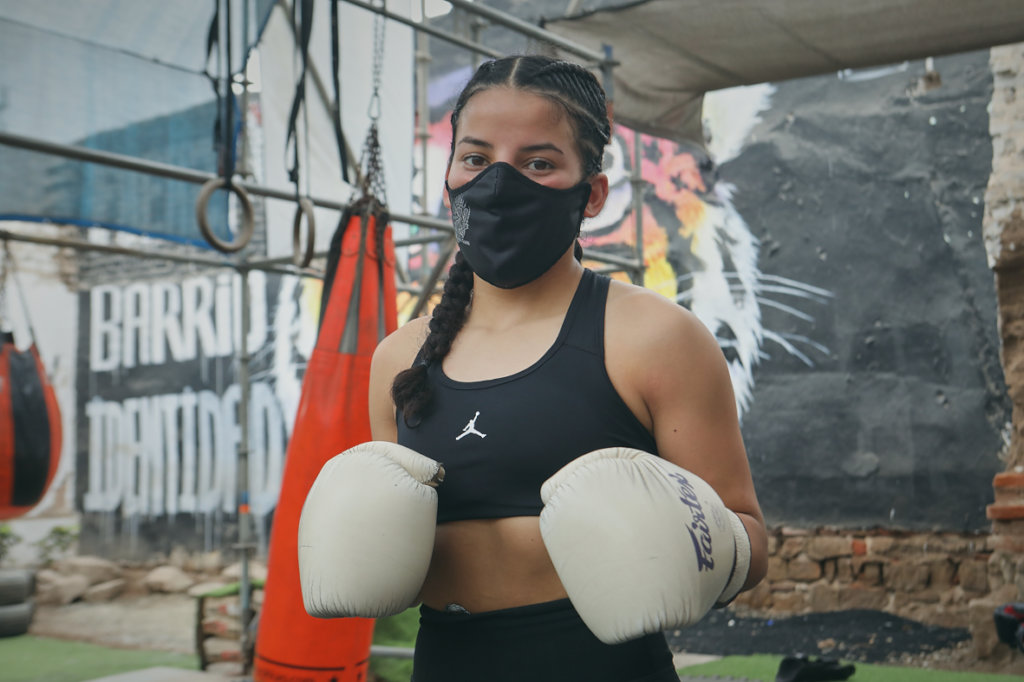
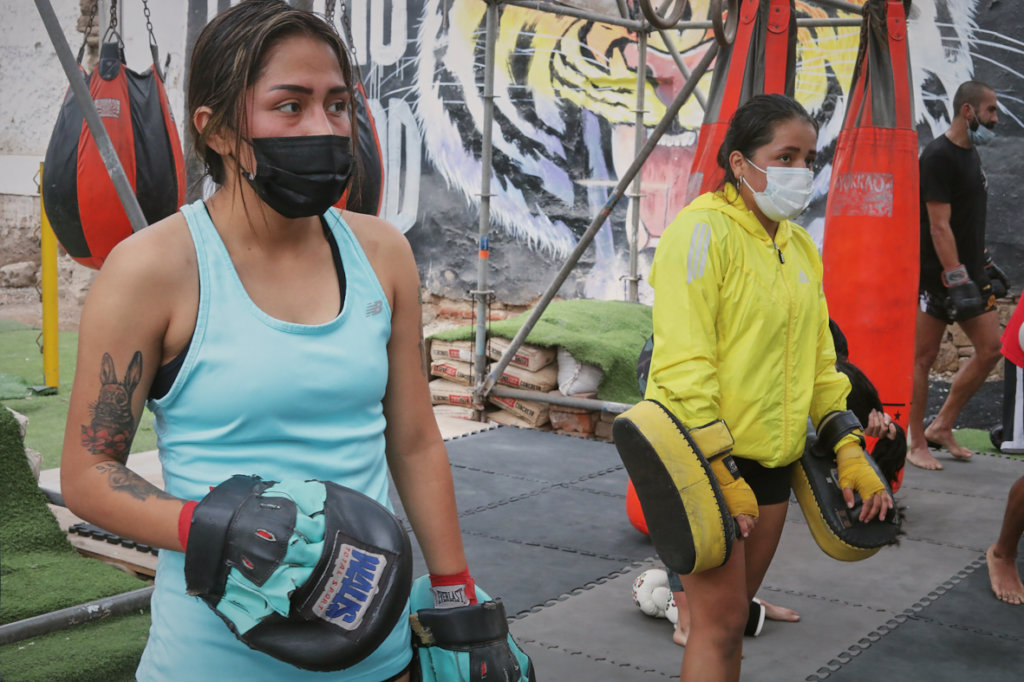
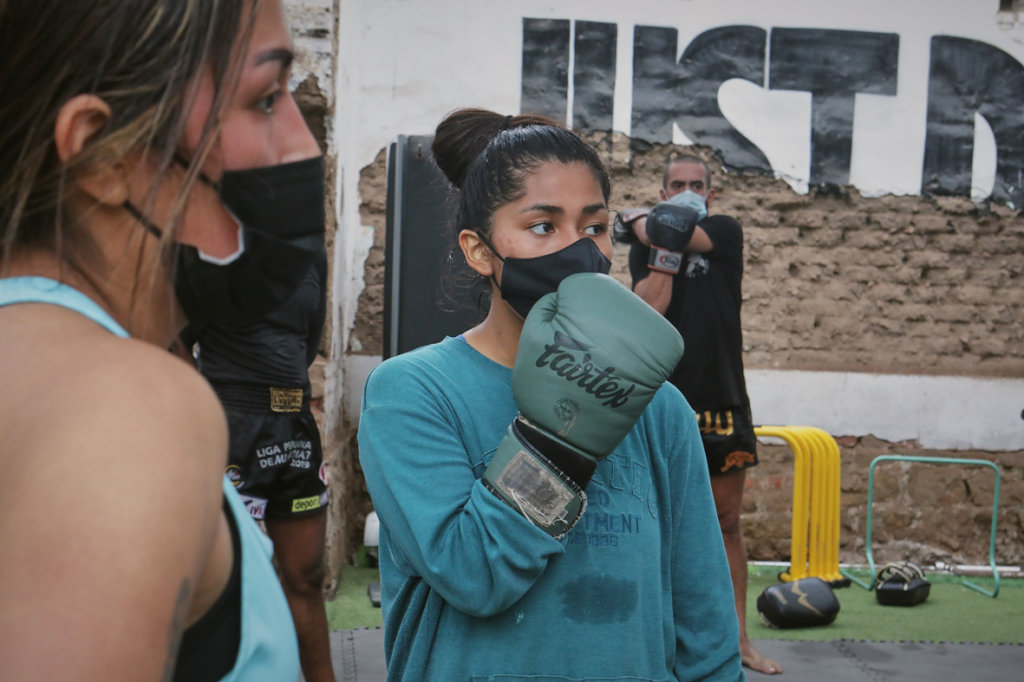
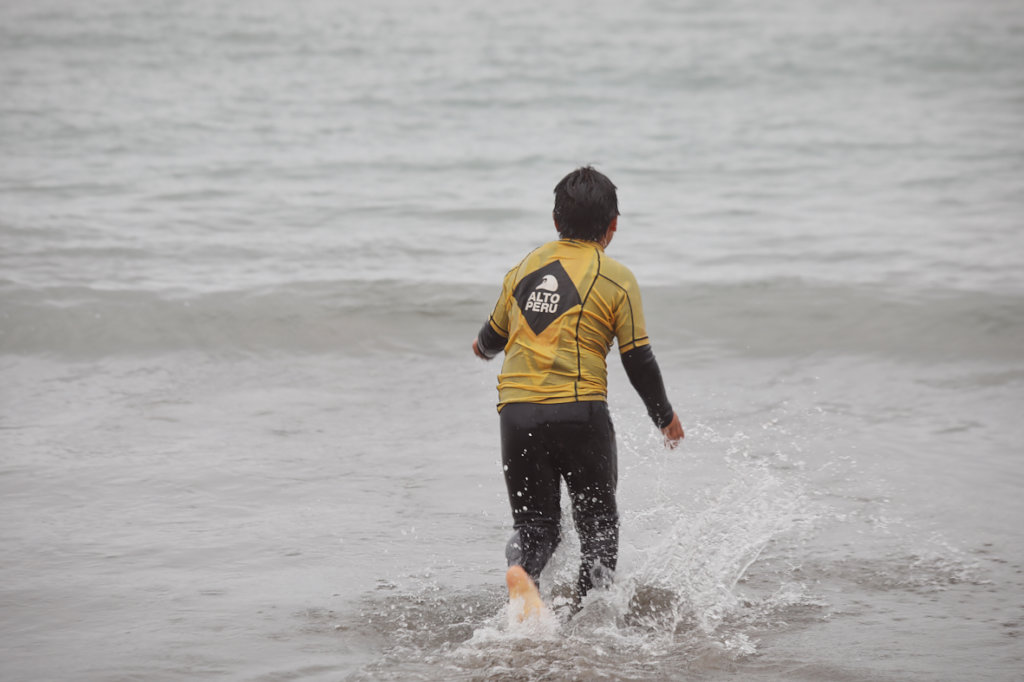
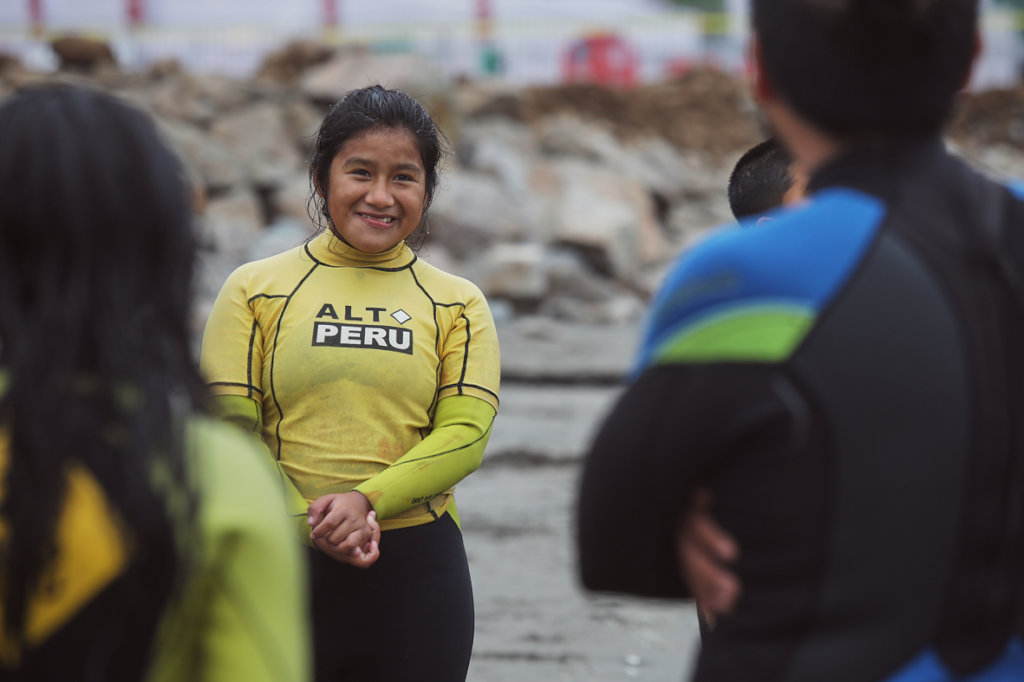
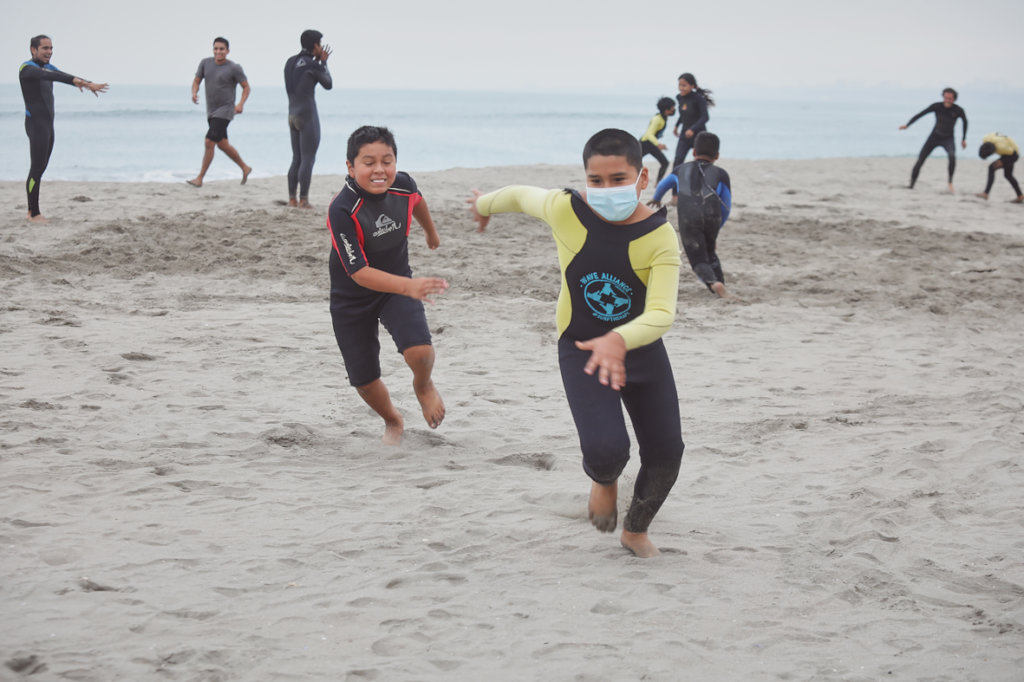
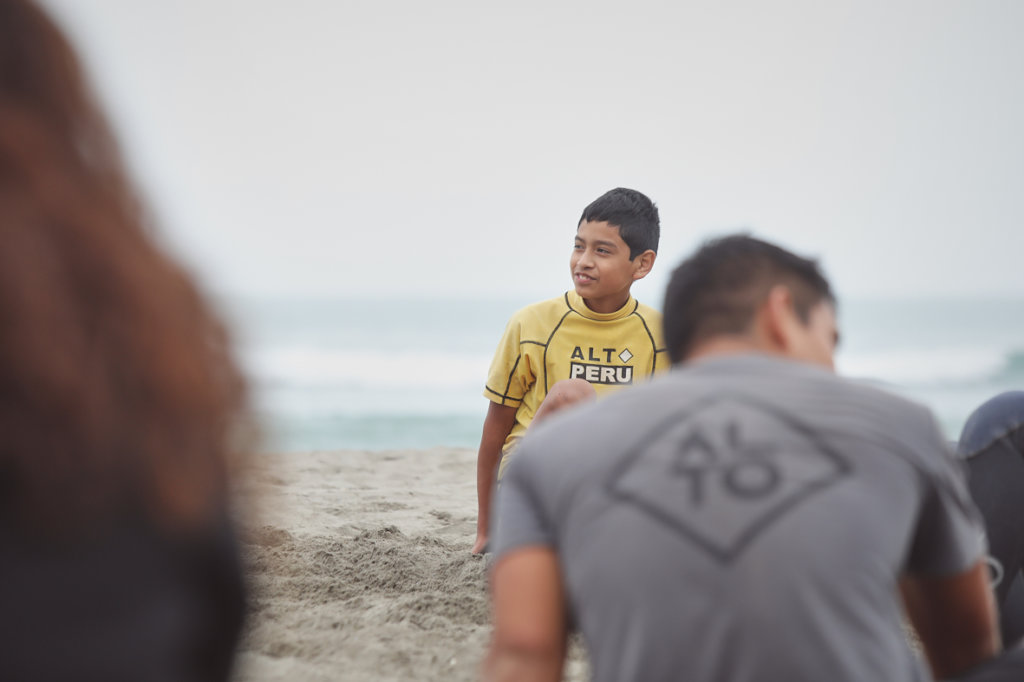
The surf therapy program is aimed at promoting physical and mental well-being, combining sports with collective games designed so that, in a fun and respectful way, participants can improve their personal well-being, achieve self-confidence, self-esteem, and drive. your emotions, achieve assertive communication and improve your interpersonal relationships. The designed program lasts one year, but due to the context of COVID-19 we had to adapt the program to be delivered online. In the first 7 months, the program was face-to-face, in which we worked with 89 boys and girls aged between 8 and 14 years old.
1. ACTIVITIES OCTOBER 2020:
Carry out the diagnosis of the participants of the sports therapy program in the post-COVID-19 context
Carry out a diagnosis of the families of the participants of the sport therapy program
Generate a general community diagnosis
Interviews with caregivers of children who participate in the sport therapy program
Interview with the boys and girls who participate in the sport therapy program
Observation of community dynamics
2. RESULTS CONTEXT COVID-19. MONTHS FROM MAY TO OCTOBER 2020
89% of children feel that something has changed since the pandemic began and most of the responses are associated with a lack of interaction with their peers and relatives.
47% of children do not attend school since the quarantine began. Some of the reasons are:
They do not have the Internet or technological devices to access the online school service.
They do not understand the assignments that teachers send and that generates frustration and stress.
They do not have someone to help them solve the tasks because many of the caregivers do not have the tools or knowledge about the issues they leave to their children
79% of children who go out to play between 1 and 3 hours in the street per day.
The frequent areas where they go out to play are:
The nose
The little plaza
Sidewalk outside your home
Games they play the most:
Kiwi
Plated
Football
42% of boys and girls have heard fights at home.
57% of boys and girls have seen or heard discussions at home.
21% of children have seen or heard someone hit a member of their family
Most boys and girls express that what they like most about their neighbourhood is:
The union between them
That takes care of themselves, protect themselves and live among the majority
They recognize the natural resources that surround them and public spaces as something positive.
Most boys and girls express that what they like least about their neighbourhood is:
Legal and illegal drugs are sold and consumed.
Trash and pollution as unpleasant for them.
The dangerous places that boys and girls recognize within the neighbourhood are:
El Morro Solar
The little plaza
Stairs
The main reasons are:
They smoke
Drogan
Delinquency
The safe places that children identify within their neighbourhoods are those that are close to their home.
The reasons they indicate are:
Because there are people that I know
Because I feel protected and nobody enters
I am protected with my family
Because they know me
3. MEASUREMENT:
Applied tests:
The tests were applied to 27 boys and girls who will participate in the sport therapy program.
Taking into account the COVID-19 context and having paused the program for 5 months, we consider it important to apply two tests that allow us to understand how children are currently doing.
It also serves as a starting point to resume the program and be able to measure the impact.
Warwick Mental Well-Being Test
Word association
Social support
Project reports on GlobalGiving are posted directly to globalgiving.org by Project Leaders as they are completed, generally every 3-4 months. To protect the integrity of these documents, GlobalGiving does not alter them; therefore you may find some language or formatting issues.
If you donate to this project or have donated to this project, you can receive an email when this project posts a report. You can also subscribe for reports without donating.