By Felisters Musyimi | Field Assistant
WEEK TWO ACTIVITIES (20th – 24th April 2026)
Day 6 (20th April)
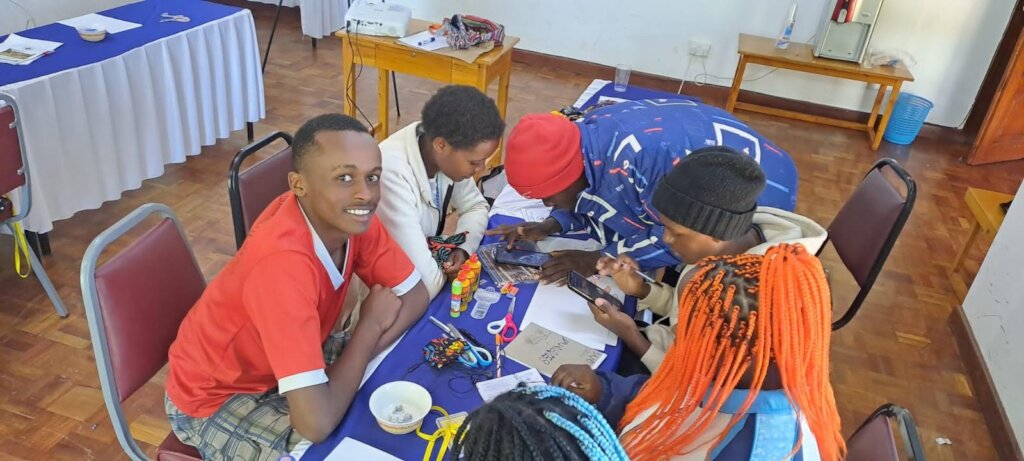
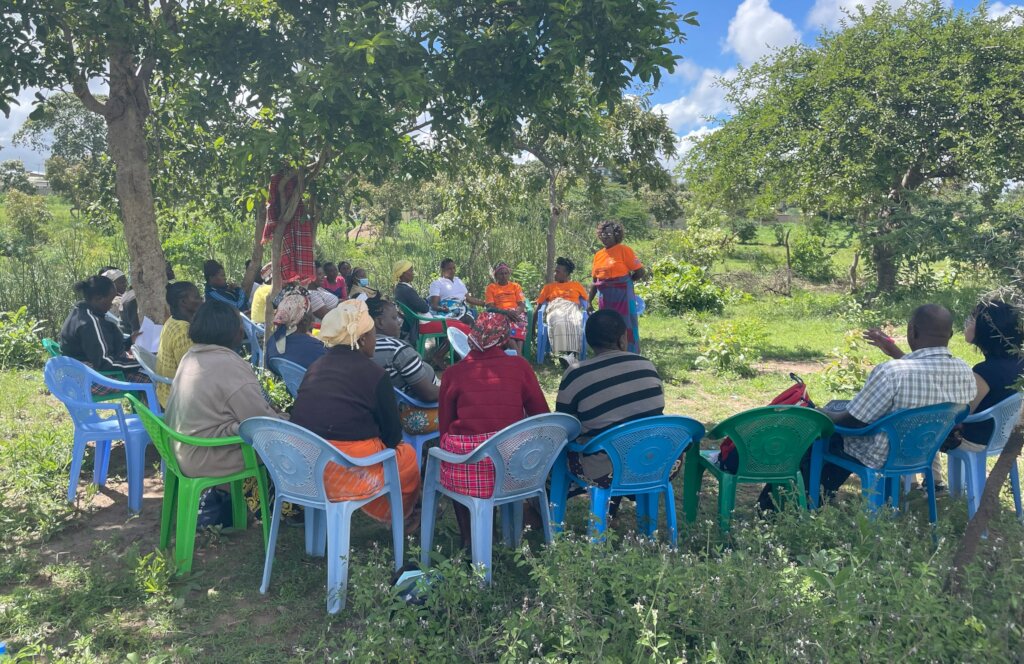
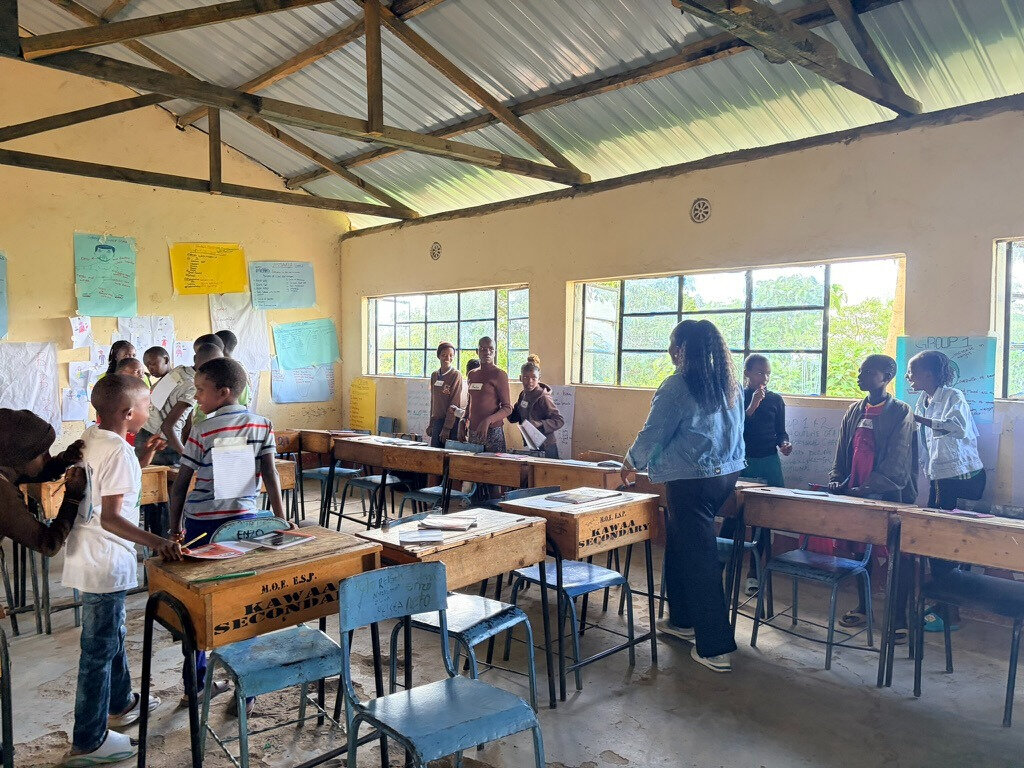
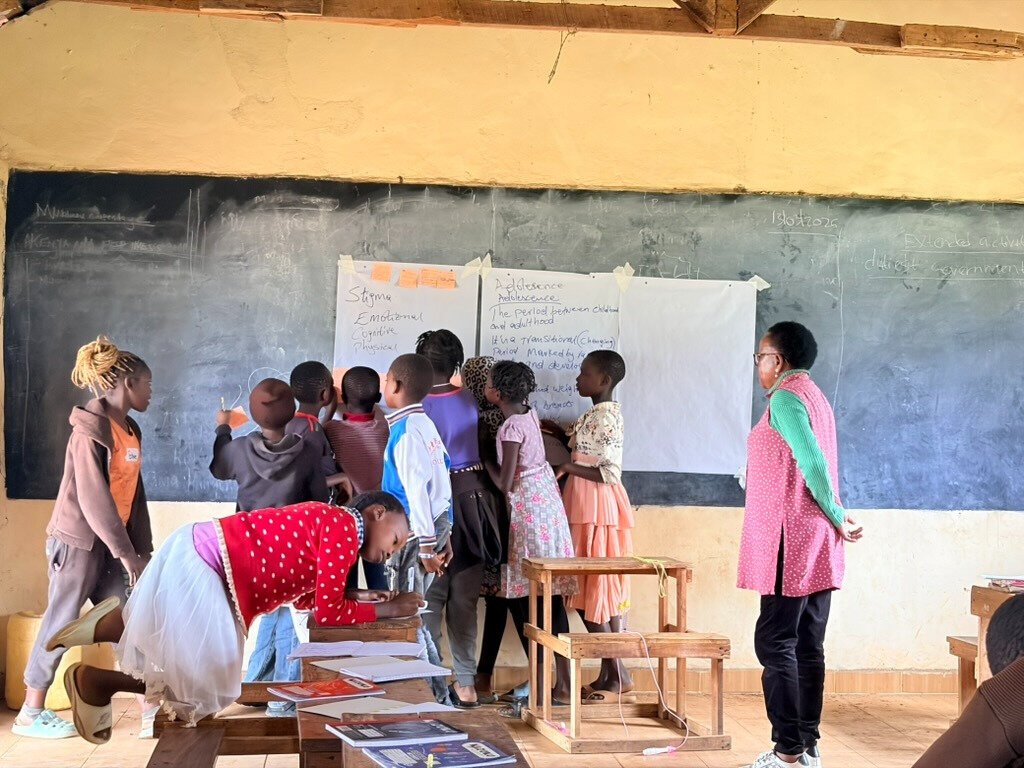
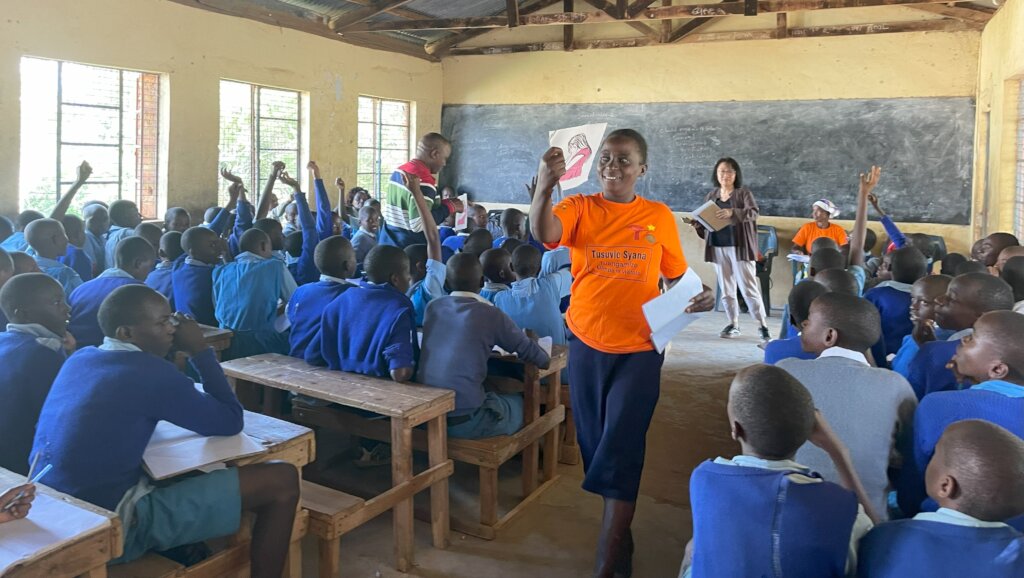
Building on Week One, the session opened with learner-led prayer and election of new weekly student leaders. An emotional check-in exercise demonstrated learners' growing trust and psychological safety. Grouped by age, learners explored physical and emotional changes during adolescence, gender-specific developmental experiences, and menstrual health and hygiene that strengthened girls' confidence and hygiene awareness. The afternoon included individual counseling and recreational activities.
Day 7 (21st April)
The day focused on self-esteem and personal value. In the Gift Selection exercise, learners chose wrapped gifts based on perception, opening discussion on internal versus external value that personal worth remains unchanged regardless of hardship. Learners openly identified challenges affecting their confidence — including financial constraints, loss of caregivers, and emotional or physical hardship — and facilitators reinforced resilience messaging. A Mirror Reflection exercise encouraged positive self-affirmation, and a team-based Treasure Hunt activity strengthened teamwork and peer support, with facilitators noting increased participation and confidence in self-expression.
Day 8 (22nd April)
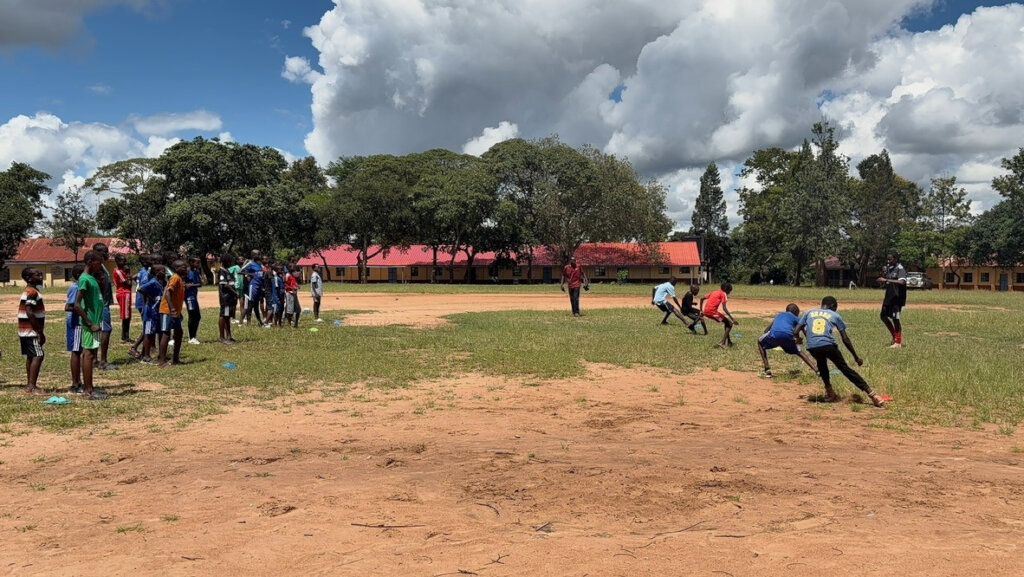
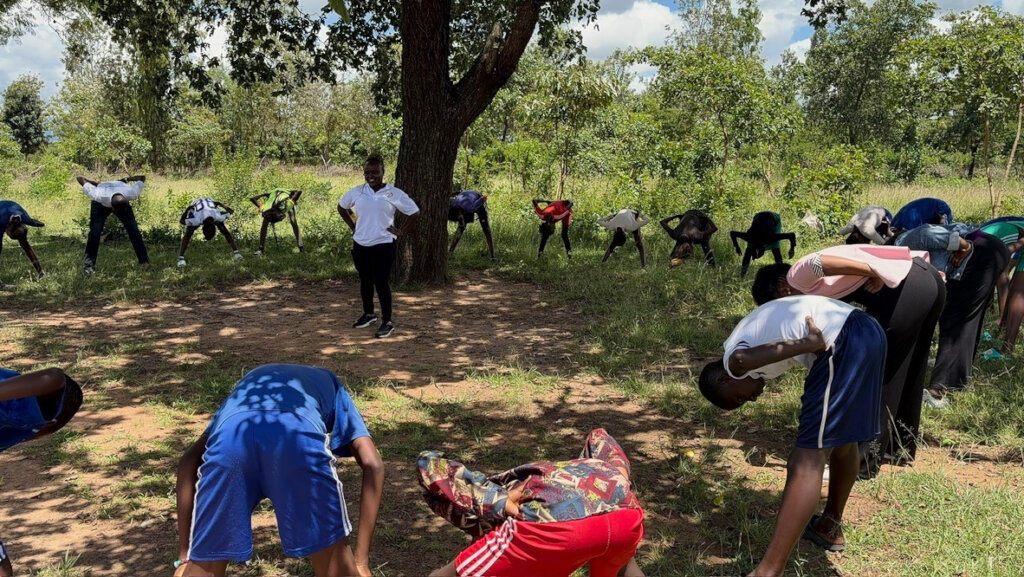
Learners took part in peer affirmation exercises, identifying positive traits in classmates, and a body appreciation activity that addressed body image concerns common during adolescence. In gender-specific sessions, girls discussed teenage pregnancy risks, social pressures, and menstrual challenges. Guest facilitator Madam Winfred led a psychosocial wellness session with meditation and stretching exercises for stress reduction and emotional regulation, alongside an introduction to resilience through adversity. Learners were also guided on child protection reporting mechanisms, including the Child Helpline 116, the Children's Office, community leadership structures, and Nafasi Program volunteers, strengthening their safeguarding awareness. Interactive outdoor activities reinforced teamwork and problem-solving. Additionally, Assistant Chief Mbaani Sub-Location visited the venue and gave the children a message encouraging them to study hard in order to improve their own lives.
Day 9 (23rd April)
Learners demonstrated their understanding of adolescent challenges through structured role plays addressing teasing related to physical development, menstrual stigma, concentration difficulties, and early romantic relationships, promoting empathy and healthy coping strategies. Guest facilitator Coach Bernice led a motivational session encouraging continuous self-improvement, discipline, and purpose, followed by a football mentorship session reinforcing teamwork and goal setting alongside ongoing counseling.
Day 10 (24th April)
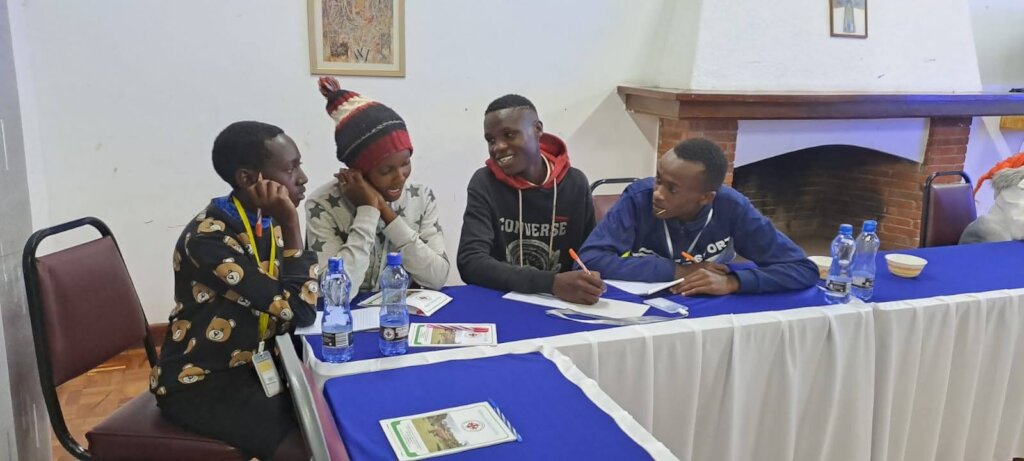
The final day focused on reflection and consolidation. Age-based group counseling sessions allowed learners to discuss peer pressure, emotional confusion, identity formation, relationship pressures, and self-confidence struggles, with facilitators observing increased comfort discussing sensitive topics compared to earlier sessions. Assistant Chief Mbaani Sub-Location visited the venue again and sent a message to the children to continue learning in the coming term. The week closed with facilitator reflections, learner feedback, and closing prayers.
Observed Outcomes and Impact
Across the two weeks, learners showed increasing confidence, openness, and participation. Safe spaces encouraged emotional expression, and strong peer interaction and teamwork were consistently observed. Learners demonstrated growing self-awareness, improved understanding of adolescence and reproductive health, strengthened peer relationships, and greater awareness of child protection mechanisms, reflecting steady progress toward the program's goals of resilience and positive self-identity.
Challenges Encountered
Some learners initially showed low confidence and hesitation to participate, particularly at the start of Week One. In Week Two, learners similarly displayed initial discomfort discussing puberty-related topics, which facilitators addressed through a gradual, safe-space approach that built trust over the course of the sessions.
Conclusion
Weeks One and Two of the Nafasi Program successfully established a supportive learning environment and deepened learner engagement, strengthening psychosocial wellbeing and understanding of adolescence, self-worth, and child protection. The participatory and safe-space approach continued to demonstrate strong impact, with active participation and positive feedback from learners affirming the program's relevance and effectiveness in supporting healthy development and future outcomes.
Project reports on GlobalGiving are posted directly to globalgiving.org by Project Leaders as they are completed, generally every 3-4 months. To protect the integrity of these documents, GlobalGiving does not alter them; therefore you may find some language or formatting issues.
If you donate to this project or have donated to this project, you can receive an email when this project posts a report. You can also subscribe for reports without donating.



Support this important cause by creating a personalized fundraising page.
Start a Fundraiser