By Josphine Joel | Field Assistant
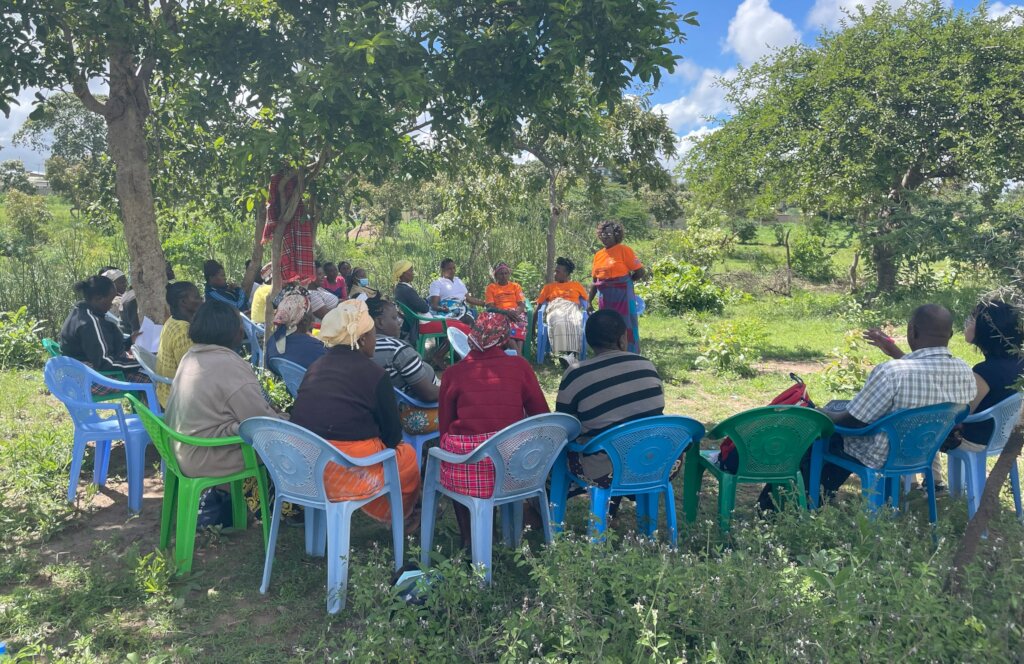
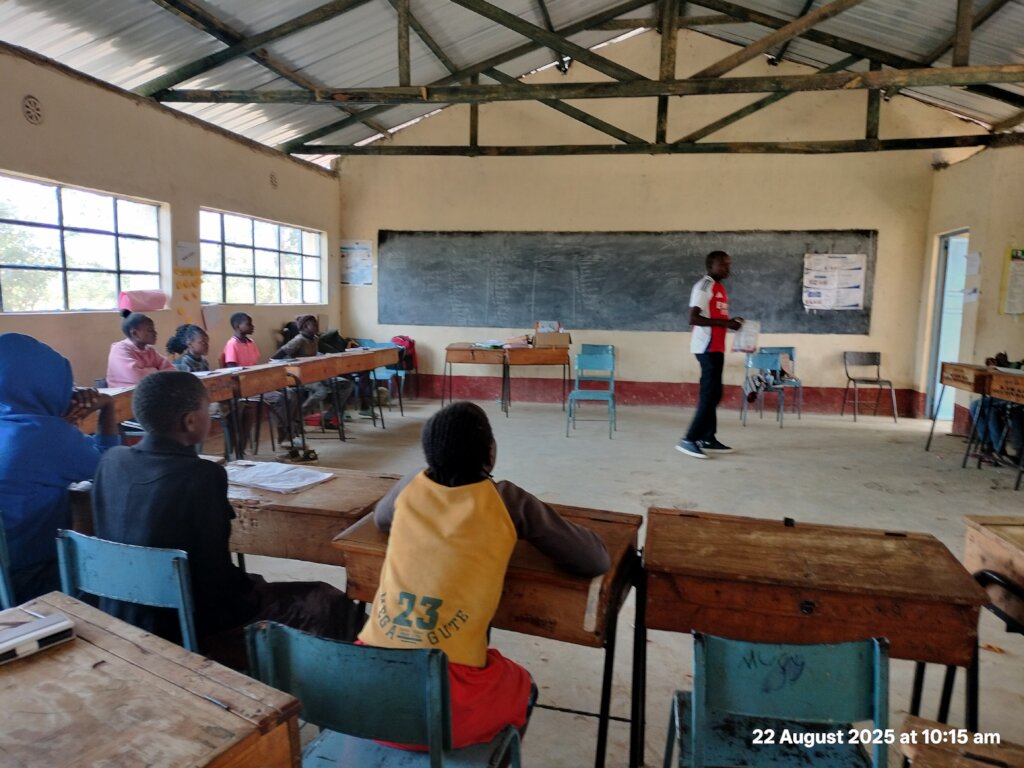
The second week of the Nafasi Programme built on the momentum of the first, diving into deeper themes of personal development and resilience. Children began with sessions on self-awareness, reflecting on their habits, behaviors, strengths, weaknesses, and relationships, before moving to self-esteem, where they discussed beliefs about themselves, how self-esteem affects choices, and ways of building a positive self-image. The Assistant Chief joined during this week, offering encouragement and affirming the importance of the lessons learned.
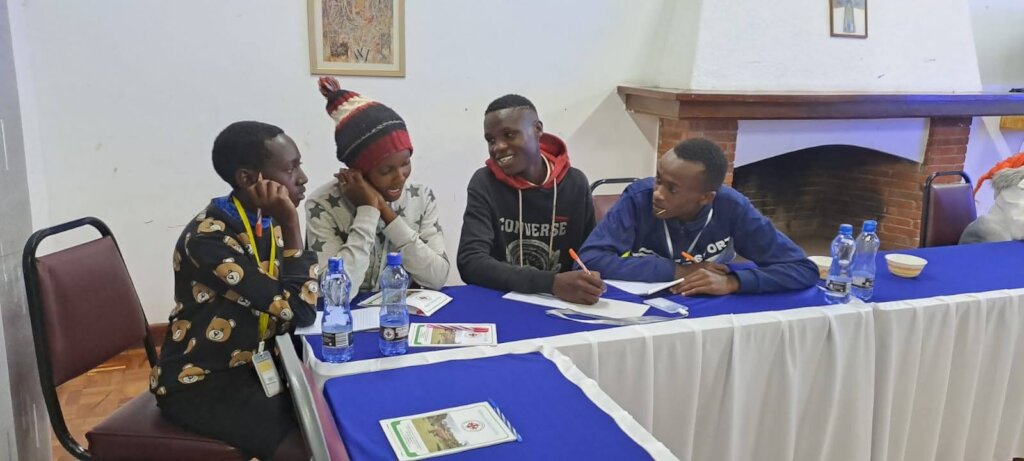
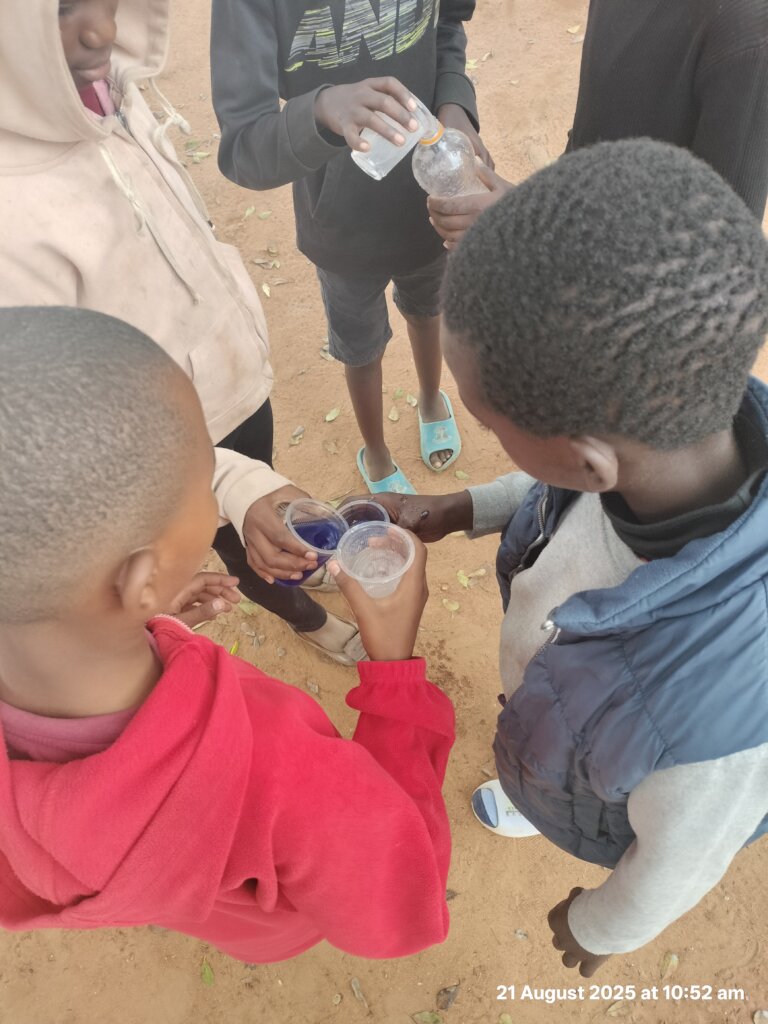
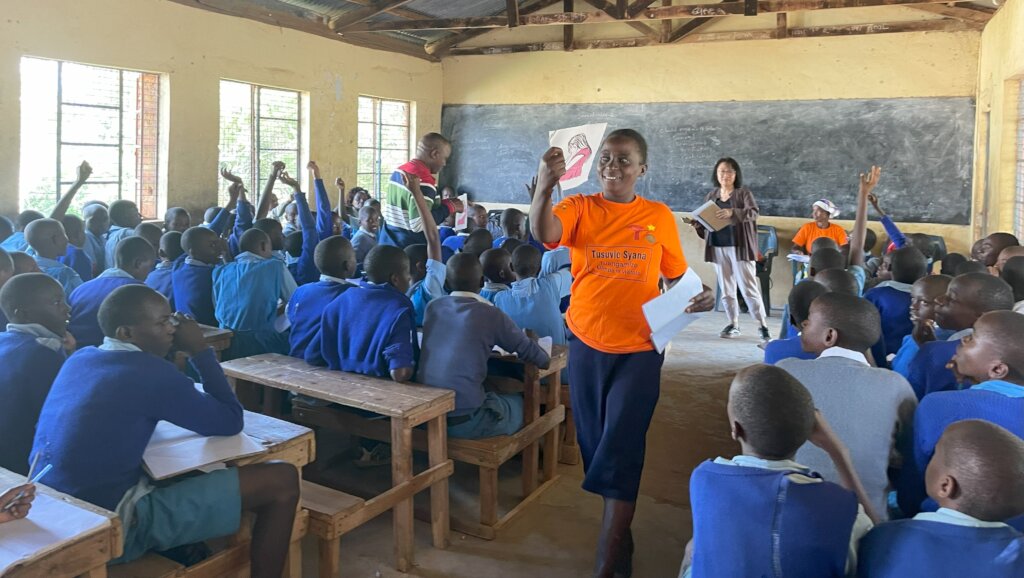
Midweek, sessions turned to stress and anger management, where children learned about causes, signs, and coping strategies, as well as communication skills, handling peer pressure, and maintaining good academic performance. In group counselling, both age groups (11–12 years and 13–15 years) explored Gender-Based Violence (GBV) and Sexually Transmitted Infections (STIs). The discussions covered what GBV is, its different forms, and where to seek help, alongside STI awareness, including how they spread, myths about transmission, and symptoms. A creative water-sharing game vividly demonstrated how quickly infections can spread, leaving a lasting impression on the children.
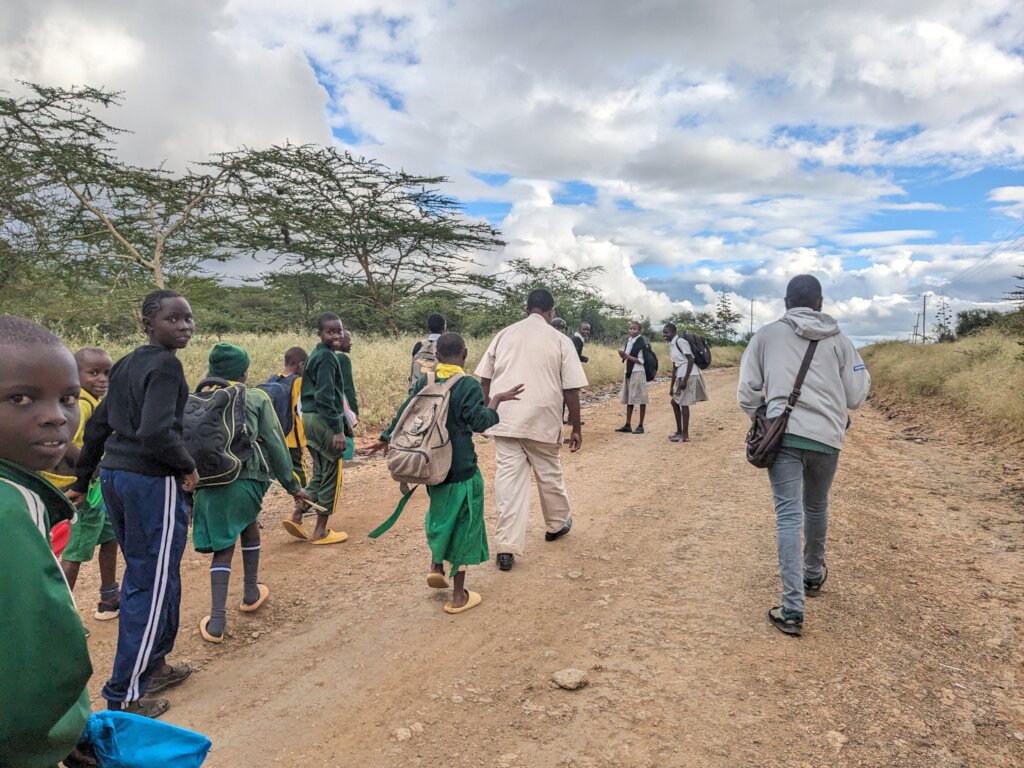
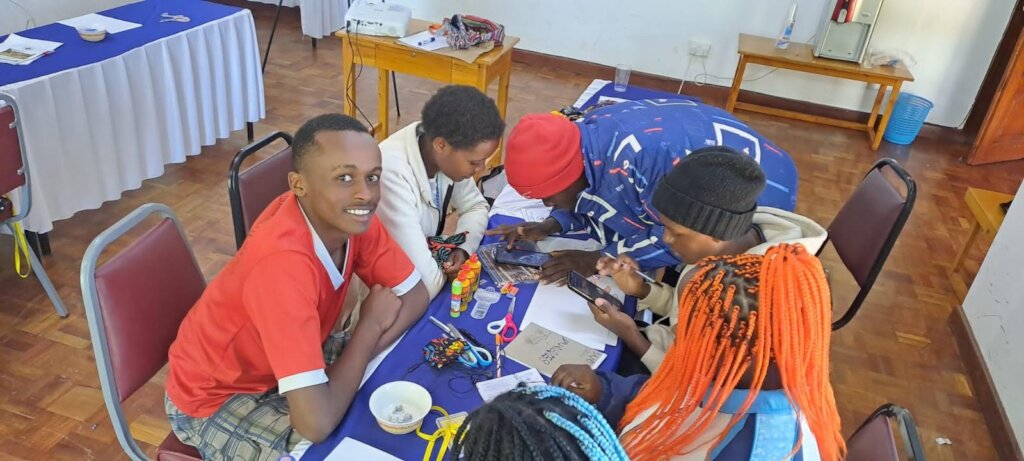
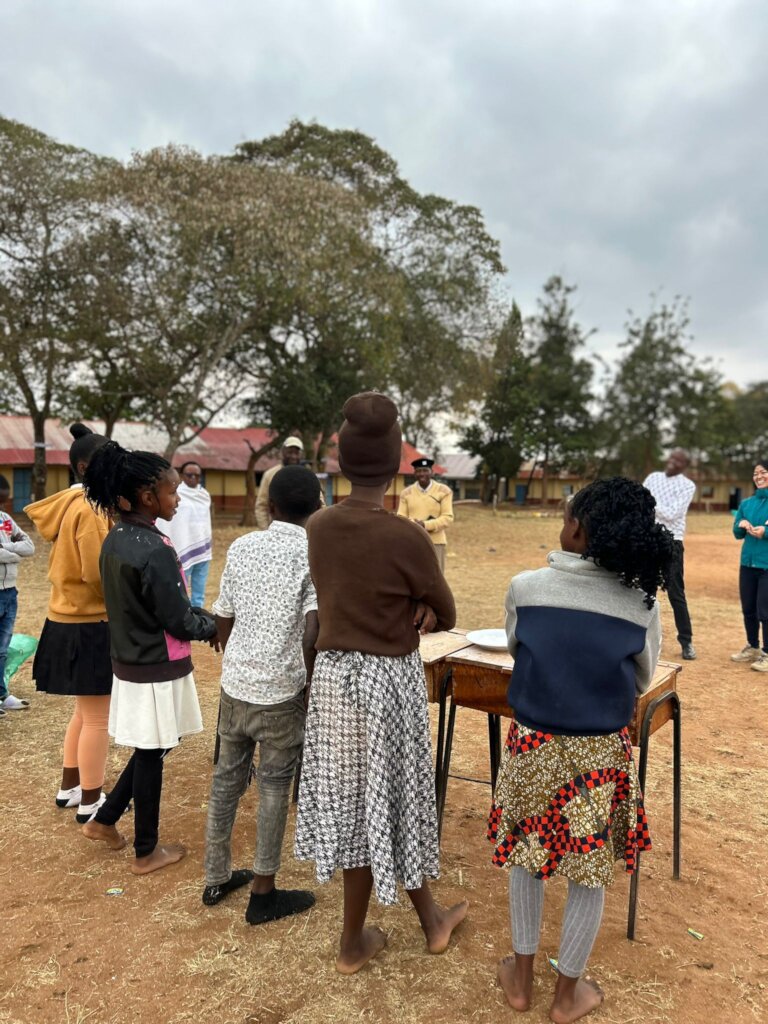
Mornings continued with individual counselling supported by indoor activities, while afternoons combined one-on-one sessions with outdoor games. This balance of counselling, learning, and play helped children stay fully engaged throughout the programme.
Notably, some children showed positive changes such as increased confidence and openness in sharing their thoughts. These improvements highlight the importance of continuous intervention in nurturing resilience, self-belief, and healthier choices among children.
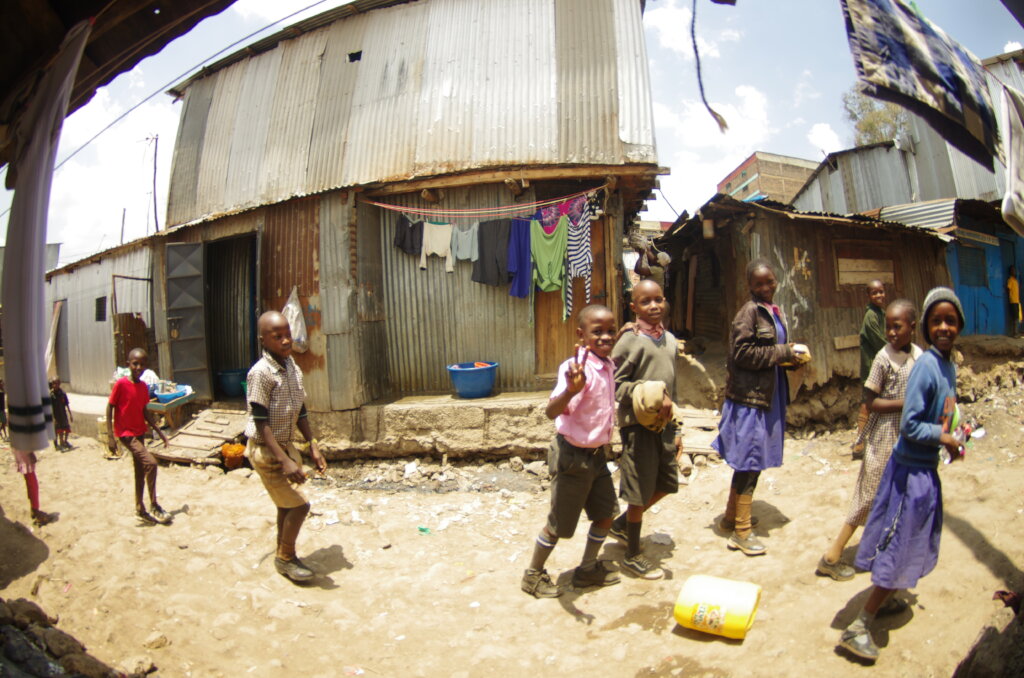
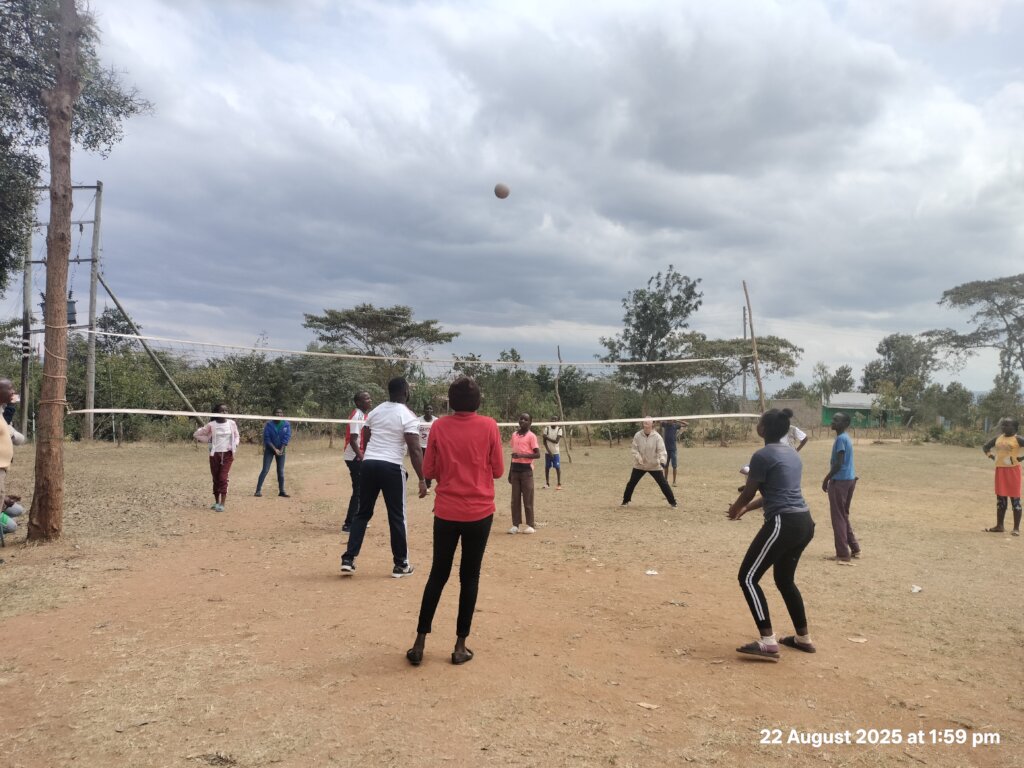
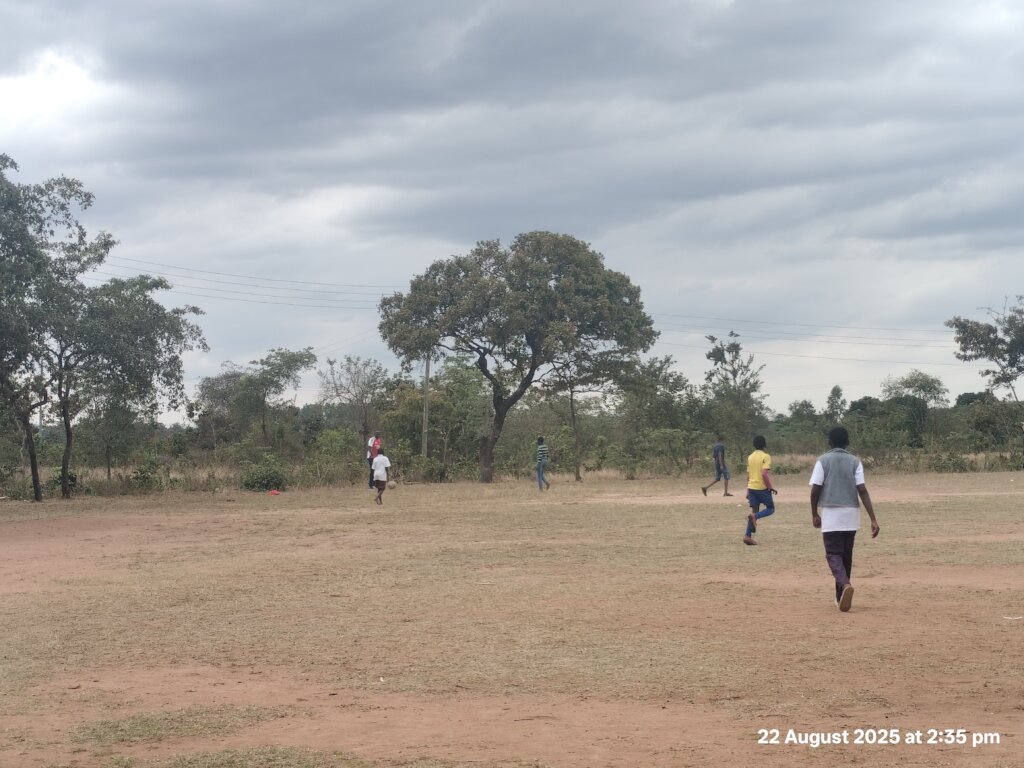
The Nafasi Programme closed with a joyful Sports Day, where children played football, volleyball, and relays before gathering for a final prayer of thanksgiving. The two weeks were a beautiful blend of learning, reflection, creativity, and fun. The enthusiasm of the children throughout the programme reminds us of the importance of creating safe spaces like Nafasi, where they can grow in confidence and resilience.
Project reports on GlobalGiving are posted directly to globalgiving.org by Project Leaders as they are completed, generally every 3-4 months. To protect the integrity of these documents, GlobalGiving does not alter them; therefore you may find some language or formatting issues.
If you donate to this project or have donated to this project, you can receive an email when this project posts a report. You can also subscribe for reports without donating.



Support this important cause by creating a personalized fundraising page.
Start a Fundraiser