By Victor Makau | Project Leader
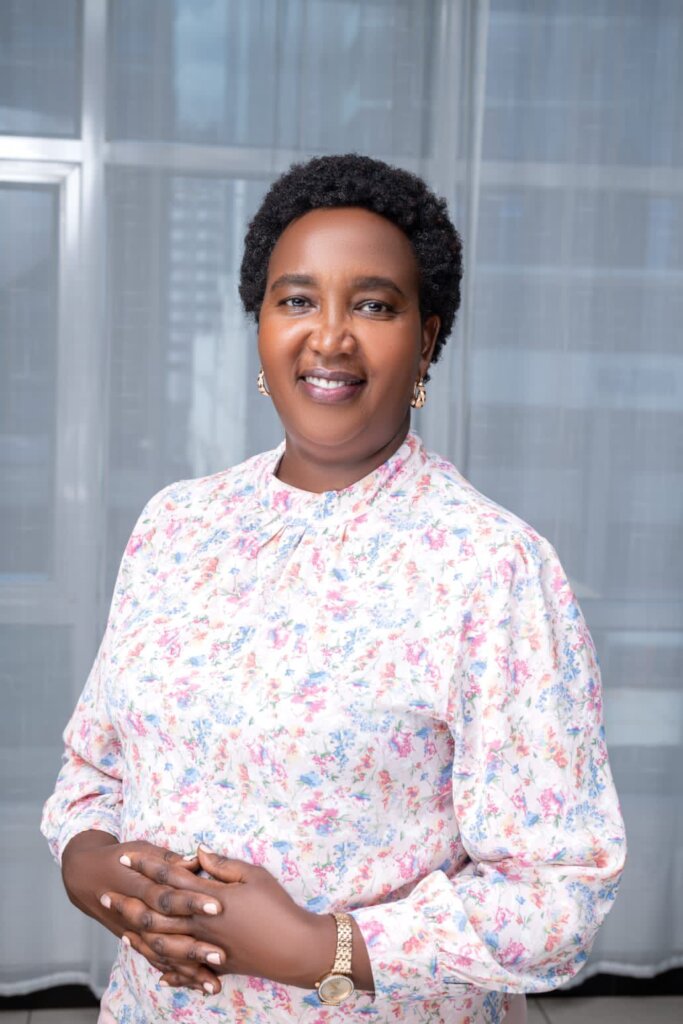
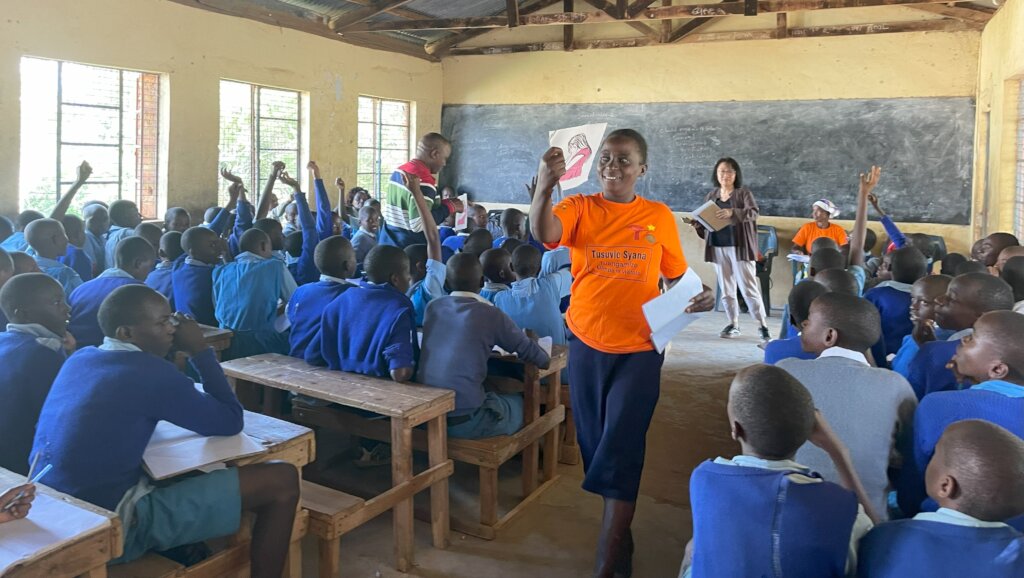
We would like to publish a portion of our written interview with Anne Waichinga this week. As we prepare to carry out our Nafasi project, I had the opportunity to sit down with her a few weeks ago and talk about the value of life skills and their applicability in Kenya.
Anne is the executive director of Uhai Bora, a company that works to improve children's social and emotional development. Social emotional learning includes teaching children how to effectively manage their own lives, understand others and nurture healthy relationships, face daily obstacles, and interact with their environment productively. She also has a wealth of expertise in the field of child protection, having held positions as Associate Director of Protection and Education at World Vision and County Coordinator for the Directorate of Children's Services.
My name is Anne Waichinga and I work for Uhai Bora Africa, where our focus is to strengthen social emotional learning for all children.
Thank you so much for that question. I will use the term social emotional learning, which is the equivalent of life skills and values education in Kenya. And, the reason why I'm using social emotional learning is because I want to emphasize on the fact that social emotional learning facilitates social emotional development, which is an aspect of development for every child, just like cognitive development and physical development. So, since emotional learning is very important because that's the only way that a child will achieve holistic development, we also stimulate their ability to be able to learn social emotional competencies that they can match up with the physical development and also cognitive development. Now, what is social emotional learning or life skills and values education? I would say, it is the process of supporting our children to internalize and to apply social emotional competencies of self-awareness, self regulation, social awareness, relationship skills and responsible decision making. So, once they are able to have the knowledge, to have the attitudes, and to have the skills to be able to apply those five categories of social emotional competencies, then they are able to navigate through life more successfully, they build their resilience and that contributes a lot to them being successful and thriving in life.
In Kenya we are blessed because we have a Ministry of Education that has embraced life skills and values education or what we're calling social emotional learning in the 8-4-4 system which is just being phased out. Life skills and values education was a stand alone subject so we had a curriculum in place that was being implemented at the school level. Unfortunately, it never took off successfully. It was not all very well implemented because there were several challenges. The research that was done indicated that teachers were not trained in their teacher-training programs on how to implement life skills. So, there was a gap there. The implementation was not very well done in the current CBC (Competency- Based Curriculum). We have competence-based education in early years and also in junior secondary being integrated and infused. So, it is captured in carrier subjects and implementation is currently going on. But probably when an assessment is done, we'll be able to know whether it is being successfully implemented. From my own assessment, what I would say is that there is a risk of it being overshadowed by the other academic subjects. One, because it is not like an examinable subject. Secondly, it is just infused or integrated in other academic subjects. So, it may not get the attention that it deserves for us to be able to support our children to learn all these competencies that I mentioned.
You know, when you talk about vulnerable children, on one hand, we are talking about children who are exposed to various forms of harm or violence. It could be physical violence, psychological violence, neglect, child labour or sexual abuse, name it. So, these are children who could be traumatized, these are children who could be dealing with various psychological issues. Life skills help a child to first and foremost be able to build on their self understanding and self acceptance, learn how to deal with the trauma that they could be carrying, know how to approach others, seek help when they need it, and also gain competencies of making responsible and/or informed decisions. So, they are empowered to protect themselves and to avoid risky situations where they could encounter abuse. Besides that, when a child is empowered, then that child is able to self manage, take care of themselves so they can seek help. And what we know with many vulnerable children, they are sometimes not empowered enough to look for that help or they don't even know where to look for that help. But with their life skills, which I also advocate that we combine it with a bit of child safeguarding, it will empower our children to know when they are being abused and they will also know when they are faced with risky situations or unsafe people and also be in a position to take action to protect themselves. They can also reach out for help.
Project reports on GlobalGiving are posted directly to globalgiving.org by Project Leaders as they are completed, generally every 3-4 months. To protect the integrity of these documents, GlobalGiving does not alter them; therefore you may find some language or formatting issues.
If you donate to this project or have donated to this project, you can receive an email when this project posts a report. You can also subscribe for reports without donating.



Support this important cause by creating a personalized fundraising page.
Start a Fundraiser