By Victor Makau | Project Leader
Safe spaces are physical spaces where people feel safe enough to freely express their thoughts and emotions without fear of discrimination, judgment, or criticism. They can also discuss mental health concerns and get support. This is especially important in light of how the COVID-19 pandemic changed the conversation on mental health. In various contexts, term has frequently been used to describe areas where individuals can seek safety during emergencies or locations free from trauma, extreme stress, violence (or the threat of violence), or abuse.
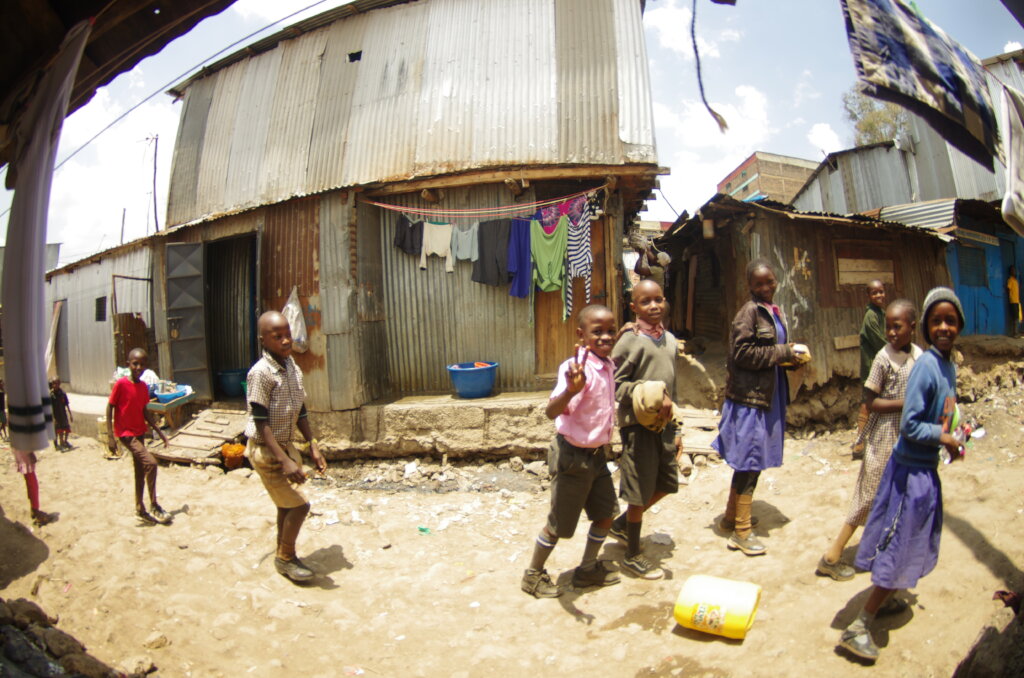
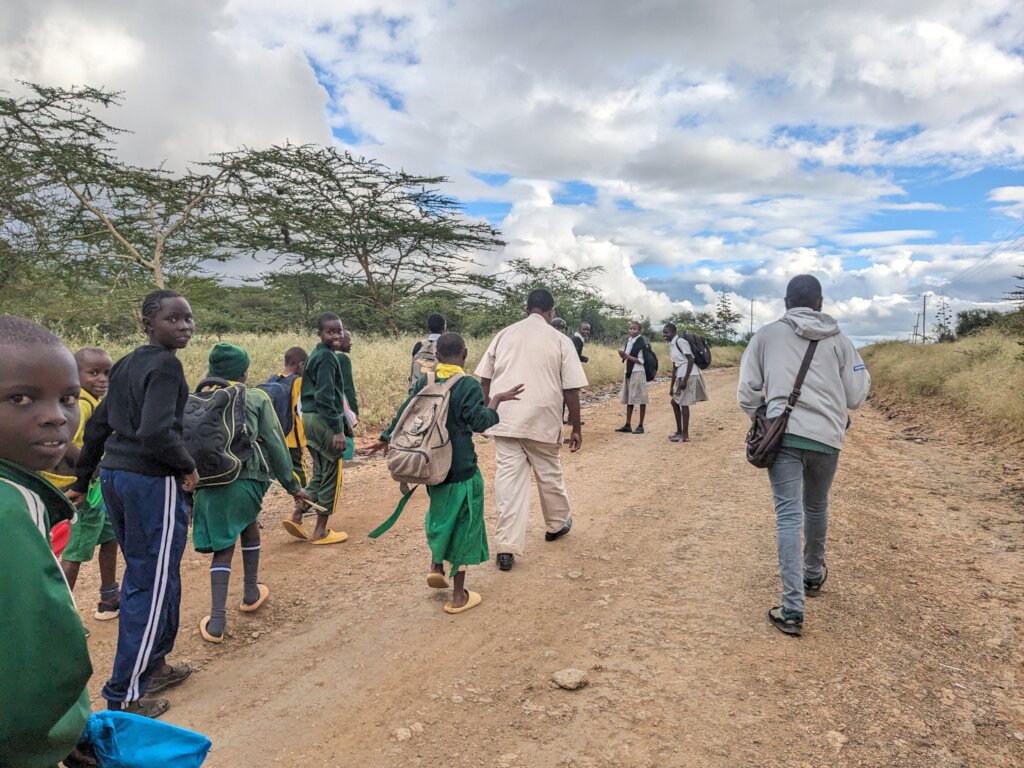
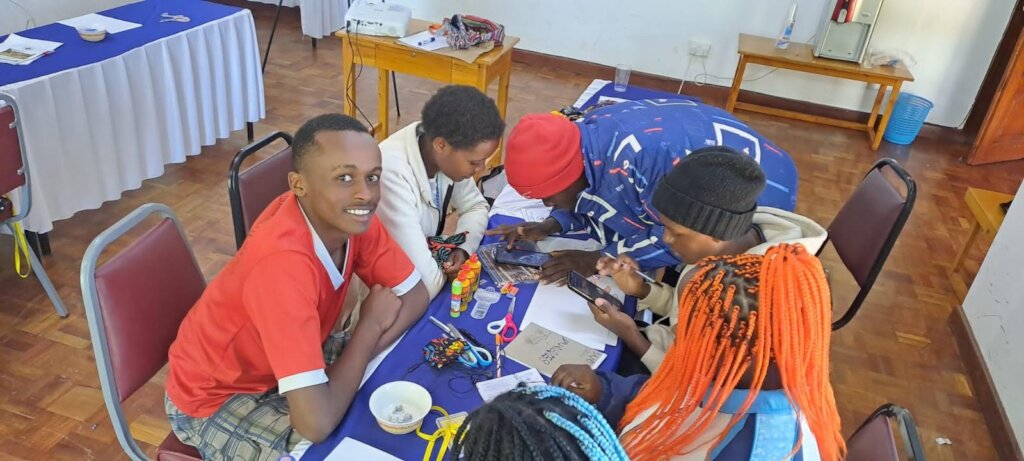
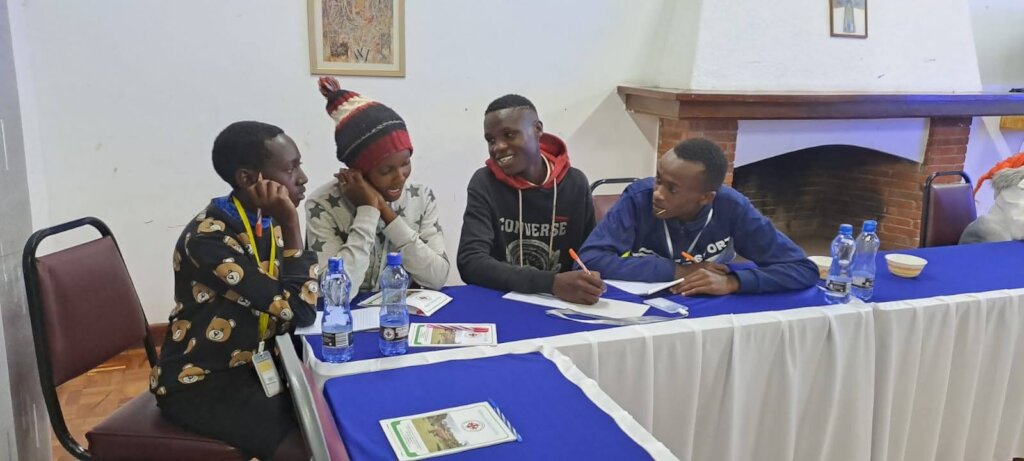
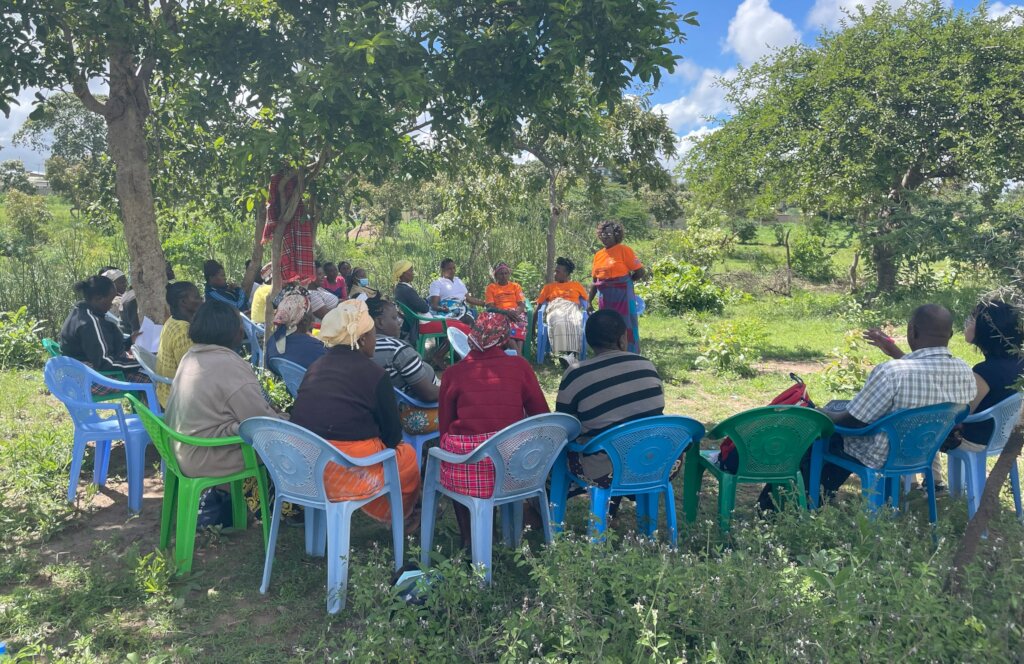
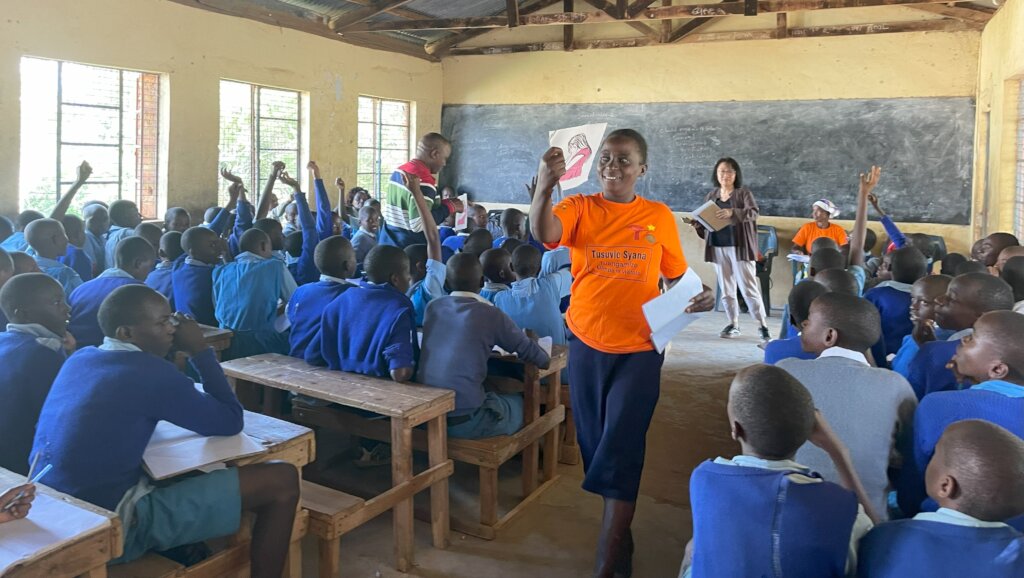
In the course of implementing our JICA-partnership project on the prevention of child abuse and early pregnancy in girls (2021–2023), selected primary schools underwent sensitization sessions led by trained community volunteers. This involved asking the students to create action plans and doing Q&A sessions, which helped to assess their comprehension and bring up current issues in their communities. There was less pressure during these sessions, and a greater focus was placed on children's anonymity and confidentiality when asking questions or discussing real-world situations in which they needed help.
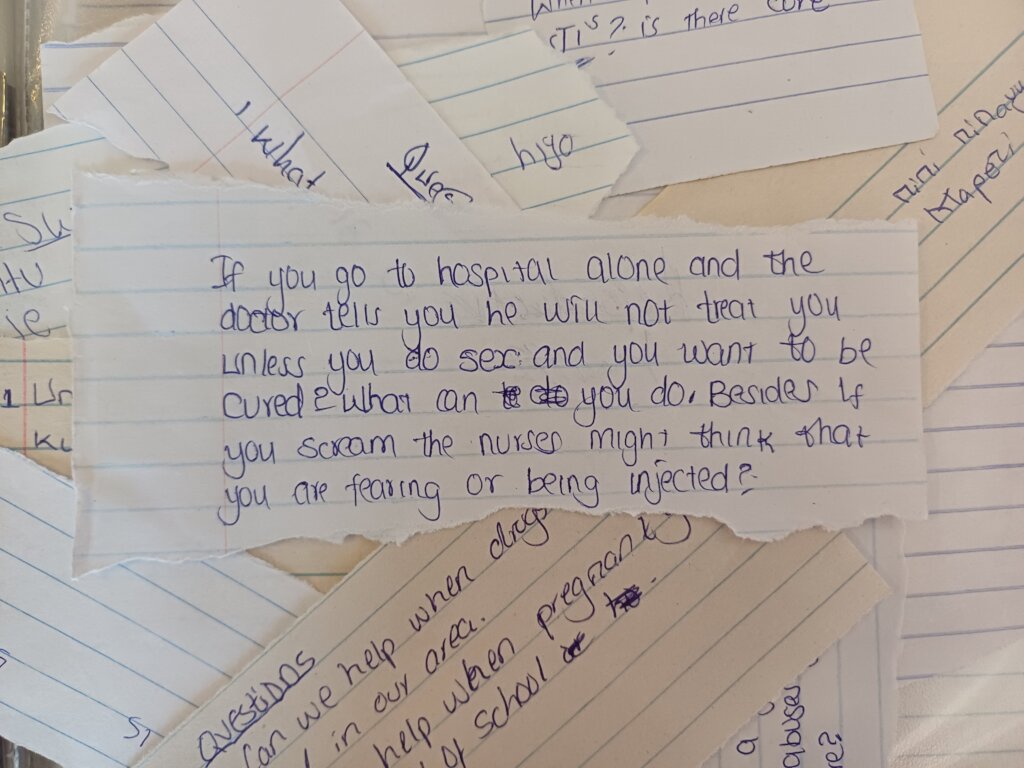
Hospitals have long been recognized as locations where people can get access to counselling, medical aid, information access, and other forms of support. This also applies to places of worship, schools, and community centres where people feel comfortable asking for assistance and opening up. But what can someone do if the same designated "safe space" turns into a site of abuse? One of the inquiries made by a pupil in one of the target location's primary schools is shown in the photo above. With the well articulated query comes a long-standing concern about how to receive medical care in a hospital when the doctor clearly wants to defile the child and is aware that any cries could be misconstrued as a fear of injection.
In Kenya, there have been numerous incidents of abuse at safe spaces committed by people who were clearly identified be resource or referral personnel. There have been instances where children were defiled by their teachers, authority figures such as the area chief, their parents and even close relatives. Sensitization programs are desperately needed, especially in rural areas where youngsters may not have enough information about the different community resource people and sexual reproductive health education. Children also require empowerment regarding their rights, sexual offenses, and the legal implications of these offenses, as well as the greater community surrounding them. In this way, such incidents are handled through the justice system, and those responsible are held accountable.
Project reports on GlobalGiving are posted directly to globalgiving.org by Project Leaders as they are completed, generally every 3-4 months. To protect the integrity of these documents, GlobalGiving does not alter them; therefore you may find some language or formatting issues.
If you donate to this project or have donated to this project, you can receive an email when this project posts a report. You can also subscribe for reports without donating.



Support this important cause by creating a personalized fundraising page.
Start a Fundraiser