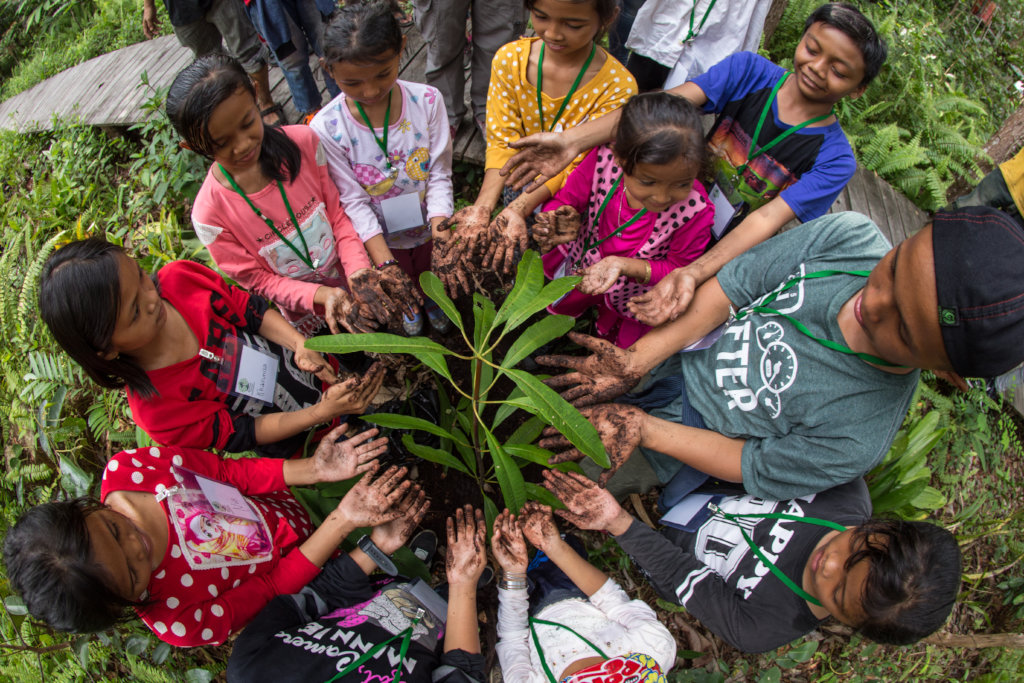
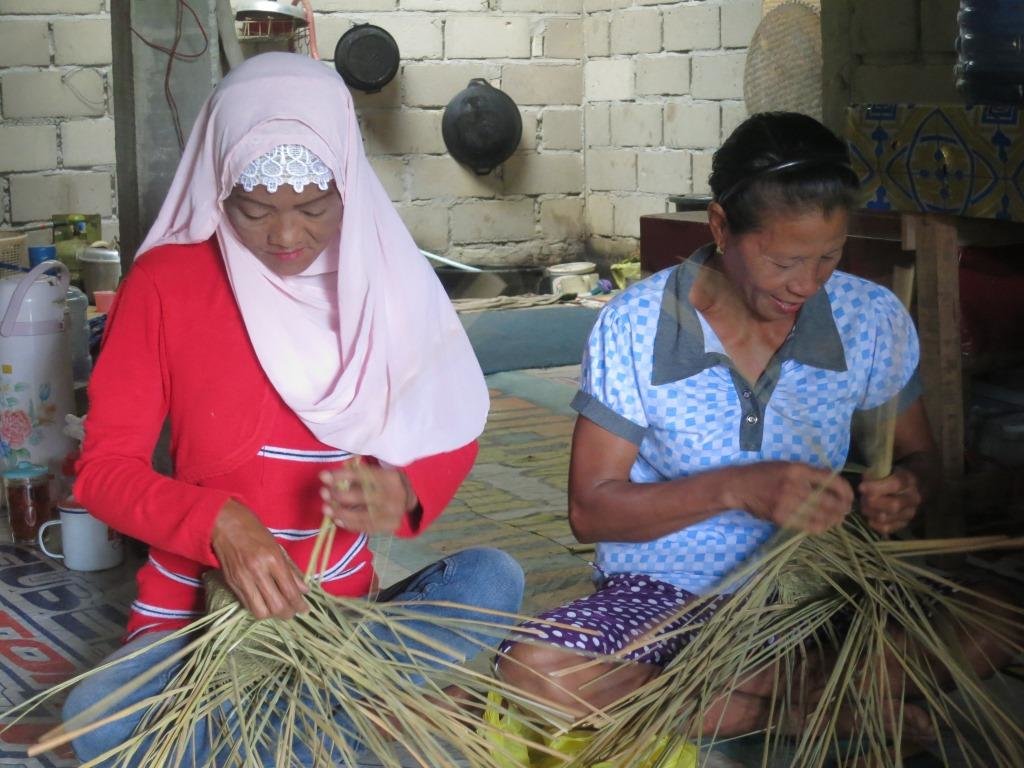
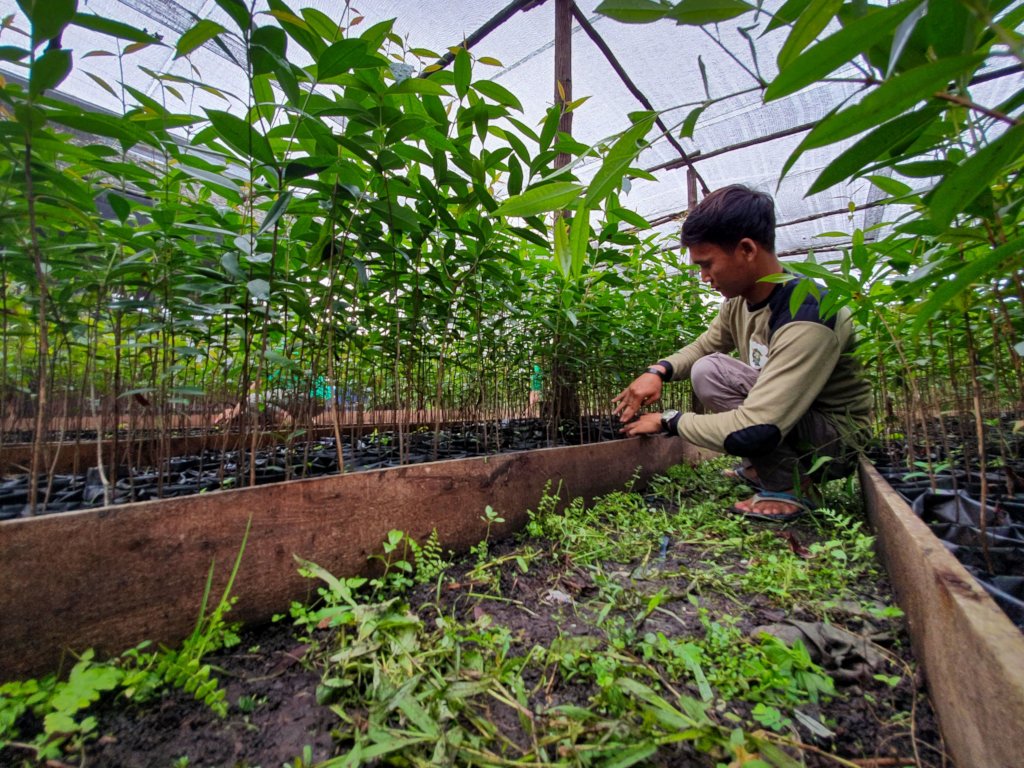
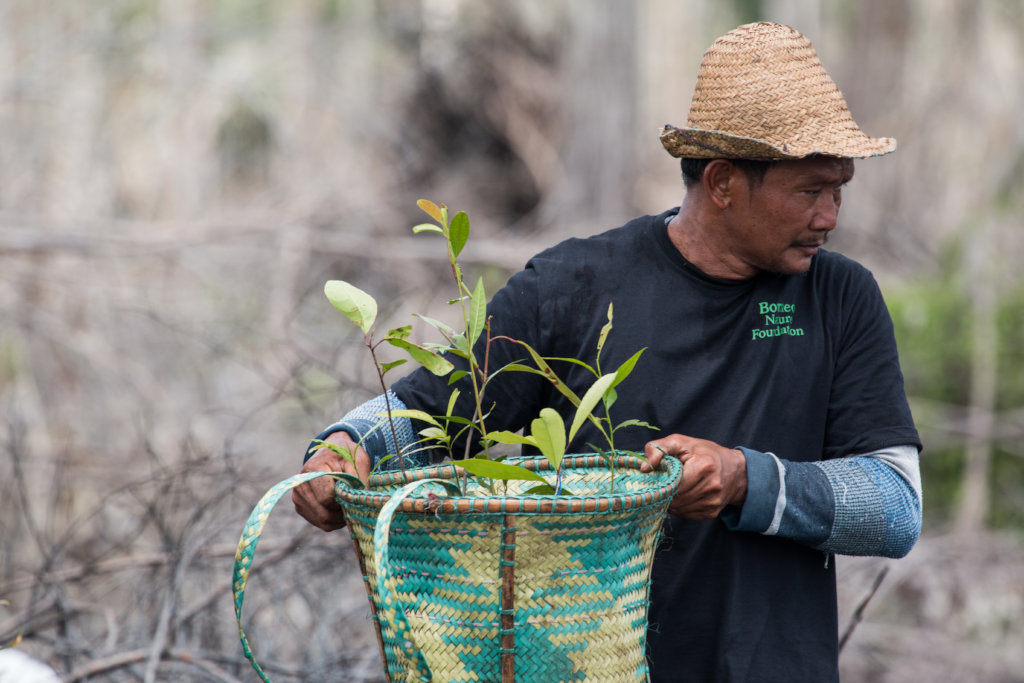
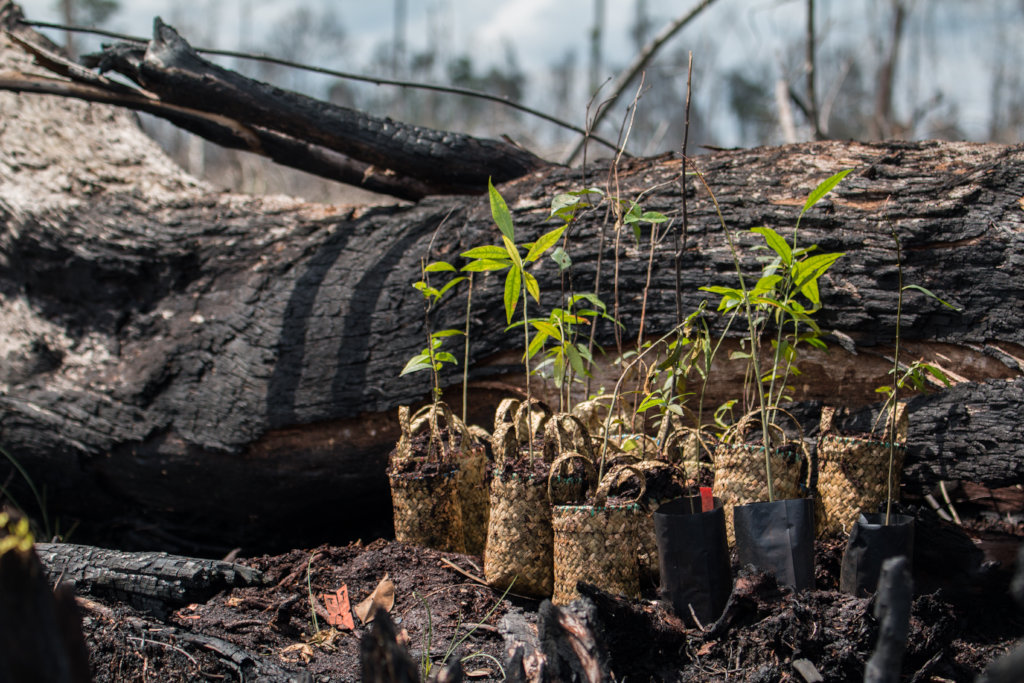
Our reforestation programme empowers communities to grow native tree species for replanting in the burnt peatlands of the Sebangau forest in Kalimantan, providing economic benefits, reducing fire-risk, and protecting the remaining forest. Our initial target is to grow, plant, and monitor 1 million trees over 2500 hectares at a cost of $2 per tree (growing, planting, and monitoring), to protect the forest and prevent future fires, and develop the potential for regional upscaling and replication.
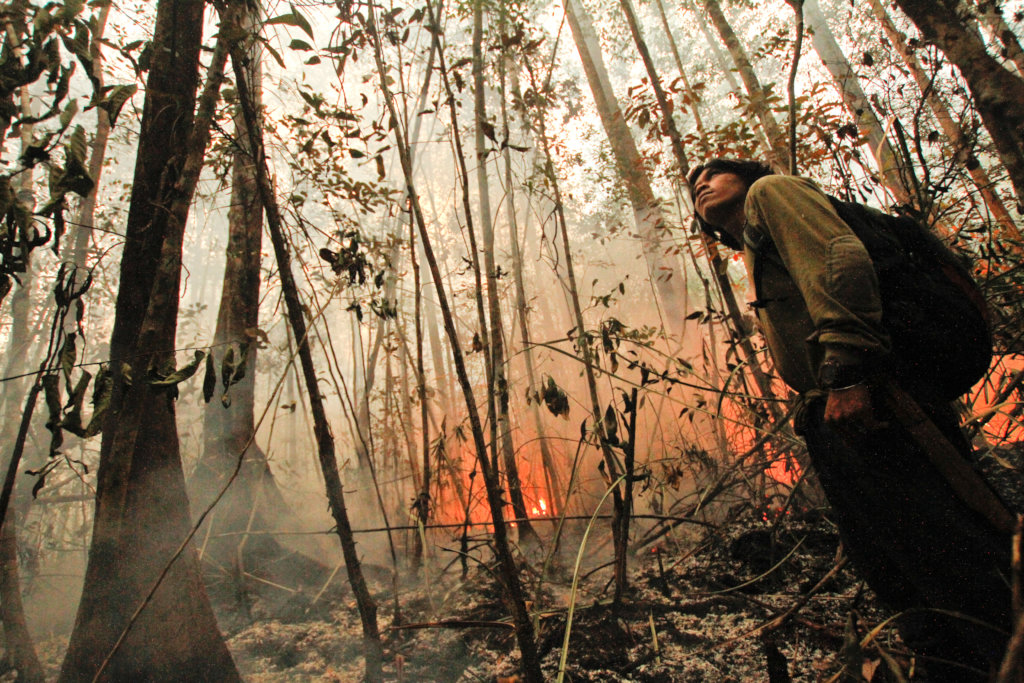
The main threat to the Sebangau Forest is the fire crisis. In their natural state, peat-swamp forests are permanently waterlogged, but drainage channels were dug illegally in the past to remove timber, drying out the peat, making it highly flammable. During El Nino drought years these can spread into surrounding peat-swamp forests, burning both the forest and the peat until the wet season arrives. Burning peatland creates a toxic haze, resulting in public health, economic and climate issues.
Burnt peatland is prone to burn over and over again, putting more forests at risk, but our long-term studies revealed that reforestation helps prevent this. Our 1 Million Tree campaign is part of an integrated firefighting strategy. Not only are we planning to replant 1 Million Trees, but also rewet drained peatlands; create community firefighting teams; deliver environmental education to young generations, and build regional capacity and networks to provide long-term and sustainable solutions.
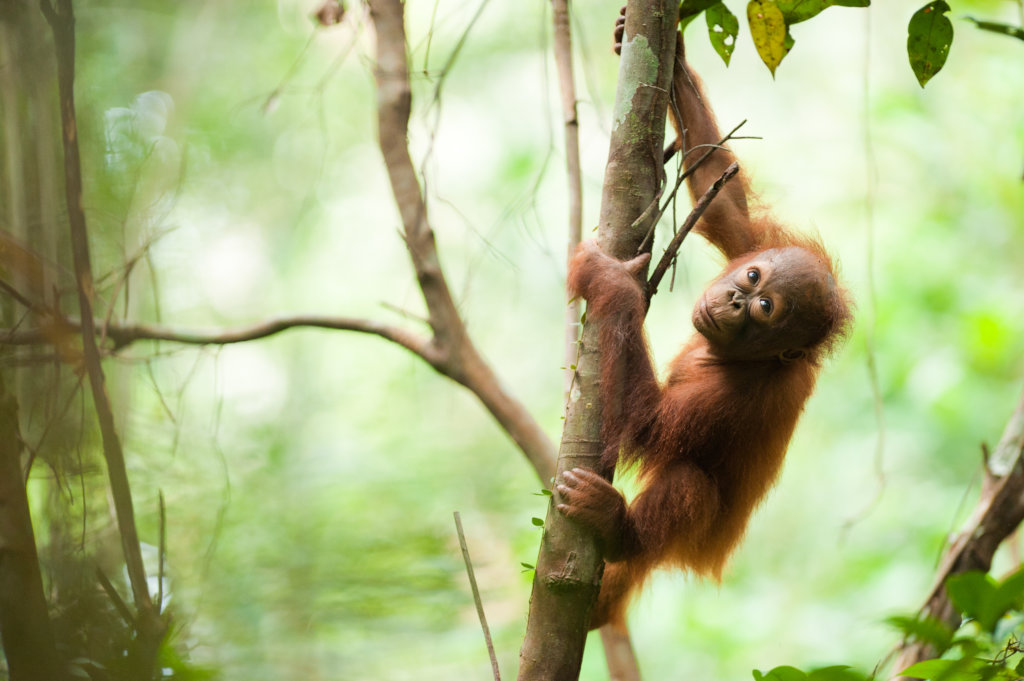
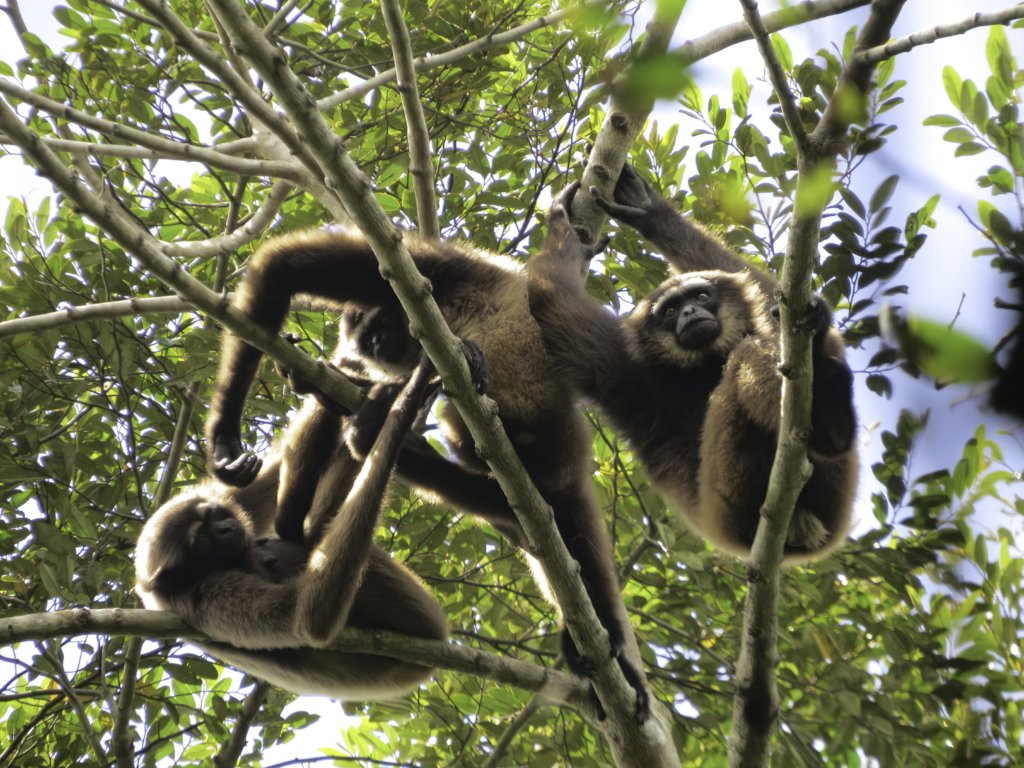
1. Human population health: reduced toxic haze exposure for 300,000 people. 2. Economies: for community members involved: 93% incomes' increase 3. Reduced carbon emissions: savings of 36 and 455t CO2/ha of peat that can be effectively rewetted and saved from burning. 4. Empowerment of local communities: 510 members involved with direct benefits, 10,000 people with outreach activities. 5. Endangered biodiversity protection: for more than 1,150 species (including 6,080 orangutans; 30,000 gibbons)