By Mohsin Arif | Project Leader
Safe Rides: Helmets for Vulnerable Riders in Pakistan
Project Summary
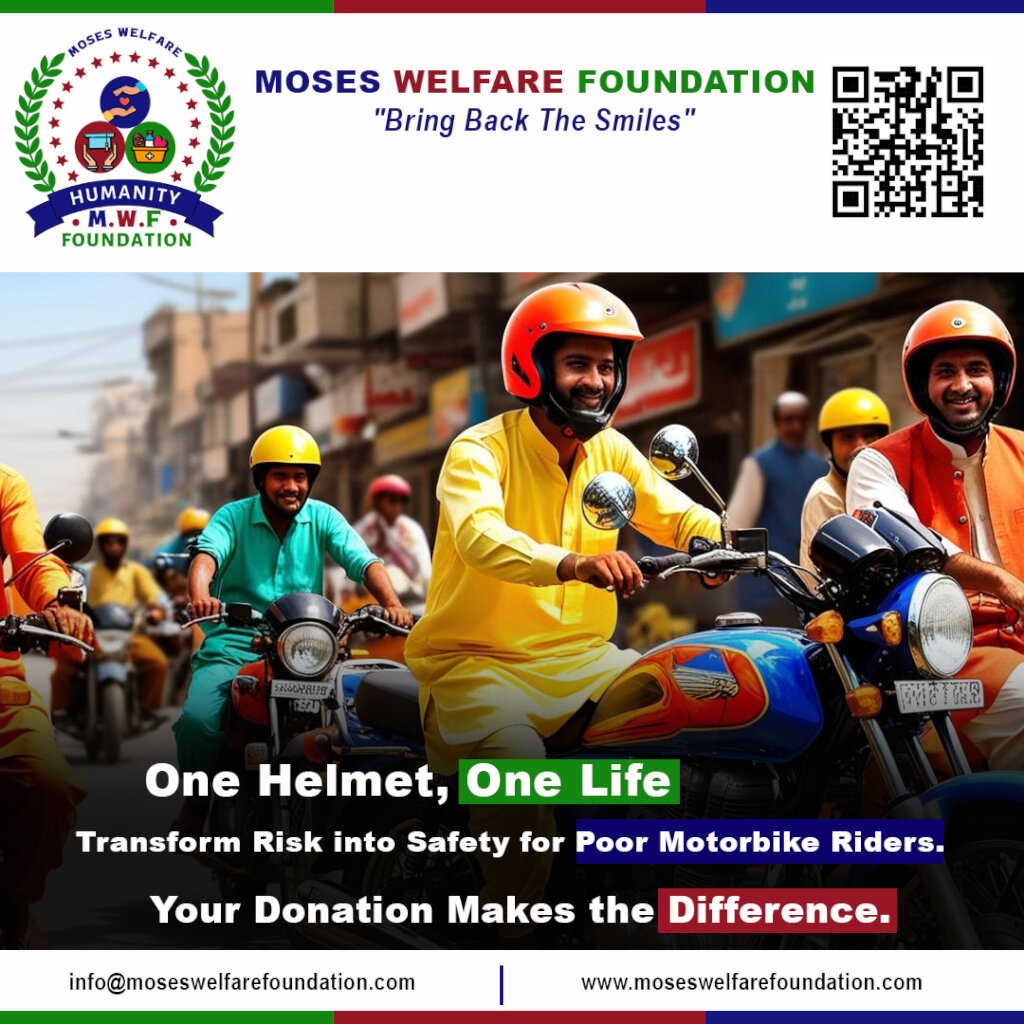
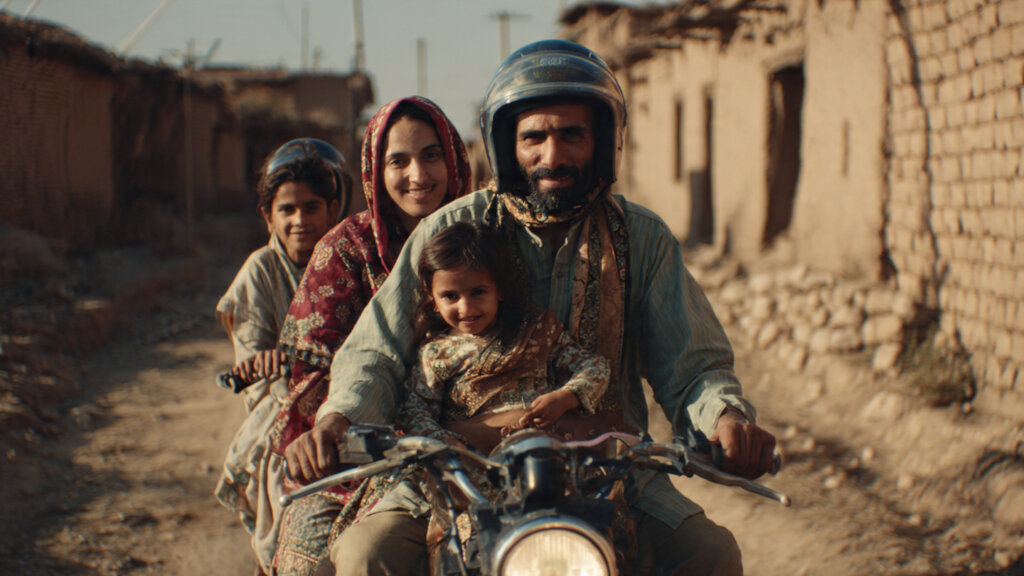
Motorcycles are an essential means of transportation for millions of people in Pakistan, particularly for workers, students, small business owners, and families who depend on affordable transportation for their daily lives.
For low-income riders, purchasing a quality safety helmet can sometimes compete with other essential household expenses. As a result, some riders travel without adequate head protection, increasing their vulnerability to serious injury in the event of a road crash.
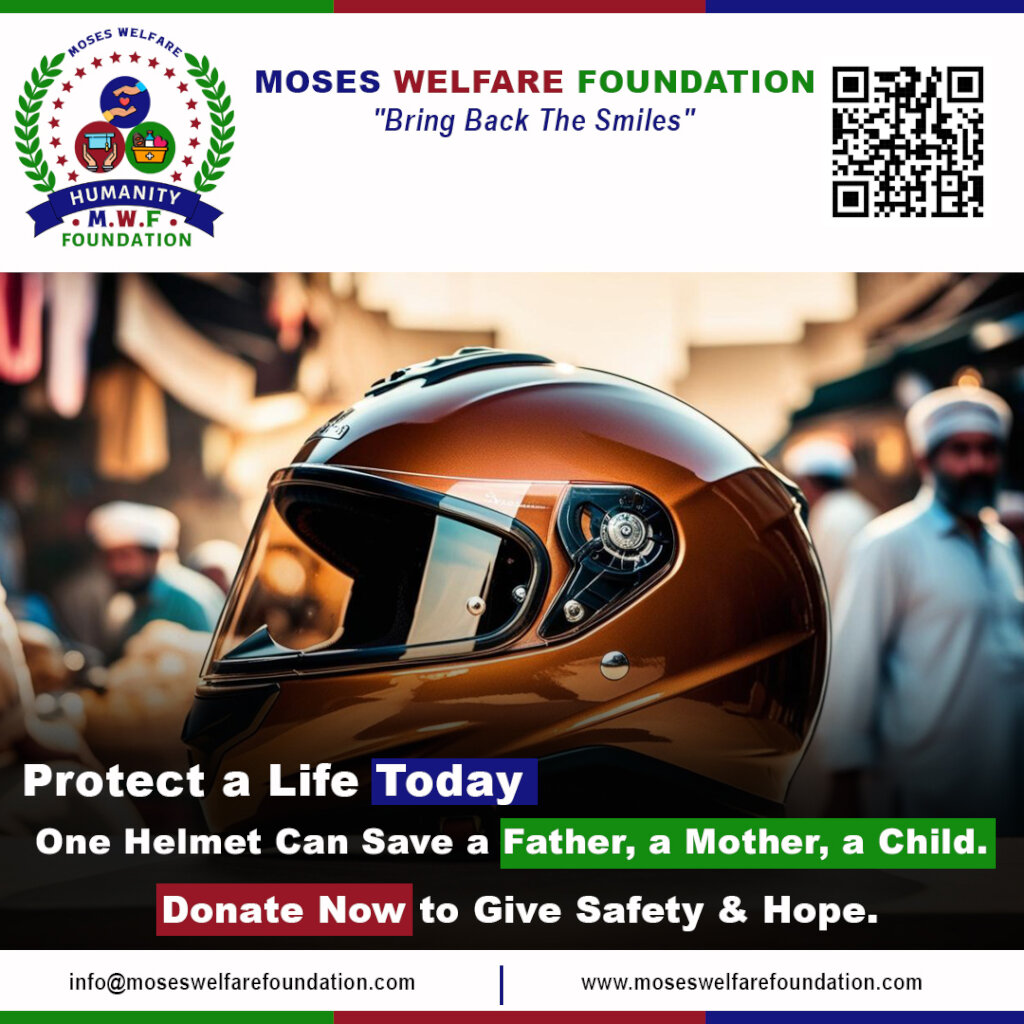
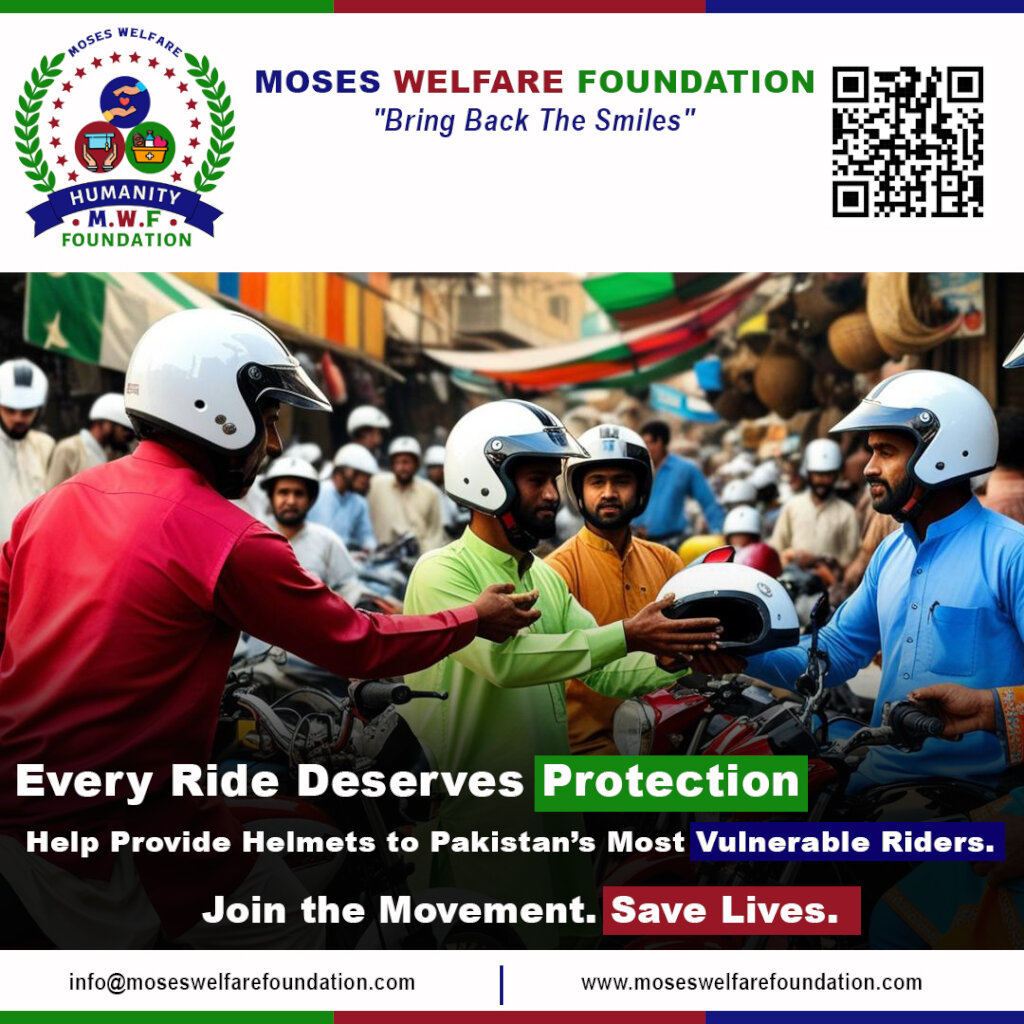
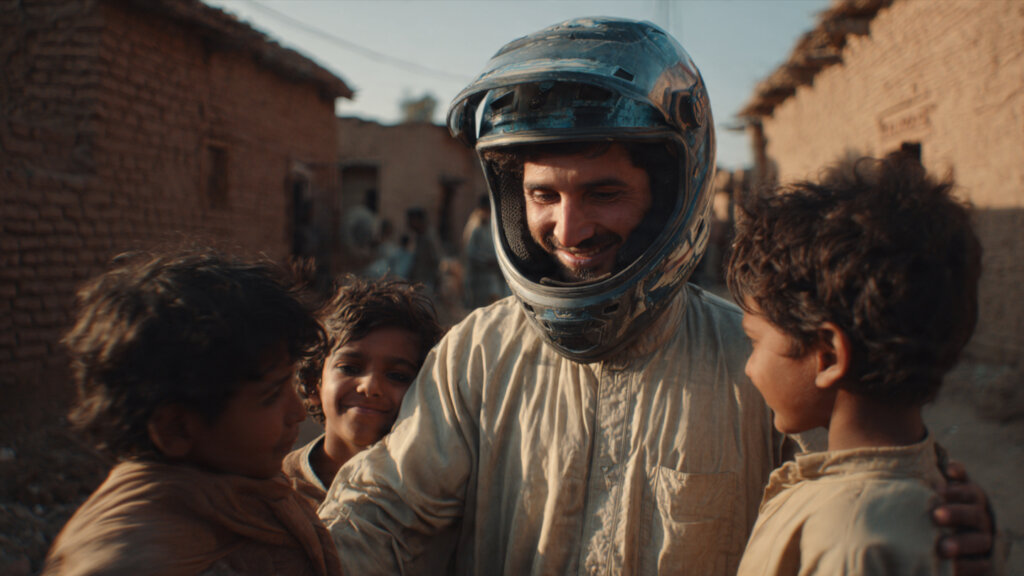
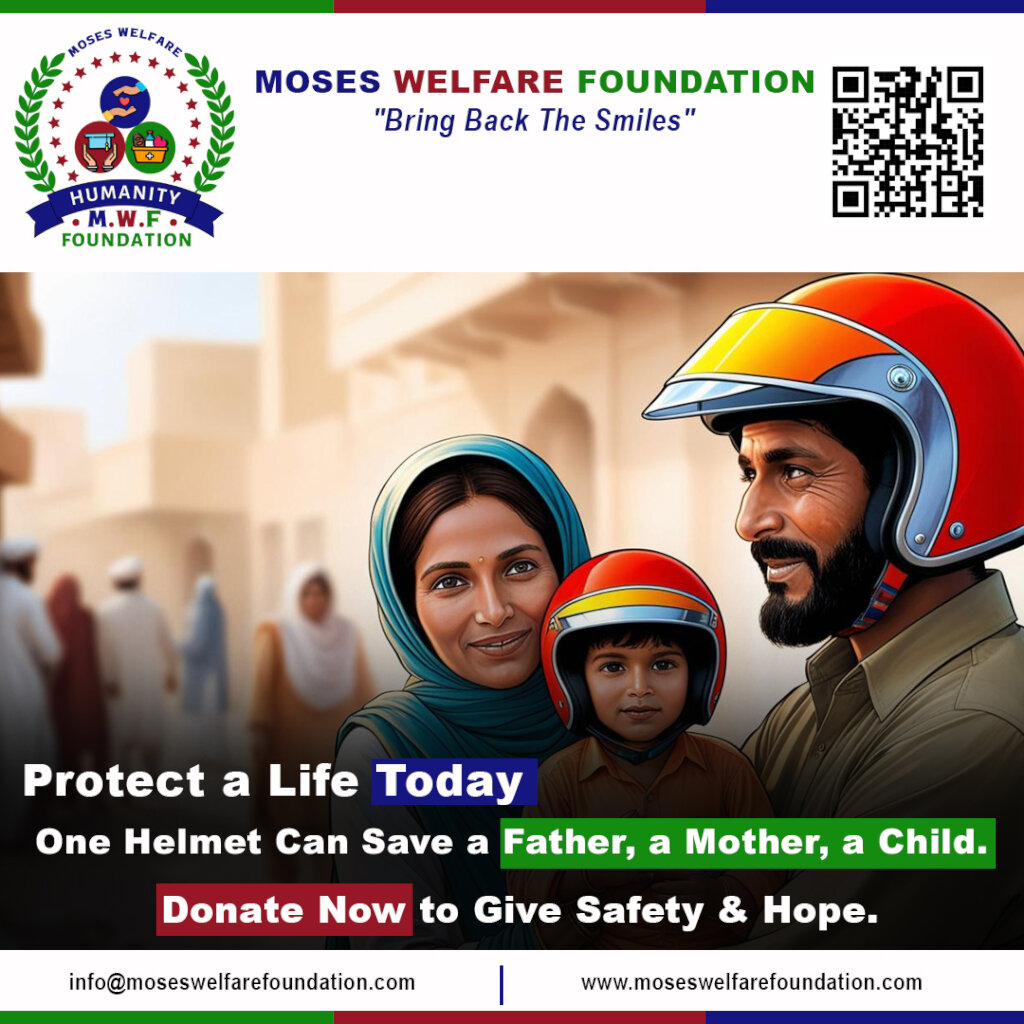
Safe Rides: Helmets for Vulnerable Riders in Pakistan aims to improve road safety by providing quality helmets to selected low-income and vulnerable motorcycle riders who may otherwise be unable to afford appropriate protective equipment.
The project combines helmet distribution with practical road-safety education, encouraging riders to make helmet use a consistent part of every motorcycle journey.
The Challenge
Road crashes can have devastating consequences for individuals and families. Motorcycle users are particularly vulnerable because they have limited physical protection compared with occupants of enclosed vehicles.
Head injuries are among the serious consequences that can result from motorcycle crashes, and appropriate helmet use can reduce the severity of head injuries.
However, vulnerable riders may face several barriers to consistent helmet use:
For a family that depends on a motorcycle for employment, education, healthcare, or daily transportation, a serious road injury can create medical, financial, and social consequences that extend far beyond the individual rider.
Our Solution
Moses Welfare Foundation will provide appropriate motorcycle helmets to selected riders who face financial barriers to purchasing them.
The project will combine protective equipment with education, recognizing that sustainable road safety requires both access to safety gear and awareness of responsible riding practices.
1. Identifying Vulnerable Riders
The project will work through community networks to identify low-income motorcycle riders who may benefit from helmet assistance.
Priority may be given to individuals who depend on motorcycles for employment, education, family transportation, or other essential daily activities.
2. Helmet Distribution
Selected beneficiaries will receive quality helmets that are appropriate for motorcycle use and fit the intended user.
The project will seek to ensure that helmets are distributed according to appropriate safety considerations rather than simply providing any available protective equipment.
3. Road-Safety Education
Beneficiaries will receive practical information about:
4. Community Awareness
Where resources permit, the project will conduct community awareness activities to promote a broader culture of motorcycle safety.
The objective is to encourage helmet use not only among beneficiaries but also among their families and wider communities.
Who We Aim to Support
The project will focus on motorcycle riders from financially vulnerable households.
Potential beneficiaries may include:
Beneficiary selection will be based on vulnerability, need, and available project resources.
Expected Outcomes
The project aims to improve access to basic motorcycle safety equipment and strengthen awareness of safer riding practices.
Expected outcomes include:
Long-Term Impact
The long-term objective is to contribute to safer motorcycle use within vulnerable communities.
Providing a helmet addresses an immediate financial barrier, but the project's broader objective is behavioral and educational: encouraging riders to recognize protective equipment as an essential part of responsible motorcycle use.
Over time, repeated community education can help strengthen positive safety practices and encourage families to prioritize protection on every journey.
Safer riding practices can potentially reduce the severity of injuries and help protect household income, family stability, education, and livelihoods from the consequences of preventable road trauma.
Why Helmet Use Matters
Motorcycle riders have limited physical protection in a collision. A properly fitted, appropriate motorcycle helmet is an important protective measure because it can reduce the risk and severity of head injuries.
However, helmets are only one part of road safety.
The project therefore promotes a broader approach that includes responsible speed, attention to traffic conditions, compliance with road regulations, avoidance of impaired riding, and consistent use of appropriate protective equipment.
Project Activities
The project will include:
Measuring Progress
Project progress will be monitored through measurable indicators, including:
Distribution records and supporting documentation will be maintained to promote transparency and accountability.
Child and Family Safety
Motorcycle safety affects entire families.
Where motorcycles are used for family transportation, parents and caregivers will be encouraged to consider appropriate safety measures for every passenger, particularly children.
The project will promote age-appropriate and legally compliant safety practices rather than encouraging unsafe passenger arrangements.
Use of Funds
Total Project Goal: $1,500
Funding will support activities directly related to improving motorcycle safety among vulnerable communities.
Potential costs include:
The organization will seek to maximize the proportion of funding directed toward helmets and direct road-safety activities while maintaining appropriate accountability.
Why This Project Matters
For a low-income household, a motorcycle may be essential for reaching work, school, healthcare, markets, and other services.
A road crash can therefore affect far more than transportation. It can interrupt employment, reduce household income, create medical expenses, and place additional responsibilities on family members.
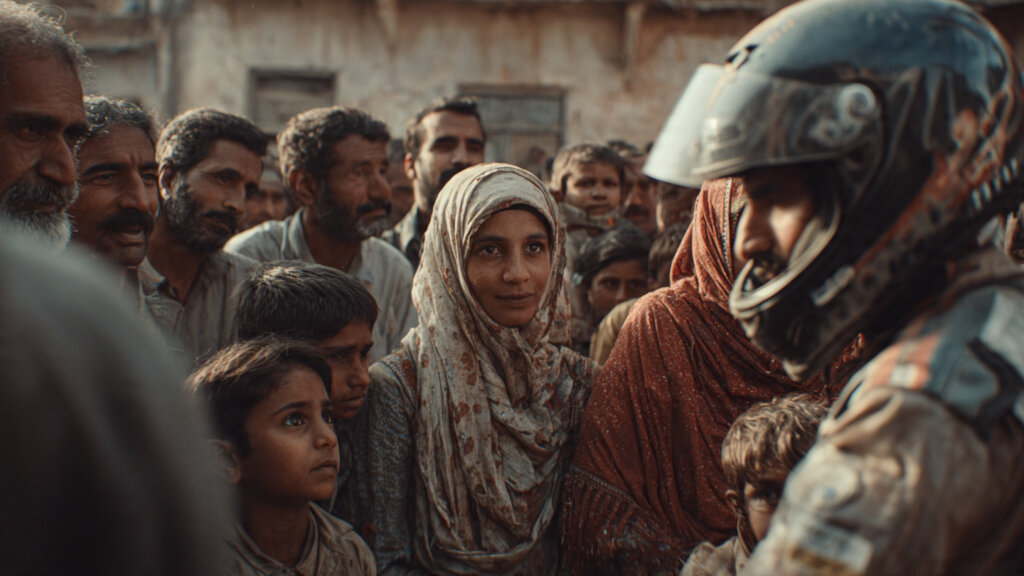
Providing vulnerable riders with access to appropriate protective equipment and practical safety education is a simple, preventive intervention that can contribute to safer journeys.
The project is built around a straightforward principle:
Every rider should have access to basic protection and the knowledge needed to use it correctly.
Long-Term Vision
Moses Welfare Foundation envisions communities where motorcycle safety is treated as a normal part of everyday life rather than an optional expense.
Through helmet access, community education, responsible riding awareness, and continued engagement with vulnerable families, the project aims to help build stronger road-safety habits.
The ultimate goal is to help riders return safely to their families, workplaces, schools, and communities after every journey.
By Mohsin Arif | Project Leader
By Mohsin Arif | Project Leader
Project reports on GlobalGiving are posted directly to globalgiving.org by Project Leaders as they are completed, generally every 3-4 months. To protect the integrity of these documents, GlobalGiving does not alter them; therefore you may find some language or formatting issues.
If you donate to this project or have donated to this project, you can receive an email when this project posts a report. You can also subscribe for reports without donating.



Support this important cause by creating a personalized fundraising page.
Start a Fundraiser