By Anne Roulin | President
Expanding Access to Entrepreneurship training
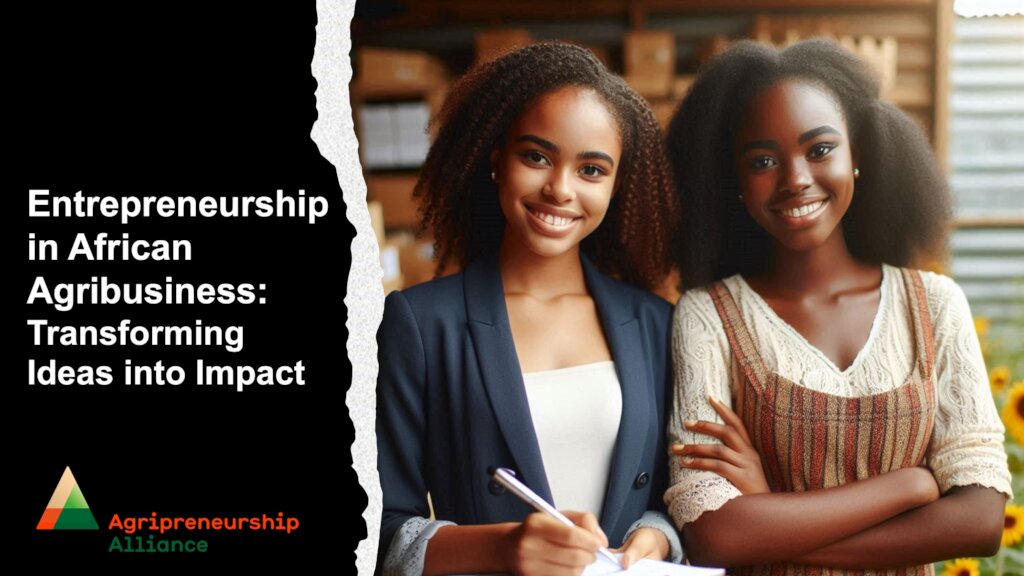
The Entrepreneurship in African Agribusiness (EiAA) course is a flagship learning resource designed to empower current and aspiring agripreneurs with the entrepreneurial skills, business tools, and strategic perspectives needed to succeed in Africa’s dynamic agribusiness sector. The English version of the course is now available on a dedicated Agripreneurship Alliance website, offering accessible, high-quality content for entrepreneurs, students, educators, and agribusiness professionals across the continent.
Applications will soon open for a facilitated delivery of the Entrepreneurship in African Agribusiness course. Beginning on July 7 2026, participants will join a 29-week online learning programme combining the EiAA curriculum with weekly live sessions. practical tools, discussion, and peer learning. The course is designed to support aspiring and early-stage agrifood entrepreneurs, as well as those working to support entrepreneurship within universities, incubators, and development programmes. Participation will be free of charge, with places allocated through an application process.
To further broaden access and engagement, the Agripreneurship Alliance is exploring the development of French and Arabic versions of the EiAA course. This work is being advanced in partnership with our colleagues at universities in the Democratic Republic of Congo and Morocco, whose collaboration is helping us expand the course’s reach to more entrepreneurs in diverse linguistic regions of Africa.
Through these efforts, we aim to make entrepreneurial education more inclusive, strengthen agribusiness ecosystems, and support the next generation of innovators driving sustainable agricultural transformation across the continent.
The Agripreneurship Alliance's CEO Steven Carr recently completed a highly positive and productive visit to Uganda and Kenya, focused on strengthening relationships with universities, innovation centres, and entrepreneurship ecosystem partners working to support the next generation of African agripreneurs. In Uganda, the visit included meetings with Makerere University Technology and Innovations Centre (MUTIC / formerly UNIPOD), CURAD, the Innovation Village, and the School of Agricultural Sciences at Makerere University.
AAAM also spent time with CURAD, our lead ecosystem partner in Uganda, where discussions focused on agribusiness incubation, entrepreneurship training, and opportunities for future collaboration. CURAD continues to expand its activities and facilities, including new incubation and training initiatives linked to formal sector employment and agribusiness development across multiple value chains.
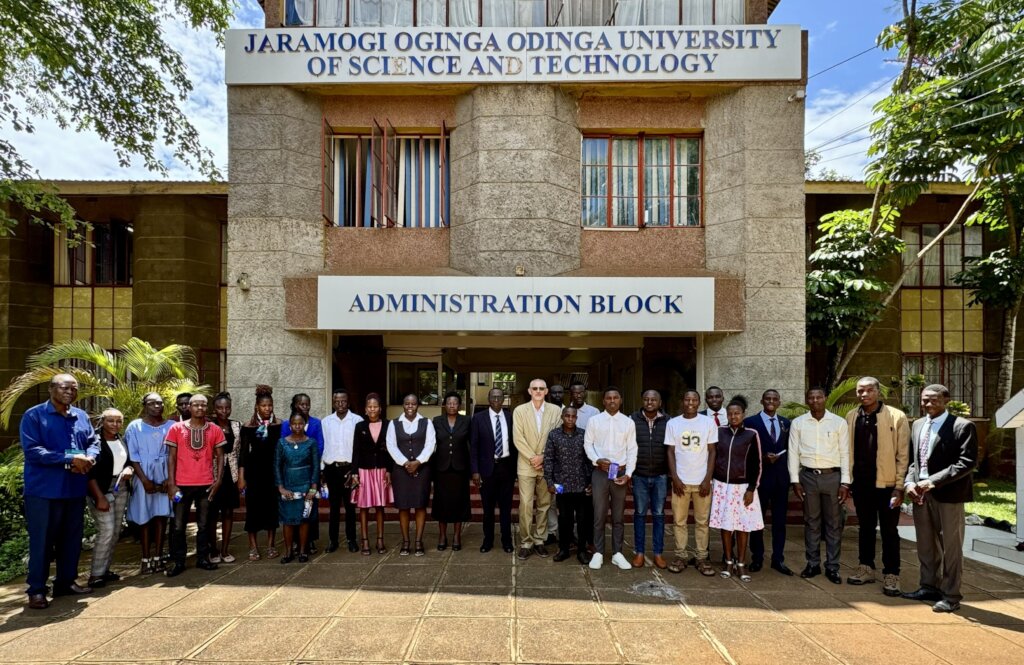
In Kenya, Steven visited Jaramogi Oginga Odinga University of Science and Technology (JOOUST) in Bondo, where he worked directly with faculty and student entrepreneurs from the School of Agricultural and Food Sciences. The visit included intensive entrepreneurship workshops, student pitching sessions, and mentoring activities linked to their implementation of the Entrepreneurship in African Agribusiness training. A particular highlight was watching students move from initial hesitation to confidently delivering structured business pitches within just a few days. The workshops explored agribusiness innovation, value addition, and entrepreneurship opportunities linked to activities such as coriander, mushroom, groundnut, pumpkin, and seedling production. The visit also included engagement with JOOUST’s Centre of Excellence in Insects as Food and Feed, where the university is undertaking innovative work around black soldier fly, cricket, and locust farming as part of future food and protein systems.
Across both countries, the visit reinforced the importance of strong institutional partnerships, practical entrepreneurship education, and ecosystem approaches that connect students, entrepreneurs, researchers, and support organisations.
Links:
Project reports on GlobalGiving are posted directly to globalgiving.org by Project Leaders as they are completed, generally every 3-4 months. To protect the integrity of these documents, GlobalGiving does not alter them; therefore you may find some language or formatting issues.
If you donate to this project or have donated to this project, you can receive an email when this project posts a report. You can also subscribe for reports without donating.



Support this important cause by creating a personalized fundraising page.
Start a Fundraiser