By Moses Tabe | Executive Director
INTRODUCTION
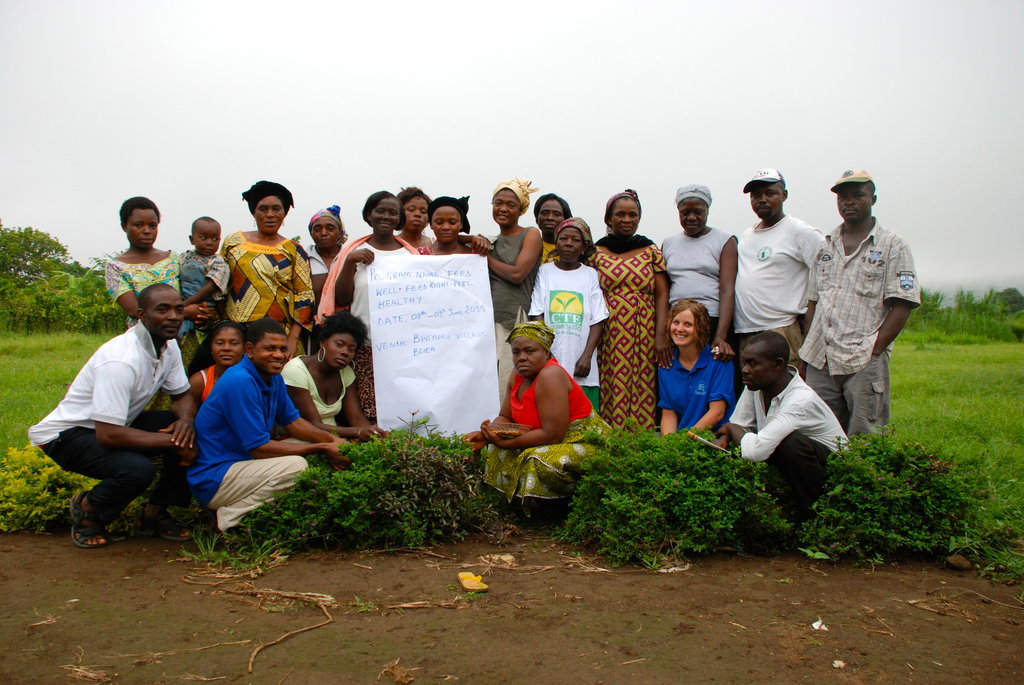
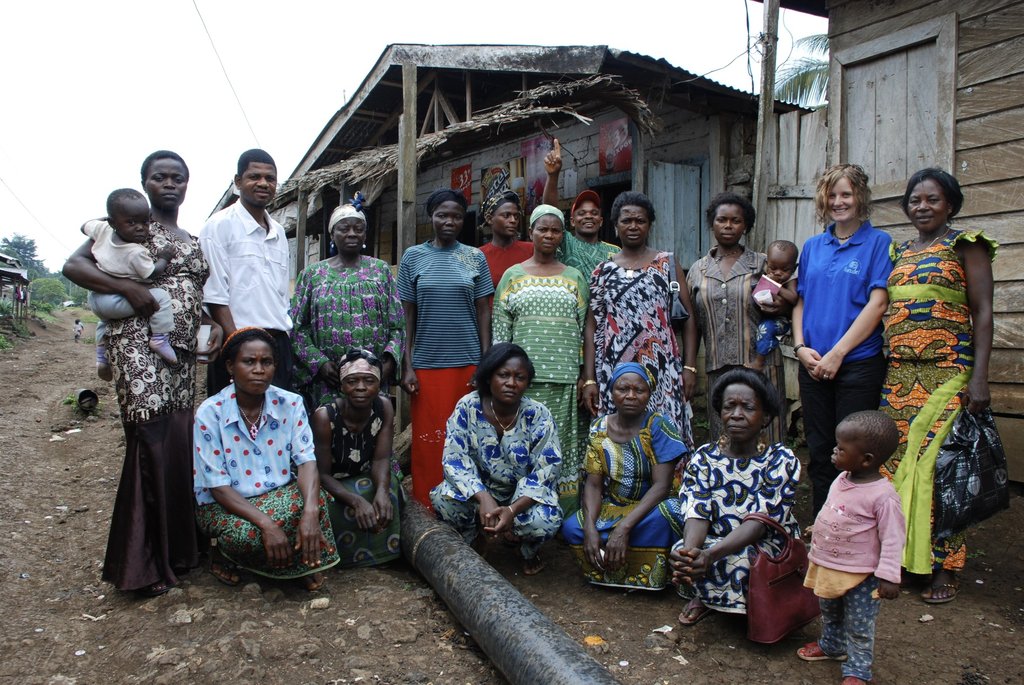
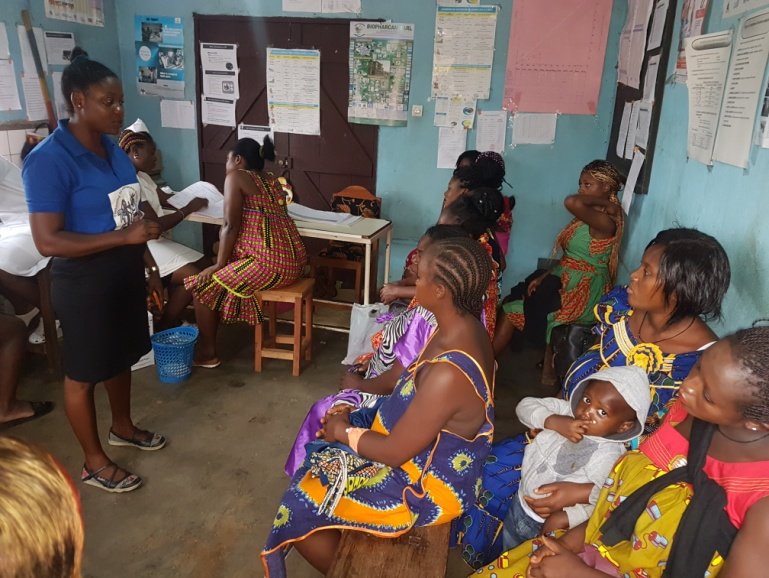
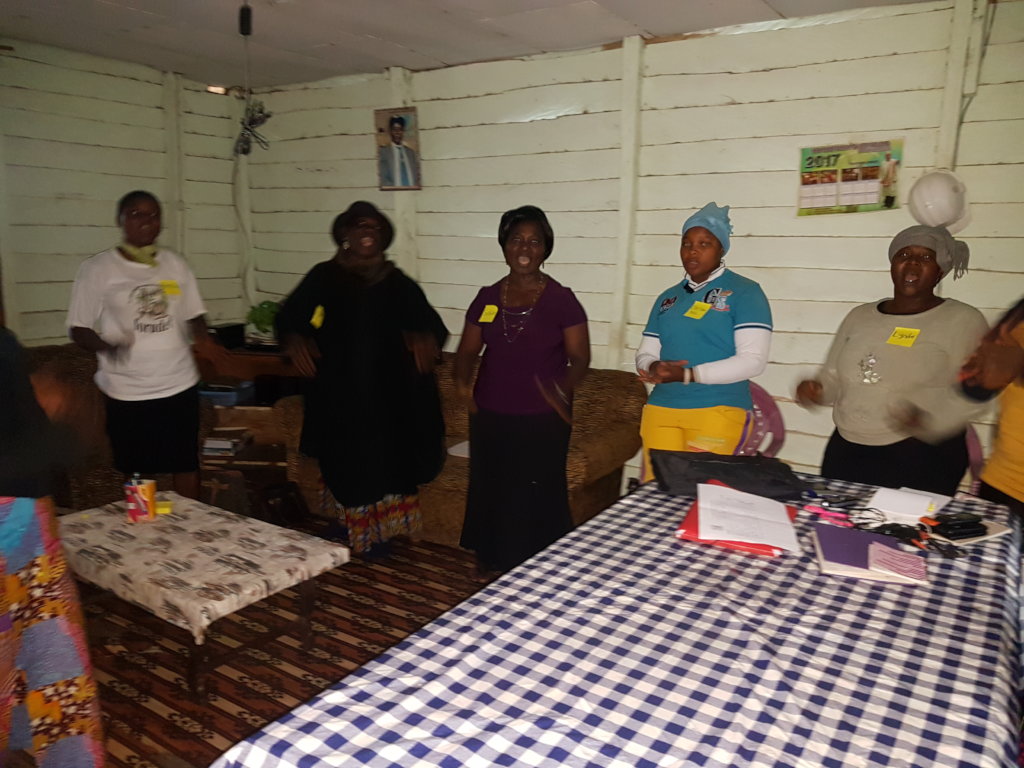
Most rural communities suffer from poor nutrition not because the resources are not there but due to limited knowledge on preparing a balanced diet. FORUDEF over the years has been training groups in the communities on the nutrition. This time it was the turn of “Strugglers CIG”, Wonja village. The training started with the registration of participants followed by opening prayer and self-introduction. It was necessary for FORUDEF to know participants expectations, fears, common diseases and types of foods consumed by the participants. This was to enable the FORUDEF team to meet the desires of the participants.
WORKSHOP EXPECTATIONS
The participants’ expectations included the following:
FEARS FROM PARTICIPANTS
1. Balanced diet will be so costly
2. Training may take too much of their time
3. Turn out of the training may be discouraging
4. Going back to their traditional ways of cooking after acquiring knowledge on healthy diet
Common Foods eaten by members of Strugglers in Wonja community
Common Diseases in WONJA Village
1, Common cold
3. Malaria
4. Anemia
5, Typhoid
6. Fever
7. Worm
After the brainstorming session, the facilitator assured the participants that she would address their fears and expectations.
Understanding Balanced Diet
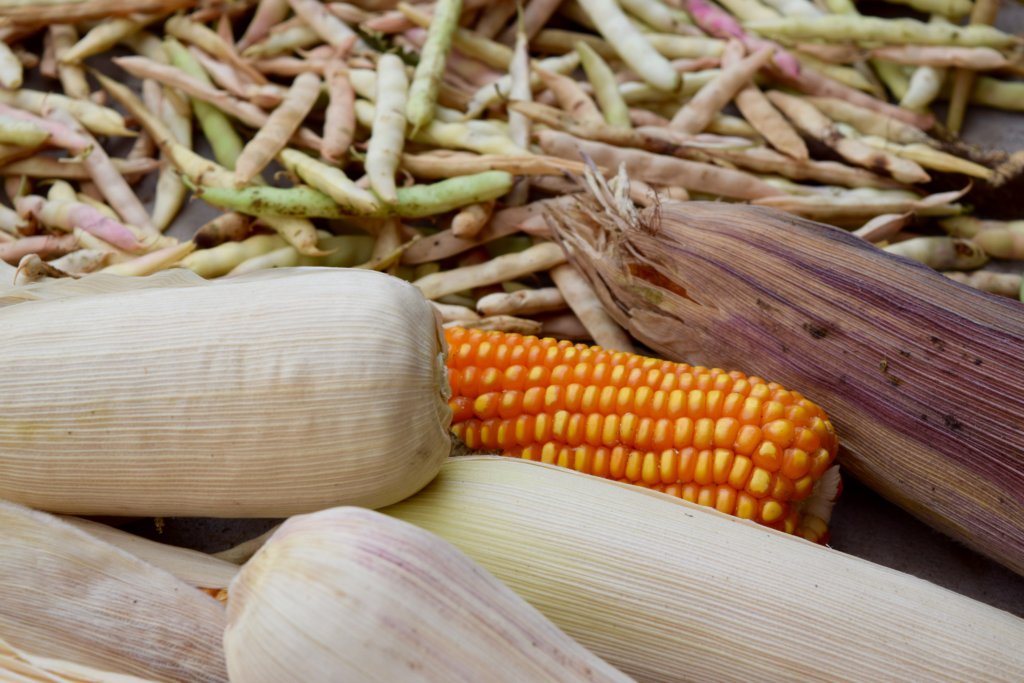
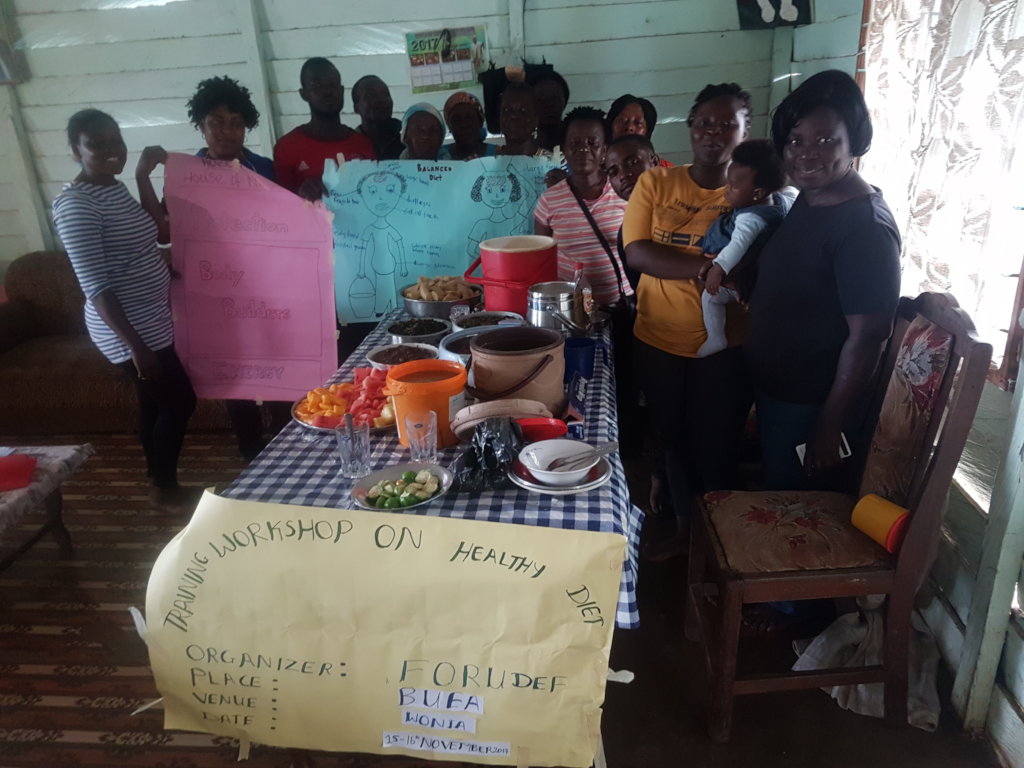
The training session for healthy diet was divided in to three sections, beginning with the different classes of food. The first section was about carbohydrate - the role it played in our bodies and the quantity our bodies needed for growth. She went on to explain that carbohydrate intake should be of normal quantity, (25%). She exemplified foods that gave energy - cocoyam, yams, plantains, corn fufu, rice, cassava, garri , bread, spaghetti and potatoes and much more. In conclusion, the facilitator illustrated that carbohydrate was like the foundation of a house that gave energy and made us full when we took our meals. The trainees were encouraged not to eat much of carbohydrate foods as our body needed just a little to be healthy. The trainees were given different cards which contained all the different types of foods to place in a chart called the House of Nutrition. This exercise was to evaluate the trainees if they can identify the different classes of food.
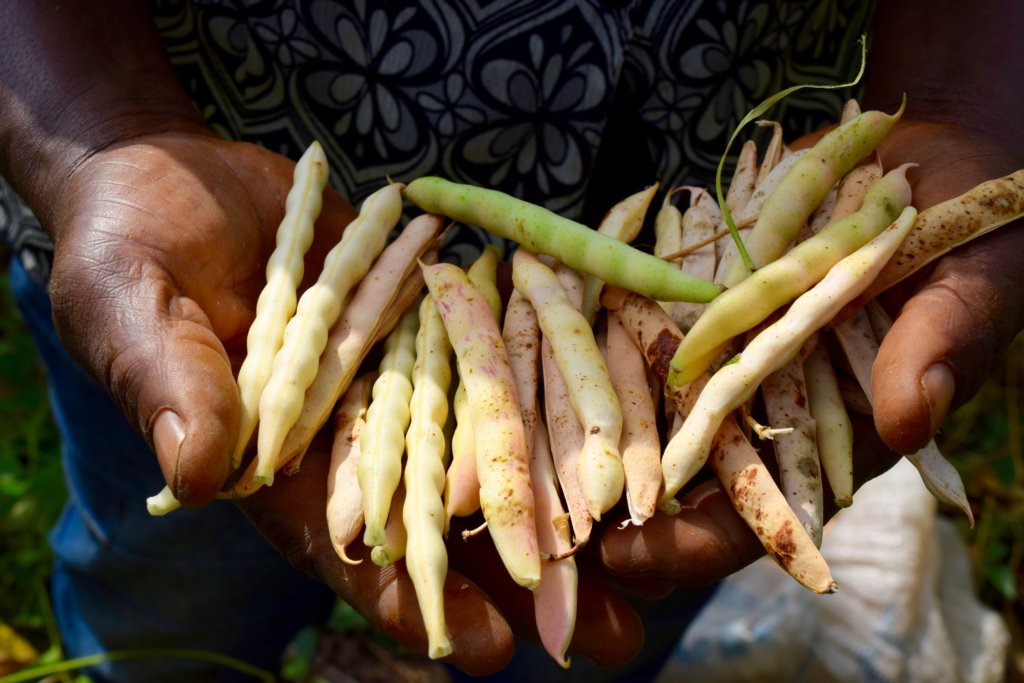
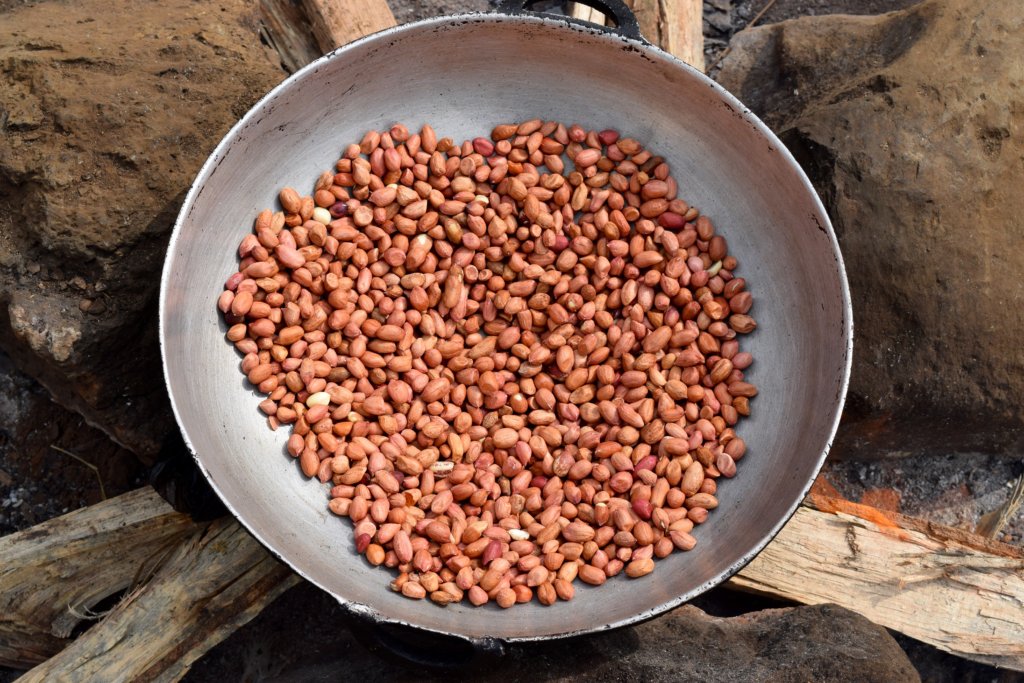
The second section of the training was on protein. The facilitator began with an illustration of the function of protein in the human body and the quantity needed in order to be healthy. She used the same structure of a house and illustrated protein as the walls, for growth and development of the human body. Participants were reminded that it was more disastrous to be deficient in protein because this could lead to manyhealth problems like Kwashiorkor, diarrhea, poor brain development, weak muscles and much more. She exemplified some food types rich in protein - meat, fish, soya beans, beans, groundnuts, egusi, cashew nuts, Cray fish, snails and much room. Finally, they were encouraged to go for affordable sources of proteins like beans, groundnut, and soya beans which they themselves cultivate.
The last section of the training was on vitamins and minerals considered as the “roof of the house”. The facilitator explained that the vitamins and minerals were like the roof of a house. She went on to indicate some sources of vitamins and mineral including fruits, vegetables and water. She laid emphasis on the necessity to consume fruits on daily basis as they acted as one of the main players of our nutrition and very necessary for our growth, development and resilience of the immune system.
Practical Session
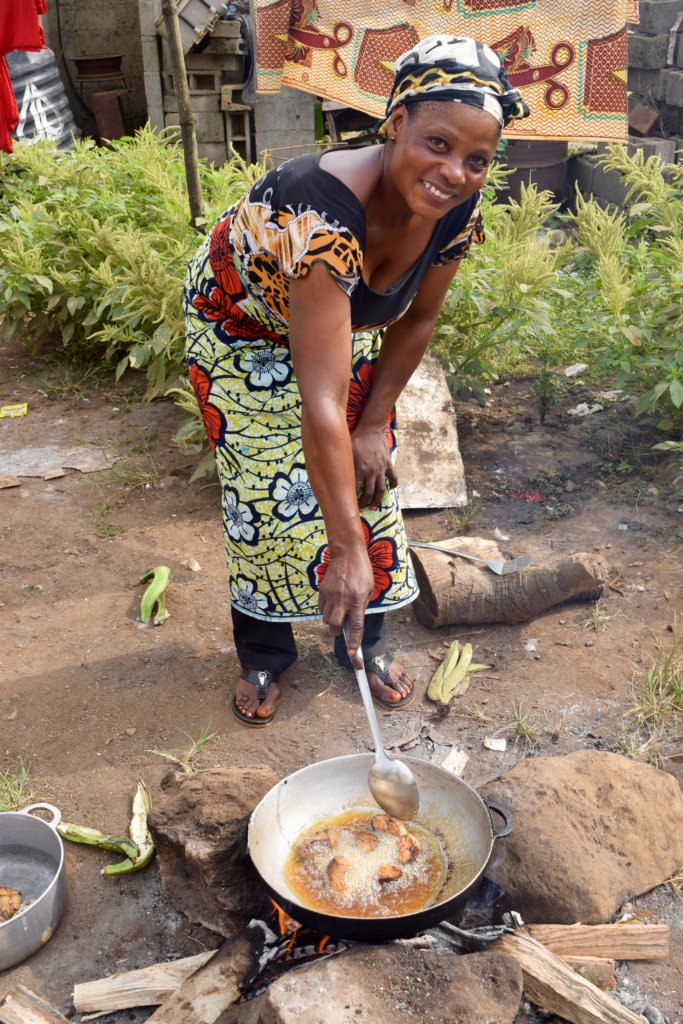
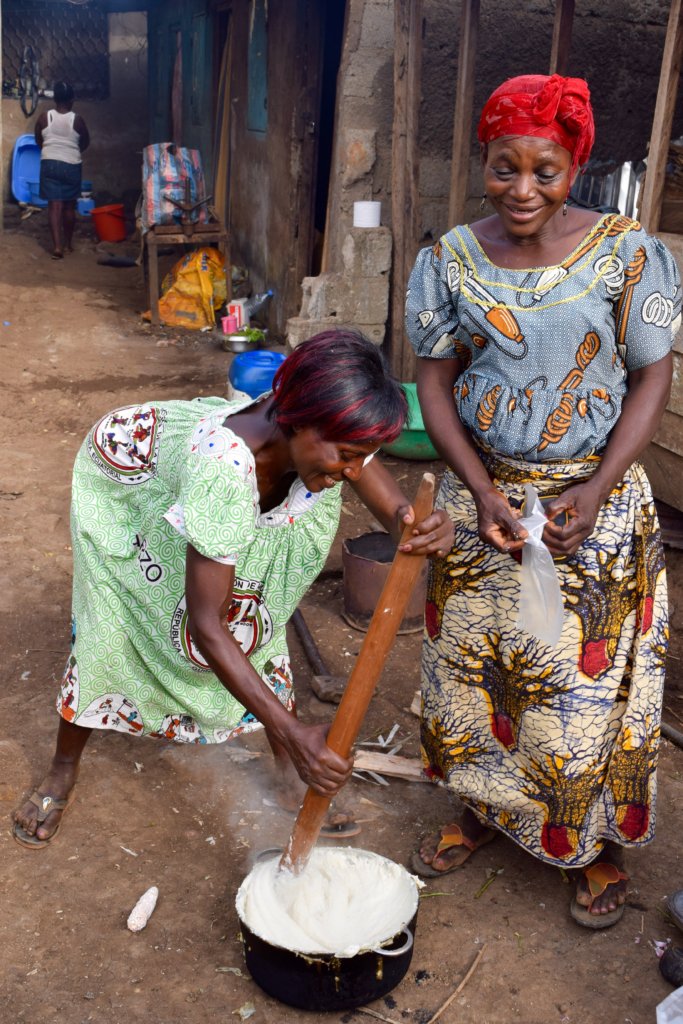
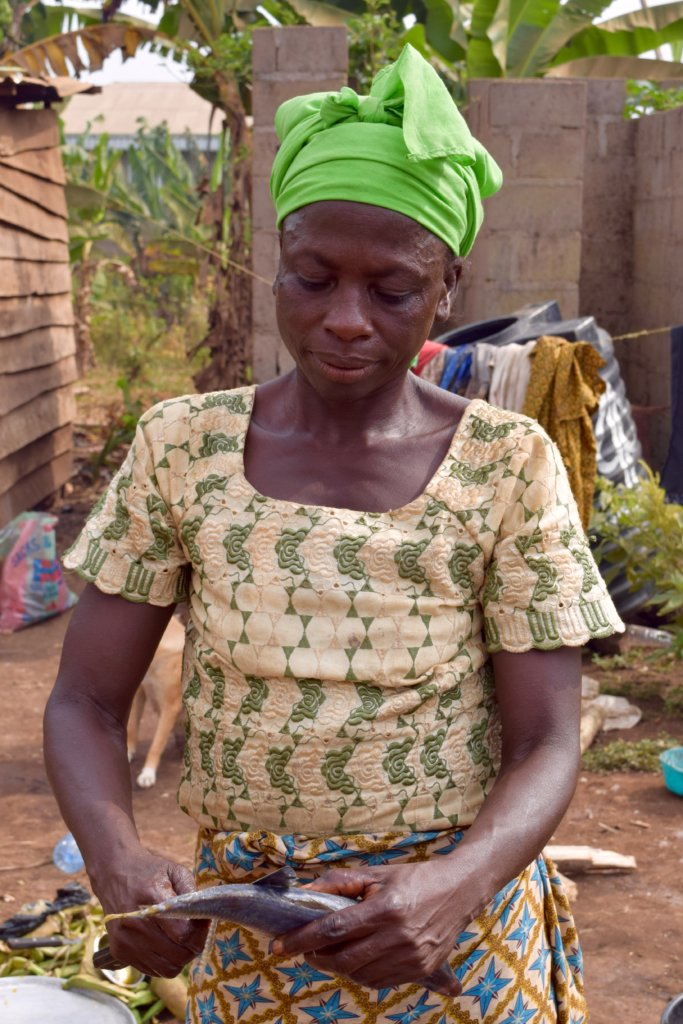
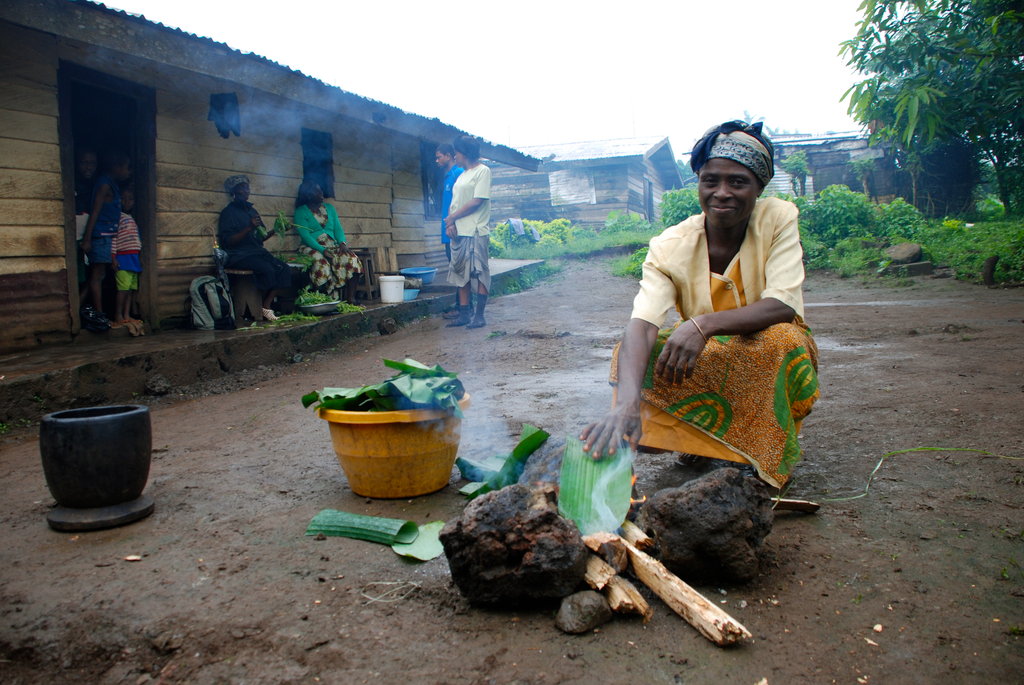
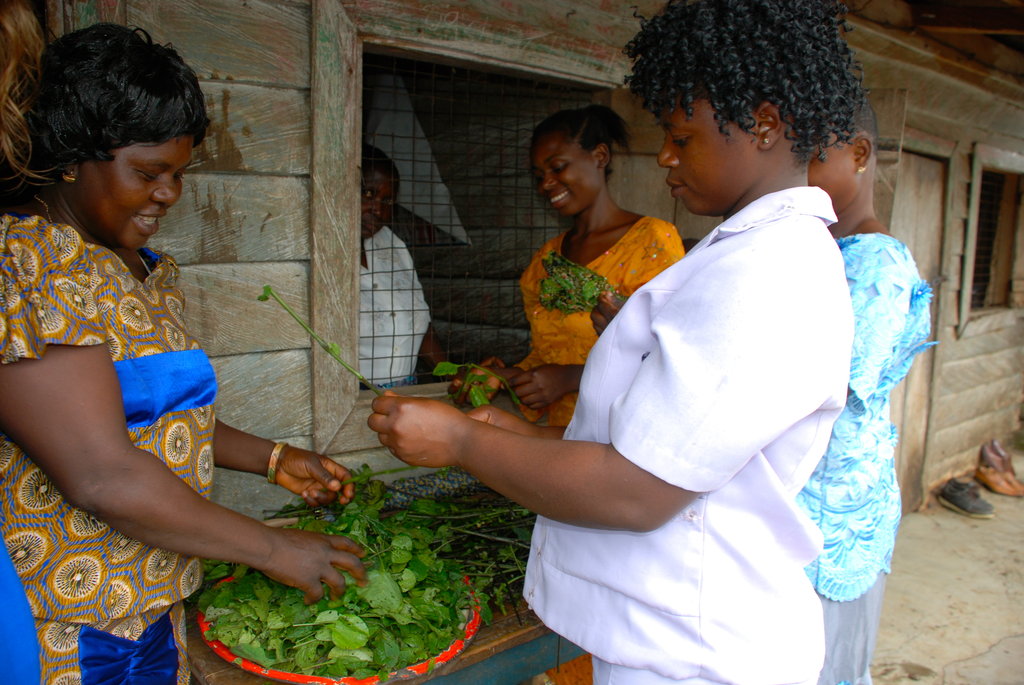
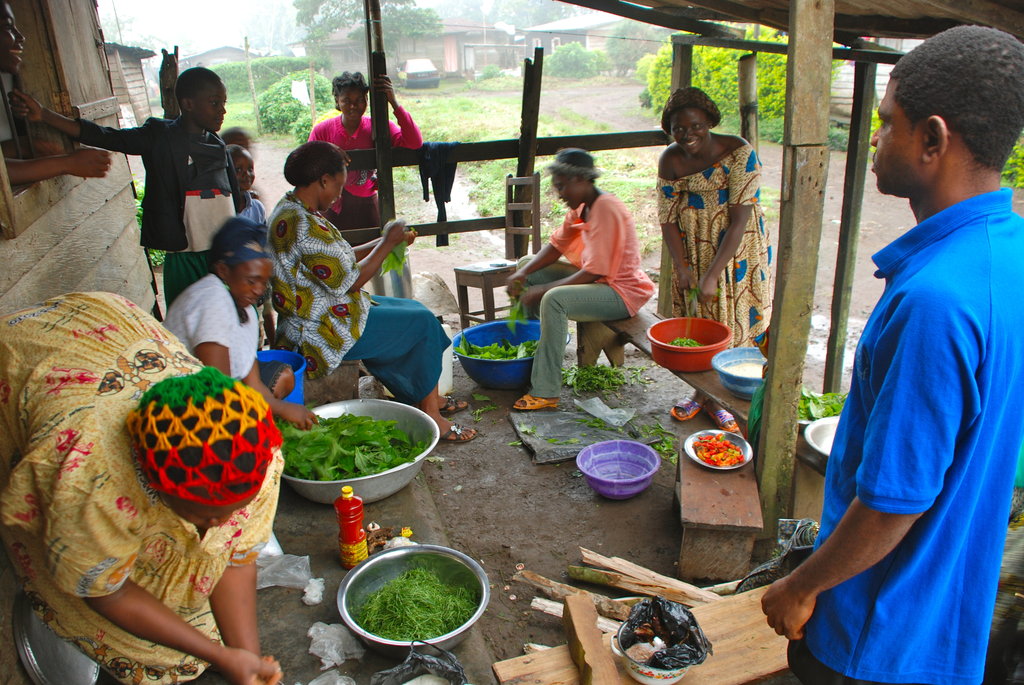
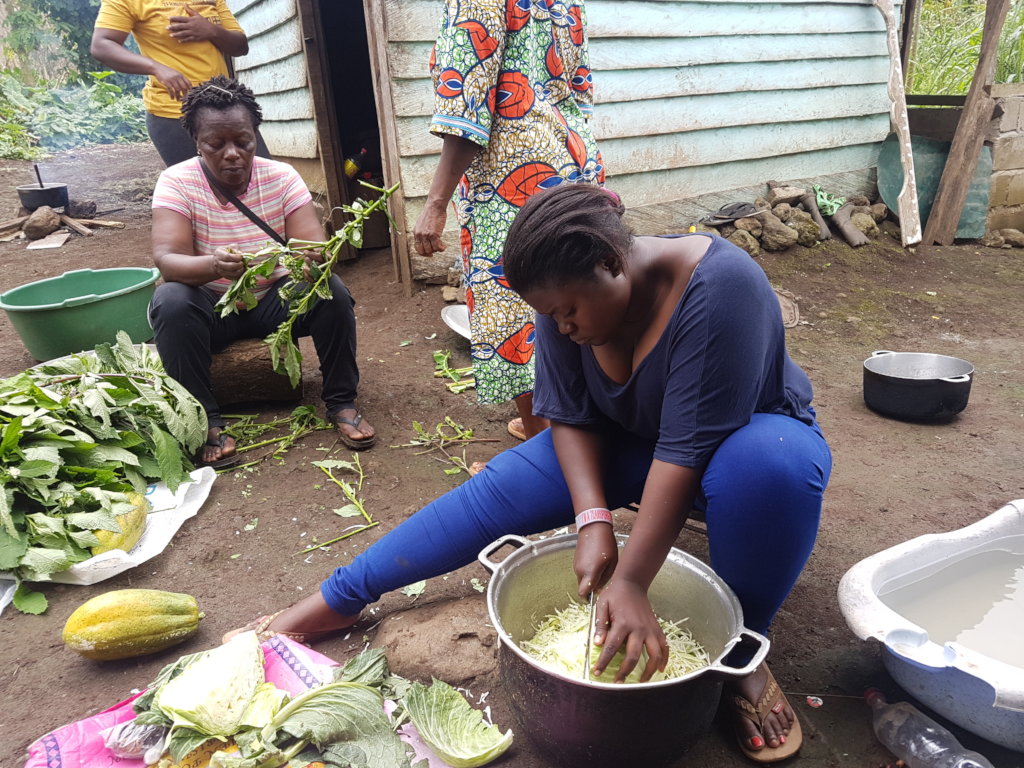
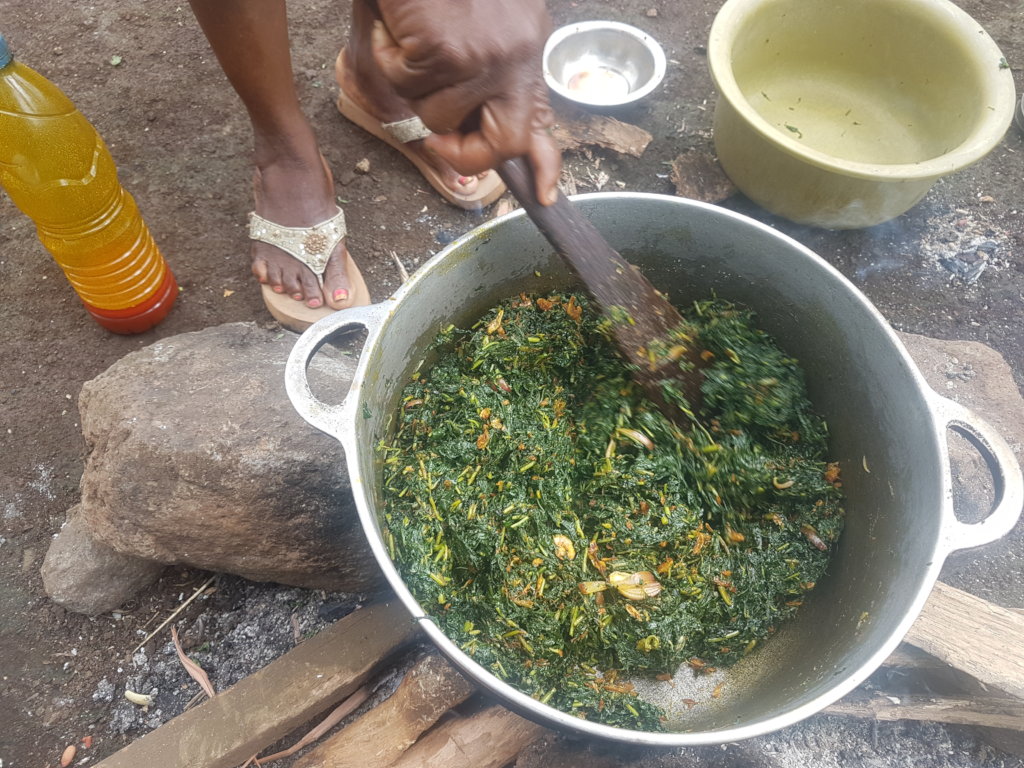
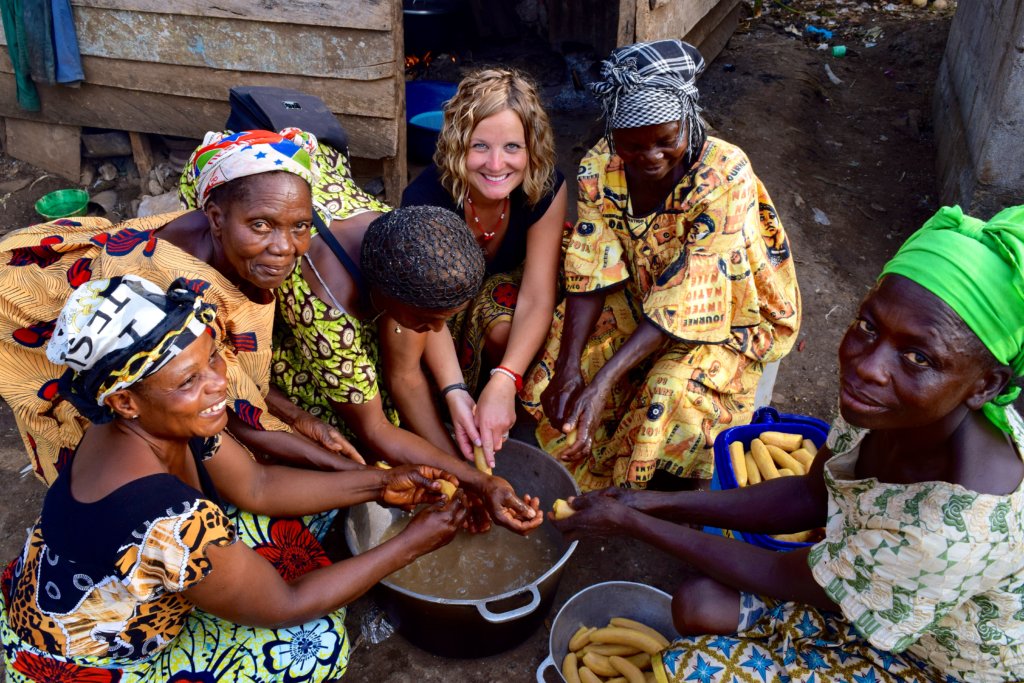
The training continued with the practical session which commenced at 9:30 am. The participant of Smugglers CIG were given the opportunity to prepare their food first which the FORUDEF team closely watched them cooking. The women prepared Ekwang, sweet better leaf commonly known as ‘’Bekang,’’ boiled plantain and cassava. In the preparation of the sweet better leaf ‘’ Bakang’’ the women prepared it in the traditional way. The vegetable was picked, sliced, boiled and squeezed before preparing with bush onions, smoked fish and Cray fish, while the Ekwang was properly spiced with local spices, cray fish, and smoked fish.
On the part of FORUDEF, beans, huckle berry, cabbage, groundnut soup, groundnut paste and pineapple and water melon were prepared. In the process of preparation, the women all gathered in the kitchen to learn new cooking techniques and the healthiest way of cooking even without meat. Most of the food was prepared using the boiling method. What pricked their mind was how vegetable (huckle berry and cabbage) was prepared without squeezing the after steaming for 3-5 minutes. The next was how green vegetable was included in beans in order to make it balanced. Cray fish and dry fish were included in all the dishes.
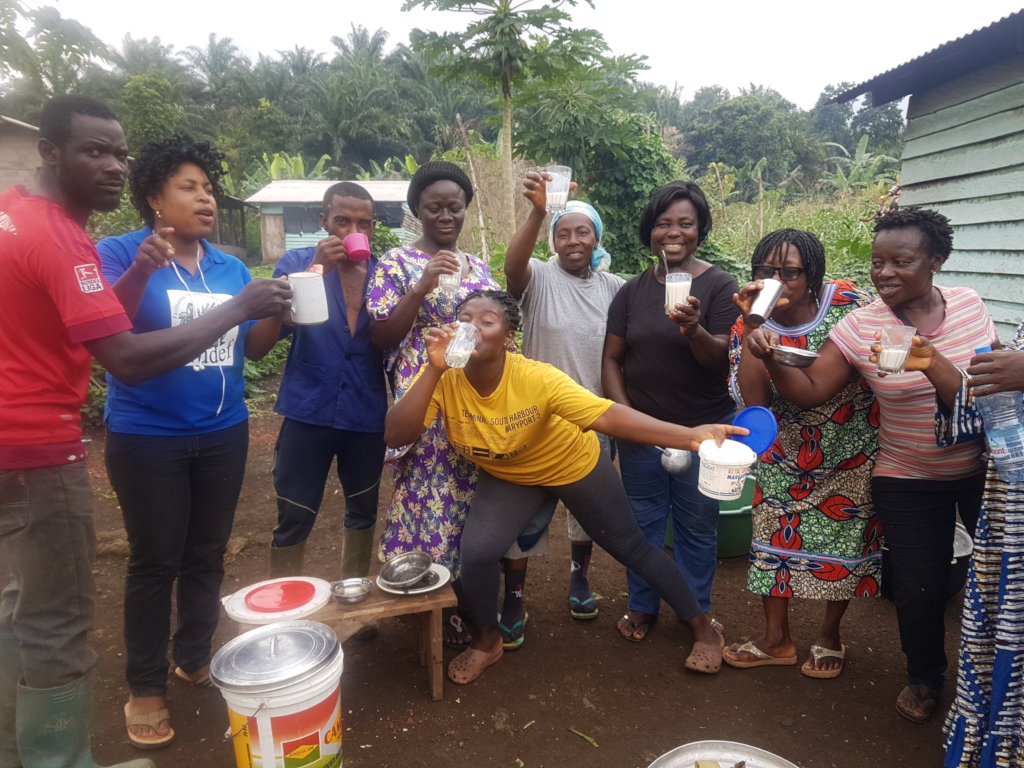
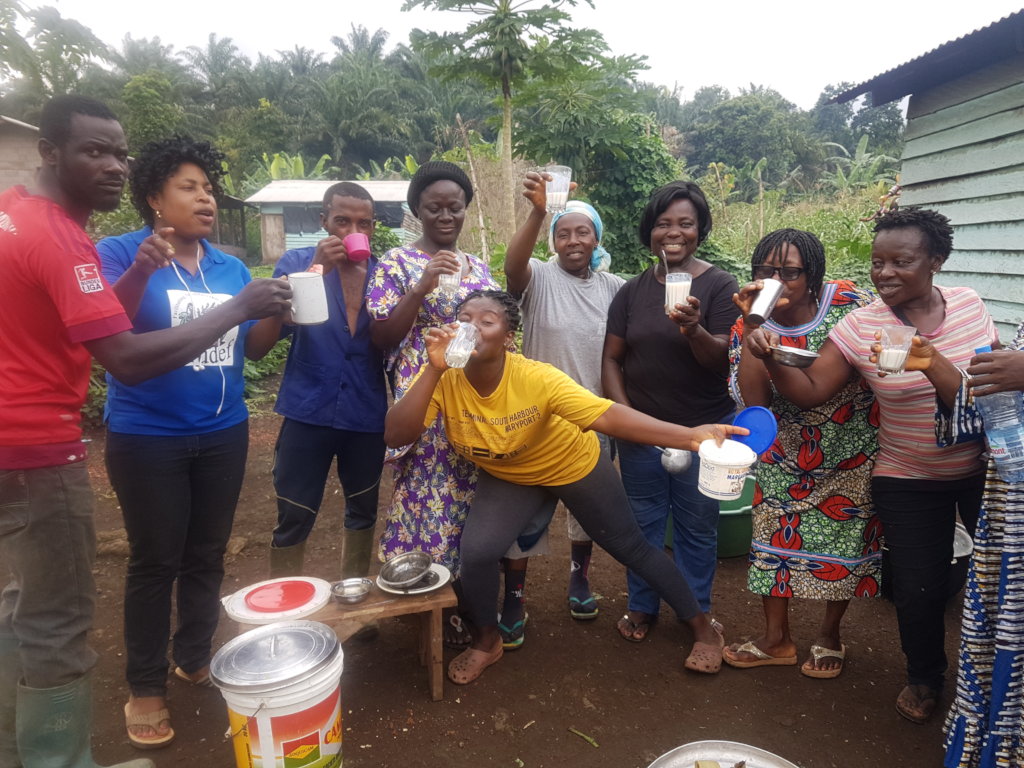
They were very happy and promised not to go back to their traditional ways of cooking while fruits and vegetable will be included in every meal. The training ended with the FORUDEF team and trainees consuming their balanced meal prepared.
Conclusion
The training was successful and we hope to see an improvement in the feeding habit of the community of Wonja and also hope to go back for the last two phases of the training as we wait for the planting season.
Project reports on GlobalGiving are posted directly to globalgiving.org by Project Leaders as they are completed, generally every 3-4 months. To protect the integrity of these documents, GlobalGiving does not alter them; therefore you may find some language or formatting issues.
If you donate to this project or have donated to this project, you can receive an email when this project posts a report. You can also subscribe for reports without donating.



Support this important cause by creating a personalized fundraising page.
Start a Fundraiser