By Moses Tabe | Project Leader
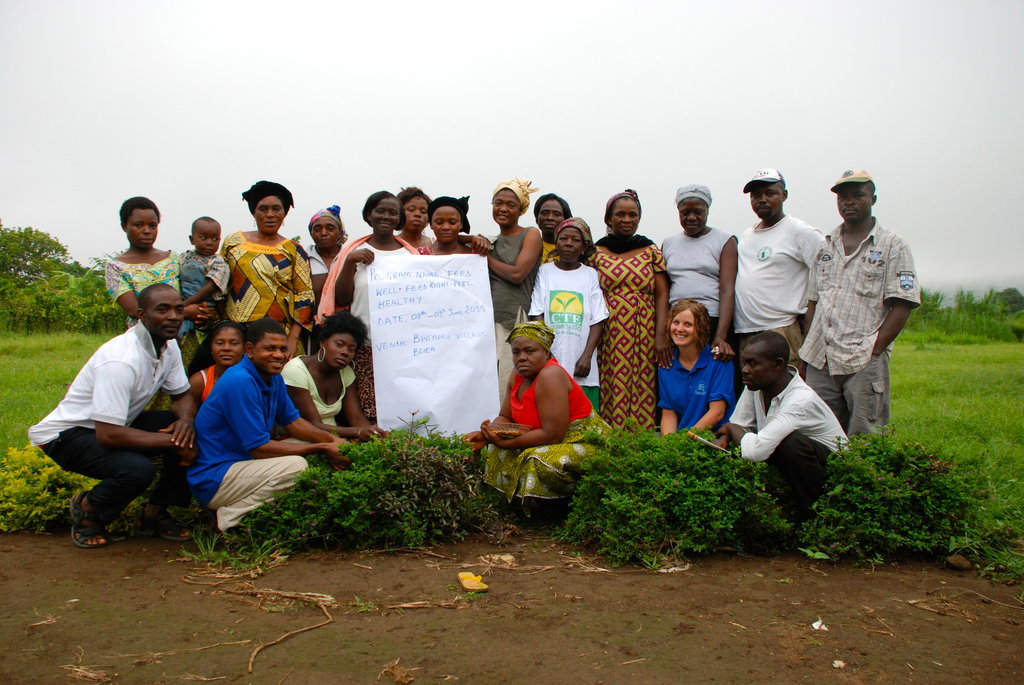
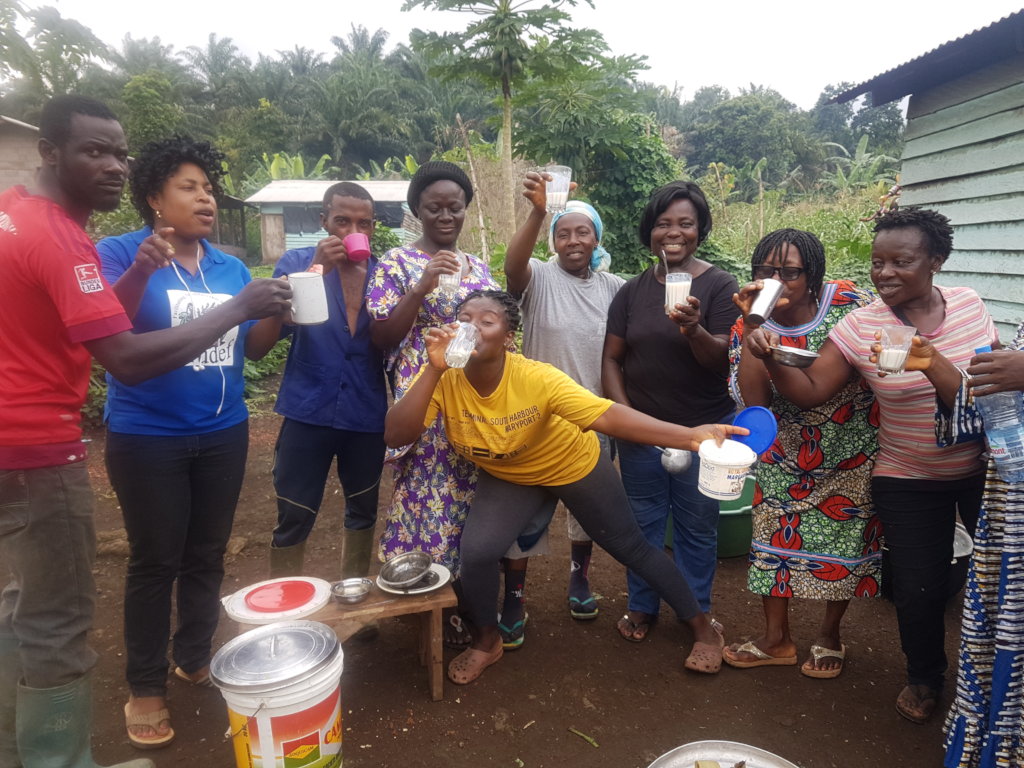
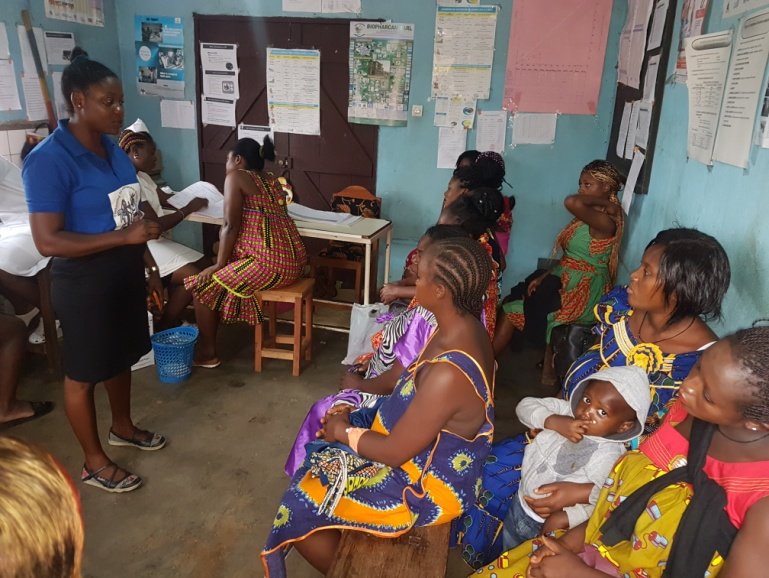
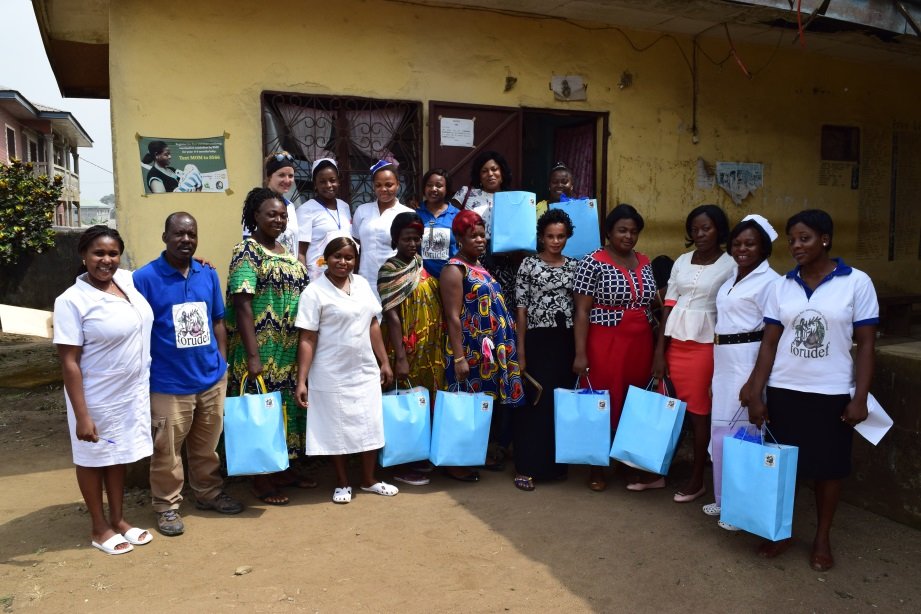
Our last activity on this project was a study on malnutrition. Following the study of 8 villages to evaluate the prevalence of malnutrition in the Akwaya area, we have held sensitisation talks with some women’s groups in the area. In addition, there is an on-going research/survey on nutrition in 30 villages in Akwaya Subdivision. The results will be published in our subsequent reports.
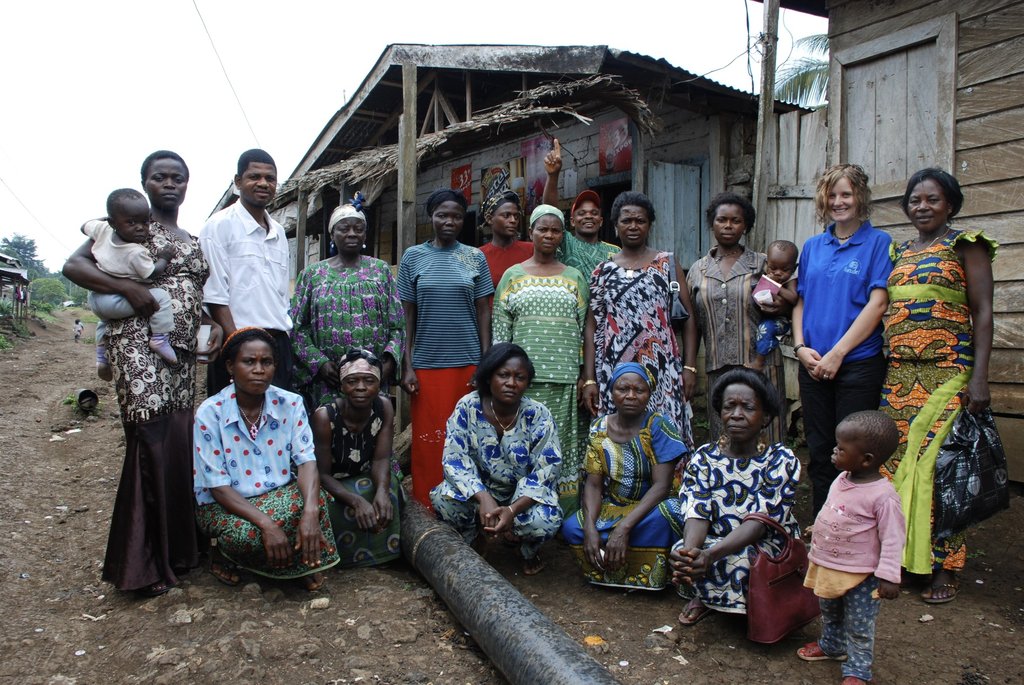
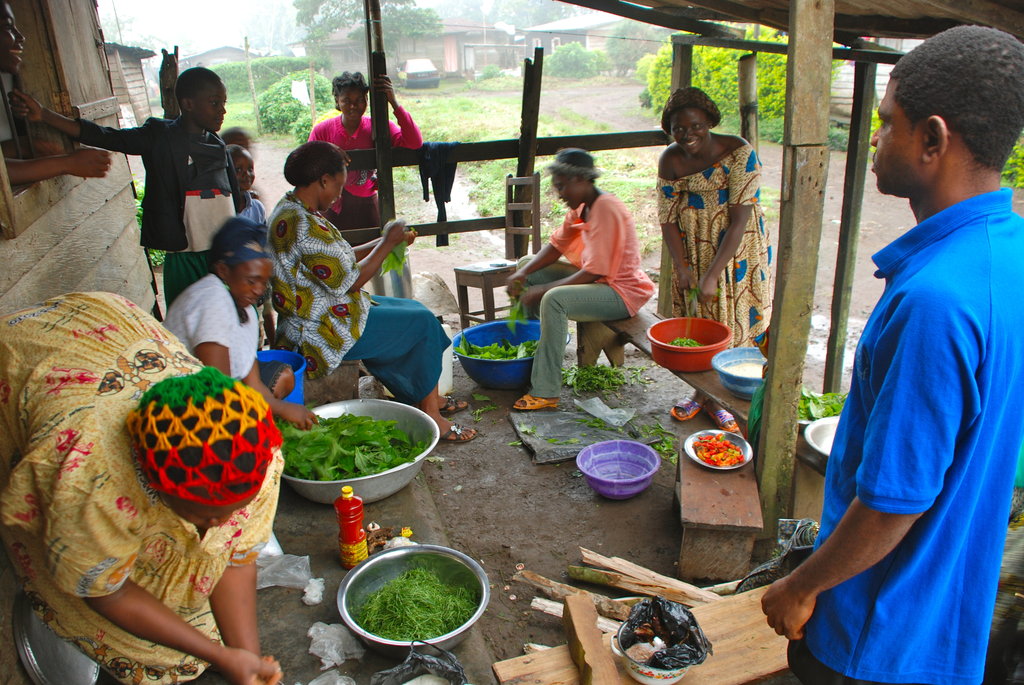
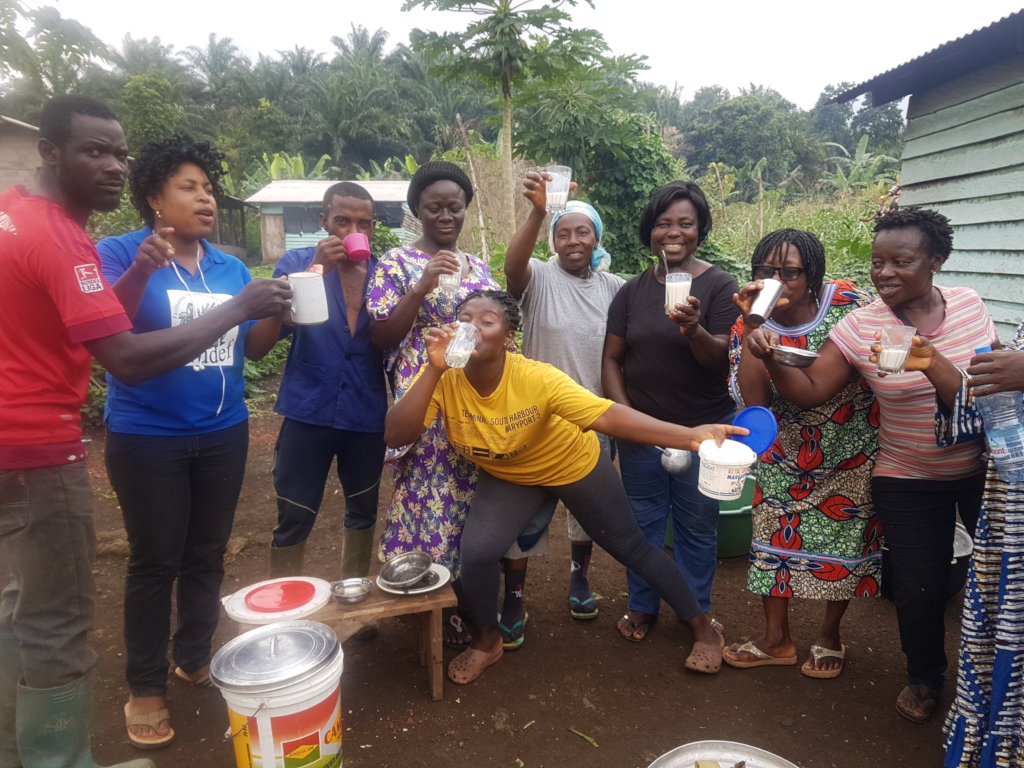
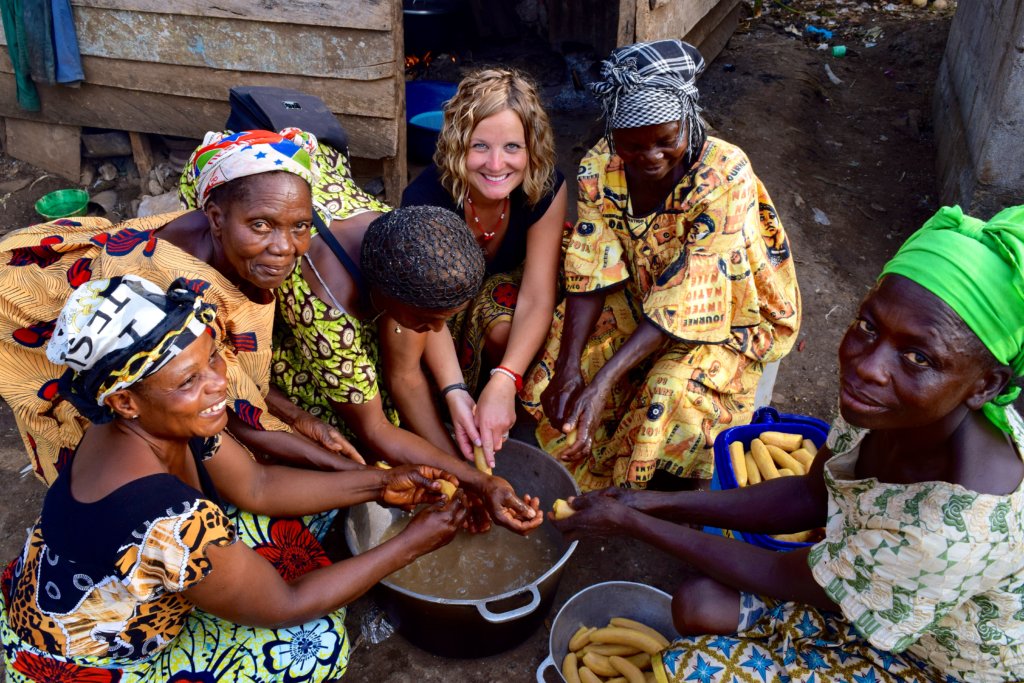
Many women have expressed interest to be trained on nutrition and organic farming. The Healthy Diets project, since its inception has been touching the lives of many women and children in particular and the communities of Akwaya and Buea, and the South West Region in general. Women of different villages have benefited from our nutrition and organic farming trainings since 2011.
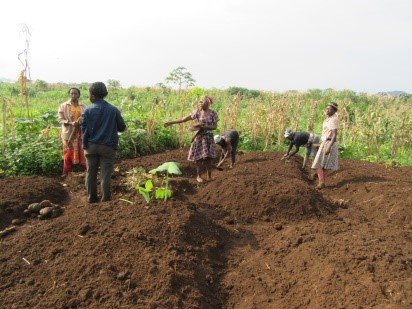
This time we were at Ekona village working with the Ekona Women CIG.
The Ekona Women’s CIG
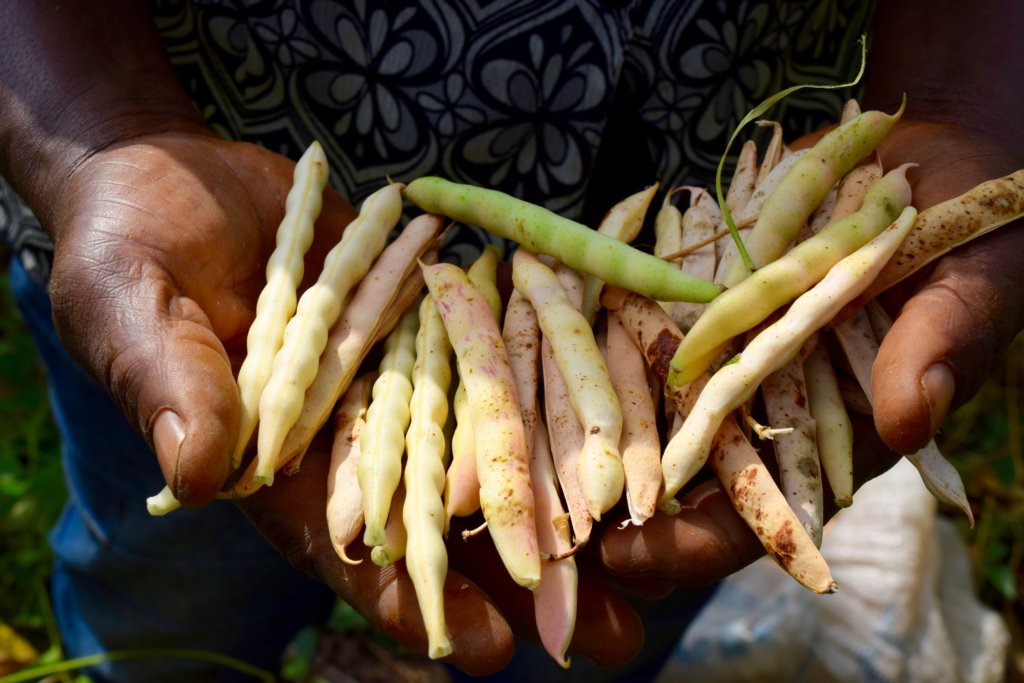
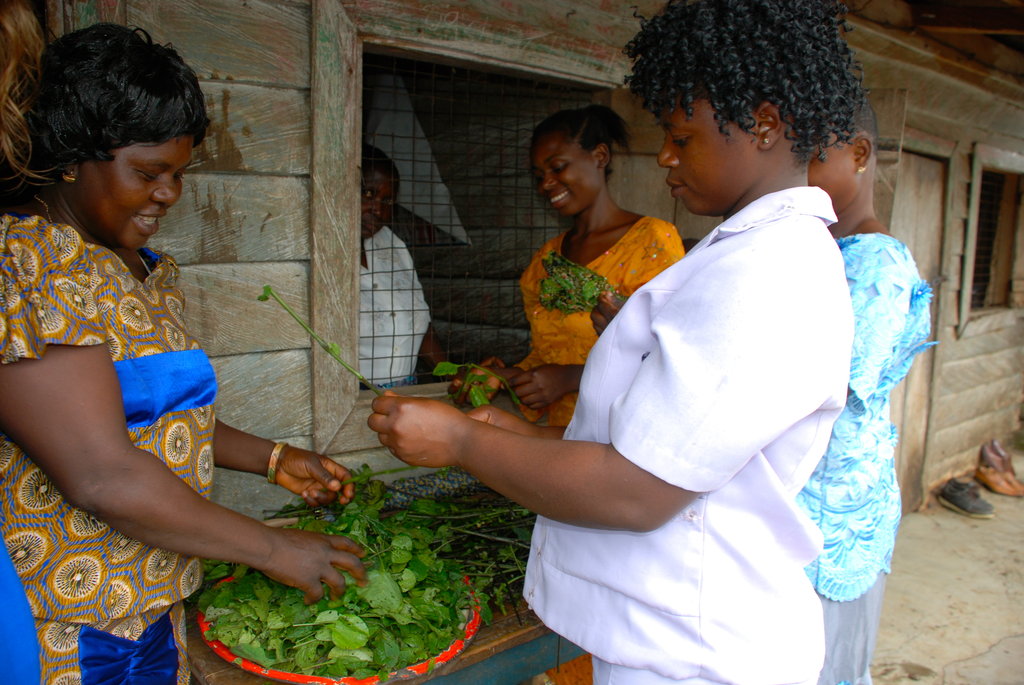
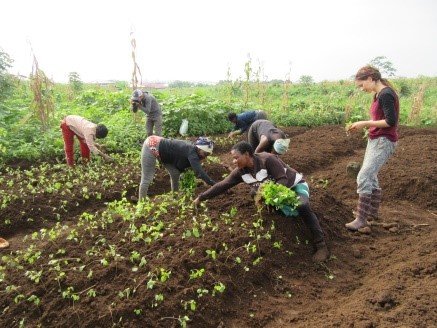
This group is made up of women farming vegetables as a source of income. Sixteen members (16) of the group received training on organic vegetable and beans farming. The women were also trained on basic nutrition practices as per the designed modules of FORUDEF to improve on diet. After receiving lectures on balanced diet, the women were drilled on organic vegetable cultivation.
The women were prone to using chemical fertiliser to boost the production of vegetable. However, with the knowledge acquired through on-farm training the women of the Ekona Women Common Initiative Group (EWCIG) are now practising the use of organic manure which equally enhances their harvest and makes the product safer for consumption. The vegetable will stay on farm for three months and be ready for consumption. Furthermore, the women sell some of these vegetables and use the income for other household needs.
Testimony
Following the harvest of the vegetable they planted, Mrs. Maciana testified as follows:
“We have using costly fertilizer to grow our crops and sometimes the harvest is not much. This time we used fowl droppings and pig dung and the harvest is wonderful. We sold some vegetable and we ate some at our homes. It is an experience we would continue to uphold. Thanks to FORUDEF and those who support their work. We are grateful”.
The women have found it cheaper to use organic manure – household wastes through composting and animal dung to fertilize their crops instead of taking the risk of chemical fertilizer.
We are grateful to our donors who have contributed to improving the health of over 500 mothers and 1000 children, since 2011, through their generous donations to train on nutrition and provide seeds for growing vegetables and other staples targeted by this project. Growing food crops organically is gradually permeating the agricultural pattern of food crop farming out here in the areas where we work.
We remain indebted to your generosity.
Project reports on GlobalGiving are posted directly to globalgiving.org by Project Leaders as they are completed, generally every 3-4 months. To protect the integrity of these documents, GlobalGiving does not alter them; therefore you may find some language or formatting issues.
If you donate to this project or have donated to this project, you can receive an email when this project posts a report. You can also subscribe for reports without donating.



Support this important cause by creating a personalized fundraising page.
Start a Fundraiser