By Moses Tabe | Executive Director
Nutrition Report on Healthy Diets (Training) in Akwaya
1. INTRODUCTION
After a test phase of the nutrition program in some villages and groups around Buea Subdivision of Cameroon, the program was now taken to Akwaya Subdivision where malnutrition and under nutrition are most pronounced and endemic.
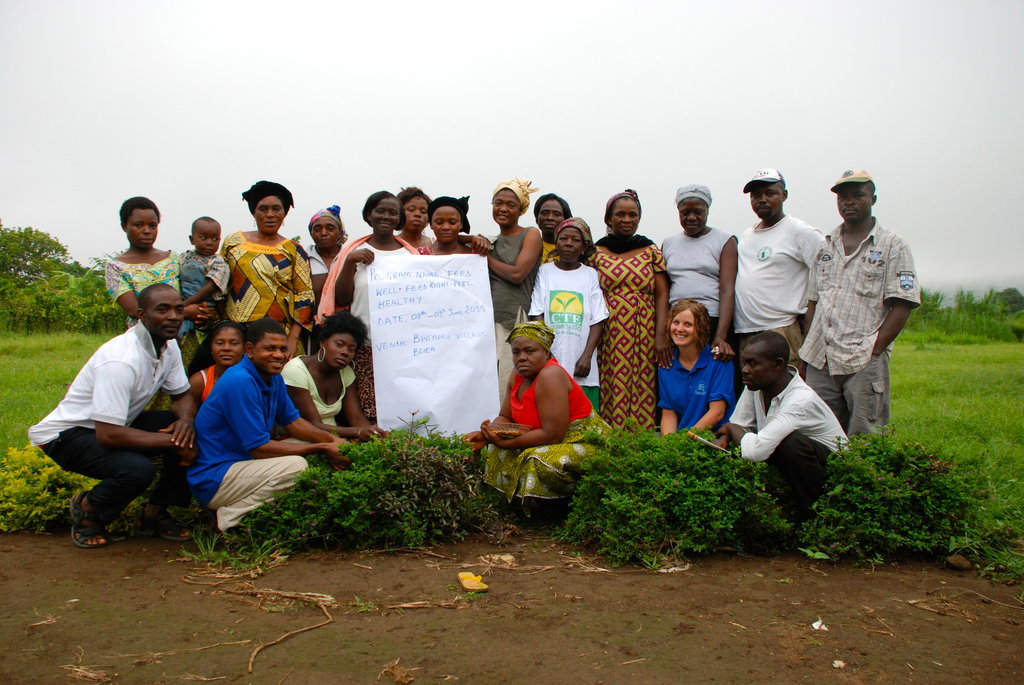
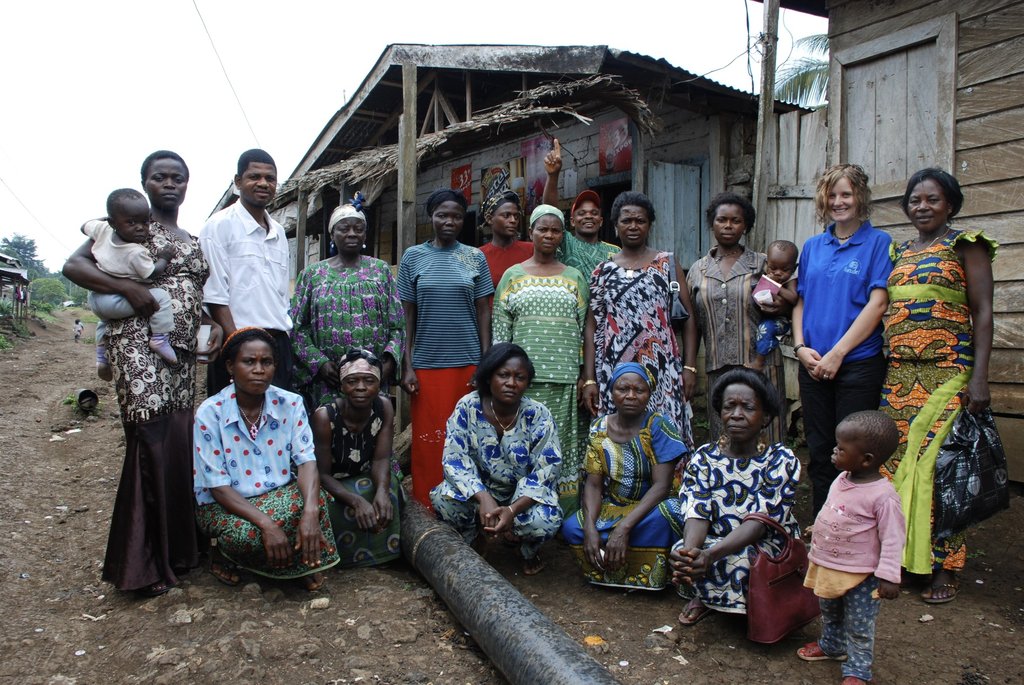
Some of the villages in Akwaya that the nutrition program was conducted in were: Ote, Bachama, Bandolo, Kelou, Tava and Eshobi. A total of eight women’s groups participated in the training of phase one, phase two was not conducted since the groups size were not too large, and phase three with the cooking practice. A total of 82 women and 2 men were trained in 3 training workshops conducted in 3 villages. All the group members were very active to learn new ways of preparing food that will help to curb diseases among their children and families.
2. PART ONE
2.1 OBJECTIVES
Unlike other communities, the Akwaya subdivision of Cameroon is difficult to access. During the preparatory segment of the training, the objectives were:
2.2 EXPECTED RESULTS
3. PLANNED ACTIVITIES
In line with the ‘methodology guide’ of FORUDEF, activities during the preparatory part of this training included the following:
All of these were done in one day in the different villages.
4. THE PROCESS – PART ONE
4.1 MEETING/CONTACT VISITS
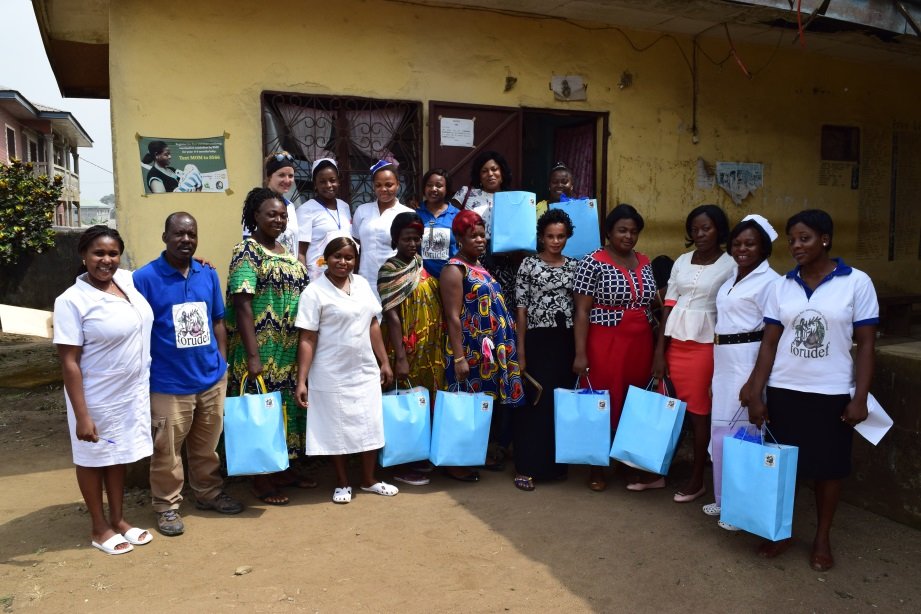
On arrival in each village, we presented ourselves to the different communities’ leaders. They were welcoming in all the cases. Taking time off was not anything they would want to do but they understood the need for the women to be part of the nutrition training.
4.2 FORGING COMMUNITY PARTNERSHIP
We talked to the community representatives about our mission. The emphasis was on our concern about the malnutrition and under nutrition situation in Akwaya Subdivision and how much it was affecting the lives of children and pregnant women. We gave some examples of the causes and effects of malnutrition and under nutrition of children and pregnant women using some posters prepared by FORUDEF staff.
4.3 SET COMMUNITY INDICATORS
The indicators included the mobilization of women and active participation. All the villages simply used town criers and group announcements to inform their members.
4.4 GATHERING OF INFORMATION
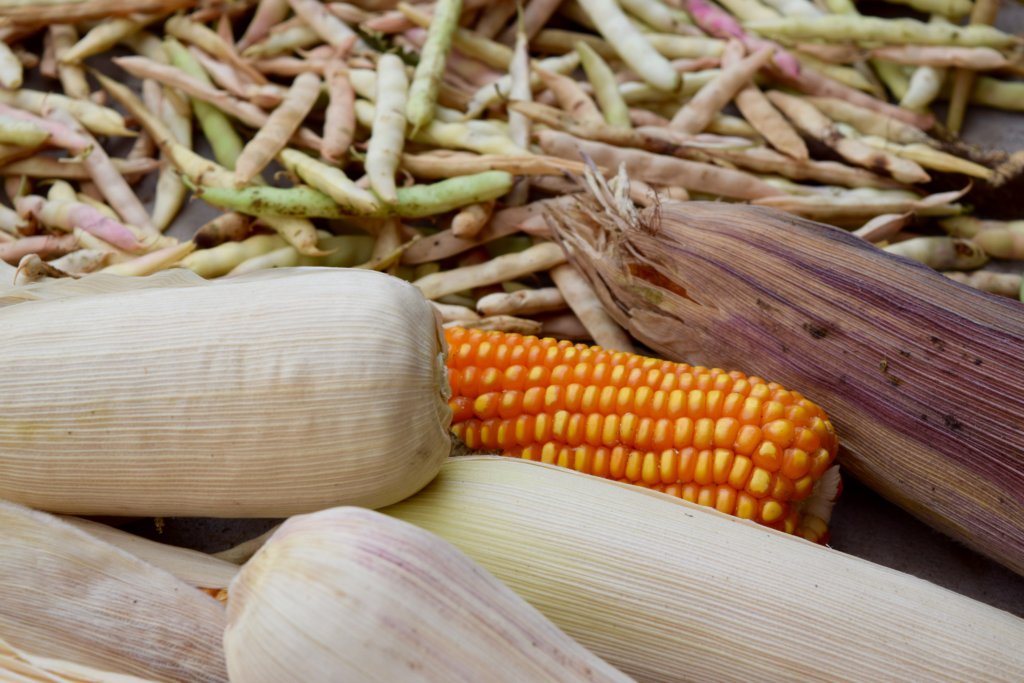
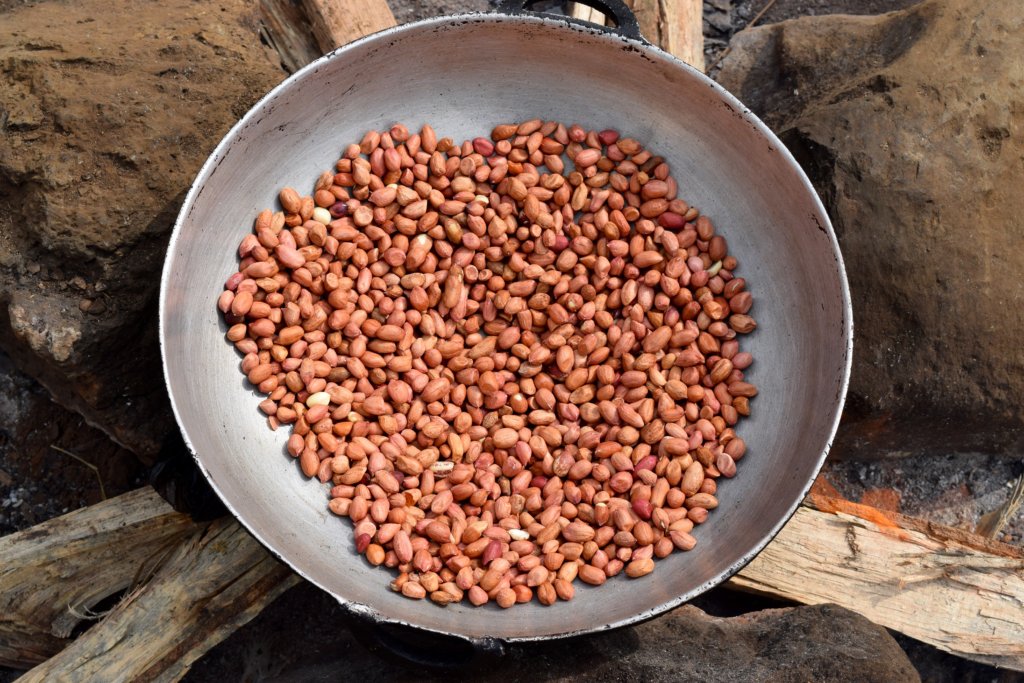
During our meetings, discussions revealed that they have the following as their staple food and all was prepared in the same way. Problems in their communities included ignorance and illiteracy.
5. ACCOMPLISHMENTS
These accomplishments were a reflection of the work done on Day One in the different villages. Training followed the next day in all the villages.
6. THE PROCESS – PART TWO
FORUDEF strategy is designed to cause the women to appreciate the gravity and danger inherent in malnutrition in Akwaya Subdivision and to participate in the fight against it.
6.1 OBJECTIVES
During the implementation of phases 1-3, the objectives were:
6.2 EXPECTED RESULTS
6.3 PARTICIPANTS EXPECTATIONS
6.4 PARTICIPANTS FEARS
6.5 METHODOLOGY
7. THE TRAINING PROCESS
NUTRITION WORKSHOP
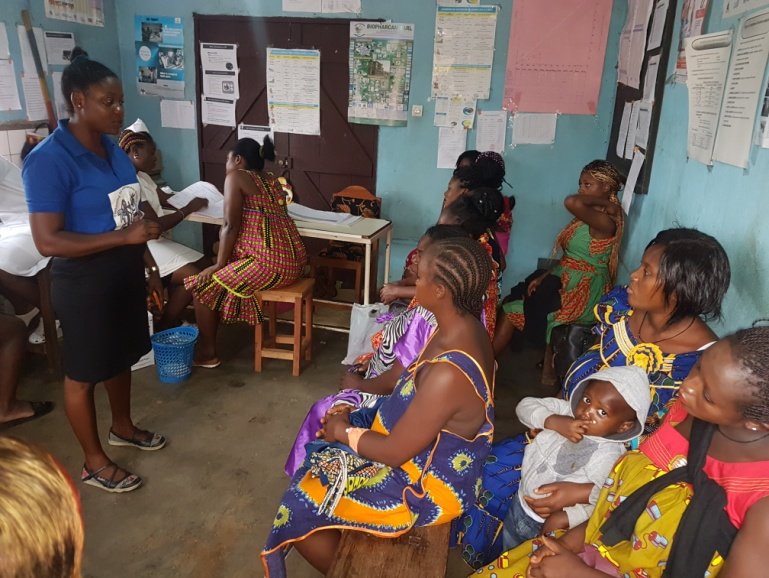
In the three villages, the FORUDEF team of facilitators was presented and introduced to the women groups by the team leader. This was followed by an icebreaking activity, usually a song. The objectives, programme and methodology of the training were explained and discussed.
The chief facilitator Mrs. Tabe Susan went on to ask the participants to list some of the foods they consumed on daily basis and the common illnesses that attack their children in their respective communities.
7.1 Common foods consumed
7.2 Common sicknesses in Akwaya Subdivision
From the different kinds of food consumed in the different communities, it was realized that the notion of feeding in these communities was to eat and get full, known in pidgin as, “chop flop”. This was not because they did not have the food that were to be consumed to give them healthy diet, but that they were ignorant and did not know how to use it effectively. Secondly, it was a way of feeding in their community that they inherited from their own parents. Through the discussions and observations, we noticed that almost all the children, pregnant women and nursing mothers in these communities suffered from malnutrition. The participants confirmed that whenever a child or a pregnant woman was sick, they easily went anaemic.
The situation of malnutrition in some villages in Akwaya Sub Division was made known to the participants of all the three communities. The chief facilitator, Mrs Tabe Susan, stated FORUDEF’s concern about the situation in her strategic plan. During this expose, she described the structure put in place by FORUDEF to fight against malnutrition. With this information and what was expected of the participants, the chief facilitator and Ms Pamela Orock,ushered the participants into the “house” analogy. In every training session, the participants were asked the question: “what will happen if you build a house with a strong foundation and no roof nor strong walls?
The house analogy and questions propelled the participants into discovering the problem of malnutrition in their communities as the following were identified on the part of the participants without difficulty:
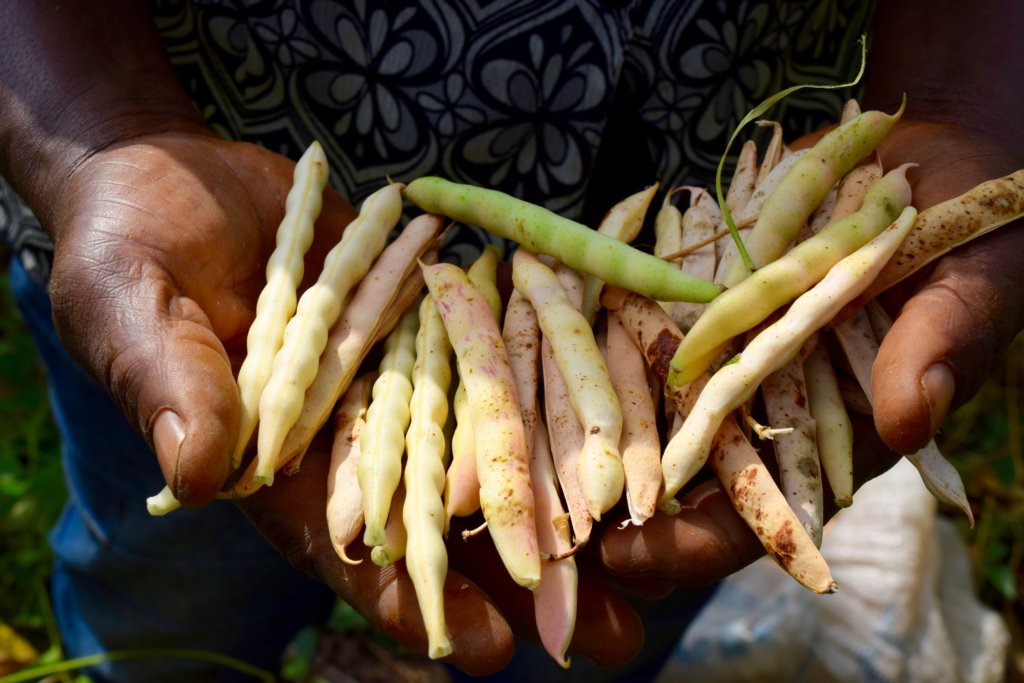
The women were informed that to feed healthy, one had to consume a balanced diet every day, which includes three types of food namely, carbohydrates, protein, and vitamins and minerals.
After drilling the women on what constituted a balanced diet, Ms Orock Pamela explained to the participants consequences of balanced and unbalanced diet. She used the chart containing two children where one child had a balanced diet and the other does not have. From the diagram, it shows that children who are poorly fed/unbalanced diet will suffer from the following:
Children who are fed with balanced diet every day would have the following as results:
7.3 QUESTIONS AND ANSWERS
This session was interspersed with the following questions and answers:
Question.
Response
Question
Response
Question
Response
Question
Response
The next part of the training was the practical:
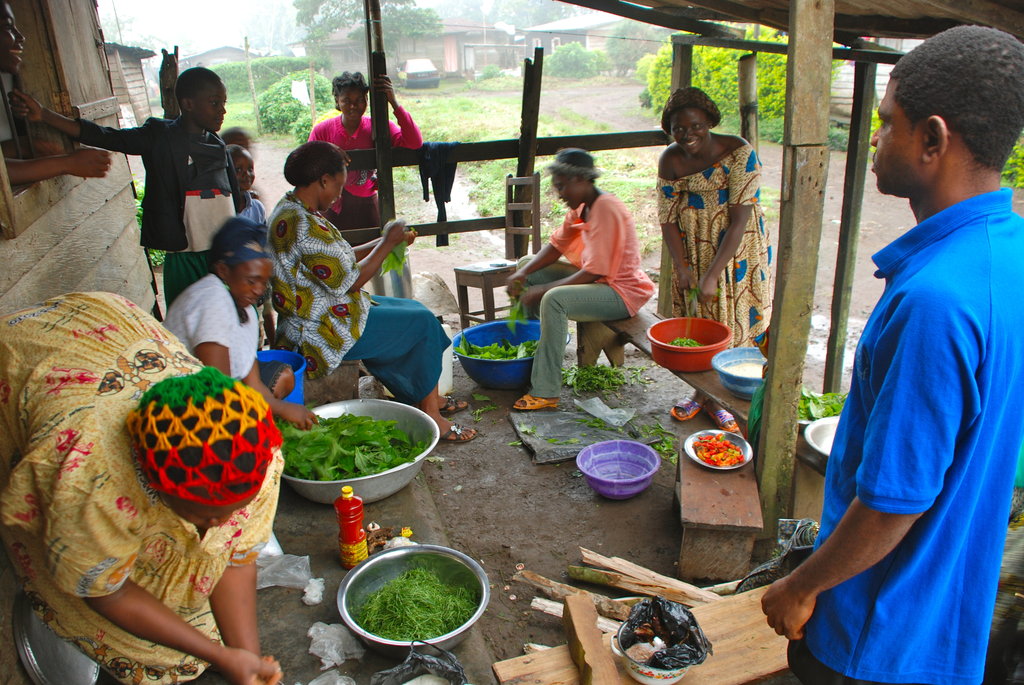
B. COOKING
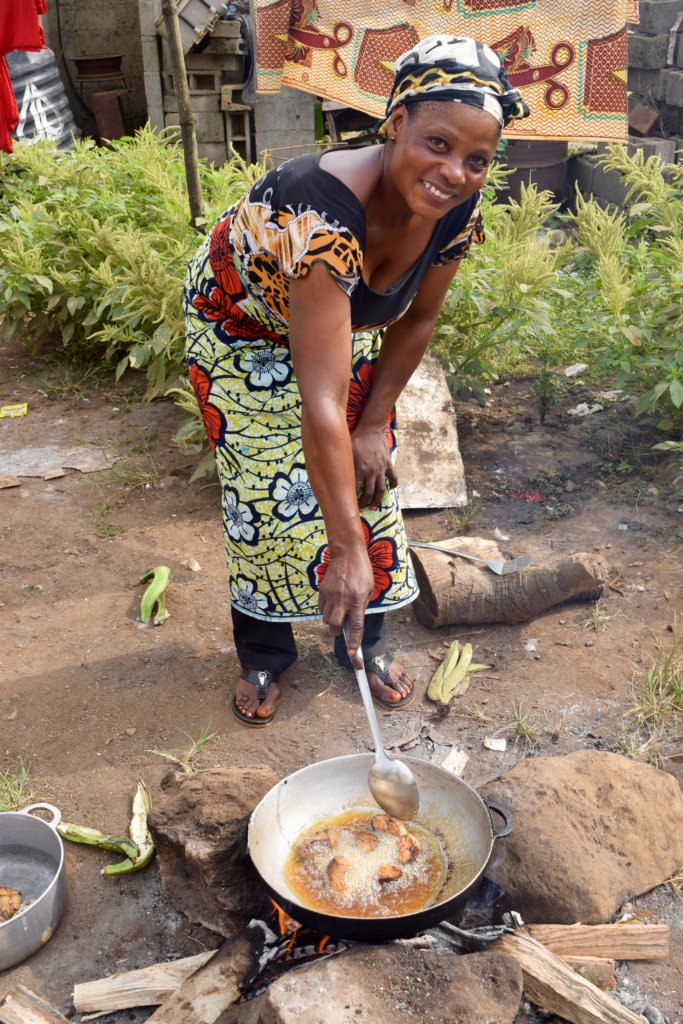
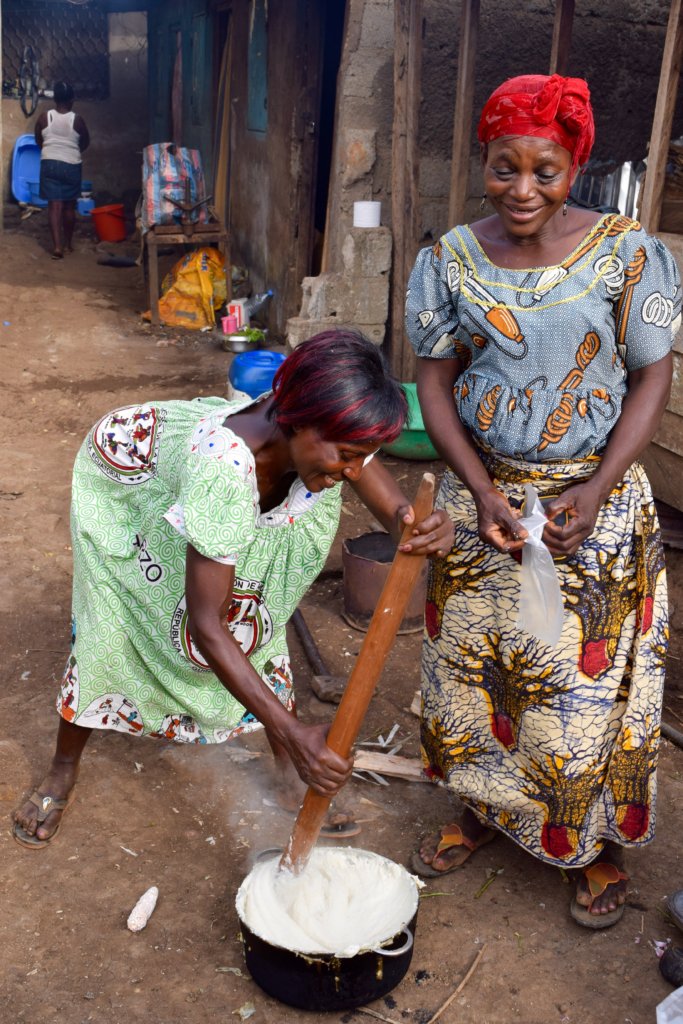
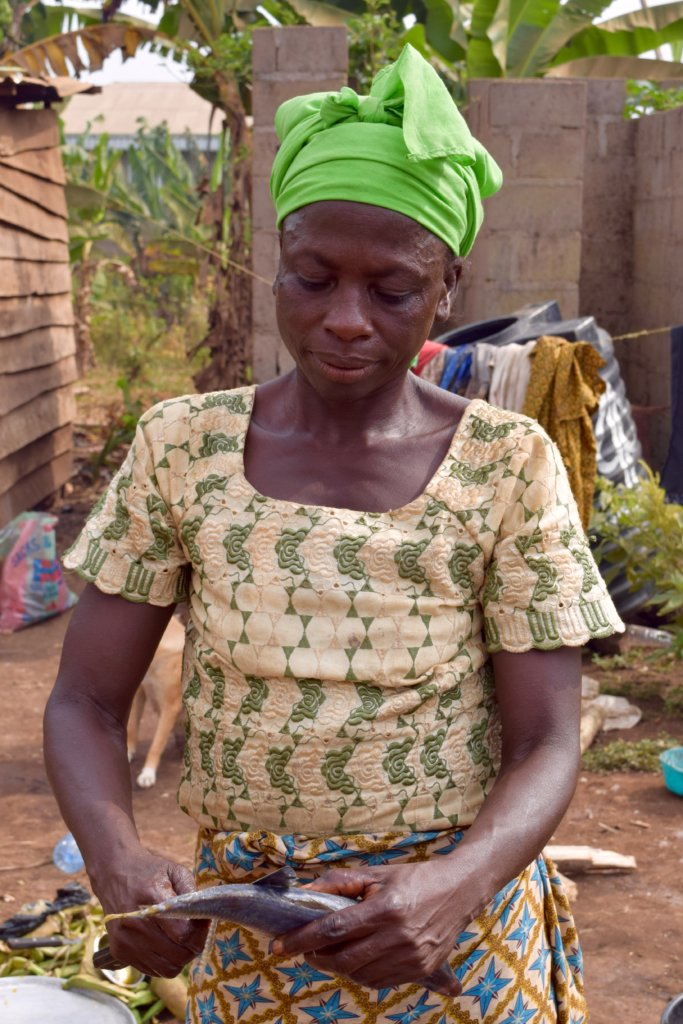
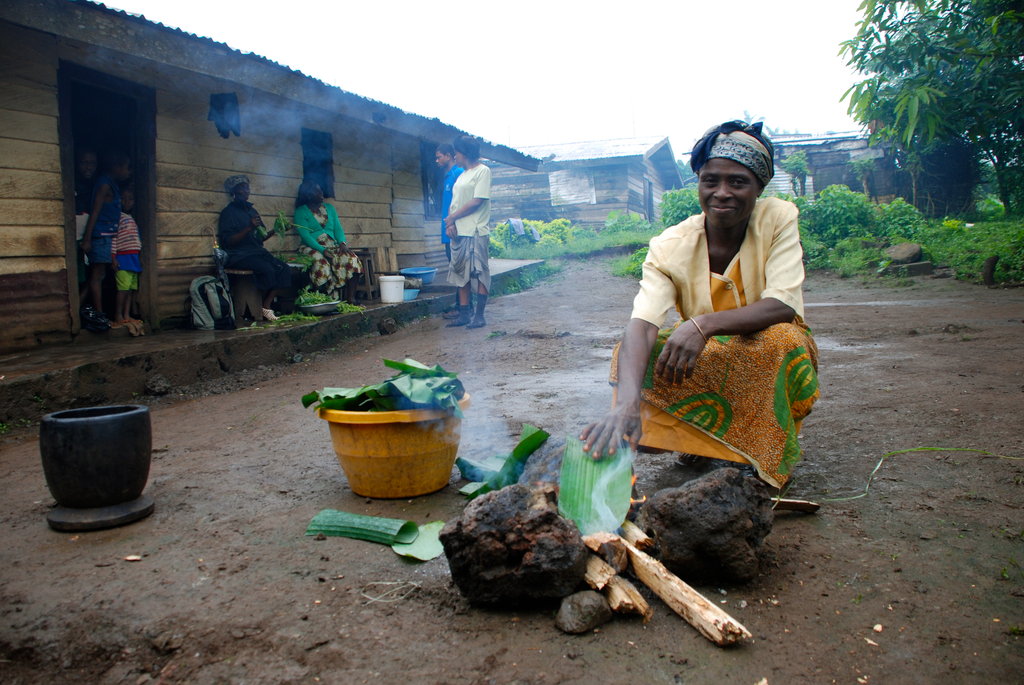
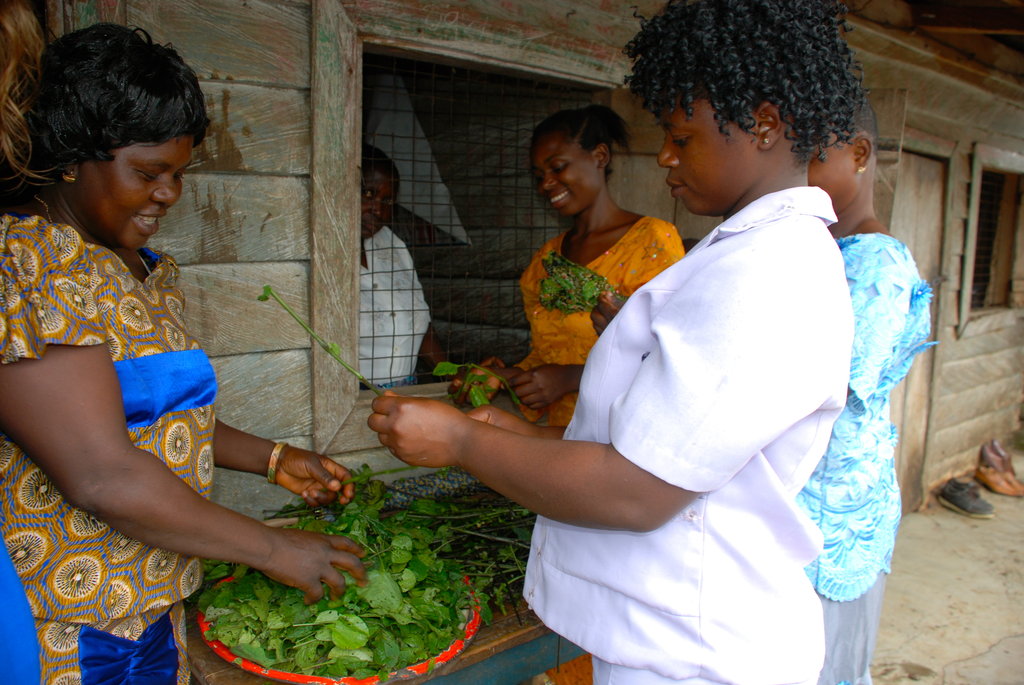
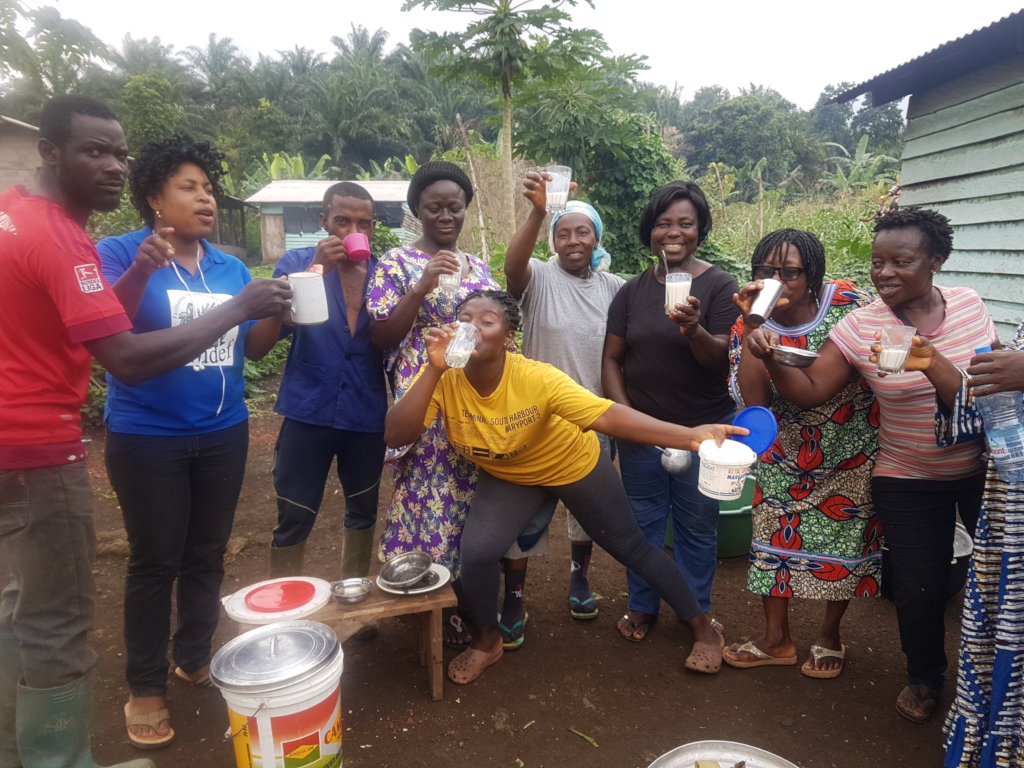
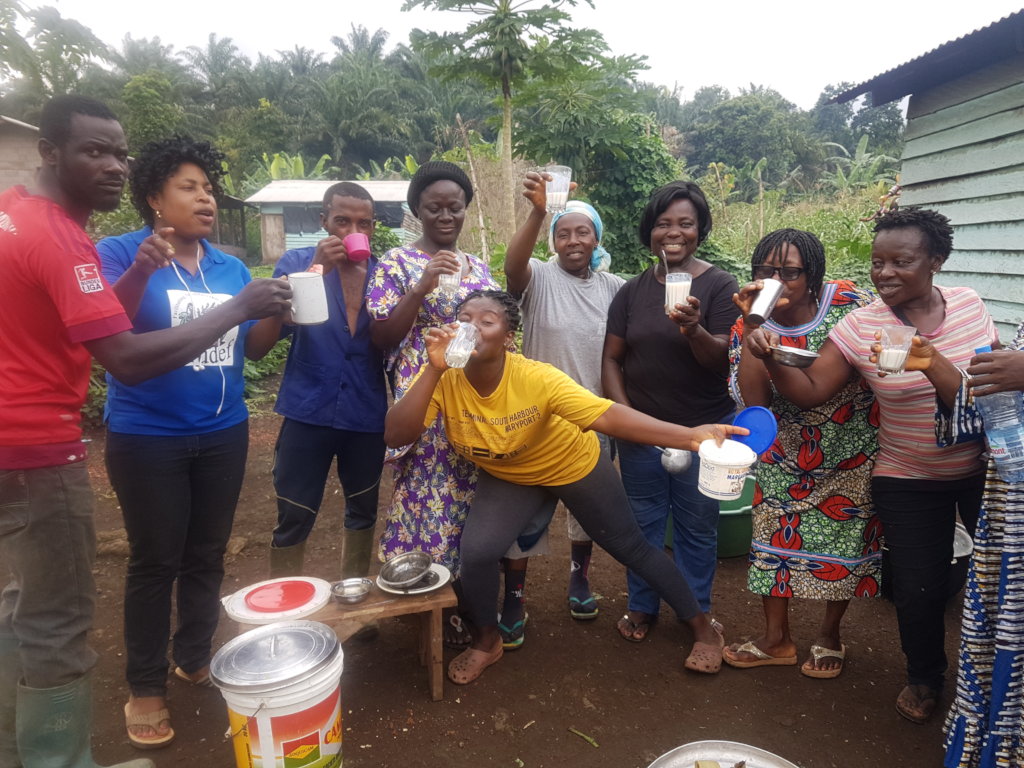
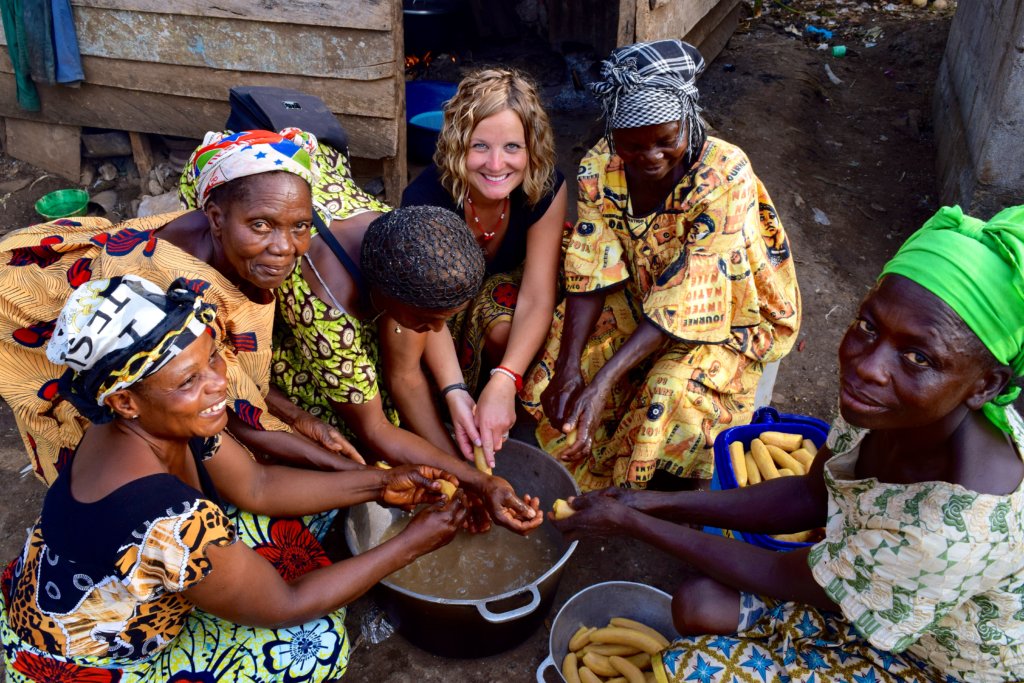
In every village, this session was a special one for the women as they were eager to learn how to prepare healthy diet as this would help to curb down diseases for their children and the rest of the family members. The turnout was very encouraging.
This was a way of socializing as every woman was happy to prepare and share a common meal with others. The Nutrition Report (with photos) (PDF)


By Moses Tabe | Executive Director
By Moses Tabe | Project Leader
Project reports on GlobalGiving are posted directly to globalgiving.org by Project Leaders as they are completed, generally every 3-4 months. To protect the integrity of these documents, GlobalGiving does not alter them; therefore you may find some language or formatting issues.
If you donate to this project or have donated to this project, you can receive an email when this project posts a report. You can also subscribe for reports without donating.



Support this important cause by creating a personalized fundraising page.
Start a Fundraiser