By Ariadna M. Godreau Aubert | Founder and director
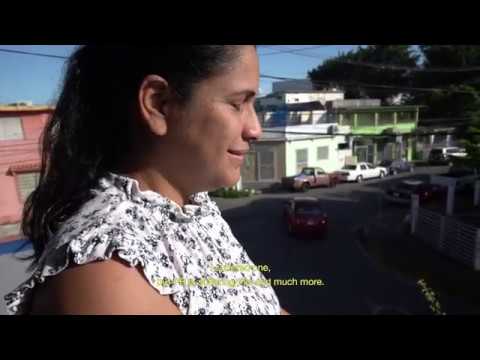
The case of Mari Carmen, 87 and evicted from her house in Spain, forced urgent questions into public discussion: who guarantees the right to stay for those entitled to a right to live in conditions of stability and peace? Who cares for elders that are constantly displaced? In Puerto Rico, that question is not abstract. Nearly one in four people on the Island is an elder, and around 40 percent live below the poverty line. At Ayuda Legal Puerto Rico, one in every four people we accompany is also an elder. That number reflects the reality of a country where fixed incomes, rising housing costs, mortgage debt, weak safety nets, and displacement are colliding with a rapidly aging population.
For an elder, losing a home can mean much more than losing a property. It can mean losing the community where they have lived for decades, access to doctors, transportation, family support, neighbors, medication, and the routines that make independent life possible. We see elders facing foreclosure after years of paying their mortgages, tenants whose rent has become impossible to cover with a fixed income, and people receiving court papers they do not understand or arriving in court without legal representation. Cases like this remind us that a process can comply with legal rules and still produce deeply unjust consequences.
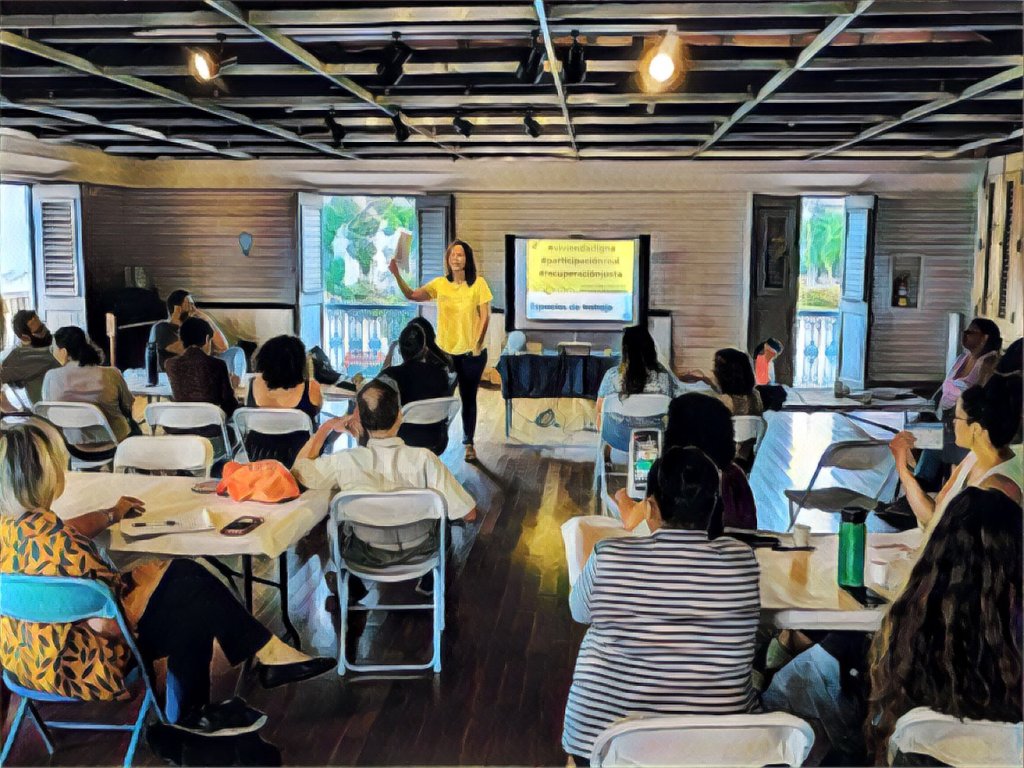
At Ayuda Legal Puerto Rico, we believe housing is a right, not a commodity. Through Derecho a tu Casa and our broader housing justice work, we provide free legal education so people can understand their rights before a crisis becomes irreversible. Our helplines remain open so people can ask questions about foreclosure, eviction, mortgage servicing, rent, deadlines, and legal options. We also provide legal support and accompaniment to individuals and families trying to defend their homes and remain in their communities.
But our work does not stop with individual cases. Every call, every consultation, and every court case helps us identify patterns that reveal where systems are failing people. We document those patterns, we gather data from court systems, analyze public policy, challenge predatory practices, speak publicly about displacement, and advocate for changes in laws, court practices, and institutional responses. This is what we mean by social impact advocacy: using what we learn from people directly affected by housing insecurity to transform the rules, practices, and policies that make displacement possible.
No elder should lose a home simply because they are poor, live on a fixed income, or cannot navigate a complicated legal process alone. Defending the right to housing also means defending the right to remain, and that requires more than reacting when an eviction or foreclosure has already begun. It requires legal empowerment, accessible support, and public policy that recognizes housing stability as a matter of dignity, justice, and human rights.
By Ariadna Godreau Aubert | Founder and director
By Ariadna Godreau Aubert | Founder and director
Project reports on GlobalGiving are posted directly to globalgiving.org by Project Leaders as they are completed, generally every 3-4 months. To protect the integrity of these documents, GlobalGiving does not alter them; therefore you may find some language or formatting issues.
If you donate to this project or have donated to this project, you can receive an email when this project posts a report. You can also subscribe for reports without donating.



Support this important cause by creating a personalized fundraising page.
Start a Fundraiser