By Keith Twitchell | President
Residents are rising up in New Orleans and demanding more and better opportunities for input!
One of the most damaged areas of New Orleans in the post-Katrina levee failures was the lower 9th Ward. To this day, this area is less than 50% rebuilt. However, those residents who have rebuilt and returned are a dynamic, motivated group. They also feel -- with justification -- that they are very under-served by both government and the private sector. So, while our city administration continues to tell us that the community is not ready for Participatory Budgeting (PB), a collaborative of organizations and residents from the lower 9th Ward has come to CBNO and asked us to help them conduct their own PB process. With the tenth anniversary of Katrina approaching on August 29, this group is producing a Lower 9 Resiliency Festival, with cultural, recreational and faith activities. The funds they raise from sponsorships, merchandise sales and the events themselves will be used to create a pool of money for the PB process. CBNO will then guide the community through the process, culminating in a vote by lower 9th Ward residents on how they want to spend the money to improve their community on their own. Not only is this a powerful statement about community self-determination and resiliency, we are confident that it will garner a good bit of media attention. It will prove to our city leadership that people in New Orleans are more than ready for Participatory Budgeting, and is likely to create a demand for PB from other segments of the city. It is so gratifying to see residents themselves take the initiative, ask for our expertise and support, and put together a shining example of community participation! We are doing everything we can to make sure that they do raise the funds necessary for a really strong PB process.
Speaking of resiliency and community leadership, New Orleans has been selected to participate in the Rockefeller Foundation's 100 Resilient Cities initiative, a worldwide program about building resiliency to acute shocks and chronic stresses. While many of the other cities in this program have strong civic engagement structures, or are including them in the Resiliency Plans that are the required initial component of the program, New Orleans is once again lagging behind on this subject. In fact, the public comment period for the Resiliency Plan will happen seven months into an eight-month planning phase, which makes clear what kind of a priority city government places on community input. However, the Citizen Advisory Committee for the New Orleans Citizen Particpation Project has stepped up in an attempt to correct this grievous oversight. They are in the middle of a series of meetings to design an organizing and advocacy campaign to demand that the city include a permanent, formal, inclusive structure for meaningful, comprensive community participation in the Resiliency Plan, and that the structure be based on the NOLA CPP model. Already one of the people involved has published a very aggressive op-ed piece in our local on-line media outlet, The Lens, and the group plans to have a major presence at the public meetings in July. In the interim, CBNO is preparing a substantial white paper that makes clear the inextricable link between civic engagement and resiliency, and the group is going to demand a meeting with the leaders of the Resiliency Plan effort to push for a commitment to meaningful community engagement in the Plan.
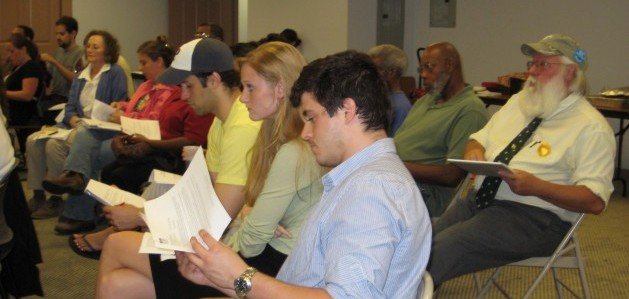
Despite the continued reluctance of key city leaders to embrace meaningful community engagement, New Orleanians themselves are making it ever clearer that they want their voices to be heard, and to be heard right now. This creates an extraordinarily powerful momentum for change, and CBNO is doing everything we can to guide and support this energy. Both lower 9th Ward Participatory Budgeting process and the Resiliency Plan are once-in-a-lifetime opportunities. To our friends and supporters out there, we welcome any comments you have on this, and hope you will join us in maximizing our ability to seize these opportunties.
Links:
Project reports on GlobalGiving are posted directly to globalgiving.org by Project Leaders as they are completed, generally every 3-4 months. To protect the integrity of these documents, GlobalGiving does not alter them; therefore you may find some language or formatting issues.
If you donate to this project or have donated to this project, you can receive an email when this project posts a report. You can also subscribe for reports without donating.