By Samikshya Nepal/Rudra Neupane | Communication officer/Program manager
In remote communities of Nepal, traditional healers are often among the first people families turn to when someone becomes ill. Many communities still believe ailments to have spiritual or supernatural causes. At the same time, access to modern health services can be difficult because of geographical barriers, shortages of suitably trained health professionals and irregular supplies.
For nearly two decades, PHASE Nepal has been working alongside communities in some of Nepal’s most remote rural areas. Through this work, PHASE Nepal has seen how traditional beliefs and community practices influence the way people understand illness and seek care. Rather than asking communities to abandon these beliefs, PHASE Nepal has been working with trusted community members, the traditional healers, to help people access appropriate health services when they need them.
Traditional healers, known locally as Dhamis, are important community-level health actors. People often approach them first when they have a health concern, especially in rural areas. They hold a particularly trusted position when illnesses are believed to have a spiritual or supernatural cause.
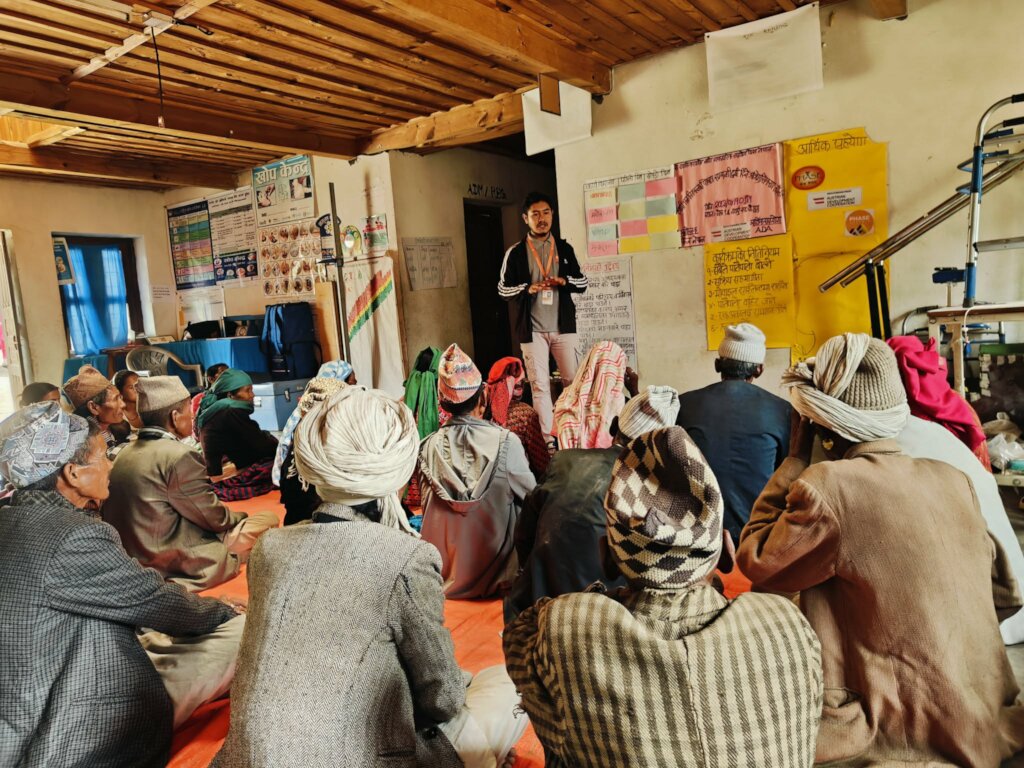
Recognizing their influence, PHASE Nepal began providing orientations to traditional healers in the communities covering common health problems and their causes, basic immediate support to be provided, the importance of maintaining privacy and dignity and when and how to refer to health facilities well on time.
One traditional healer who participated in the training described how it changed the way they responded when community members came to them for help. Before the training, the healer explained, people would call a Dhami to a sick person's home and closely follow whatever they said. After the training, they began to recognize that being trusted by the community also came with a responsibility to refer people when their needs required medical attention.
After these programs, the healer began encouraging people to visit the health post after providing their traditional assessment. In some cases, they would even help bring people to the health facility themselves.
“After PHASE Nepal taught us about mental health, we started saying, ‘We have done what we can, now go to the health post.’”
The healer explained that people could still receive reassurance within the cultural structure they trusted while also being encouraged to seek treatment from health professionals.
The training also helped the healer reconsider practices that could delay treatment or put people at risk. Previously, when an illness was believed to have a supernatural cause, practices such as animal sacrifice could be considered part of the response. The healer now encourages people to seek medical care instead.
“Even if someone thinks a spirit is involved, we say, ‘Nothing has possessed you... but go get treated.’ Once treated, they get completely cured. Sacrificing animals over there won't cure them; why put a human life at risk?”
The healer also recalled that people experiencing mental health problems were previously described using terms such as “mad,” “insane,” or dhatine, a local term for someone perceived to be mentally unstable. Greater awareness has helped community members recognize that people experiencing mental health difficulties need support and appropriate care rather than fear, stigma, or harmful practices.
For PHASE Nepal, this experience demonstrates the value of working with people that communities already trust and treats as fist point of contact for health issues. Traditional healers may not replace formal health services, but they can play an important role in connecting people to them.
Today, this healer continues to serve their community while encouraging people to seek appropriate care when needed. What began as a traditional role has developed into something more. It has become a bridge between community beliefs and the health system.
In remote communities, improving access to health care does not always begin with more services or skilled health workers. Sometimes, it begins by working with the people communities already trust and encouraging small changes in behavior, without questioning or disrespecting their beliefs.
We are grateful to our donors and supporters whose continued support makes it possible for PHASE Nepal to work alongside communities, strengthen local health actors and create these small but meaningful changes in remote healthcare system.
By Samikshya Nepal/Rudra Neupane | Communication officer/Program manager
By Rudra Neupane | Program Manager
Project reports on GlobalGiving are posted directly to globalgiving.org by Project Leaders as they are completed, generally every 3-4 months. To protect the integrity of these documents, GlobalGiving does not alter them; therefore you may find some language or formatting issues.
If you donate to this project or have donated to this project, you can receive an email when this project posts a report. You can also subscribe for reports without donating.



Support this important cause by creating a personalized fundraising page.
Start a Fundraiser