By Jill Drzewiecki | Gender-Responsive Education Specialist
This report focuses on the achievements, challenges and success stories for Phase 1 of the Naweza Project. It also gives a plan of what should be done in the second phase, while we carry on the work that should be done in this phase.
Provision of scholarships for college students to improve access and quality of education
Currently, six students are in Malawian universities. Two girls are registered at Mzuzu University, studying Nursing and Information Systems, respectively. Since February 2019, are newer students registered with the Catholic University, studying Social work, Business studies and Nursing.
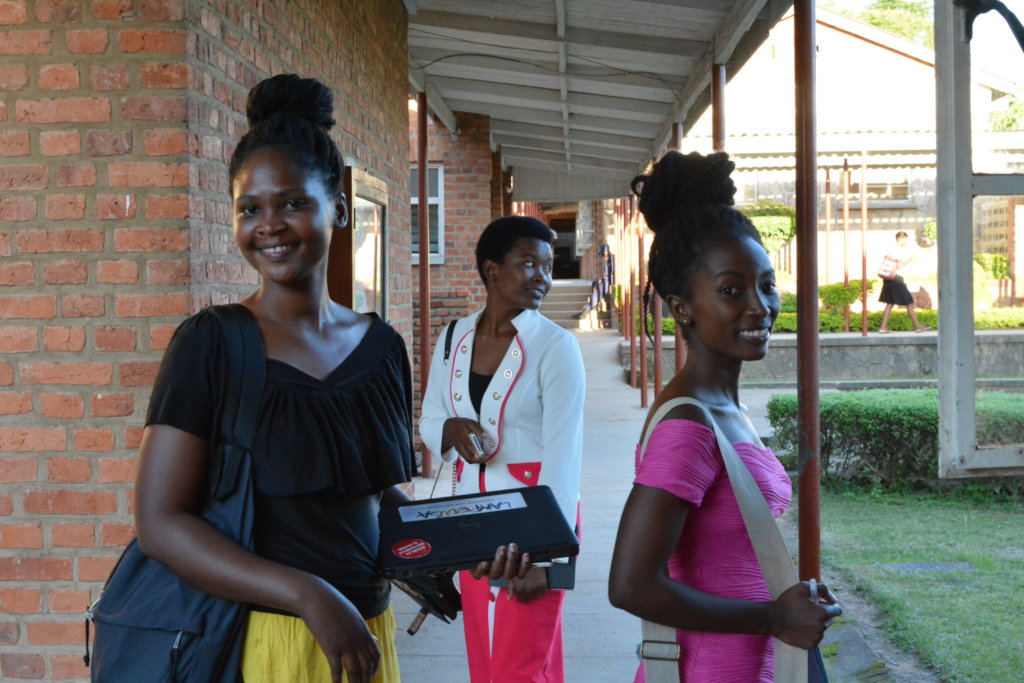
The current Mzuzu University students finished their second semester in March. They requested laptops to ease their school work and Naweza provided the much-needed laptop support. In Phase 1, the Naweza project facilitated 35 applications for youth who wanted to be considered for admission into public universities for the 2019/2020 academic year. Should the applicants be accepted, the young men and women will be funded by DAFI, a German scholarship program that supports young refugee men and women through public universities of the host country. There will be recruitment of a scholarship Coordinator funded by DAFI who will also oversee the scholarships for Naweza and DAFI.
This is an opportunity for Naweza because as DAFI concentrates on University scholarships, Naweza will increase its intake to target more girls with scholarships in secondary school.
Building fence around secondary school to improve security
As part of enhancing protection and security of girls in secondary school at Dzaleka, the Naweza project funded the construction of a school fence which is at 80% in terms of completion. The fence will be completed in the second phase of the project.
The fence has increased security, reduced vandalism to school property and encroachment of community members on school property. It was noted by the deputy head teacher that before the fence was erected, community members encroached on school land. Building the fence closer to the school has created a boundary and encroachment has been halted.
The fence has also reduced vandalism to the school. The deputy head teacher also said that before the fence the school had some of its property stolen and or vandalized the fence has helped reduced vandalism and theft of school property.
Building of the fence has enhanced security and protection of the students and teachers as well. The deputy teacher cited incidents where students could be attacked by passersby. She cited an instance where a stone was thrown through the window by an unknown assailant which was a protection issue at the school; however, the building of the fence has helped to make the school more secure and protected. The building of the fence has also helped teachers with student and time management. Without the fence it was easy for students to come to school at any time however with the building of the fence, it is easier to maintain discipline and manage time.
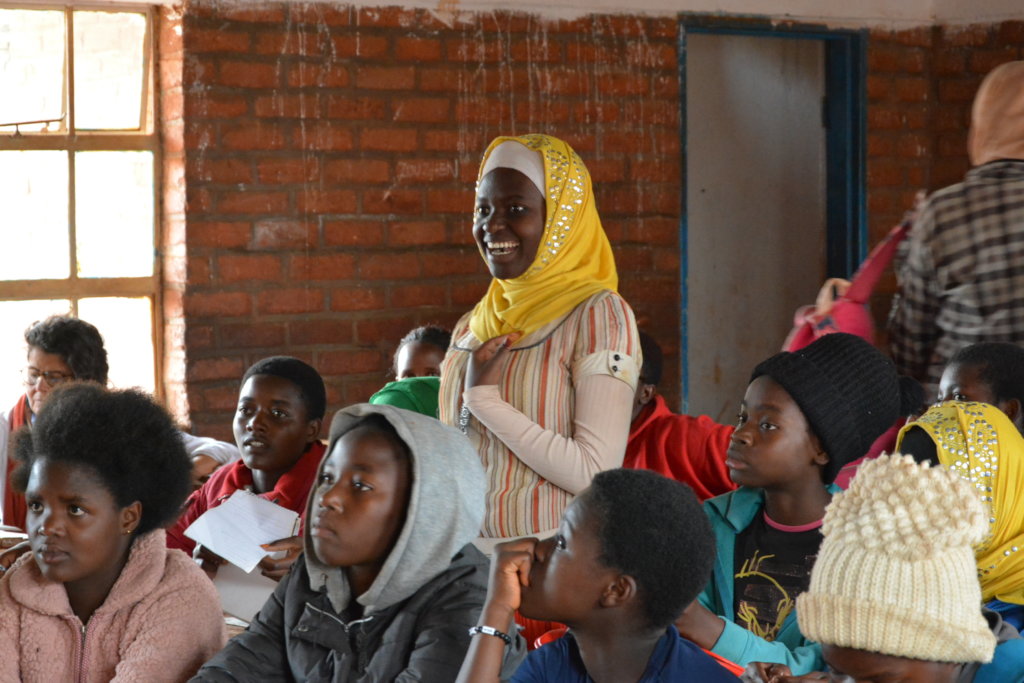
Naweza Clubs: Empowering Girls with Life Skills
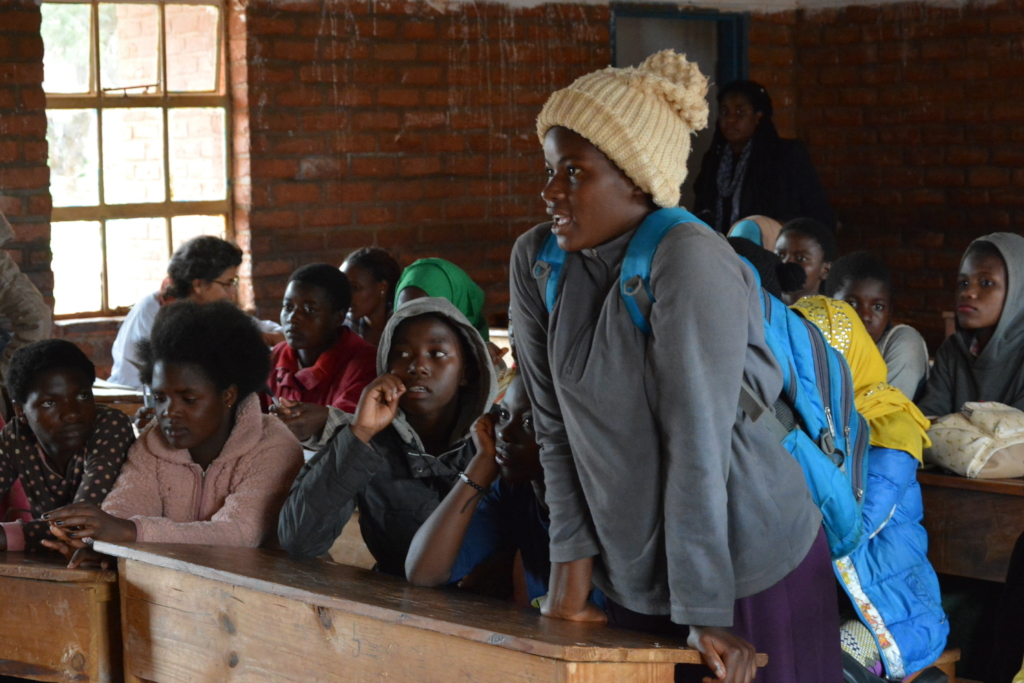
Girls face many barriers to economic, personal and academic success. Although education is viewed as an opportunity within the community, it is a stressful and challenging time where girls face real threats to their development and often get little support. Studies have shown that girls who are well-prepared, well-supported, and able to withstand social and emotional pressures are better able to succeed in their academic careers. Furthermore, education translates into higher income for families, and higher levels of literacy for generations that come afterward. For refugee girls, there are many barriers to accessing education. To be successful, girls must protect their physical well-being, stand up for themselves, resist social pressure to drop out of school, and gain skills that sustain them.
At Naweza, we understand that girls will not be able to realize their rights without the knowledge and skills that will empower them to self-advocate for their own life choices, develop a sense of agency by cultivating their self-esteem and empowering them with the knowledge they need to stay safe, healthy, in school and in control of their lives. These critical ‘software’ aspects of girls’ development are the focus of the Naweza Girls’ Clubs. The clubs were specifically established to:
• Provide a safe space for girls to socialize, identify, and find home grown solutions to common problems;
• Create friendships and sisterhood for girls to encourage each other in their educational
journey;
• Empower girls to understand their rights and how to access these rights, as well as create consciousness among girls about gender and gender-related issues;
• Build confidence and assertiveness in girls to enhance their participation in school and in social activities;
• Help girls acquire various life skills, including leadership skills, critical thinking and public speaking skills.
Community engagement to promote girls’ education.
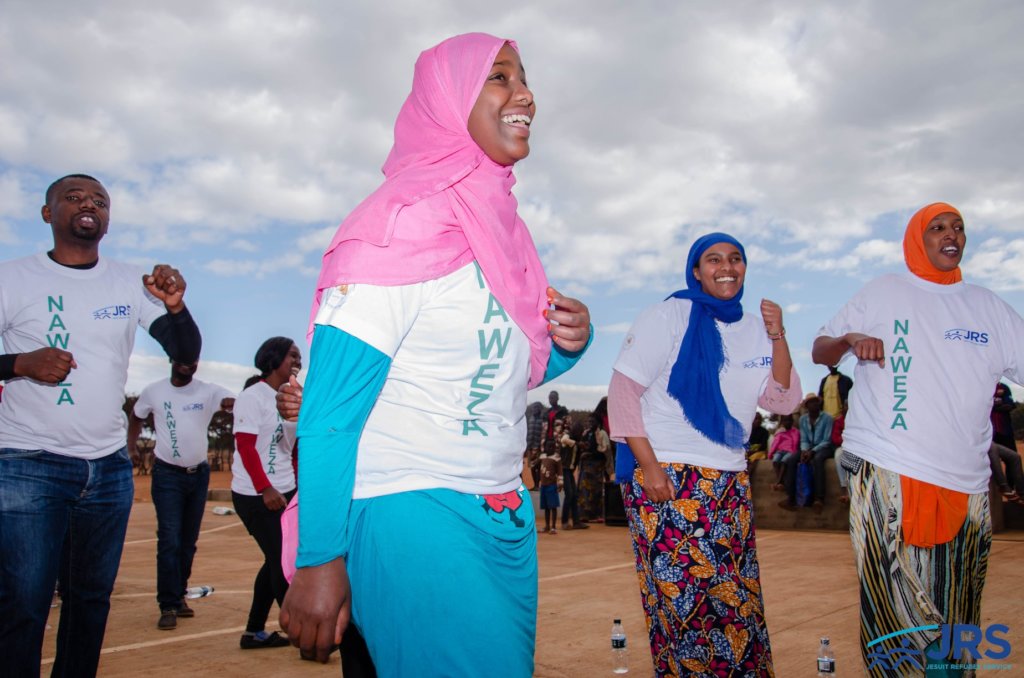
The engagement of diverse stakeholders helps to ensure support for the Naweza project. Although already discussed, there is need to underscore the importance of greater parental and community involvement in the project. There is also a need to involve teachers as focal persons in the school. In Phase 1, we carried out one community engagement session with the community at large. While we have engaged parents of students on the scholarship program on a regular basis, we have not done enough to raise community awareness of the importance of girls’ education and the prevalence of gender stereotyping within the community. We held community engagement meetings to sensitize the community on the need to educate and empower girls within Dzaleka community. The event was held on 4 December 2018 around Dzaleka camp, using theatre and dance to raise awareness on about the need to educate girls. We have also used the HIV awareness-sports- bonanza to increase the visibility Naweza project and its activities within the camp. Because of these awareness-raising initiatives, we are frequently consulted on issues regarding girls’ education and empowerment.
Distribution of sanitary pads
Through project implementation, we found that lack of sanitary products contributes to girls’ absenteeism from school, especially when they experience their menstrual period. The provision of secure toilets and menstrual supplies was deemed a promising strategy to promote girls’ attendance and performance in school. During Phase 1, the project provided 7000 sanitary packs – comprised of pads, Vaseline and soap—to help girls during their menstrual period and to keep them in school. Naweza has been distributing pads directly to the girls. Pads distributed by PLAN International Malawi (another implementing partner in the camp responsible in part, for the distribution of non-food items or NFIs). PLAN distributes pads to heads of household, who in turn, often sell the supplies. As a result, the girls—the intended beneficiaries—are not always receiving the sanitary pads.
Project reports on GlobalGiving are posted directly to globalgiving.org by Project Leaders as they are completed, generally every 3-4 months. To protect the integrity of these documents, GlobalGiving does not alter them; therefore you may find some language or formatting issues.
If you donate to this project or have donated to this project, you can receive an email when this project posts a report. You can also subscribe for reports without donating.