By Katia Louise | Director
America's wild horse and burro herds across the west are under siege. The U.S. Forest Service (USFS) and the Bureau of Land Management (BLM) are aggressively moving forward with their plan to continue helicopter roundups, and remove and stockpile tens of thousands of wild horses and burros whom currently reside on America's rangelands.
The 1971 Wild Horse and Burro Act is supposed to protect America’s wild horse and burro population from cruelty and harassment, however there is no enforcement of the law and the BLM has not been held accountable for the enumerable atrocities they have caused, and which continue to this day.
The BLM would like to remove as many as 90,000 wild horses and burros from public lands. They have continued to accelerate their cruel helicopter roundups this year, and without intervention, they intend to continue conducting a combination of barbaric ovariectomies and permanent chemical sterilization as well.
The practice of surgical sterilization raises multiple red flags. Surgical sterilization has been found to be painful and dangerous for individual animals and would threaten the diversity and health of whole herds. These procedures have reportedly put mares at serious risk of infection, hemorrhaging and other post-operative complications, some of which can result in painful death. Plus, the cost associated with sterilizing large numbers of equines in the field is unknown.
The off-label use of pesticides (aka PZP) is widely accepted for use by wild horse advocates to suppress fertility in captive Mustangs in nonbreeding environments such as sanctuaries and preserves. However, the repeated use of these chemicals on equines in the wild could spell total disaster for wild equines due to the long-term adverse effects. As such, PZP (aka Spayvac) has come under fire by a growing number of concerned advocates. Evidence sited by critics shows the use of Spayvac and Gonacon on wild free roaming horses has been found to sterilize the mares and suppress their natural hormonal behaviors. Their fitness is altered, as is their ability to survive in the wild.
PZP is a pesticide-sterilant that was registered without toxicity-testing. It tricks the immune system into producing antibodies that cause ovarian dystrophy, autoimmune oophoritis, ovarian cysts, and premature ovarian failure. It causes out-of-season births, where foaling occurs nearly year-round rather than in the Spring. After just 3 consecutive treatments, return to fertility could take up to 8 years, if ever, and the if the first dose is given before puberty it can trigger sterility.
Some wild horse advocates are pushing for implementation of PZP fertility control as a means to move away from BLM's cruel and costly helicopter roundups. However, the use of PZP on naturally living free roaming wild horses and burros may very well result in unintended consequences. Another words, if most of the wild horses are rounded up and removed with only small numbers of mares who are repeatedly treated with PZP before being released back into the wild, America’s wild horses would soon be extinct.
Wild Horse and Burro Issue Background:
The BLM misleads the public by saying that wild horses and burros are over populating, starving and dying of dehydration out on the range, and they use this misinformation to justify their removal and killing.
The BLM claims to care and protect our wild horses and burros on the range and in captivity, by touting the laws which are supposed to keep them safe from cruelty, harassment and death. In truth America's horses and burros need protection from the BLM. The mislabeling and eradication of wild horses and burros on America’s public rangelands is a clear demonstration of BLM's support for the competing economic value of commercial livestock and the BLM's defiance of their mandate to protect wild horses and burros.
Navajo Roundups:
Wild horse removals on the Navajo Nation were halted in 2020. Reportedly 3000 equines were removed in 2018, 1500 in 2019 and the last number reported as removed in 2020 was 600.
Protecting America's Wild Equines:
Through this and other WFLF outreach projects, we also raise awareness about the true heritage of horses and burros. For example, did you know that horses and burros are Native to North America? It’s true! But their indigenous heritage to North America is ignored by those who manage our lands in order to satisfy competing land use interests. In fact, horses and burros are routinely labeled as an “invasive species” to justify their extermination. Without the enforcement of strong safeguards to protect wild horses and burros on tribal reservations and U.S. public lands they will continue to be targeted for violent expulsion through roundup, slaughter and even hunting.
WFLF advocates for recognition of the wild horses’ and burros’ rightful Native status in the U.S. as part of the natural ecosystem which yields their protection from extinction under the law.
A surmounting body of evidence underscores the value of wild equids as keystone herbivores in our failing ecosystems, as wildfire fuel reducers. In the Soda Mountain Wilderness area of California, wild horses have been found to reduce both the frequency and intensity of catastrophic wildfire! Their presence in the wild also helps to slow climate change via a reduction in CO2 emissions from catastrophic wildfires. In the United Kingdom and other parts of the world, entire rangelands are successfully being rejuvenated through the return of wild equids in conservation grazing.
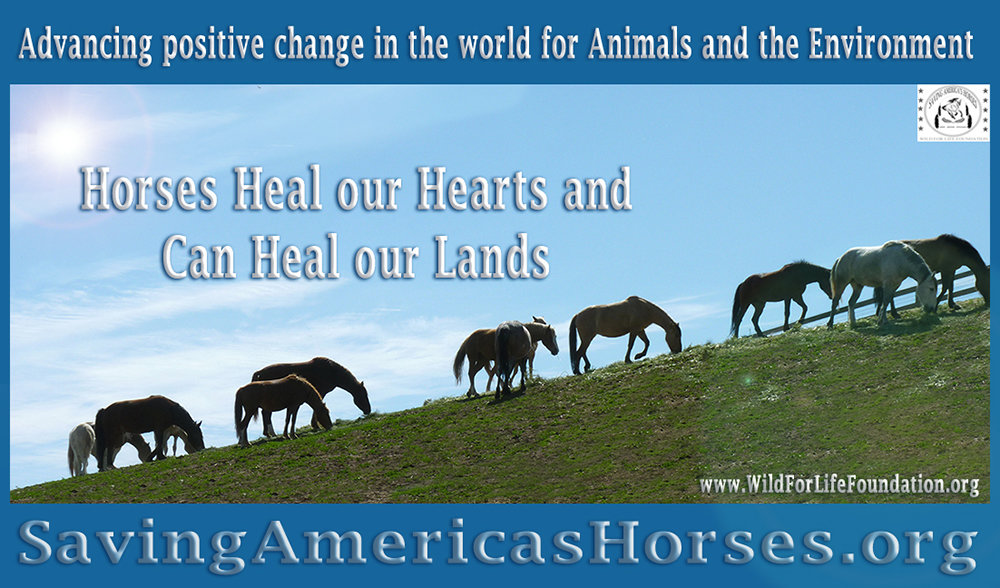
America's wild horses and burros are living symbols of the historic spirit of the West. They contribute to the diversity of life forms within the environment and enrich the lives of the people. However, they are sadly disappearing from the landscape and must be protected.
WFLF is committed to meeting the challenge of sustaining this lifesaving project and to increasing protection for all horses and burros from the torturous agony of roundups and slaughter through permanent federal bi-partisan legislation that forbids slaughter on American soil and forever bans the export of live horses to slaughterhouses in other countries, and that safeguards wild equines from extinction, exploitation, harassment, and killing through responsible, humane and nonlethal management practices on both tribal and public lands.
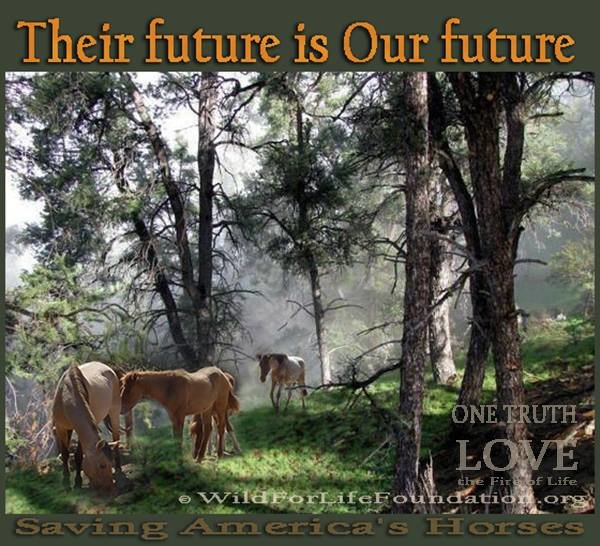
We at WFLF believe that the circle of life is eternal and in realizing how we came to be where we are, we must also look ahead at where we are going. We as native people we honor our horse relatives, and we know that the American public, without a doubt is adamantly opposed to slaughtering them. Horses are as much a part of the land as we are; their future is our future.
As the remaining number of Wild Horses in the U.S. nears extinction, education and appreciation through their protection in the wild becomes tantamount to their survival as a species. America’s Wild Horses cannot be reproduced once they are gone!
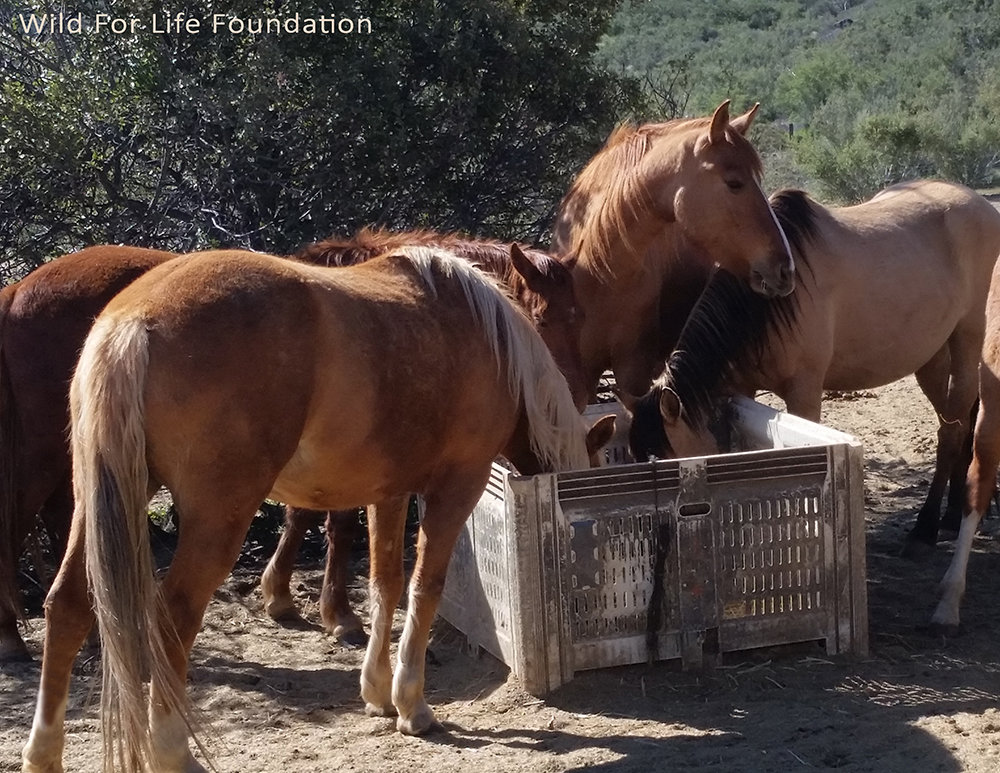
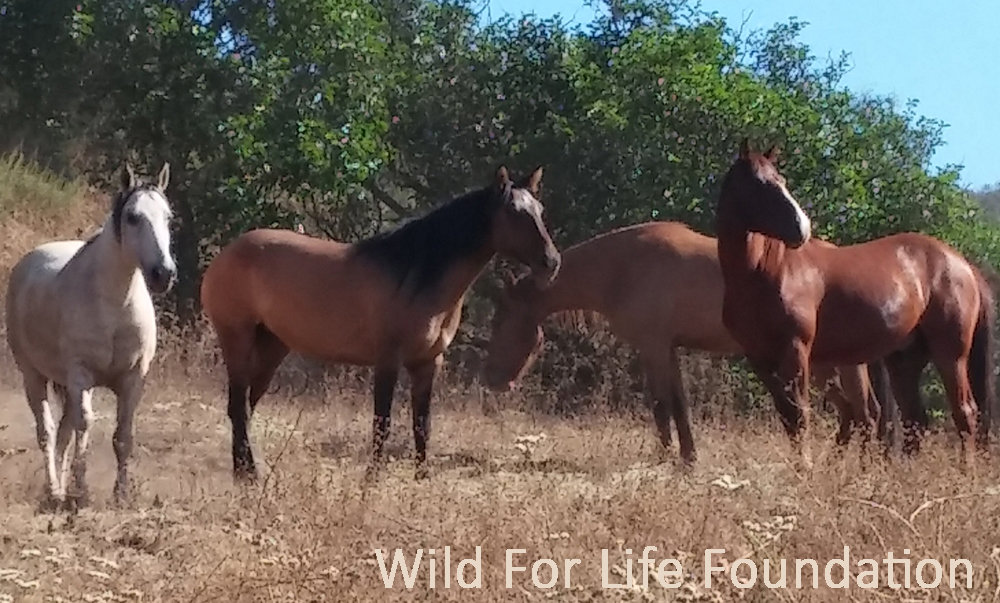
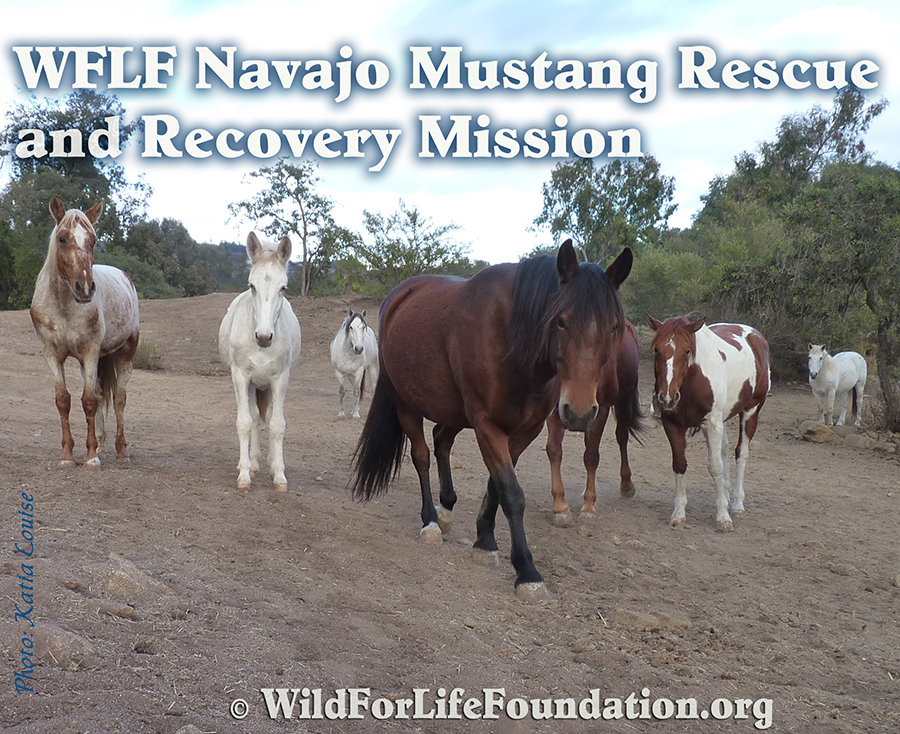
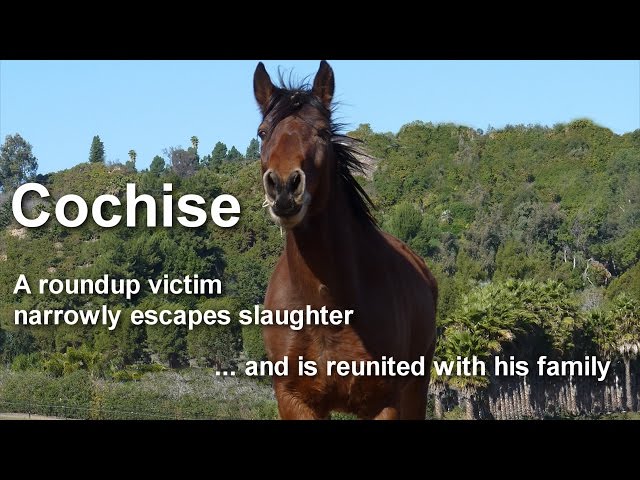
In addition to raising awareness, this project helps WFLF to provide safe harbor habitats and essential provisions for the continuum of quality care and protection of rescued wild and domestic horses and burros in need, including a number of rescue horses, burros and Navajo mustangs whose lives had become at risk due to roundups and slaughter.
With a focus on the prevention of cruelty as the primary goal, WFLF strongly urges a strong and united voice for the protection of wild horses and burros from roundups, slaughter and extinction. Supporting conservation measures that benefit the environment without harming our horses and burros is one sure way that people can make a compelling difference.
America’s wild horses and burros need you to act on their behalf; to help protect them from roundups, slaughter and extinction, before it’s too late!
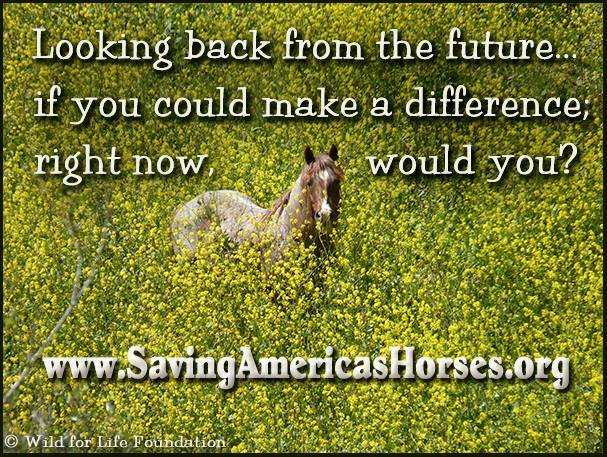
Please join us by making a difference and share this update with your friends. Your support matters and can help save lives today, tomorrow and for generations to come.
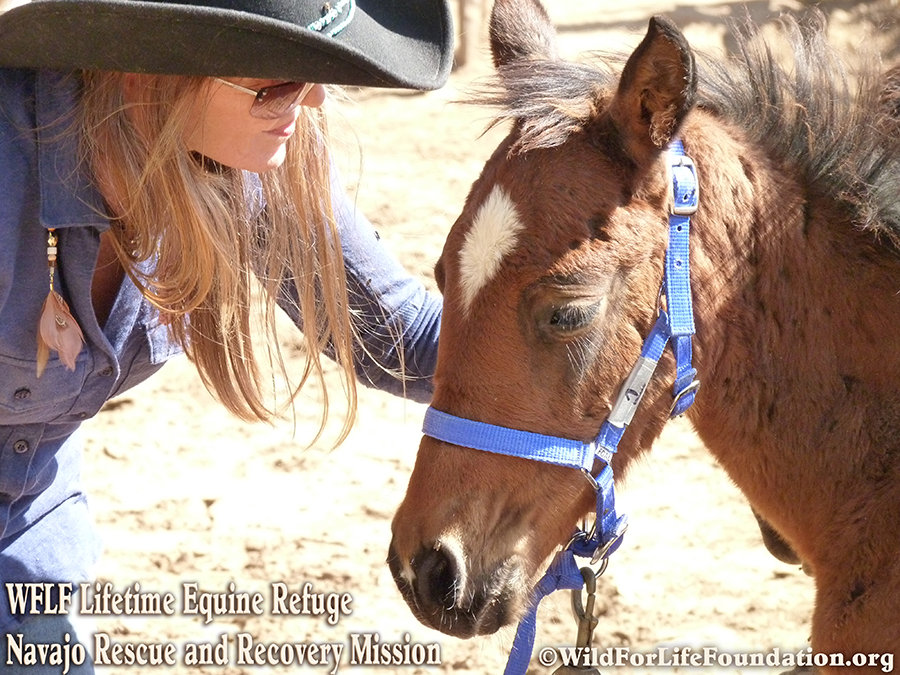
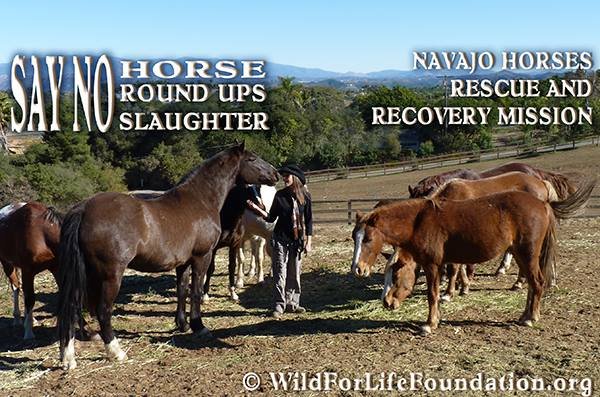
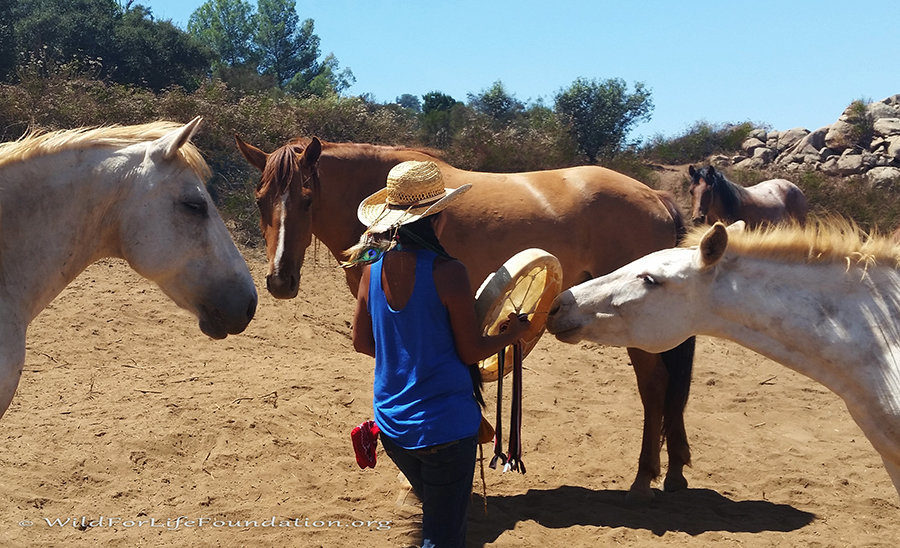
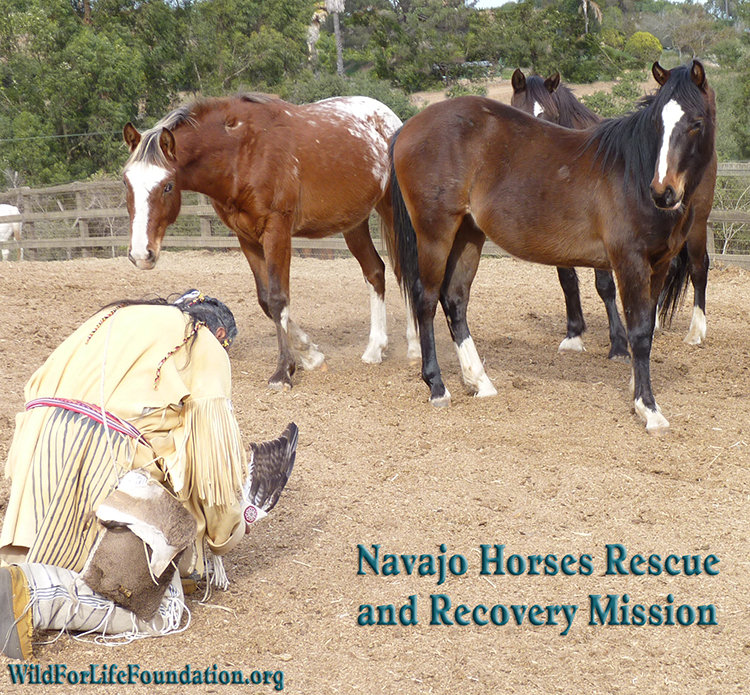
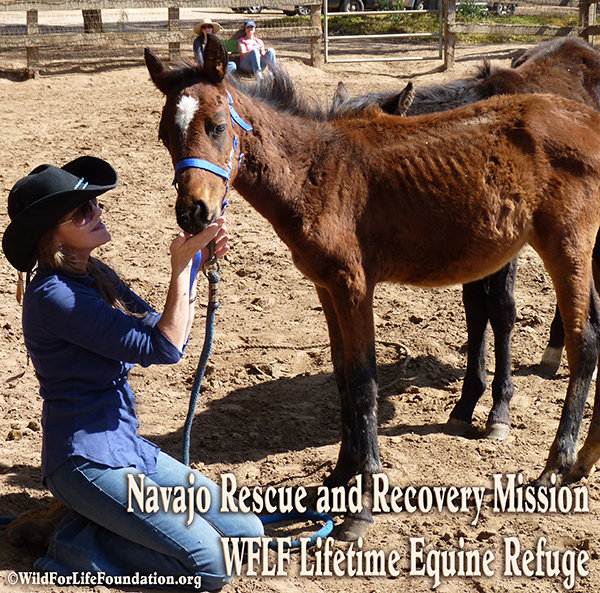
The Wild for Life Foundation’s (WFLF) Navajo Horse Rescue and Recovery Mission (NHRRM) is a lifesaving program which provides rescue and sanctuary services for wild horses and burros that have been saved from roundups, slaughter and other forms of cruelty. These animals come to us traumatized, shattered, desperate and betrayed. Through our program they find love, quality care, safety, compassion, dignity, trust, hope and a new beginning.
Links:
Project reports on GlobalGiving are posted directly to globalgiving.org by Project Leaders as they are completed, generally every 3-4 months. To protect the integrity of these documents, GlobalGiving does not alter them; therefore you may find some language or formatting issues.
If you donate to this project or have donated to this project, you can receive an email when this project posts a report. You can also subscribe for reports without donating.



Support this important cause by creating a personalized fundraising page.
Start a Fundraiser