By Himaloy Joseph Mree | Communications Officer
Refugees Mothers Cook Safely, Efficiently in World Vision Community Kitchens
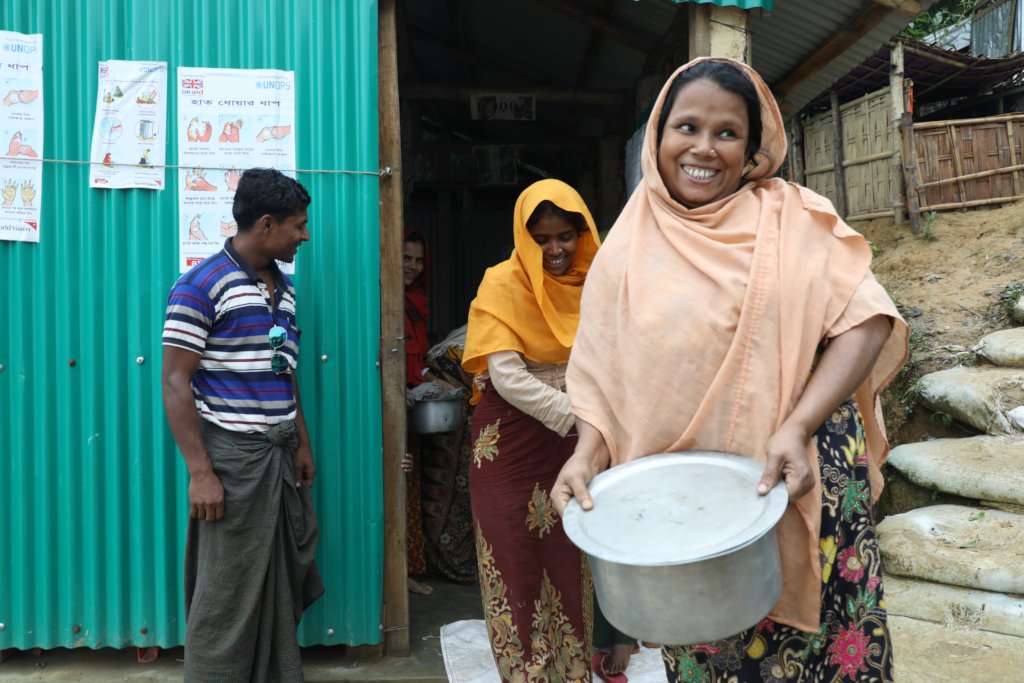
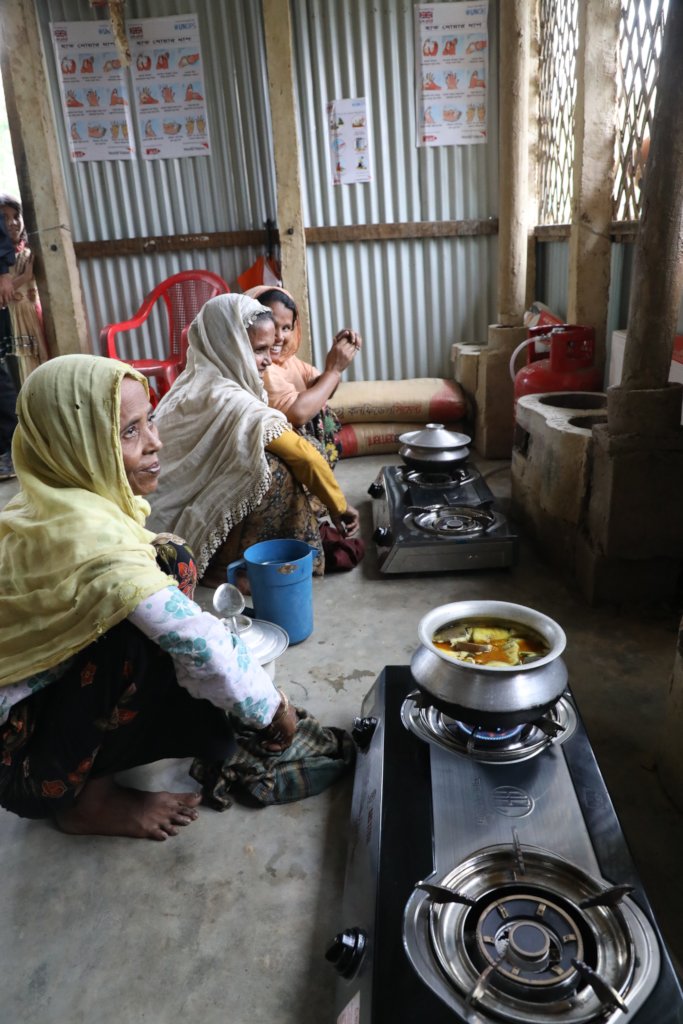
Senwara, 35, a refugee mother of four children, cooked her first meal at World Vision’s new community kitchen that opened recently in Camp 13.
“It’s good that we can cook here now,” said Senwara, stirring a pot of lentils and rice. “We don’t have enough firewood and we don’t have money to buy it. Sometimes we burn plastic bottles, paper or whatever we can find. We have no choice. In this kitchen, we can cook our food properly on the gas stoves.”
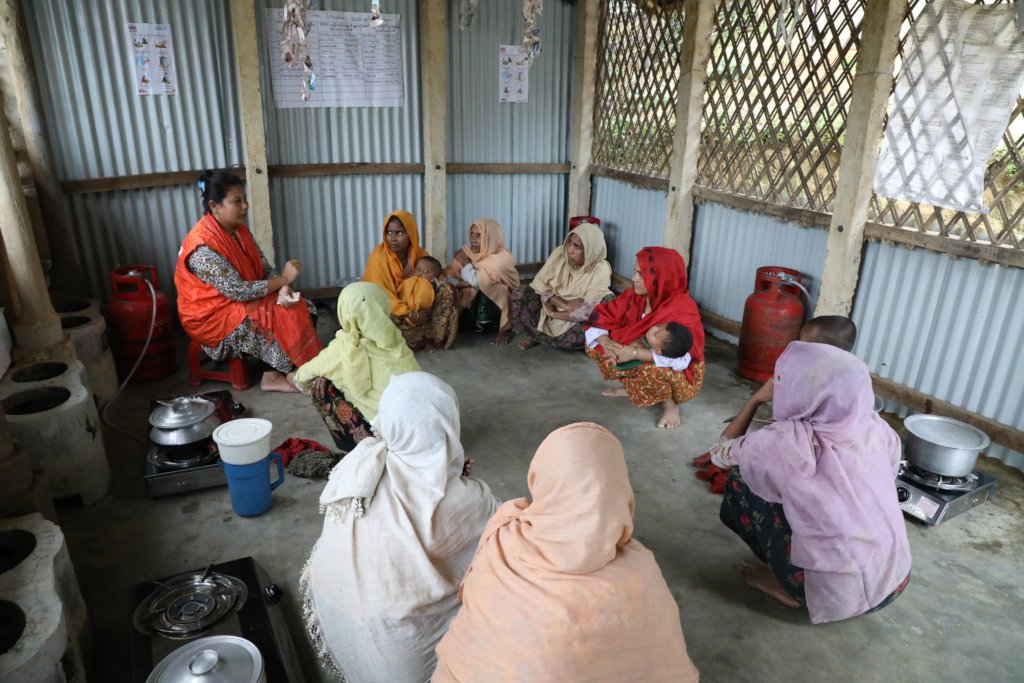
Up to 1,100 families a day will be able to cook in the 42 community kitchens that World Vision is constructing in seven camps, funded by Disasters Emergency Committee (DEC) and New Zealand-MFAT. Twenty kitchens are already available, each serving 50 camp families.
“Besides being a place to cook, the kitchens are learning centres,” says project manager Prodip. “The women learn about good nutrition and healthy food preparation, and personal and household hygiene.”
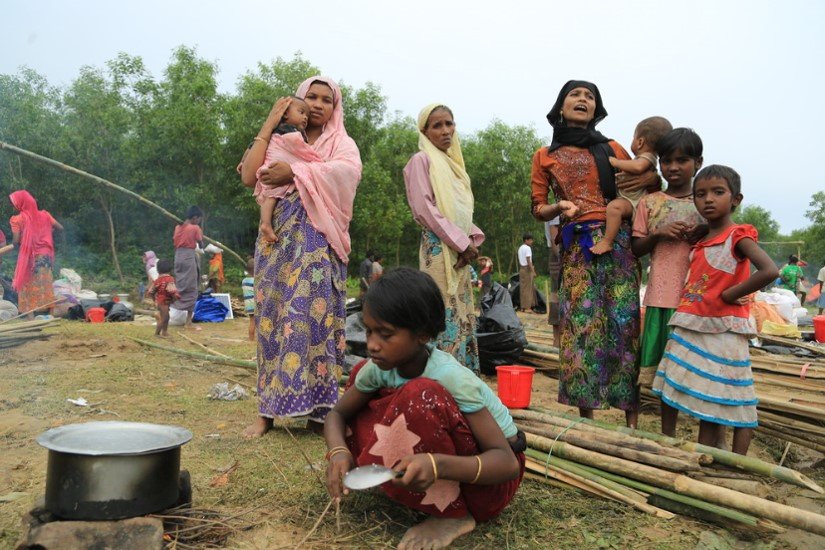
Prodip says the community kitchens also address the growing environmental crisis. According to a recent report, the Rohingyas consume 2,200 metric tons of firewood every day for cooking fuel. The refugees—primarily women and children—remove 700 metric tons of wood daily from local forests. This has severely degraded approximately 5,000 acres of forest, and is a point of escalating conflict between refugees and neighbouring landowners.
“People harass us when we go to cut wood in villages outside the camp,” says Jafar, a refugee community leader. “There is no forest anymore nearby. We have to walk a long way to collect firewood. If a man goes in the morning for firewood, he can return at afternoon. It has also become risky for us, especially children, who go collecting firewood. The kitchen is helpful.”
While her pot simmers, Senwara chats with her neighbours. “In Myanmar, we did not cook together like this. We meet here and gossip about our lives,” says Senwara. “There are many families who still need a kitchen in their area. They struggle a lot just to eat.”
Project reports on GlobalGiving are posted directly to globalgiving.org by Project Leaders as they are completed, generally every 3-4 months. To protect the integrity of these documents, GlobalGiving does not alter them; therefore you may find some language or formatting issues.
If you donate to this project or have donated to this project, you can receive an email when this project posts a report. You can also subscribe for reports without donating.