By Stanislav Kibalnyk | Coordinator
Entering with your kind help already in the 8th month of the big war at its very edge, we are writing this report not in the same circumstances as we were at the time of writing the previous one. All these months our city was being destroyed with Russian ballistic missiles every night and 220-mm cluster rockets when people go to work or from work - especially public transport stops and similar places. In this terrifyingly monotonous methodicalness the whole summer passed. After the Ukrainian troops took back control of almost the entire occupied third Kharkiv region by mid-September, including all the settlements between the north of Kharkiv and the Russian border, shelling became much less. Now our long-suffering metropolis, probably, is no longer the most front-line regional center, having ceded this role to Zaporozhye! In the de-occupied towns and villages, demining is still ongoing, so this report is dedicated first of all to summer events.
Nevertheless, the difficulty of getting here with rocket and cannon artillery did not give us safety, but forced the aggressor to change tactics. Now they are trying to leave the population without heat and light: on the evening of September 11, the largest thermal power plant in the region was hit by two missiles, which led the whole of Kharkiv to two complete blackouts over the next day, and as a result of a new missile attack on an infrastructure object, two days ago, power went out inparts of the city. It seems that this is just a warm-up before the heating season, and one can only imagine how it will look like in -20 °C. So,the upcoming heating season may be the biggest problem for our places. We are now preparing a community heating point in the house of our participant on the marginal industrial outskirts.
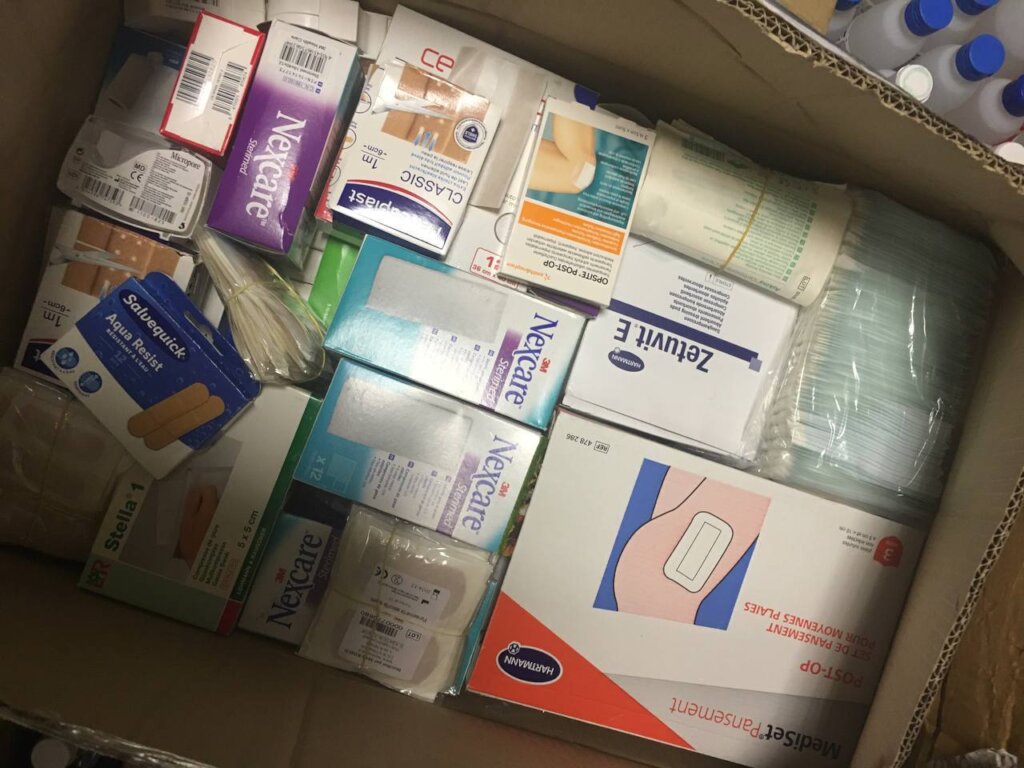
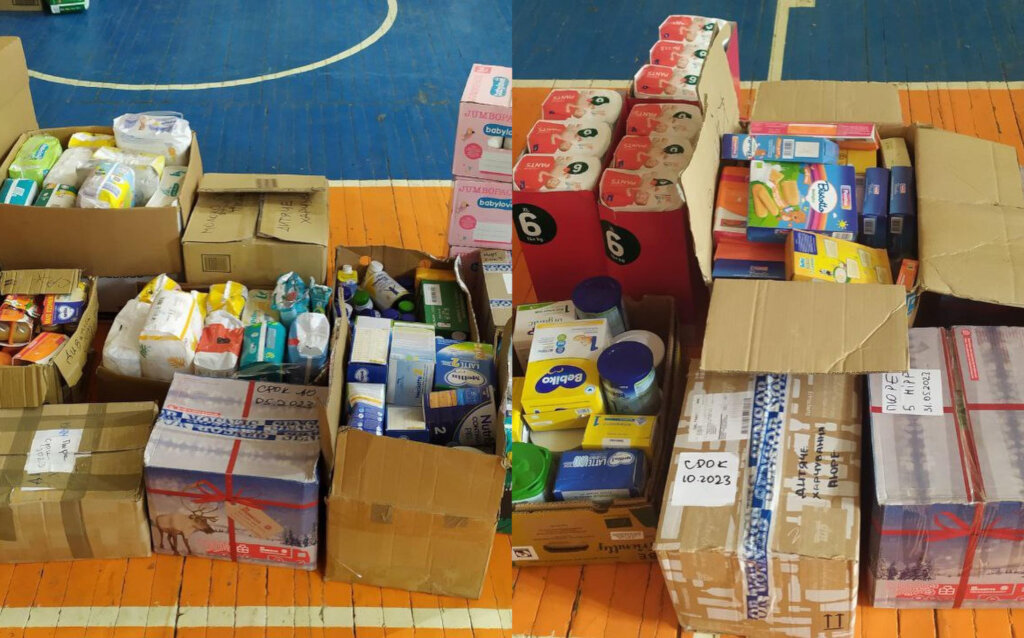
We also continued to supply the community with humanitarian aid throughout the reporting period, although at the beginning of the summer and then from August we were forced to sharply reduce its amount due to the uncertainty of how long the war would last and an increase in the price of food by an average of 25% (fruits and vegetables have risen in price most of all - by 67.8% and 65.9% since the beginning of the year, respectively). However, due to the some exodus of the population, the target audience for this case has probably decreased too.
There are already some successes in our project on the revival of wounded areas. As we already told, Kharkov authorities and developers associated with them plan to demolish historical buildings damaged by bombing for the construction of commercial facilities instead of their restoration. And their attempt to finish off in this way one of the oldest houses in our city, almost 200 years old, has already been stopped by the intervention of us and our readers. In another case, a beautiful nineteenth-century hospital building, having been injured by shelling in March, was slowly deteriorating from rain and dampness, and thanks to our attention, work began to prevent much more damage. Monitoring of the situation must be continued daily, as they are hoping precisely for weakening our vigilance.
Our English-language international column mostly on Russian political prisoners and the anti-war struggle among our northeastern neighbors is filling up more and more. Due to the open mobilization began in their country a week ago, we now have much more work to do in this field!
Let us know if you want to visit our city. Keep in touch!
Links:
Project reports on GlobalGiving are posted directly to globalgiving.org by Project Leaders as they are completed, generally every 3-4 months. To protect the integrity of these documents, GlobalGiving does not alter them; therefore you may find some language or formatting issues.
If you donate to this project or have donated to this project, you can receive an email when this project posts a report. You can also subscribe for reports without donating.